The shelf life of spices is a crucial aspect of culinary practices that often goes overlooked. Spices, derived from various parts of plants, including seeds, bark, roots, and fruits, possess unique flavors and aromas that can significantly enhance dishes. However, their potency diminishes over time due to various factors, leading to a decline in flavor and aroma. Generally, whole spices can last anywhere from three to five years, while ground spices typically have a shorter shelf life of one to three years. Understanding these timelines is essential for both home cooks and professional chefs to ensure the best flavor profiles in their culinary creations.
The degradation of spices is not merely a matter of taste; it can also affect the nutritional value of the spices. Over time, essential oils and volatile compounds responsible for the characteristic flavors and health benefits can evaporate or oxidize. This deterioration can lead to bland dishes and a lack of the intended health benefits associated with certain spices. Therefore, being aware of the shelf life of spices is vital for maintaining both culinary quality and nutritional integrity.
Factors Affecting Spice Freshness
Several factors contribute to the freshness and longevity of spices. One primary factor is exposure to air, which can lead to oxidation. When spices are exposed to oxygen, their volatile compounds begin to break down, resulting in a loss of flavor and aroma. Additionally, moisture plays a significant role in spice freshness; when spices absorb moisture, they can clump together and become susceptible to mold growth. This is particularly true for ground spices, which have a larger surface area exposed to air and moisture compared to whole spices.
Temperature fluctuations also impact spice longevity. Storing spices in warm environments, such as near the stove or in direct sunlight, can accelerate the degradation process. Ideally, spices should be stored in a cool, dark place to minimize exposure to heat and light. Furthermore, the quality of the spice at the time of purchase can influence its shelf life. Freshly harvested spices tend to retain their potency longer than those that have been sitting on store shelves for extended periods.
The longevity of whole spices compared to ground spices is a significant consideration for anyone looking to maximize their spice usage. Whole spices, such as cinnamon sticks, nutmeg, and peppercorns, tend to retain their flavor and aroma for a more extended period due to their intact structure. The essential oils that provide flavor are contained within the spice’s cellular structure, making them less susceptible to oxidation and degradation. As a result, whole spices can last up to five years or more when stored correctly.
In contrast, ground spices have a much shorter shelf life due to their increased surface area exposure. Once spices are ground, they are more vulnerable to air and moisture, leading to quicker loss of flavor and aroma. Ground spices typically maintain their potency for one to three years. To maximize the use of ground spices, it is advisable to purchase them in smaller quantities or grind whole spices as needed for optimal freshness.
Signs Your Spices Have Gone Bad

Identifying when spices have gone bad is essential for maintaining culinary quality. One of the most apparent signs is a noticeable loss of aroma; if a spice no longer emits its characteristic scent when opened, it has likely lost its potency. Additionally, visual cues can indicate spoilage; for instance, if ground spices appear clumpy or have developed an unusual color or texture, they may be past their prime.
Taste testing is another effective method for assessing spice freshness. If a spice lacks flavor or has an off-taste when added to dishes, it may be time to replace it. Furthermore, mold growth or any signs of insect infestation are clear indicators that the spice should be discarded immediately. Regularly checking your spice collection for these signs can help ensure that your culinary creations remain flavorful and enjoyable.
How to Properly Store Spices to Extend Their Life

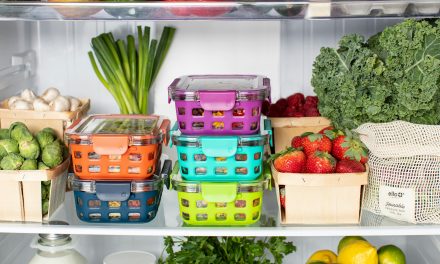
Proper storage techniques are vital for extending the shelf life of spices. The ideal storage conditions include keeping spices in airtight containers away from light, heat, and moisture. Glass jars with tight-fitting lids or opaque containers are excellent choices for preserving freshness. Labeling containers with purchase dates can also help track how long each spice has been stored.
It is advisable to store spices in a cool pantry or cupboard rather than near the stove or sink where temperature fluctuations and humidity levels can vary significantly. Additionally, avoiding bulk purchases can help ensure that you use spices while they are still fresh. By implementing these storage practices, you can significantly prolong the life of your spice collection.
The Impact of Light, Heat, and Moisture on Spices
Light, heat, and moisture are three critical environmental factors that can adversely affect spice quality. Exposure to light can cause photodegradation of essential oils within spices, leading to diminished flavor and aroma over time. Therefore, storing spices in dark containers or in a dark environment is essential for preserving their integrity.
Heat accelerates chemical reactions that lead to spoilage; thus, keeping spices away from heat sources is crucial. High temperatures can also cause oils within spices to evaporate more quickly, further reducing their potency. Moisture is perhaps the most detrimental factor; it can lead to clumping and mold growth in both whole and ground spices. Ensuring that containers are sealed tightly and stored in dry environments will help mitigate these risks.
When to Replace Common Kitchen Spices
Knowing when to replace common kitchen spices is essential for maintaining flavor in your cooking. For instance, dried herbs like basil and oregano typically last about one to three years before losing potency. Spices such as cumin and coriander seeds can last up to four years if stored properly but should be replaced if they lose their aroma or flavor.
Certain spices have shorter lifespans; for example, ground turmeric may only last about two years before its flavor diminishes significantly. Regularly assessing your spice collection and replacing items based on their age and condition will ensure that your dishes remain vibrant and flavorful.
Testing Spice Potency at Home
Testing spice potency at home is a straightforward process that can help determine whether your spices are still viable for use. One effective method involves smelling the spice; if it lacks its characteristic aroma or smells stale, it may be time for replacement. Additionally, you can perform a taste test by adding a small amount of the spice to a dish or even tasting it directly; if it lacks flavor or has an off-taste, discard it.
Another method involves checking for visual signs of spoilage; clumping or discoloration can indicate that the spice has gone bad. By regularly testing your spices using these methods, you can maintain a high-quality spice collection that enhances your culinary endeavors.
The Role of Expiration Dates on Spice Packaging
Expiration dates on spice packaging serve as guidelines for consumers regarding freshness and potency. However, it’s important to note that these dates are often conservative estimates based on optimal storage conditions rather than definitive indicators of spoilage. Many spices can remain usable beyond their expiration dates if they have been stored correctly.
Understanding that expiration dates vary between whole and ground spices is also crucial; whole spices may last significantly longer than indicated on packaging due to their intact structure. Therefore, while expiration dates provide useful information, they should not be the sole determinant for discarding spices.
Tips for Buying Fresh Spices
When purchasing fresh spices, several tips can help ensure you select high-quality products. First, buy from reputable suppliers who specialize in herbs and spices; this increases the likelihood that you are getting fresher products rather than those that have been sitting on shelves for extended periods. Additionally, consider purchasing whole spices instead of pre-ground varieties whenever possible; this allows you to grind them as needed for maximum freshness.
Checking packaging dates is also essential; look for products with recent packaging dates rather than those that have been on shelves for months or years. Finally, consider buying from local markets or specialty stores where turnover is high; this often results in fresher products available for purchase.
Using Old Spices: When It’s Safe and When It’s Not
Using old spices can be safe under certain conditions but should be approached with caution. If a spice has lost its aroma but shows no signs of spoilage such as mold or insect infestation, it may still be used but will likely lack flavor in dishes. In contrast, if there are visible signs of spoilage or an off-putting smell or taste is detected during testing, it is best to discard the spice immediately.
In summary, understanding the shelf life of spices is crucial for maintaining culinary quality and nutritional integrity in cooking. Factors such as exposure to air, moisture levels, temperature fluctuations, and light all play significant roles in determining how long spices remain fresh and potent. Whole spices generally last longer than ground varieties due to their intact structure; however, proper storage techniques are essential regardless of type.
Regularly assessing your spice collection for signs of spoilage and knowing when to replace common kitchen staples will ensure flavorful dishes every time you cook. By implementing effective storage practices and being mindful during purchases, you can enjoy vibrant flavors while maximizing the longevity of your spice collection.
FAQs
How long do whole spices typically last?
Whole spices can last for 3 to 4 years when stored properly in a cool, dark place. Their robust nature helps them retain flavor and aroma longer than ground spices.
What is the shelf life of ground spices?
Ground spices generally have a shorter shelf life, lasting about 2 to 3 years. They tend to lose their potency more quickly due to their increased surface area and exposure to air.
How can I tell if my spices have gone bad?
You can check if spices have gone bad by assessing their aroma and flavor. If they smell weak or have little to no flavor when tasted, it’s time to replace them. Additionally, look for any signs of discoloration or clumping.
Does the storage method affect the longevity of spices?
Yes, the storage method significantly affects the longevity of spices. Spices should be kept in airtight containers, away from light, heat, and moisture to maximize their shelf life.
Are there any spices that last longer than others?
Yes, some spices, such as whole cloves, nutmeg, and allspice, can last up to 4 years or more due to their natural oils and compounds that help preserve them. In contrast, ground spices tend to have a shorter lifespan.