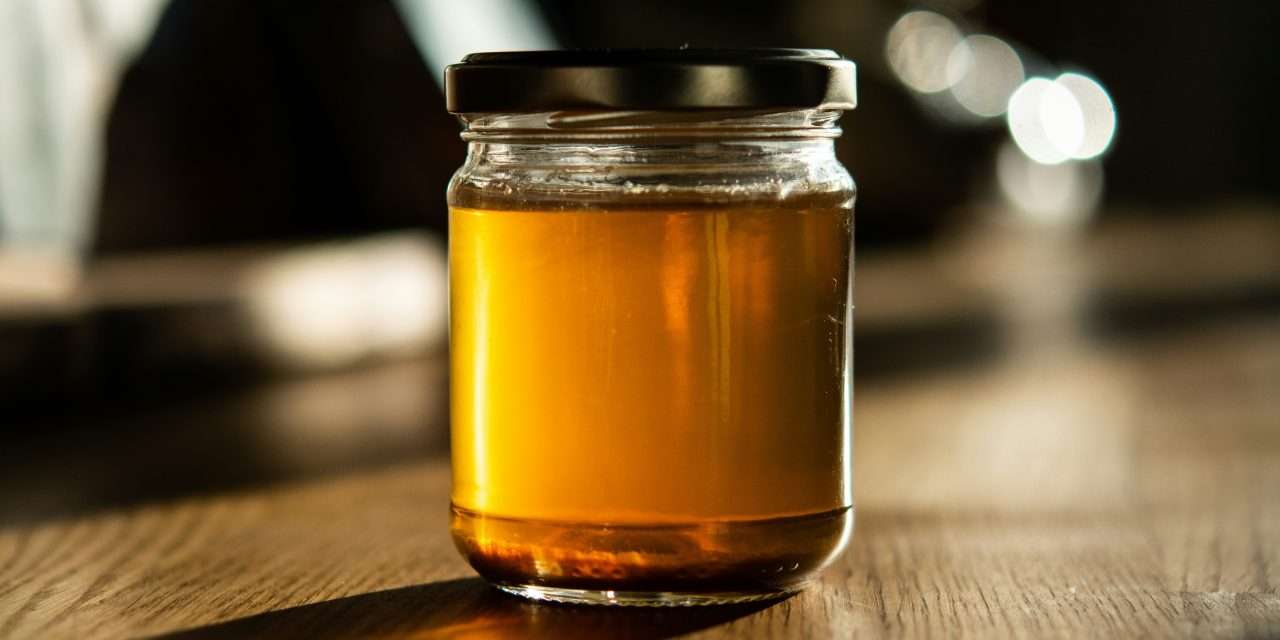
Honey, a natural sweetener revered for its unique flavor and numerous health benefits, has captivated human interest for millennia. Its remarkable longevity is one of the most intriguing aspects of this golden elixir. Archaeological findings have revealed pots of honey in ancient Egyptian tombs that remain perfectly edible after thousands of years. This astonishing shelf life can be attributed to honey’s unique chemical composition and natural preservation properties. Understanding the factors that contribute to honey’s durability not only enhances our appreciation for this natural product but also informs us about optimal storage practices to maintain its quality over time.
The longevity of honey is a testament to its resilience against spoilage. Unlike many other food products, honey does not require refrigeration and can be stored at room temperature for extended periods without significant degradation. This article delves into the natural composition of honey, the factors influencing its shelf life, and practical tips for ensuring that this sweet substance remains fresh and flavorful for as long as possible.
The Natural Composition of Honey
Honey is primarily composed of sugars, predominantly fructose and glucose, which account for approximately 80% of its content. The remaining constituents include water, minerals, vitamins, enzymes, and organic acids. This unique composition not only contributes to honey’s sweetness but also plays a crucial role in its preservation. The low moisture content, typically around 17-18%, inhibits the growth of microorganisms, making honey an inhospitable environment for bacteria and fungi.
Additionally, honey contains various antioxidants, including flavonoids and phenolic acids, which contribute to its health benefits and stability. These compounds help neutralize free radicals in the body, potentially reducing the risk of chronic diseases. The presence of enzymes, such as glucose oxidase, further enhances honey’s antimicrobial properties by producing hydrogen peroxide when diluted. This natural defense mechanism is one reason why honey can remain unspoiled for extended periods.
Factors Affecting Honey’s Longevity

Several factors influence the shelf life of honey, including moisture content, temperature, and exposure to light. The moisture content is particularly critical; honey with higher water levels is more susceptible to fermentation and spoilage. Ideally, honey should have a moisture content below 18% to ensure optimal preservation.
Temperature plays a significant role in maintaining honey’s quality. Storing honey in a cool, dark place helps prevent degradation caused by heat and light exposure. High temperatures can lead to the breakdown of beneficial compounds and alter the flavor profile. Furthermore, light exposure can catalyze chemical reactions that degrade honey’s quality over time. Therefore, it is essential to store honey in opaque containers or dark glass jars to minimize light exposure.
How Long Does Honey Really Last?

When stored correctly, honey can last indefinitely without spoiling. Its remarkable shelf life is attributed to its low moisture content and acidic pH, which create an inhospitable environment for microbial growth. While honey may undergo changes in texture or color over time, these alterations do not necessarily indicate spoilage. Instead, they are often a result of natural processes such as crystallization or oxidation.
In practical terms, commercially packaged honey typically comes with a “best by” date rather than an expiration date. This date serves as a guideline for optimal quality rather than a definitive endpoint for safety. Many experts agree that honey can remain safe to consume for years or even decades if stored properly. However, it is essential to monitor for any signs of spoilage or off-flavors that may indicate degradation.
Understanding Honey Crystallization
Crystallization is a natural phenomenon that occurs when glucose molecules in honey precipitate out of the liquid solution and form solid crystals. This process can happen over time due to various factors, including temperature fluctuations and the specific floral source of the nectar used by bees. Crystallized honey may appear cloudy or grainy but remains safe to consume.
The rate at which honey crystallizes varies depending on its composition and storage conditions. Honeys with higher glucose content tend to crystallize more quickly than those with higher fructose levels. Additionally, the presence of pollen or other particulates can act as nucleation sites, promoting crystallization. Understanding this process is essential for consumers who wish to maintain their honey’s liquid form.
Why Does Honey Crystallize Over Time?
The crystallization of honey is primarily influenced by its sugar composition and environmental conditions. As mentioned earlier, glucose is more prone to crystallization than fructose. When honey is stored at lower temperatures, the solubility of glucose decreases, leading to the formation of crystals. Conversely, warmer temperatures can keep honey in a liquid state by increasing glucose solubility.
Another factor contributing to crystallization is the presence of microscopic particles within the honey, such as pollen grains or air bubbles. These particles serve as nucleation sites where glucose molecules can cluster together and form crystals. While crystallization may alter the texture of honey, it does not affect its safety or nutritional value.
Types of Honey and Their Crystallization Rates
Different types of honey exhibit varying rates of crystallization based on their floral sources and sugar compositions. For instance, clover honey tends to crystallize more slowly due to its higher fructose content, while wildflower or rapeseed honeys may crystallize rapidly due to their higher glucose levels.
Additionally, regional variations in climate and floral diversity can influence crystallization rates among honeys produced in different areas. For example, honeys harvested from colder climates may crystallize more quickly than those from warmer regions due to temperature fluctuations during storage.
How Storage Conditions Influence Honey’s Texture
Storage conditions play a pivotal role in determining the texture and consistency of honey over time. Keeping honey in a cool environment helps maintain its liquid state by preventing premature crystallization. Ideally, honey should be stored at temperatures between 50°F (10°C) and 70°F (21°C) to optimize its longevity.
Moreover, exposure to air can introduce moisture into the container, increasing the risk of fermentation and spoilage. To mitigate this risk, it is advisable to use airtight containers that prevent moisture ingress while allowing for easy access when needed. Proper sealing also helps preserve the aromatic compounds that contribute to honey’s distinctive flavor profile.
Is Crystallized Honey Safe to Eat?
Yes, crystallized honey is entirely safe to consume. The crystallization process does not indicate spoilage; rather, it reflects the natural behavior of sugars within the product. Crystallized honey retains its nutritional properties and health benefits despite changes in texture.
Consumers should not be deterred by crystallization; instead, they can embrace it as a natural characteristic of high-quality honey. If desired, crystallized honey can be gently warmed to restore its liquid form without compromising its safety or flavor.
Methods to Revert Crystallized Honey to Liquid Form
Reverting crystallized honey back to its liquid state is a straightforward process that requires gentle heating methods. One effective technique involves placing the jar of crystallized honey in warm water (not exceeding 120°F or 49°C) for several minutes while stirring occasionally until the crystals dissolve completely.
Another method involves using a microwave; however, caution must be exercised to avoid overheating or scorching the honey. It is advisable to use short intervals (10-15 seconds) on low power while stirring between intervals until the desired consistency is achieved.
Tips for Proper Honey Storage to Maximize Shelf Life
To maximize the shelf life of honey and maintain its quality over time, consider implementing the following storage tips:
1. **Choose Appropriate Containers**: Use airtight glass jars or food-grade plastic containers that prevent moisture ingress.
2. **Store in a Cool Environment**: Keep honey in a dark cupboard or pantry away from direct sunlight and heat sources.
3. **Avoid Refrigeration**: Refrigerating honey can accelerate crystallization; instead, opt for room temperature storage.
4. **Seal Tightly**: Ensure containers are tightly sealed after each use to minimize air exposure.
5. **Monitor Moisture Levels**: If you notice any signs of fermentation or off-flavors, discard the product immediately.
In conclusion, understanding the intricacies of honey’s shelf life reveals much about this remarkable substance’s resilience and versatility as a natural sweetener. With proper storage practices and knowledge about crystallization processes, consumers can enjoy honey’s benefits for years without compromising quality or safety. Whether used as a culinary ingredient or a health supplement, honey remains an enduring staple in kitchens worldwide.
In summary, honey’s extraordinary shelf life stems from its unique composition and natural preservation properties. Factors such as moisture content and storage conditions significantly influence its longevity and texture over time. Crystallization is a natural occurrence that does not compromise safety; rather, it reflects the inherent characteristics of different types of honey. By following proper storage guidelines and understanding how to revert crystallized honey back to liquid form, consumers can ensure they enjoy this delightful product at its best for years to come.
FAQs
How long does honey last?
Honey has an indefinite shelf life when stored properly. It can last for years or even decades without spoiling due to its low moisture content and acidic pH, which inhibit the growth of bacteria and microorganisms.
What causes honey to crystallize?
Honey crystallizes due to the natural process of glucose separation from the water content. Factors such as temperature, the ratio of glucose to fructose, and the presence of pollen or other particles can influence the rate of crystallization.
Is crystallized honey safe to eat?
Yes, crystallized honey is safe to eat. The crystallization process does not affect the honey’s quality or safety. If desired, it can be gently warmed to return it to a liquid state.
How should honey be stored to maximize its shelf life?
To maximize honey’s shelf life, it should be stored in a cool, dry place in a tightly sealed container. Avoid exposure to moisture and direct sunlight, as these can promote fermentation and spoilage.
Can honey go bad?
While honey does not spoil in the traditional sense, it can undergo changes in flavor, color, and texture over time. If stored improperly, it may ferment or develop an off taste, but it is still safe to consume.