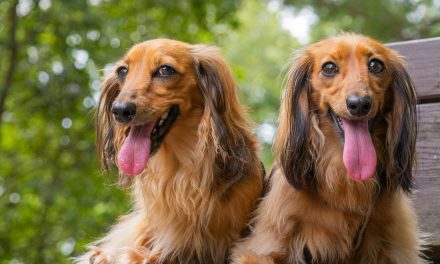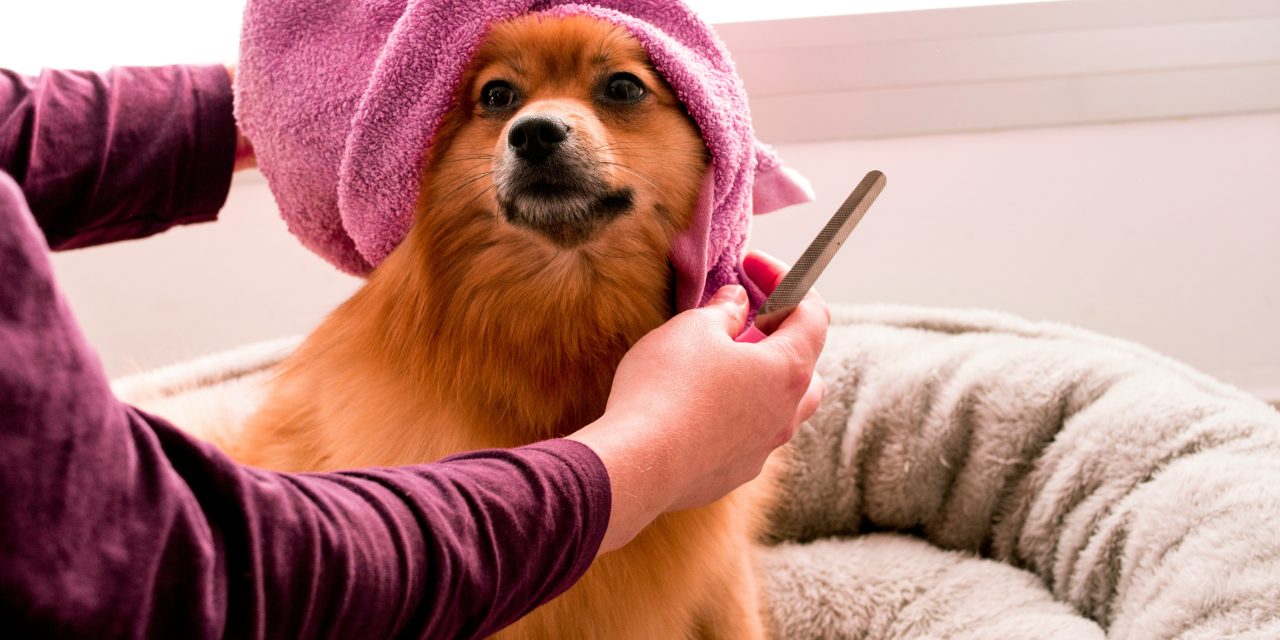
Double-coated dogs possess a unique fur structure that consists of two distinct layers: the outer guard hairs and the inner undercoat. The guard hairs are typically longer, coarser, and serve as a protective barrier against environmental elements such as rain, snow, and UV rays. The undercoat, on the other hand, is softer and denser, providing insulation and temperature regulation. Breeds such as Siberian Huskies, Golden Retrievers, and German Shepherds exemplify this coat type, which is particularly advantageous for survival in varying climates.
The dual-layered coat serves multiple purposes, including protection from extreme temperatures and moisture retention. In colder climates, the undercoat traps heat, while in warmer conditions, it aids in cooling by allowing air to circulate close to the skin. Understanding this unique coat structure is essential for pet owners, as it directly influences grooming practices and overall canine health. Proper care ensures that the coat remains healthy and functional, preventing issues such as matting and skin irritations.
Importance of Regular Brushing for Double Coats
Regular brushing is crucial for maintaining the health and appearance of double-coated dogs. This grooming practice helps to remove loose hair, dirt, and debris that can accumulate in the coat. By regularly brushing, pet owners can prevent matting, which can lead to skin infections and discomfort for the dog. Additionally, brushing stimulates the skin’s natural oils, promoting a shiny and healthy coat.
Moreover, brushing serves as an opportunity for pet owners to inspect their dog’s skin for any abnormalities such as lumps, bumps, or parasites. Early detection of these issues can lead to timely veterinary intervention, ensuring the overall well-being of the pet. Regular grooming also strengthens the bond between the dog and its owner, creating a positive experience that fosters trust and affection.
How Often Should You Brush a Double-Coated Dog?

The frequency of brushing a double-coated dog largely depends on several factors including the breed, season, and individual dog’s shedding patterns. Generally speaking, these breeds should be brushed at least once a week to maintain a healthy coat. However, during shedding seasons—typically spring and fall—more frequent brushing may be necessary to manage the increased hair loss.
For breeds with a thicker undercoat or those that shed heavily, daily brushing may be required during peak shedding periods. This not only helps to control loose hair in the home but also reduces the risk of matting and skin irritations. Pet owners should observe their dog’s coat condition and adjust their grooming routine accordingly to ensure optimal health.
Seasonal Brushing Frequency: Adjusting for Shedding Cycles

Double-coated dogs experience seasonal shedding cycles that can significantly impact grooming needs. In spring, many breeds shed their winter undercoat to prepare for warmer temperatures. This process can result in excessive hair loss, often referred to as “blowing coat.” During this time, it is advisable to increase brushing frequency to at least every other day or even daily to manage the shedding effectively.
Conversely, in the fall, dogs will typically shed their summer coat in preparation for winter insulation. Similar to spring shedding, this transition may require more frequent grooming sessions. Understanding these seasonal patterns allows pet owners to anticipate their dog’s needs and adjust their grooming routines accordingly. By doing so, they can minimize discomfort for their pets while keeping their homes clean.
Tools Needed for Brushing Double-Coated Dogs
To effectively groom double-coated dogs, specific tools are essential for achieving optimal results. A slicker brush is highly recommended for removing loose hair and detangling mats from the outer coat. Its fine bristles penetrate deep into the fur without damaging the skin. Additionally, an undercoat rake is invaluable for reaching the dense undercoat and removing dead hair that may not be accessible with standard brushes.
A de-shedding tool can also be beneficial during heavy shedding seasons. These tools are designed to remove loose undercoat hair without damaging the top layer of fur. Furthermore, a comb with wide teeth can help in detangling any knots or mats that may form in the coat. Investing in high-quality grooming tools tailored for double-coated breeds will enhance the grooming experience and promote a healthier coat.
Signs Your Dog Needs More Frequent Brushing
Pet owners should be vigilant in observing their dog’s coat condition to determine if more frequent brushing is necessary. Signs that indicate a need for increased grooming include visible mats or tangles in the fur, excessive shedding around the home, or a dull appearance of the coat. Additionally, if the dog exhibits signs of discomfort when touched or scratched, it may indicate that mats are pulling on the skin.
Another indicator is an increase in skin irritations or hotspots, which can arise from trapped dirt or moisture within the coat. If a dog begins to scratch excessively or shows signs of discomfort during regular activities, it may be time to reassess the grooming routine. By recognizing these signs early on, pet owners can take proactive measures to maintain their dog’s coat health.
Benefits of Consistent Grooming for Double-Coated Breeds
Consistent grooming offers numerous benefits beyond just aesthetics for double-coated breeds. Regular brushing helps to reduce shedding significantly by removing loose hair before it has a chance to scatter throughout the home. This not only keeps living spaces cleaner but also minimizes allergens associated with pet dander.
Moreover, grooming sessions provide an opportunity for bonding between pet and owner. The tactile experience of brushing can be soothing for dogs and reinforces trust in their caregivers. Additionally, regular grooming promotes better skin health by stimulating blood circulation and distributing natural oils throughout the coat. This leads to a shinier appearance and improved overall health.
Common Mistakes When Brushing Double-Coated Dogs
Despite good intentions, pet owners often make common mistakes when grooming double-coated dogs that can lead to discomfort or ineffective results. One prevalent error is using inappropriate tools; using a standard brush instead of specialized grooming tools can result in ineffective removal of loose hair and potential damage to the coat.
Another mistake is neglecting to brush thoroughly enough; simply brushing over the surface may not adequately address tangles or mats hidden beneath the outer layer of fur. Additionally, rushing through grooming sessions can create anxiety for dogs; taking time to ensure a gentle approach fosters a positive experience. Lastly, failing to adjust grooming frequency according to seasonal shedding patterns can lead to excessive matting and discomfort.
How to Make Brushing a Positive Experience
Creating a positive grooming experience is essential for both dogs and their owners. Start by introducing grooming tools gradually; allow your dog to sniff and explore them before beginning any brushing sessions. Use treats and praise during grooming to reinforce positive behavior and create associations with enjoyable experiences.
Establishing a routine can also help dogs become accustomed to regular brushing sessions. Choose a quiet space free from distractions where your dog feels comfortable. Keep sessions short initially; gradually increase duration as your dog becomes more relaxed with the process. Incorporating playtime or rewards after grooming can further enhance their willingness to participate in future sessions.
Deciding between professional grooming services and home brushing depends on various factors including time availability, budget constraints, and individual dog needs. Professional groomers possess specialized training and tools that can effectively address complex grooming tasks such as de-shedding or dematting.
However, regular home brushing is essential even if professional services are utilized periodically; it allows pet owners to maintain their dog’s coat between appointments while fostering a bond through shared experiences. For those who prefer DIY grooming, investing time in learning proper techniques can yield excellent results while saving costs associated with professional services.
Tips for Maintaining a Healthy Double Coat Between Brushings
Maintaining a healthy double coat between brushing sessions involves several proactive measures that contribute to overall coat health. Regular baths using high-quality dog shampoos formulated for double-coated breeds can help remove dirt and debris while promoting skin health. Ensure thorough rinsing to prevent residue buildup that could lead to irritation.
Additionally, providing a balanced diet rich in omega fatty acids supports healthy skin and fur growth from within. Hydration is equally important; ensure your dog has access to fresh water at all times to maintain optimal skin moisture levels. Regular exercise also contributes positively by promoting circulation and overall well-being.
In summary, understanding double-coated dogs requires knowledge of their unique fur structure and grooming needs. Regular brushing is vital for maintaining coat health while preventing issues such as matting and skin irritations. Adjusting brushing frequency according to seasonal shedding cycles ensures optimal care throughout the year. Utilizing appropriate tools enhances grooming effectiveness while recognizing signs that indicate increased brushing needs allows pet owners to stay proactive in their care routines.
By fostering positive experiences during grooming sessions and considering professional services when necessary, pet owners can ensure their double-coated companions remain healthy and happy throughout their lives.
FAQs
What is a double coat in dogs?
A double coat consists of two layers of fur: a soft, insulating undercoat and a longer, protective outer coat. This type of coat is common in breeds such as Huskies, Golden Retrievers, and German Shepherds, providing insulation and protection against various weather conditions.
How often should I brush my dog with a double coat?
Dogs with a double coat should typically be brushed at least once a week, but during shedding seasons (spring and fall), it may be necessary to brush them several times a week or even daily to manage loose fur and prevent matting.
What tools are best for brushing a double-coated dog?
Effective tools for brushing a double-coated dog include an undercoat rake for removing loose undercoat fur, a slicker brush for detangling and smoothing the outer coat, and a comb for finishing touches and checking for mats.
Can I bathe my double-coated dog frequently?
While bathing can help remove dirt and loose hair, it is generally recommended to bathe double-coated dogs only every 2-3 months unless they get particularly dirty. Frequent bathing can strip natural oils from their coat, leading to skin issues.
What are the signs that my double-coated dog needs brushing?
Signs that your double-coated dog needs brushing include visible mats or tangles in the fur, excessive shedding, a dull coat, or if you notice dirt and debris trapped in the fur. Regular brushing helps maintain a healthy coat and skin.