The double coat is a unique feature found in various dog breeds, characterized by two distinct layers of fur: the outer guard hairs and the dense undercoat. The undercoat serves multiple purposes, including insulation against temperature extremes and protection from environmental elements. This soft, fluffy layer is particularly prevalent in breeds such as Siberian Huskies, Golden Retrievers, and German Shepherds. Undercoat shedding occurs when the dog naturally loses this layer of fur, often influenced by seasonal changes, hormonal fluctuations, or overall health.
Undercoat shedding can be a significant concern for pet owners, especially during shedding seasons when dogs may lose large amounts of fur. This process can lead to an accumulation of loose hair around the home, which can be both unsightly and challenging to manage. Understanding the mechanics of undercoat shedding is crucial for effective grooming and maintaining your dog’s health. Regular removal of loose undercoat not only keeps your living space cleaner but also promotes better skin health and reduces the risk of matting.
Why Removing Loose Undercoat Is Important for Your Dog’s Health
Regularly removing loose undercoat is essential for several reasons that directly impact your dog’s well-being. Firstly, a buildup of dead hair can trap dirt, debris, and allergens against the skin, leading to potential skin irritations or infections. This accumulation can also hinder the natural shedding process, causing discomfort for your pet. By routinely grooming your dog and removing loose undercoat, you help maintain a clean and healthy skin environment.
Moreover, effective undercoat removal can enhance your dog’s comfort level. A thick layer of loose fur can lead to overheating, especially in warmer climates or during physical activity. By minimizing this excess fur, you allow for better air circulation against the skin, helping to regulate body temperature. Additionally, regular grooming sessions can strengthen the bond between you and your dog, providing an opportunity for positive interaction and reinforcing trust.
Best Times and Seasons to Remove Loose Undercoat
The timing of undercoat removal is crucial for maximizing its effectiveness. Typically, dogs with double coats experience two major shedding seasons: spring and fall. During these periods, they will naturally shed their undercoat to prepare for temperature changes. Spring shedding helps dogs transition to warmer weather by losing their insulating undercoat, while fall shedding allows them to grow a thicker coat for winter protection.
In addition to seasonal shedding, it is advisable to monitor your dog’s individual shedding patterns throughout the year. Some breeds may shed consistently or experience minor shedding during off-seasons due to factors such as indoor heating or humidity levels. Regular grooming sessions should be scheduled at least once a week during non-shedding periods and increased to two to three times a week during peak shedding seasons.
Essential Tools for Removing Loose Undercoat
To effectively manage undercoat shedding, having the right grooming tools is paramount. Essential tools include:
1. **Undercoat Rake**: Designed specifically for penetrating the top coat and reaching the undercoat, this tool features long teeth that help remove loose fur without damaging the outer layer.
2. **Slicker Brush**: This brush has fine, short wires close together on a flat surface, making it ideal for removing tangles and mats while also capturing loose hair.
3. **Deshedding Tool**: These tools are engineered to remove loose undercoat efficiently and are often equipped with a blade that gently pulls out dead hair without harming the skin.
4. **Grooming Gloves**: These gloves allow for a gentle brushing action while petting your dog, making it a pleasant experience for both you and your pet.
Investing in high-quality grooming tools will not only make the process more efficient but also ensure that your dog’s coat remains healthy and well-maintained.
Step-by-Step Guide to Brushing Your Double-Coated Dog
Brushing your double-coated dog requires a systematic approach to ensure thorough removal of loose undercoat while minimizing discomfort. Follow these steps:
1. **Choose the Right Time**: Select a calm time when your dog is relaxed; this could be after a walk or play session.
2. **Prepare Your Tools**: Gather all necessary grooming tools within reach to avoid interruptions during the process.
3. **Start with the Undercoat Rake**: Begin by using the undercoat rake on small sections of fur, working from the neck down to the tail in the direction of hair growth.
4. **Use Gentle Pressure**: Apply gentle pressure while raking to avoid pulling on the skin; if you encounter tangles, use your fingers to gently separate them before continuing.
5. **Follow Up with a Slicker Brush**: After using the rake, switch to a slicker brush to capture any remaining loose hair and smooth out the coat.
6. **Finish with Grooming Gloves**: Use grooming gloves for a final pass over your dog’s coat; this will help remove any last bits of loose fur while providing a comforting touch.
How to Use an Undercoat Rake Effectively
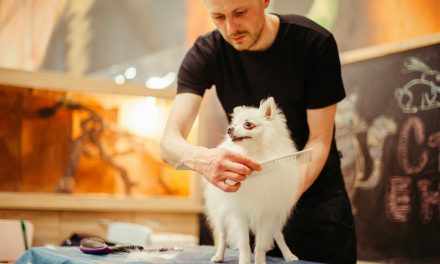
Using an undercoat rake effectively requires technique and patience. Begin by ensuring that your dog is calm and comfortable in a designated grooming area. Hold the rake at a slight angle and start at the neck or back, working in sections toward the tail. It is essential to rake in the direction of hair growth to avoid discomfort.
When using an undercoat rake, focus on areas where matting or tangling is more likely to occur, such as behind the ears and under the legs. Be mindful of sensitive areas like the belly and tail; use lighter pressure in these regions to prevent causing distress. After each pass with the rake, periodically check for collected fur and remove it from the tool to maintain efficiency.
Bathing Tips to Loosen and Remove Undercoat Safely
Bathing can be an effective method for loosening undercoat fur before grooming. When preparing for a bath, ensure that you use a high-quality dog shampoo that is appropriate for your dog’s coat type and skin sensitivity. Warm water helps open up hair follicles and loosen dead hair more effectively than cold water.
During bathing, gently massage the shampoo into your dog’s coat using your fingers or a soft brush to help dislodge loose fur. Rinse thoroughly to remove all shampoo residue, as leftover product can irritate the skin. After rinsing, consider using a conditioner designed for double-coated breeds; this can help soften the coat and make subsequent grooming easier.
Drying Techniques That Help with Undercoat Removal
Proper drying techniques play a significant role in facilitating effective undercoat removal post-bath. After bathing your dog, use a high-velocity dryer or a towel to remove excess moisture from their coat without causing tangles or mats. If using a dryer, keep it at a safe distance from your dog’s skin to prevent overheating.
Once most of the moisture has been removed, use a slicker brush or deshedding tool while drying to capture any loosened undercoat fur effectively. This dual approach not only speeds up drying time but also enhances grooming efficiency by removing dead hair simultaneously.
How Often Should You Remove Loose Undercoat?
The frequency of undercoat removal largely depends on your dog’s breed, coat condition, and individual shedding patterns. For double-coated breeds, it is generally recommended to engage in grooming sessions at least once a week during non-shedding periods and increase frequency during peak shedding seasons—typically spring and fall—to two or three times per week.
Monitoring your dog’s coat condition will help determine if more frequent grooming is necessary; if you notice excessive shedding or matting between sessions, consider increasing grooming frequency accordingly.
Common Mistakes to Avoid When Removing Undercoat
When managing undercoat shedding, several common mistakes can hinder effectiveness or cause discomfort for your dog:
1. **Neglecting Regular Grooming**: Failing to groom regularly can lead to excessive matting and discomfort for your pet.
2. **Using Incorrect Tools**: Using inappropriate tools can damage your dog’s coat or irritate their skin; always select tools designed specifically for double-coated breeds.
3. **Rushing Through Sessions**: Grooming should be a calm experience; rushing can lead to missed areas or cause anxiety in your dog.
4. **Ignoring Skin Health**: Always check for signs of skin irritation or infection during grooming; if you notice any abnormalities, consult with a veterinarian.
When to Seek Professional Grooming Assistance
While many pet owners can manage undercoat removal at home, there are instances when seeking professional grooming assistance is advisable. If you encounter severe matting that cannot be resolved through regular grooming techniques or if your dog exhibits signs of distress during grooming sessions, it may be time to consult with a professional groomer.
Additionally, if you notice persistent skin issues such as redness, irritation, or excessive scratching during grooming sessions, it is crucial to seek veterinary advice promptly. Professional groomers possess specialized knowledge and tools that can effectively address complex grooming needs while ensuring your dog’s comfort.
In summary, understanding how to manage undercoat shedding in double-coated dogs is vital for their health and comfort. Regular grooming not only prevents matting but also promotes skin health and enhances bonding between pet and owner. By utilizing appropriate tools and techniques while being mindful of timing and frequency, pet owners can effectively manage their dog’s shedding needs while ensuring their overall well-being.
FAQs
What is a double-coated dog?
A double-coated dog has two layers of fur: a soft, insulating undercoat and a longer, protective outer coat. Breeds such as Siberian Huskies, Golden Retrievers, and German Shepherds are examples of double-coated dogs.
Why is it important to remove loose undercoat from double-coated dogs?
Removing loose undercoat helps prevent matting, reduces shedding, and promotes healthy skin and coat. It also keeps the dog comfortable, especially during seasonal changes when they shed their undercoat.
What tools are recommended for removing loose undercoat?
Common tools for removing loose undercoat include an undercoat rake, slicker brush, and de-shedding tool. Each tool serves a specific purpose and can help effectively remove loose fur without damaging the outer coat.
How often should I remove loose undercoat from my double-coated dog?
The frequency of removing loose undercoat depends on the breed and the time of year. Generally, it is recommended to brush double-coated dogs at least once a week, and more frequently during shedding seasons, which typically occur in spring and fall.
Can I remove loose undercoat without professional help?
Yes, you can remove loose undercoat at home using the right tools and techniques. Regular grooming sessions can be done by pet owners, but if you are unsure or your dog has severe matting, consulting a professional groomer may be beneficial.