Many dog owners encounter the challenge of grooming their pets, particularly when it comes to brushing. Understanding the underlying reasons for a dog’s fear of brushing is crucial for effective management. Dogs may exhibit anxiety towards grooming due to past negative experiences, sensitivity to touch, or even genetic predispositions. For instance, a dog that has previously experienced painful grooming sessions may associate the brush with discomfort, leading to heightened anxiety during subsequent grooming attempts. Additionally, certain breeds are more prone to sensitivity, making them more susceptible to fear responses.
Recognizing the signs of fear in dogs is essential for addressing their apprehensions. Common indicators include cowering, growling, or attempting to escape when the brush is introduced. These behaviors signal that the dog is feeling threatened or uncomfortable. Understanding these signals allows owners to approach the situation with empathy and patience, ultimately fostering a more positive grooming experience. By acknowledging the emotional state of the dog, owners can tailor their approach to alleviate fear and build trust.
Choosing the Right Brush for Sensitive Dogs
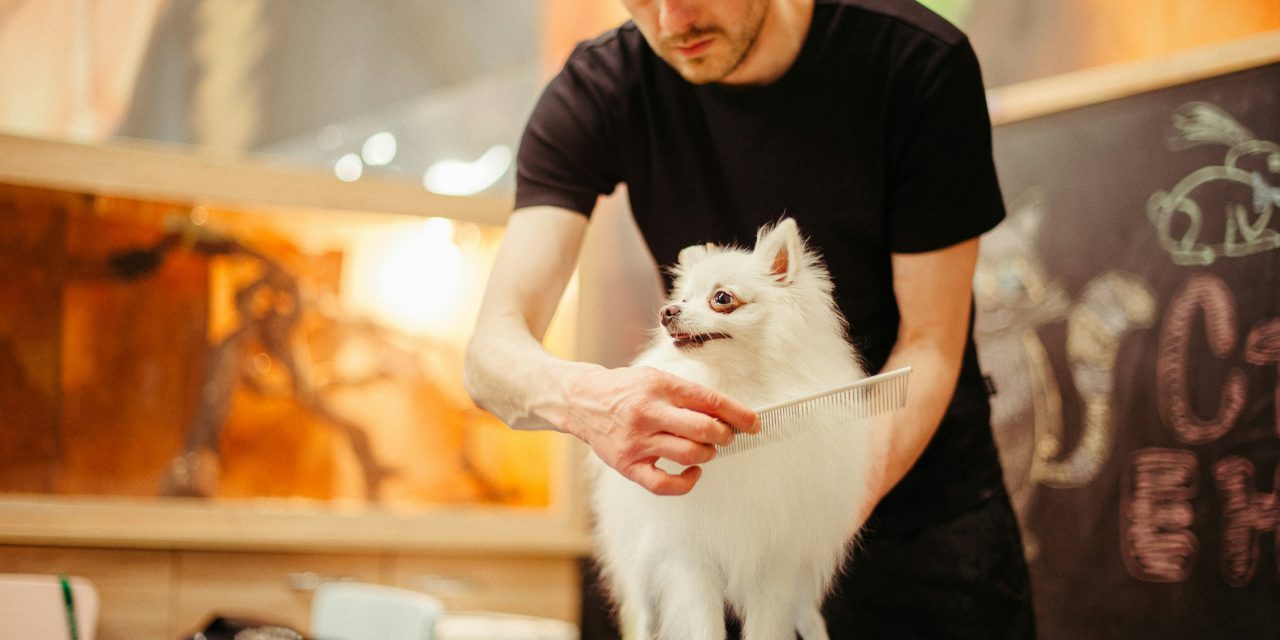
Selecting an appropriate brush is paramount when dealing with sensitive dogs. The right grooming tool can significantly reduce discomfort and anxiety during brushing sessions. Various types of brushes are available, each designed for specific coat types and sensitivities. For instance, slicker brushes are effective for removing loose fur and mats but may be too harsh for dogs with delicate skin. Conversely, soft-bristle brushes or rubber grooming mitts can provide a gentler alternative, making them ideal for sensitive breeds.
When choosing a brush, consider the dog’s coat type and length. Long-haired breeds may benefit from a wide-toothed comb or a pin brush to detangle without pulling on the skin. Short-haired dogs often require a bristle brush or grooming glove to remove loose hair effectively. Additionally, ergonomic designs can enhance comfort for both the owner and the dog during grooming sessions. Investing in high-quality grooming tools tailored to your dog’s specific needs can make a significant difference in their overall grooming experience.
Creating a Calm and Comfortable Environment

Establishing a serene environment is crucial for reducing anxiety during grooming sessions. Dogs are highly perceptive to their surroundings, and a calm atmosphere can significantly influence their behavior. Begin by selecting a quiet space free from distractions, such as loud noises or other pets. This designated grooming area should be familiar to the dog, as familiarity can help alleviate stress.
Incorporating calming elements into the environment can further enhance comfort. Soft lighting, soothing music, or even aromatherapy with pet-safe essential oils can create a tranquil ambiance. Additionally, providing a comfortable surface for the dog to stand or sit on can contribute to their overall relaxation. By prioritizing the dog’s comfort and emotional well-being, owners can foster a more positive association with grooming.
Introducing the Brush Gradually

Gradual introduction of the brush is essential for desensitizing a fearful dog. Instead of immediately attempting to brush the dog, start by allowing them to explore the brush at their own pace. Place the brush near their favorite resting spot or engage them in play while holding it nearby. This approach helps the dog associate the brush with positive experiences rather than fear.
Once the dog shows curiosity towards the brush, begin by gently touching it against their body without applying pressure. This step allows them to become accustomed to the sensation without feeling threatened. Gradually increase contact time while monitoring their reactions closely. If signs of anxiety arise, take a step back and allow the dog to acclimate further before proceeding. This gradual approach fosters trust and reduces fear over time.
Using Positive Reinforcement Techniques
Positive reinforcement is a powerful tool in modifying behavior and alleviating fear in dogs. When introducing brushing, reward your dog with treats, praise, or affection whenever they exhibit calm behavior around the brush. This technique reinforces positive associations with grooming and encourages them to remain relaxed during sessions.
Incorporating clicker training can enhance the effectiveness of positive reinforcement. Use a clicker to mark desired behaviors, such as allowing you to touch them with the brush or remaining still during brushing. Follow each click with a treat to solidify the connection between calm behavior and rewards. Over time, this method can significantly reduce anxiety and create a more enjoyable grooming experience for both the dog and owner.
Brushing in Short, Gentle Sessions
Short and gentle brushing sessions are key to preventing overwhelming experiences for sensitive dogs. Begin with brief sessions lasting only a few minutes, gradually increasing duration as the dog becomes more comfortable with the process. This approach minimizes stress and allows the dog to acclimate without feeling overwhelmed.
During these sessions, focus on gentle strokes and avoid applying excessive pressure on sensitive areas such as the belly or paws. Pay attention to your dog’s body language; if they show signs of discomfort or agitation, take a break and resume later. Consistency is vital; regular short sessions will help build tolerance over time while reinforcing positive associations with grooming.
Handling Tangles and Mats with Care
Dealing with tangles and mats requires special attention, particularly for sensitive dogs who may experience discomfort during this process. When encountering mats, avoid yanking or pulling on them, as this can cause pain and exacerbate fear responses. Instead, use your fingers to gently separate the hair around the mat before using a detangling tool or comb.
For severe mats that cannot be easily removed, consider consulting a professional groomer who specializes in handling sensitive dogs. They possess the expertise and tools necessary to safely address matting without causing distress to your pet. Regularly checking for tangles during grooming sessions can help prevent matting from becoming an issue in the first place.
Incorporating Distractions to Reduce Anxiety
Distractions can play a significant role in alleviating anxiety during grooming sessions. Engaging your dog with toys or treats while brushing can redirect their focus away from any discomfort they may feel. Consider using interactive toys that require mental stimulation or chew toys that keep them occupied during grooming.
Additionally, incorporating calming techniques such as gentle massage or soothing vocalizations can help create a more relaxed atmosphere. By providing distractions that promote positive engagement, owners can help their dogs feel more at ease during grooming sessions.
Knowing When to Take Breaks
Recognizing when to take breaks is essential for maintaining a positive grooming experience for sensitive dogs. If your dog exhibits signs of stress or agitation—such as panting, whining, or attempting to escape—it’s crucial to pause and allow them time to relax. Taking breaks not only prevents overwhelming experiences but also reinforces that grooming is not a stressful ordeal.
During breaks, provide comfort through gentle petting or offering treats as rewards for calm behavior. Allowing your dog time to regroup will help them associate breaks with positive reinforcement rather than punishment or discomfort.
Seeking Professional Help if Needed
In some cases, despite best efforts at home, sensitive dogs may require professional assistance for grooming challenges. Professional groomers possess specialized training and experience in handling anxious pets effectively. They can provide tailored approaches that prioritize your dog’s comfort while ensuring proper grooming techniques are employed.
If your dog’s fear of brushing persists despite your efforts, consider consulting a veterinarian or animal behaviorist specializing in canine anxiety disorders. They can offer insights into underlying issues contributing to fear responses and recommend appropriate interventions or therapies.
Maintaining a Regular Grooming Routine for Long-Term Success
Establishing a consistent grooming routine is vital for long-term success in managing your dog’s fear of brushing. Regular grooming not only promotes healthy skin and coat but also reinforces positive associations with brushing over time. Aim for weekly sessions that incorporate gentle brushing techniques while gradually increasing duration as your dog becomes more comfortable.
Incorporating regular grooming into your dog’s routine will help desensitize them further while fostering trust between you and your pet. Over time, this consistency will lead to improved tolerance towards brushing and ultimately contribute to your dog’s overall well-being.
In summary, addressing your dog’s fear of brushing requires understanding their emotional state and implementing gradual desensitization techniques combined with positive reinforcement strategies. Choosing appropriate tools tailored to their sensitivities and creating a calm environment are essential steps in fostering trust during grooming sessions. By maintaining regular routines and seeking professional assistance when necessary, owners can ensure their pets develop positive associations with grooming while promoting overall health and happiness.
### FAQ Section
1. **What are common signs that my dog is afraid of brushing?**
– Signs include cowering, growling, attempting to escape, excessive panting, or hiding when you bring out the brush.
2. **How do I know which brush is best for my dog’s coat type?**
– Research specific brushes designed for your dog’s breed and coat length; consult with groomers or veterinarians for personalized recommendations.
3. **What should I do if my dog bites or snaps during brushing?**
– If biting occurs, stop immediately and reassess your approach; consider seeking professional help if aggressive behavior persists.
4. **How often should I groom my dog?**
– Grooming frequency depends on coat type; long-haired breeds may require weekly sessions while short-haired breeds may need less frequent grooming.
5. **Can I use human brushes on my dog?**
– It’s not recommended; human brushes may not be suitable for canine skin and coat types and could cause discomfort or injury.
6. **What if my dog has severe matting?**
– Consult a professional groomer who specializes in handling sensitive dogs; they have tools and techniques designed for safe mat removal.
7. **Are there any calming products I can use during grooming?**
– Yes! Consider using calming sprays or pheromone diffusers designed specifically for pets; consult your veterinarian for recommendations.
8. **How do I introduce my dog to brushing if they’ve never been groomed before?**
– Start by allowing them to explore the brush at their own pace; gradually introduce it through gentle touches before attempting actual brushing.
9. **What should I do if my dog shows signs of anxiety during brushing?**
– Take breaks frequently; use positive reinforcement techniques like treats or praise when they remain calm; consider consulting a professional if anxiety persists.
10. **Is it normal for dogs to dislike being brushed?**
– Yes! Many dogs have varying levels of sensitivity; understanding their individual needs is key to creating a positive grooming experience.
By following these guidelines and maintaining patience throughout the process, you can help your sensitive dog overcome their fear of brushing while ensuring they remain healthy and happy.
FAQs
What are some signs that my dog hates being brushed?
Signs that your dog dislikes being brushed may include growling, snapping, trying to escape, excessive panting, or hiding when the brush is brought out. Additionally, if your dog shows signs of stress, such as licking their lips or yawning excessively, it may indicate discomfort with grooming.
How can I make brushing more enjoyable for my dog?
To make brushing more enjoyable, start by associating the brush with positive experiences. Use treats, praise, and gentle petting to create a positive environment. Gradually introduce the brush by allowing your dog to sniff it before starting the grooming process. Short, frequent brushing sessions can also help your dog acclimate to the experience.
What tools are best for grooming a dog that hates being brushed?
For dogs that dislike brushing, consider using softer brushes, such as rubber grooming mitts or slicker brushes with flexible bristles. These tools can be gentler on your dog’s skin and may be more acceptable to them. Additionally, using a comb or a dematting tool can help manage tangles without causing discomfort.
How often should I groom a dog that hates being brushed?
The frequency of grooming depends on your dog’s coat type. Generally, dogs with longer or thicker coats may require grooming every few days, while short-haired breeds may only need brushing once a week. However, if your dog dislikes brushing, it may be beneficial to groom them more frequently in shorter sessions to help them get used to the process.
Should I seek professional help for grooming my dog?
If your dog continues to resist brushing despite your efforts, it may be helpful to seek professional grooming services. A professional groomer has experience handling anxious dogs and can provide a more comfortable grooming experience. Additionally, they can offer tips and techniques to help you groom your dog at home more effectively.