Sensitive skin in dogs is a prevalent condition that can manifest in various ways, including redness, itching, flaking, and inflammation. This sensitivity can arise from numerous factors, including allergies, environmental irritants, or underlying medical conditions such as dermatitis or infections. Dogs with sensitive skin often exhibit signs of discomfort, which can lead to excessive scratching or biting, further exacerbating the issue. Understanding the root causes of sensitive skin is crucial for pet owners to provide appropriate care and treatment.
Allergies are one of the most common culprits behind sensitive skin in dogs. These can be triggered by food ingredients, pollen, dust mites, or even certain fabrics. Additionally, environmental factors such as extreme temperatures or humidity levels can contribute to skin sensitivity. It is essential for dog owners to observe their pets closely and identify any patterns or triggers that may lead to skin irritation. Regular veterinary check-ups can help diagnose underlying conditions and establish a tailored care plan for dogs suffering from sensitive skin.
Choosing the Right Shampoo for Sensitive Skin
Selecting an appropriate shampoo is vital for maintaining the health of a dog’s sensitive skin. Many commercial shampoos contain harsh chemicals, fragrances, and dyes that can aggravate existing skin issues. Therefore, it is advisable to opt for hypoallergenic shampoos specifically formulated for sensitive skin. These products typically contain gentle ingredients that cleanse without stripping the skin of its natural oils.
When evaluating shampoos, look for those containing soothing agents such as oatmeal, aloe vera, or chamomile. Oatmeal is particularly beneficial due to its anti-inflammatory properties, which can help alleviate itching and irritation. Additionally, shampoos free from sulfates and parabens are preferable as they minimize the risk of adverse reactions. Always consult with a veterinarian before introducing a new product to ensure it aligns with your dog’s specific needs.
Preparing the Bathing Area

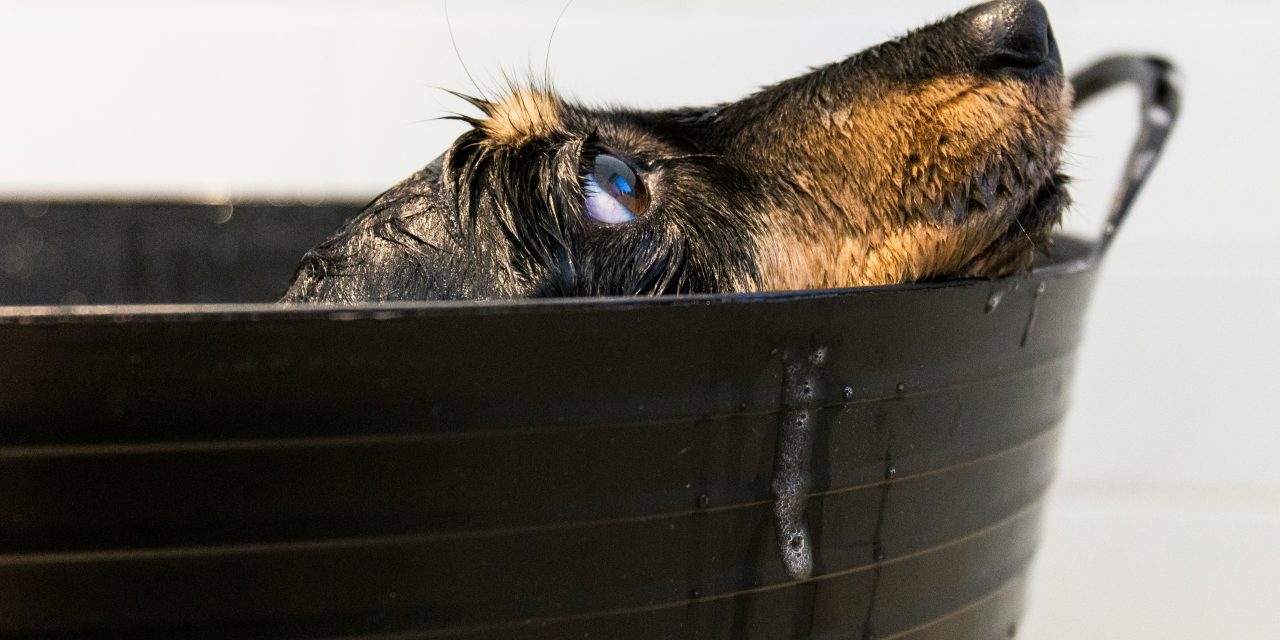
Creating a comfortable bathing environment is essential for a positive experience for both the dog and the owner. Start by selecting a location that is easily accessible and safe for your pet. A bathtub or a designated dog washing station works well, but ensure that the surface is non-slip to prevent accidents. Gather all necessary supplies beforehand, including shampoo, towels, brushes, and a gentle spray nozzle or cup for rinsing.
Consider the temperature of the bathing area as well; it should be warm enough to keep your dog comfortable but not too hot to cause distress. If bathing indoors, ensure proper ventilation to avoid overheating. Additionally, having treats on hand can help reward your dog during the process and create a more enjoyable atmosphere.
Brushing Your Dog Before the Bath

Brushing your dog prior to bathing serves multiple purposes that contribute to overall skin health. First and foremost, it helps remove loose fur, dirt, and debris that may be trapped in the coat. This step is particularly important for long-haired breeds, as mats and tangles can worsen during bathing if not addressed beforehand. Regular brushing also stimulates blood circulation and distributes natural oils throughout the coat, promoting a healthier appearance.
Moreover, brushing allows pet owners to inspect their dog’s skin closely for any signs of irritation or abnormalities such as lumps or rashes. If any issues are detected, it is advisable to consult with a veterinarian before proceeding with the bath. This proactive approach ensures that any underlying conditions are addressed promptly.
Testing Water Temperature for Comfort
Water temperature plays a crucial role in ensuring a pleasant bathing experience for dogs with sensitive skin. Water that is too hot can cause discomfort and exacerbate existing skin issues, while water that is too cold may lead to shivering and anxiety. The ideal temperature for bathing dogs typically ranges between 100°F to 102°F (37°C to 39°C), which closely resembles body temperature.
Before introducing your dog to the water, test it with your wrist or elbow to gauge its warmth. If it feels comfortable to you, it will likely be suitable for your pet as well. Always keep your dog’s comfort in mind throughout the bathing process; if they show signs of distress at any point, consider adjusting the temperature or taking breaks as needed.
Wetting Your Dog’s Coat Gently
When wetting your dog’s coat, it is essential to do so gently to avoid startling them or causing unnecessary stress. Start by using a handheld showerhead or a cup to pour water over their back, gradually working your way down to their legs and belly. Avoid spraying water directly onto their face or ears initially; instead, use a damp cloth to clean these areas later.
Ensure that you are using lukewarm water throughout this process to maintain comfort. Take your time and speak soothingly to your dog to help them relax during this stage. A calm demeanor from the owner can significantly influence how well the dog responds to bathing.
Applying Shampoo Properly and Carefully
Once your dog’s coat is thoroughly wet, it’s time to apply the shampoo specifically designed for sensitive skin. Begin by pouring a small amount of shampoo into your hands and lathering it before applying it to your dog’s coat. Focus on areas that tend to accumulate dirt or odor, such as the underbelly and paws.
Massage the shampoo gently into the coat using circular motions while avoiding sensitive areas like the eyes and ears. This technique not only cleanses but also provides a soothing massage that can help alleviate any discomfort associated with sensitive skin. Be mindful not to use excessive amounts of shampoo; a little goes a long way when dealing with high-quality products.
Avoiding Sensitive Areas Like Eyes and Ears
During the bathing process, it is crucial to avoid getting shampoo or water into sensitive areas such as the eyes and ears. These regions are particularly vulnerable and can easily become irritated if exposed to harsh chemicals or excessive moisture. To protect your dog’s eyes, consider using a damp cloth to wipe their face gently instead of applying shampoo directly.
For ear care, ensure that you do not allow water to enter the ear canal while rinsing your dog’s head. If necessary, use cotton balls to gently block the ears during bathing; however, avoid inserting them deep into the ear canal. After bathing, check your dog’s ears for any signs of moisture or irritation and consult with a veterinarian if any concerns arise.
Thoroughly Rinsing to Remove All Shampoo
Proper rinsing is essential after shampooing to ensure that no residue remains on your dog’s coat. Leftover shampoo can lead to further irritation and discomfort for dogs with sensitive skin. Begin rinsing from the neck downwards using lukewarm water until all traces of shampoo are eliminated.
Pay special attention to areas where shampoo may accumulate, such as under the legs and around the tail. It may take several minutes of rinsing to ensure complete removal; therefore, patience is key during this stage. Once rinsed thoroughly, check your dog’s coat visually and by touch to confirm that no suds remain.
Drying Your Dog Safely and Comfortably
After rinsing, drying your dog properly is crucial for maintaining skin health and comfort. Avoid using high-heat blow dryers as they can cause overheating and discomfort; instead, opt for low-heat settings or air drying methods. Use soft towels to gently pat down your dog’s coat rather than rubbing vigorously, which could irritate sensitive skin.
If your dog enjoys being outdoors and weather permits, consider allowing them some time outside in a safe area while they air dry naturally. However, be cautious of extreme temperatures or direct sunlight exposure during this process.
Post-Bath Skin Care and Monitoring
Post-bath care is an integral part of managing sensitive skin in dogs. After drying your pet thoroughly, monitor their skin closely for any signs of irritation or adverse reactions following bathing. If you notice redness, swelling, or excessive scratching within 24 hours post-bath, consult with a veterinarian promptly.
In addition to monitoring their skin condition, consider implementing a regular skincare routine that includes moisturizing treatments specifically designed for dogs with sensitive skin. Products containing natural ingredients like coconut oil or shea butter can help soothe dryness and maintain hydration levels in the skin.
FAQ Section:
1. What are common signs of sensitive skin in dogs?
– Common signs include itching, redness, flaking skin, hot spots, excessive licking or biting at certain areas, and hair loss.
2. Can food allergies cause sensitive skin?
– Yes, food allergies are one of the leading causes of sensitive skin in dogs; common allergens include beef, chicken, dairy products, wheat, and soy.
3. How often should I bathe my dog with sensitive skin?
– It depends on individual needs; however, most dogs benefit from bathing every 4-6 weeks unless otherwise advised by a veterinarian.
4. Are there specific ingredients I should avoid in shampoos?
– Yes! Avoid shampoos containing sulfates, parabens, artificial fragrances or colors as these can irritate sensitive skin.
5. Can I use human shampoo on my dog?
– No! Human shampoos are formulated differently than canine products and can disrupt the pH balance of a dog’s skin.
6. What should I do if my dog’s sensitive skin worsens after bathing?
– If symptoms worsen post-bath, discontinue use of any new products immediately and consult with your veterinarian for further evaluation.
7. Are there dietary supplements that can help with sensitive skin?
– Yes! Omega-3 fatty acids are known to promote healthy skin and coat; consult with your veterinarian about appropriate supplements.
8. How can I prevent my dog from developing sensitive skin?
– Regular grooming practices combined with a balanced diet free from known allergens can help prevent sensitivity issues from arising.
9. Is it safe to use essential oils on dogs with sensitive skin?
– Some essential oils may be safe when diluted properly; however, always consult with a veterinarian before applying any oils topically.
10. What should I do if my dog has an allergic reaction?
– If you suspect an allergic reaction (e.g., swelling or difficulty breathing), seek immediate veterinary assistance as this may require urgent care.
In summary, understanding how to care for dogs with sensitive skin involves recognizing symptoms early on and implementing appropriate bathing techniques using gentle products tailored for their needs. By preparing adequately before bathing and monitoring their condition afterward, pet owners can significantly improve their dog’s quality of life while minimizing discomfort associated with sensitive skin conditions.
FAQs
What type of shampoo is best for dogs with sensitive skin?
For dogs with sensitive skin, it is best to use a hypoallergenic or oatmeal-based shampoo. These types of shampoos are formulated to be gentle and soothing, helping to alleviate irritation and dryness without stripping the skin of its natural oils.
How often should I bathe my dog with sensitive skin?
Dogs with sensitive skin typically require less frequent bathing to avoid further irritation. It is generally recommended to bathe them every 4 to 6 weeks, but this can vary based on the dog’s activity level and specific skin conditions. Always consult your veterinarian for personalized advice.
What should I do if my dog shows signs of irritation after a bath?
If your dog shows signs of irritation, such as redness, itching, or excessive scratching after a bath, you should rinse them thoroughly to remove any residual shampoo. If the irritation persists, consult your veterinarian for further evaluation and treatment options.
Can I use human shampoo on my dog with sensitive skin?
No, it is not advisable to use human shampoo on dogs, especially those with sensitive skin. Human shampoos can disrupt the pH balance of a dog’s skin, leading to irritation and dryness. Always use a shampoo specifically formulated for dogs.
Are there any home remedies for bathing a dog with sensitive skin?
Yes, some home remedies can help soothe a dog’s sensitive skin during baths. Adding oatmeal to the bathwater or using a diluted solution of apple cider vinegar can provide relief. However, it’s important to consult your veterinarian before trying home remedies to ensure they are safe for your dog.