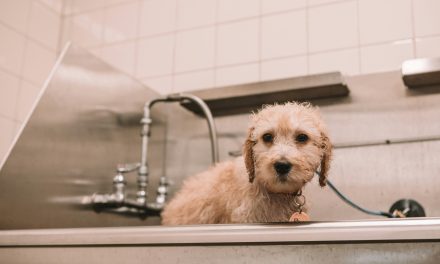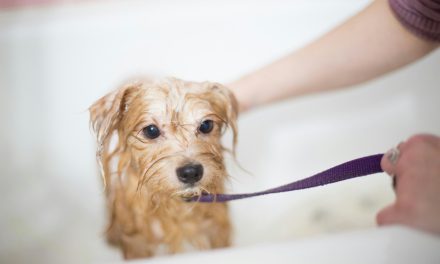
Every pet possesses distinct grooming requirements that are influenced by factors such as breed, coat type, age, and health status. For instance, long-haired breeds like the Afghan Hound or the Shih Tzu necessitate more frequent grooming sessions to prevent matting and tangling. Conversely, short-haired breeds such as Beagles or Boxers may require less intensive grooming but still benefit from regular brushing to remove loose hair and dander. Understanding these unique needs is crucial for maintaining your pet’s overall health and well-being.
Moreover, age plays a significant role in grooming requirements. Puppies and kittens often have softer, finer fur that may require gentler grooming techniques. As pets mature, their coat may change in texture and density, necessitating adjustments in grooming frequency and methods. Additionally, senior pets may have specific health concerns that affect their grooming needs, such as arthritis or skin sensitivities. Recognizing these factors will help pet owners tailor their grooming routines effectively.
Choosing the Right Grooming Tools for Your Pet
Selecting appropriate grooming tools is essential for ensuring a positive grooming experience for both the pet and the owner. The market offers a plethora of grooming tools designed for various coat types and grooming tasks. For instance, slicker brushes are ideal for detangling long-haired breeds, while bristle brushes work well for short-haired pets. Additionally, combs with wide-toothed and fine-toothed options can help address different coat textures.
When it comes to nail trimming, specialized clippers or grinders designed for pets should be utilized to ensure safety and comfort. It is also advisable to have a pair of scissors on hand for trimming fur around sensitive areas such as the eyes and paws. Investing in high-quality grooming tools not only enhances the effectiveness of the grooming process but also minimizes discomfort for your pet.
Establishing a Regular Grooming Schedule
Creating a consistent grooming schedule is vital for maintaining your pet’s hygiene and comfort. The frequency of grooming sessions should be determined by the specific needs of your pet. For example, dogs with long or thick coats may require grooming every 4 to 6 weeks, while short-haired breeds might only need attention every 6 to 8 weeks. Cats generally benefit from weekly brushing to reduce shedding and hairballs.
In addition to regular grooming sessions, it is essential to incorporate daily checks for any signs of skin issues, parasites, or other health concerns. Establishing a routine not only helps keep your pet looking their best but also strengthens the bond between pet and owner through shared experiences.
Bathing Tips: How Often and What Products to Use
Bathing frequency varies significantly among pets based on their lifestyle, coat type, and skin condition. Generally, dogs should be bathed every 1 to 3 months, while cats typically require less frequent bathing due to their self-grooming habits. However, pets that spend considerable time outdoors or have skin conditions may need more regular baths.
When selecting bathing products, it is crucial to choose shampoos specifically formulated for pets. Human shampoos can disrupt the natural pH balance of a pet’s skin, leading to irritation or allergic reactions. Look for hypoallergenic or medicated shampoos if your pet has sensitive skin or specific dermatological issues. Additionally, always rinse thoroughly to remove any residue that could cause skin irritation.
Nail Care: Trimming Techniques and Frequency
Nail care is an often-overlooked aspect of pet grooming that is essential for maintaining overall health. Overgrown nails can lead to discomfort, difficulty walking, and even joint problems over time. For most pets, nail trimming should occur every 3 to 4 weeks; however, this can vary based on activity levels and surfaces they walk on.
When trimming nails, it is important to use the correct technique to avoid cutting into the quick—a sensitive area containing blood vessels and nerves. If you are unsure about how to trim your pet’s nails safely, consider consulting a veterinarian or professional groomer for guidance. Additionally, using positive reinforcement during nail trimming can help create a more pleasant experience for your pet.
Brushing Basics: Preventing Mats and Shedding
Regular brushing is a fundamental component of pet grooming that helps prevent mats and reduces shedding. Different coat types require different brushing techniques; for example, double-coated breeds like Golden Retrievers benefit from an undercoat rake to remove loose fur effectively. Long-haired breeds may require daily brushing to prevent tangles, while short-haired breeds can be brushed weekly.
In addition to preventing mats and reducing shedding, brushing provides an opportunity to check for skin issues or parasites such as fleas and ticks. It also promotes healthy skin by distributing natural oils throughout the coat. Establishing a brushing routine not only keeps your pet looking great but also enhances their overall comfort.
Ear Cleaning: Keeping Infections at Bay
Ear cleaning is an essential aspect of grooming that is often overlooked by pet owners. Pets with floppy ears or those prone to ear infections require regular cleaning to prevent wax buildup and bacterial growth. It is advisable to check your pet’s ears weekly for signs of dirt, wax accumulation, or unusual odors.
When cleaning your pet’s ears, use a veterinarian-recommended ear cleaner and cotton balls or gauze pads. Avoid using cotton swabs, as they can push debris further into the ear canal. If you notice excessive redness, swelling, or discharge during your inspection, consult your veterinarian promptly for further evaluation.
Dental Hygiene: Maintaining Your Pet’s Oral Health
Dental hygiene is crucial for preventing periodontal disease and maintaining overall health in pets. Regular dental care can significantly reduce the risk of tooth decay and gum disease, which can lead to more severe health issues if left untreated. Ideally, pets should have their teeth brushed several times a week using toothpaste formulated specifically for animals.
In addition to brushing, dental chews and toys can help reduce plaque buildup and promote oral health. Regular veterinary dental cleanings are also recommended to ensure thorough cleaning and examination of your pet’s teeth and gums. By prioritizing dental hygiene, pet owners can contribute significantly to their furry companions’ longevity and quality of life.
Identifying Signs of Skin Issues Early
Early detection of skin issues is vital for effective treatment and prevention of more serious conditions. Common signs of skin problems include excessive scratching, redness, swelling, hair loss, or unusual odors emanating from the skin. Regular grooming sessions provide an excellent opportunity to inspect your pet’s skin closely for any abnormalities.
If you notice any concerning symptoms during grooming, it is essential to consult your veterinarian promptly for diagnosis and treatment options. Skin issues can arise from various causes such as allergies, parasites, or infections; therefore, timely intervention is crucial in managing these conditions effectively.
Creating a Calm Grooming Environment
Establishing a calm environment during grooming sessions can significantly enhance the experience for both the pet and owner. Choose a quiet space free from distractions where your pet feels comfortable and secure. Using positive reinforcement techniques such as treats or praise can help alleviate anxiety associated with grooming.
Additionally, consider incorporating calming aids such as pheromone sprays or soothing music designed for pets to create a more relaxed atmosphere. A positive grooming experience fosters trust between you and your pet while making future sessions easier.
When to Seek Professional Grooming Assistance
While many grooming tasks can be performed at home, there are instances when seeking professional assistance is advisable. Pets with severe matting or those requiring specialized cuts may benefit from the expertise of a professional groomer who has experience handling various breeds and coat types.
Additionally, if you are unsure about how to perform specific grooming tasks safely—such as nail trimming or ear cleaning—consulting a professional can provide valuable guidance and reassurance. Regular visits to a groomer can also complement your at-home grooming routine by addressing areas that may require extra attention.
In summary, understanding your pet’s unique grooming needs is essential for maintaining their health and well-being. By choosing appropriate tools, establishing a regular schedule, and incorporating proper bathing techniques along with nail care and dental hygiene practices, you can ensure your furry friend remains comfortable and happy. Regular inspections for skin issues combined with creating a calm environment will enhance the overall grooming experience. When in doubt about specific tasks or if your pet requires specialized care, do not hesitate to seek professional assistance for optimal results.
FAQs
What services does Paws & Purrs Grooming offer?
Paws & Purrs Grooming offers a variety of grooming services for both dogs and cats, including bathing, brushing, nail trimming, ear cleaning, and full grooming packages that may include haircuts and styling tailored to each pet’s breed and coat type.
Are the groomers at Paws & Purrs Grooming certified?
Yes, the groomers at Paws & Purrs Grooming are certified professionals with extensive training in pet grooming techniques, animal handling, and safety protocols to ensure a positive experience for both pets and their owners.
How can I schedule an appointment at Paws & Purrs Grooming?
Appointments at Paws & Purrs Grooming can be scheduled through their website, by phone, or by visiting their location in person. It is recommended to book in advance, especially during peak seasons.
What should I bring for my pet’s grooming appointment?
For your pet’s grooming appointment at Paws & Purrs Grooming, it is advisable to bring any specific grooming products you prefer, a leash or carrier for transport, and any relevant medical information or grooming history that may assist the groomers.
Does Paws & Purrs Grooming offer any special packages or discounts?
Yes, Paws & Purrs Grooming frequently offers special packages and discounts for first-time clients, multi-pet grooming, and seasonal promotions. It is best to check their website or contact them directly for the latest offers.