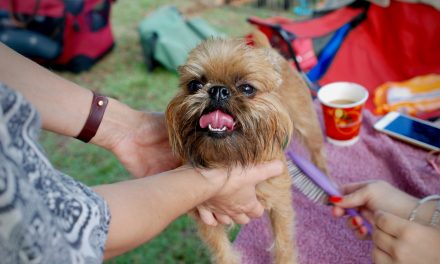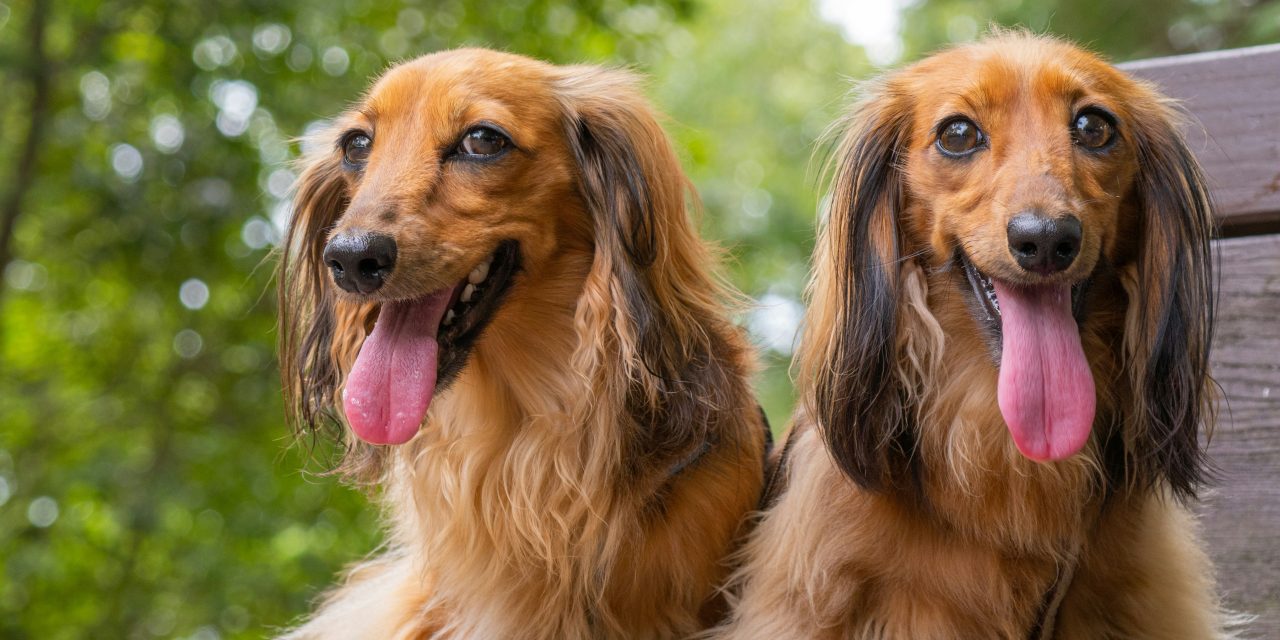
Dog grooming is an essential aspect of pet care that goes beyond mere aesthetics. It plays a crucial role in maintaining the overall health and well-being of our canine companions. Regular grooming helps to prevent matting, reduces shedding, and promotes healthy skin and coat. Moreover, it provides an opportunity for pet owners to inspect their dogs for any signs of skin irritations, parasites, or other health issues that may require veterinary attention. Grooming also fosters a strong bond between the pet and owner, as it involves close physical contact and interaction.
In addition to health benefits, grooming can significantly enhance a dog’s comfort level. Dogs with long or thick coats may experience discomfort due to tangles or mats, which can lead to skin infections or irritations. Regular grooming sessions can alleviate these issues, ensuring that your dog remains comfortable and happy. Furthermore, grooming can help manage allergens in the home by reducing dander and loose fur. Understanding the importance of grooming is vital for any responsible dog owner, as it contributes to the overall quality of life for both the pet and the owner.
What Is a Slicker Brush?
A slicker brush is a specialized grooming tool designed primarily for dogs with long, thick, or curly coats. It features fine, short wires that are closely spaced together, allowing it to penetrate deep into the coat while effectively removing loose hair, dirt, and debris. The design of a slicker brush enables it to detangle knots and mats without causing discomfort to the dog. This makes it an invaluable tool for breeds such as Poodles, Shih Tzus, and Golden Retrievers, which are prone to matting.
The slicker brush is particularly effective at reaching the undercoat, where loose fur often accumulates. By regularly using this brush, pet owners can help prevent matting and reduce shedding significantly. Additionally, slicker brushes often come with ergonomic handles that provide comfort during grooming sessions, making it easier for owners to maintain their dog’s coat without straining their hands or wrists.
What Is a Pin Brush?

A pin brush is another popular grooming tool that features rounded-tipped pins set in a cushioned base. This design allows for gentle brushing of the dog’s coat while effectively removing loose hair and debris. Pin brushes are particularly well-suited for dogs with medium to long hair and are commonly used on breeds such as Collies, Cocker Spaniels, and Maltese. The rounded tips of the pins help prevent skin irritation while providing a soothing massage effect during grooming.
Unlike slicker brushes, pin brushes are less effective at detangling mats but excel at maintaining a dog’s coat by distributing natural oils evenly. This helps to enhance the coat’s shine and overall appearance. Pin brushes are versatile tools that can be used on various coat types, making them a staple in many pet owners’ grooming kits.
Key Differences Between Slicker Brushes and Pin Brushes

While both slicker brushes and pin brushes serve the purpose of grooming dogs, they have distinct differences that make them suitable for different grooming tasks. One of the primary differences lies in their design: slicker brushes have fine wires that are closely spaced, making them ideal for detangling and removing mats from thick or curly coats. In contrast, pin brushes feature rounded pins that are better suited for general brushing and maintaining coat health.
Another significant difference is their intended use. Slicker brushes are particularly effective at reaching the undercoat and removing loose fur, making them essential for breeds prone to matting. On the other hand, pin brushes are more suitable for finishing touches after using a slicker brush or for dogs with less dense coats that require gentle brushing without the risk of irritation.
Types of Dog Coats and Their Grooming Needs
Understanding the various types of dog coats is crucial for selecting the appropriate grooming tools. There are three primary coat types: short-haired, medium-haired, and long-haired. Short-haired breeds like Beagles and Boxers require minimal grooming but benefit from regular brushing to remove loose hair and distribute natural oils. Medium-haired breeds such as Labrador Retrievers may require more frequent brushing to prevent matting and reduce shedding.
Long-haired breeds like Afghan Hounds and Yorkshire Terriers necessitate regular grooming sessions to prevent tangles and mats from forming. These breeds often require both slicker brushes for detangling and pin brushes for finishing touches. Additionally, some dogs have double coats, which consist of a dense undercoat and a longer outer coat. Breeds like Siberian Huskies fall into this category and require specialized grooming techniques to manage both layers effectively.
When to Use a Slicker Brush for Your Dog
Slicker brushes are best utilized during grooming sessions for dogs with long or thick coats that are prone to matting. If your dog has a curly or wavy coat, such as a Poodle or Bichon Frise, using a slicker brush regularly can help prevent tangles from forming. It is advisable to use this brush during shedding seasons when dogs naturally lose more fur.
When using a slicker brush, it is essential to work in sections, starting from the base of the coat and moving outward. This technique ensures that you effectively remove tangles without causing discomfort to your dog. Additionally, if you notice any mats forming during brushing sessions, it is crucial to address them promptly with a slicker brush to prevent further complications.
When to Choose a Pin Brush for Your Dog
Pin brushes are ideal for maintaining the overall health of your dog’s coat between grooming sessions. They are particularly effective for dogs with medium to long hair that do not tend to mat easily. If your dog has a silky coat like that of a Maltese or a Cocker Spaniel, using a pin brush can help distribute natural oils while providing a gentle massage.
Pin brushes can also be used after employing a slicker brush to smooth out any remaining tangles or to fluff up the coat for a polished appearance. It is advisable to use a pin brush on dry fur rather than wet fur, as this helps prevent breakage and damage to the hair strands.
Benefits of Using a Slicker Brush
The benefits of using a slicker brush extend beyond mere aesthetics; they encompass various aspects of canine health and comfort. One significant advantage is its ability to effectively remove mats and tangles from thick or curly coats without causing pain or discomfort to the dog. This proactive approach helps prevent skin irritations that can arise from trapped debris or moisture.
Moreover, slicker brushes promote healthy skin by stimulating blood circulation during brushing sessions. This increased blood flow can enhance overall coat health by encouraging new hair growth and distributing natural oils evenly throughout the fur. Regular use of a slicker brush can also significantly reduce shedding in dogs with dense coats, leading to a cleaner home environment.
Benefits of Using a Pin Brush
Pin brushes offer several advantages that contribute to maintaining your dog’s coat health and appearance. One of the primary benefits is their ability to distribute natural oils throughout the coat effectively. This distribution enhances shine and luster while preventing dryness or brittleness in the hair strands.
Additionally, pin brushes provide a gentle massaging effect on the skin during grooming sessions, promoting relaxation in your dog. This soothing experience can help reduce anxiety associated with grooming while strengthening the bond between pet and owner. Furthermore, pin brushes are versatile tools that can be used on various coat types, making them an excellent addition to any grooming toolkit.
How to Properly Use Each Brush for Best Results
To achieve optimal results when using either a slicker brush or a pin brush, it is essential to follow proper techniques tailored to each tool’s design. When using a slicker brush, begin by ensuring your dog’s coat is dry and free from tangles before starting the grooming session. Work in small sections, starting from the base of the coat and moving outward in gentle strokes. Be cautious around sensitive areas such as the ears and belly; use light pressure to avoid causing discomfort.
For pin brushes, ensure your dog’s coat is clean and dry before brushing. Start at the head and work your way down towards the tail in smooth strokes. Use gentle pressure while brushing to avoid pulling on any tangles or knots. Regularly check for any mats or tangles during brushing sessions; if encountered, address them promptly with a slicker brush before continuing with the pin brush.
Making the Right Choice for Your Dog’s Coat and Comfort
In conclusion, selecting the appropriate grooming tools is vital for maintaining your dog’s coat health and overall comfort. Understanding the differences between slicker brushes and pin brushes allows pet owners to make informed decisions based on their dog’s specific grooming needs. Slicker brushes excel at detangling thick or curly coats while preventing matting; conversely, pin brushes are ideal for maintaining shine and distributing natural oils.
Regular grooming not only enhances your dog’s appearance but also contributes significantly to their well-being by preventing skin irritations and promoting healthy fur growth. By incorporating both types of brushes into your grooming routine, you can ensure that your canine companion remains comfortable, healthy, and looking their best throughout their life.
### FAQ Section
1. **How often should I groom my dog?**
– The frequency of grooming depends on your dog’s coat type: short-haired breeds may require weekly brushing, while long-haired breeds may need daily attention.
2. **Can I use both types of brushes on my dog?**
– Yes! Many pet owners find that using both slicker brushes and pin brushes provides optimal results for their dog’s coat care.
3. **What should I do if my dog has severe matting?**
– If your dog has severe matting, consider consulting a professional groomer who can safely remove mats without causing pain.
4. **Are there any specific techniques for brushing sensitive areas?**
– When brushing sensitive areas like the belly or ears, use light pressure and gentle strokes to avoid causing discomfort.
5. **Can I use human hairbrushes on my dog?**
– It is not recommended; human hairbrushes lack the design features necessary for effective canine grooming.
6. **What should I do if my dog resists brushing?**
– Gradually introduce brushing sessions by rewarding your dog with treats or praise; consider consulting a professional trainer if resistance continues.
7. **Is there any special care needed after grooming?**
– After grooming sessions, check your dog’s skin for irritations or redness; ensure they have access to fresh water and rest comfortably.
8. **Can I groom my dog at home?**
– Yes! With proper tools and techniques, many pet owners successfully groom their dogs at home; however, professional help may be needed for complex tasks.
9. **What should I look for when choosing a brush?**
– Consider your dog’s coat type, size, and sensitivity; choose brushes designed specifically for their needs.
10. **Are there any additional grooming tools I should consider?**
– Other useful tools include combs for finishing touches, nail clippers for paw care, and shampoos formulated specifically for dogs.
In summary, understanding dog grooming’s significance is essential for every pet owner aiming to enhance their canine companion’s health and comfort through proper care techniques tailored to their unique needs.
FAQs
What is a slicker brush used for?
A slicker brush is designed to remove mats, tangles, and loose fur from a dog’s coat. It features fine, short wires close together on a flat surface, making it effective for detangling and smoothing out the fur, especially in long-haired breeds.
What is a pin brush and how does it differ from a slicker brush?
A pin brush has longer, widely spaced pins that are typically rounded at the tips. It is used primarily for brushing out loose hair and for general grooming, making it suitable for dogs with medium to long coats. Unlike slicker brushes, pin brushes are gentler on the skin and are better for maintaining a dog’s coat rather than detangling.
Which brush is better for dogs with thick or curly coats?
Slicker brushes are generally better for dogs with thick or curly coats, as they can penetrate the dense fur and effectively remove mats and tangles. However, a pin brush can also be used in conjunction to help maintain the coat’s overall appearance and health.
Can I use both a slicker brush and a pin brush on my dog?
Yes, using both a slicker brush and a pin brush can be beneficial for your dog. The slicker brush can be used for detangling and removing mats, while the pin brush can help smooth the coat and distribute natural oils, promoting a healthy shine.
How often should I brush my dog with these brushes?
The frequency of brushing depends on your dog’s coat type. For dogs with long or thick coats, it’s recommended to brush at least 2-3 times a week, while short-haired dogs may only need brushing once a week. Regular grooming helps prevent mats and keeps the coat healthy.