Scent games for dogs are an engaging and stimulating way to enhance your canine companion’s mental and physical well-being. These activities leverage a dog’s natural olfactory abilities, which are significantly more advanced than those of humans. Dogs possess approximately 220 million scent receptors, compared to a mere 5 million in humans, allowing them to detect scents at incredibly low concentrations. Engaging in scent games not only provides mental stimulation but also helps to alleviate behavioral issues stemming from boredom or anxiety.
Moreover, scent games can foster a stronger bond between the dog and its owner. As dogs engage in these activities, they learn to trust their handlers and develop a sense of teamwork. This collaborative effort can lead to improved obedience and responsiveness in other training areas. Additionally, scent games can serve as an excellent outlet for energy, particularly for high-energy breeds that require more than just physical exercise to remain balanced and happy.
Choosing the Right Treats to Motivate Your Dog
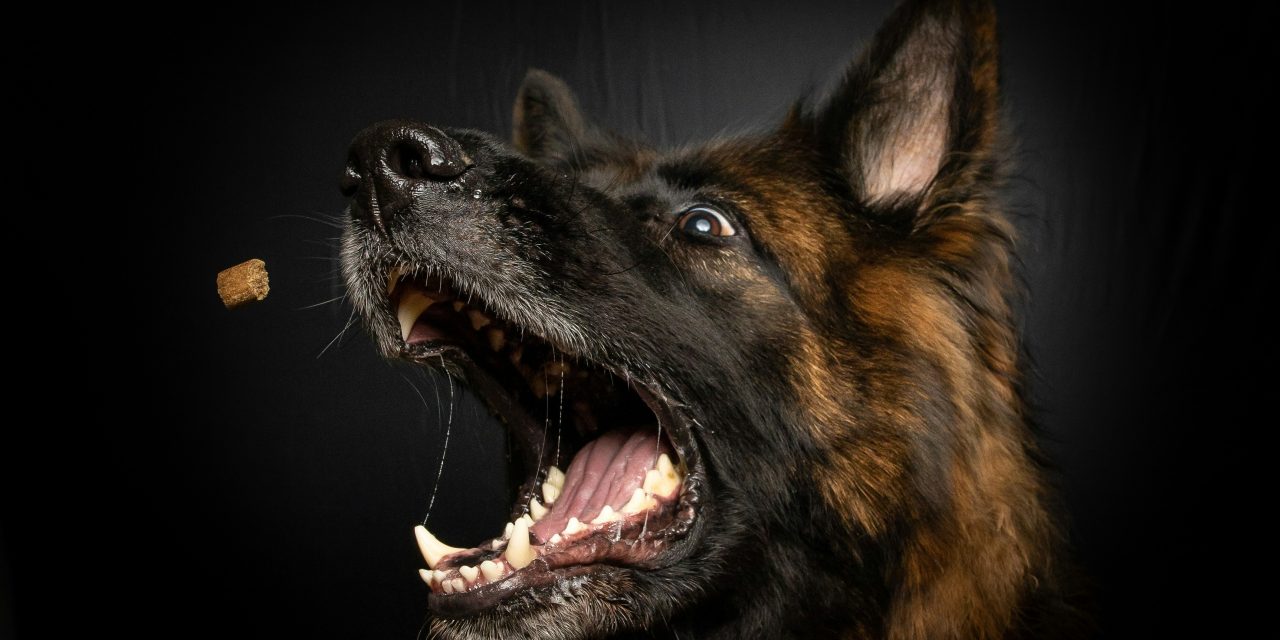
Selecting appropriate treats is crucial for motivating your dog during scent games. The ideal treats should be small, aromatic, and easy to consume. High-value treats, such as freeze-dried liver or cheese, can be particularly effective in capturing your dog’s attention. It’s essential to consider your dog’s dietary restrictions and preferences when choosing treats, as some dogs may have allergies or sensitivities that could hinder their participation in scent activities.
In addition to traditional treats, consider using toys infused with enticing scents or even homemade options that incorporate your dog’s favorite flavors. Experimenting with various treats can help you identify what truly excites your dog, ensuring that they remain engaged throughout the training process. Remember that the goal is to create a positive association with the scent game, so rewarding your dog promptly upon finding a treat will reinforce their motivation.
Introducing Your Dog to the Concept of Scent Detection

Introducing your dog to scent detection should be a gradual process that emphasizes positive reinforcement. Start by allowing your dog to sniff the treat while it is visible, creating an association between the scent and the reward. Use a command such as “find it” or “search” to signal the beginning of the game. This verbal cue will help your dog understand what is expected of them during the activity.
Once your dog is familiar with the concept of searching for treats, you can begin to incorporate more complex elements into the game. For instance, you might hide the treat under a cup or behind a piece of furniture while allowing your dog to observe the placement. This initial exposure will help build their confidence and understanding of how scent detection works, setting the stage for more challenging exercises in the future.
Starting Simple: Hiding Treats in Plain Sight

To ensure a successful introduction to scent games, begin by hiding treats in plain sight. Place them in easily accessible locations where your dog can quickly find them without becoming frustrated. For example, you might place a treat on a low table or within a few feet of where your dog is sitting. This approach allows your dog to experience success early on, reinforcing their motivation to continue participating in the game.
As your dog becomes more adept at locating treats in these straightforward scenarios, you can gradually increase the complexity of the hiding spots. This progression will help maintain their interest and challenge their problem-solving skills without overwhelming them. Remember to celebrate their successes with praise and additional treats, reinforcing their positive behavior and encouraging further exploration.
Gradually Increasing the Difficulty of Hiding Spots
Once your dog has mastered finding treats in plain sight, it’s time to elevate the challenge by gradually increasing the difficulty of hiding spots. Start by placing treats behind furniture or under objects that require your dog to use their nose more effectively. For instance, you might hide a treat beneath a cushion on the couch or behind a potted plant. This step encourages your dog to rely on their sense of smell rather than sight alone.
As your dog becomes more proficient at locating hidden treats, you can introduce even more complex hiding spots. Consider utilizing multiple rooms or outdoor spaces where scents may be layered or mixed with other odors. This added complexity will further enhance your dog’s tracking skills and keep them engaged in the activity. Always monitor their progress and adjust the difficulty level based on their performance to ensure they remain motivated and challenged.
Using Scented Toys to Enhance Your Dog’s Tracking Skills
Incorporating scented toys into your dog’s training regimen can significantly enhance their tracking skills while adding variety to scent games. These toys are designed specifically to engage a dog’s sense of smell and can be infused with various scents that pique their interest. For example, consider using toys that contain natural scents like lavender or anise, which can stimulate your dog’s olfactory senses and encourage them to explore further.
When introducing scented toys, allow your dog to interact with them freely before incorporating them into scent games. This initial exposure will help create a positive association with the toy and its scent. Once your dog is comfortable with the scented toy, you can hide it in various locations during training sessions, encouraging them to use their nose to locate it. This approach not only reinforces their tracking abilities but also provides an enjoyable outlet for play.
Teaching Your Dog to Alert You When They Find a Treat
An essential aspect of scent games is teaching your dog how to alert you when they find a treat or toy. This skill can be developed through consistent training and positive reinforcement. Start by rewarding your dog for any indication they make when they locate a hidden item, whether it’s barking, sitting, or pawing at the spot where they found it.
As your dog becomes more proficient at alerting you, you can introduce specific commands such as “alert” or “show me.” Consistently using these commands during training sessions will help reinforce the behavior you want to encourage. Remember to reward your dog immediately upon successfully alerting you, as this will strengthen their understanding of what is expected during scent games.
Incorporating Commands to Guide Your Dog During the Game
Incorporating verbal commands into scent games can significantly enhance communication between you and your dog during training sessions. Commands such as “search,” “find it,” or “go sniff” can provide clear guidance on what you expect from them during each activity. Consistency is key; using the same commands throughout training will help reinforce their understanding and improve their performance over time.
Additionally, consider using hand signals in conjunction with verbal commands to provide visual cues for your dog. This multi-modal approach can be particularly beneficial for dogs that may respond better to visual stimuli than auditory cues alone. By combining verbal commands with hand signals, you create a comprehensive communication system that enhances your dog’s ability to understand and engage in scent games effectively.
Troubleshooting Common Challenges in Scent Training
While engaging in scent games can be highly rewarding, challenges may arise during training sessions that require troubleshooting. One common issue is a lack of interest from the dog; if they seem disinterested or distracted, consider reevaluating the treats being used or adjusting the difficulty level of hiding spots. Ensuring that rewards are enticing enough will help maintain motivation throughout training.
Another challenge may involve frustration when dogs struggle to locate hidden items. If this occurs, simplify the hiding spots temporarily until they regain confidence in their abilities. Gradually reintroducing more complex challenges will help build their skills without overwhelming them. Patience and consistency are essential components of successful troubleshooting; remember that every dog learns at their own pace.
Keeping Training Sessions Fun and Rewarding
Maintaining an enjoyable atmosphere during training sessions is crucial for fostering a positive learning environment for both you and your dog. Incorporate playtime between training exercises to break up the monotony and keep your dog’s enthusiasm high. Allowing for moments of free play can help reinforce the bond between you and your canine companion while providing an outlet for excess energy.
Additionally, vary the types of scent games you engage in during training sessions to prevent boredom from setting in. Experiment with different hiding spots, scents, and toys to keep things fresh and exciting for your dog. By consistently introducing new elements into training sessions, you’ll ensure that both you and your dog remain engaged and motivated throughout the learning process.
Expanding Scent Games into Everyday Activities and Advanced Searches
Once your dog has mastered basic scent games, consider expanding these activities into everyday life scenarios and advanced searches. For example, you might incorporate scent detection into walks by encouraging your dog to sniff out specific items or scents along the route. This practice not only reinforces their skills but also provides mental stimulation during routine outings.
Advanced searches can involve hiding items in more complex environments such as parks or backyards where various scents may compete for attention. You could also introduce themed searches based on specific scents like food items or toys related to particular activities (e.g., beach toys). By continually challenging your dog’s abilities and incorporating scent games into daily life, you’ll foster a lifelong love for scent detection while enhancing their overall well-being.
In summary, engaging dogs in scent games offers numerous benefits ranging from mental stimulation to improved bonding between pet and owner. By selecting appropriate treats, gradually increasing difficulty levels, incorporating commands, and troubleshooting challenges effectively, owners can create an enriching environment for their canine companions that promotes both fun and learning through scent detection activities.
FAQs
What are scent games for dogs?
Scent games are activities designed to engage a dog’s natural ability to use their sense of smell. These games involve hiding treats or toys and encouraging the dog to find them using their nose, which stimulates their mind and provides physical exercise.
How can I start teaching my dog to find hidden treats?
Begin by showing your dog a treat and allowing them to sniff it. Then, while they watch, hide the treat in an easy-to-find location. Encourage your dog to search for it by using commands like “find it!” and reward them when they successfully locate the treat.
What types of treats work best for scent games?
Soft, smelly treats are often the most effective for scent games, as they are easier for dogs to detect. Examples include small pieces of cheese, hot dogs, or commercial dog treats specifically designed for training. Ensure the treats are small enough for quick consumption to keep the game moving.
How can I increase the difficulty of the scent game?
To make the game more challenging, gradually increase the hiding difficulty by placing treats in less obvious locations or using obstacles. You can also introduce distractions or hide multiple treats at once to encourage your dog to use their nose more effectively.
How often should I practice scent games with my dog?
Practicing scent games a few times a week is ideal. Short, engaging sessions of about 10-15 minutes are recommended to keep your dog interested and prevent boredom. Consistency is key to reinforcing the behavior and enhancing their scent detection skills.