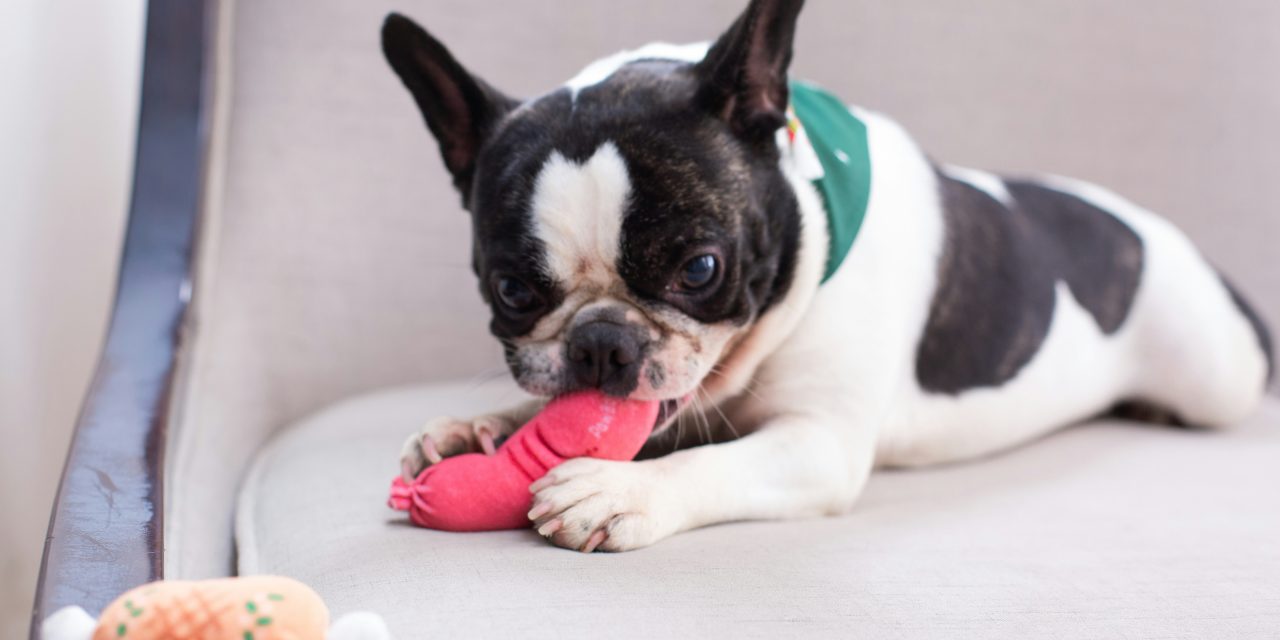
Heavy chewers, often characterized by their relentless gnawing and biting tendencies, require specialized attention when it comes to selecting appropriate chew toys. These pets, typically larger breeds or those with strong jaws, have a natural inclination to chew, which can stem from various factors including boredom, anxiety, or simply an innate desire to explore their environment. Understanding these needs is crucial for pet owners who wish to provide their furry companions with safe and satisfying chewing experiences.
The psychological and physical benefits of chewing cannot be overstated. Chewing serves as a natural outlet for stress relief and can help alleviate anxiety in pets. Moreover, it promotes dental health by reducing plaque buildup and preventing periodontal disease. Therefore, selecting the right chew toys is not merely a matter of preference; it is essential for the overall well-being of heavy chewers. Owners must consider their pet’s chewing habits, preferences, and any underlying behavioral issues that may influence their chewing behavior.
Identifying Durable Materials for Chew Toys
When it comes to chew toys for heavy chewers, durability is paramount. The materials used in the construction of these toys must withstand the relentless gnawing of powerful jaws. Common materials that are known for their durability include rubber, nylon, and certain types of hard plastics. Rubber toys, particularly those made from natural rubber, are often favored due to their resilience and ability to bounce, providing added entertainment for pets.
Nylon toys are another excellent option, as they are designed specifically for aggressive chewers. These toys can withstand significant wear and tear while providing a satisfying texture for chewing. Additionally, some manufacturers produce composite materials that combine various elements to enhance durability while maintaining safety. It is essential for pet owners to assess the quality of materials used in chew toys to ensure they can endure the vigorous chewing habits of heavy chewers.
Avoiding Toxic and Harmful Substances

Safety should always be a top priority when selecting chew toys for pets. Many toys on the market contain harmful substances such as phthalates, BPA (bisphenol A), and lead, which can pose serious health risks if ingested. Pet owners must be vigilant in choosing products that are free from these toxic chemicals. Look for toys that are labeled as non-toxic and made from safe materials.
Additionally, it is advisable to research brands and manufacturers to ensure they adhere to safety standards. Certifications from organizations such as the American Society for Testing and Materials (ASTM) can provide reassurance regarding the safety of chew toys. By prioritizing non-toxic options, pet owners can significantly reduce the risk of adverse health effects associated with harmful substances.
Considering Size and Shape for Safety

The size and shape of chew toys play a critical role in ensuring the safety of heavy chewers. Toys that are too small can pose a choking hazard, while those that are excessively large may be difficult for pets to handle effectively. It is essential to select toys that are appropriately sized for the breed and age of the pet. For instance, larger breeds may require more substantial toys that can withstand their powerful jaws.
Moreover, the shape of the toy can influence how it is used by the pet. Toys designed with unique shapes or textures can engage pets more effectively, encouraging them to chew without risking injury. Rounded edges and soft contours can help prevent accidental injuries to the mouth or gums. By carefully considering size and shape, pet owners can enhance both safety and enjoyment during playtime.
Recognizing Signs of Wear and Tear
Regular inspection of chew toys is vital for maintaining safety and ensuring continued enjoyment for heavy chewers. Over time, even the most durable toys can show signs of wear and tear, which may compromise their integrity. Pet owners should be vigilant in recognizing these signs, which may include fraying edges, cracks, or pieces breaking off.
If a toy begins to show significant wear, it is crucial to replace it promptly to prevent potential choking hazards or ingestion of harmful materials. Establishing a routine for inspecting chew toys can help ensure that pets always have safe options available. Additionally, educating oneself about the lifespan of different materials can aid in making informed decisions regarding when to replace toys.
Evaluating Non-Toxic Dye and Scent Use
Many chew toys are enhanced with colors or scents to make them more appealing to pets. However, it is essential to evaluate the safety of these additives carefully. Non-toxic dyes derived from natural sources are preferable, as synthetic dyes may contain harmful chemicals that could pose health risks if ingested.
Similarly, scents used in chew toys should be scrutinized for safety. Natural scents derived from food-grade ingredients are generally safer than artificial fragrances that may contain harmful compounds. Pet owners should prioritize products that explicitly state they are free from toxic dyes and scents to ensure a safe chewing experience for their pets.
Choosing Toys That Promote Dental Health
Dental health is a significant concern for many pets, particularly heavy chewers who may be prone to plaque buildup and periodontal disease. Selecting chew toys designed specifically to promote dental health can provide dual benefits: satisfying the pet’s chewing instincts while also contributing to oral hygiene.
Toys with textured surfaces or ridges can help clean teeth as pets chew, effectively reducing plaque accumulation. Some products even incorporate dental chews infused with enzymes that actively combat bacteria in the mouth. By choosing dental-friendly options, pet owners can support their furry companions’ oral health while indulging their natural chewing behaviors.
Opting for Interactive and Engaging Designs
Interactive chew toys can significantly enhance the play experience for heavy chewers by providing mental stimulation alongside physical activity. Toys that incorporate puzzles or treat-dispensing features encourage pets to engage with them actively, promoting problem-solving skills while satisfying their chewing instincts.
These interactive designs not only keep pets entertained but also help alleviate boredom-related destructive behaviors. By opting for engaging chew toys, pet owners can create a more enriching environment that caters to their pets’ natural instincts while minimizing potential behavioral issues associated with inactivity.
Reading Reviews and Seeking Recommendations
Before purchasing chew toys for heavy chewers, it is prudent to read reviews and seek recommendations from other pet owners or veterinarians. Online platforms often provide valuable insights into the durability and safety of various products based on real-life experiences.
Additionally, consulting with fellow pet owners who have similar breeds or chewing tendencies can yield helpful suggestions tailored to specific needs. Engaging with online communities or forums dedicated to pet care can also provide access to a wealth of information regarding effective chew toy options.
Consulting Your Veterinarian for Guidance
Veterinarians serve as invaluable resources when it comes to selecting appropriate chew toys for heavy chewers. They possess expertise in animal behavior and health, allowing them to provide tailored recommendations based on individual pet needs.
Consulting a veterinarian can help identify any underlying behavioral issues contributing to excessive chewing or determine if specific dental concerns need addressing through specialized toys. By leveraging professional guidance, pet owners can make informed decisions that prioritize their pets’ health and well-being.
Establishing a Safe Chewing Routine and Supervision
Creating a safe chewing routine involves establishing designated times and spaces for pets to enjoy their chew toys while under supervision. This practice not only ensures safety but also allows pet owners to monitor their pets’ interactions with toys closely.
Supervision is particularly important during initial play sessions with new toys, as it enables owners to assess how well the toy holds up against aggressive chewing behaviors. Additionally, setting boundaries around chewing times can help prevent destructive behaviors associated with boredom or anxiety when left unsupervised.
In summary, understanding the unique needs of heavy chewers is essential for selecting appropriate chew toys that promote safety and well-being. By identifying durable materials, avoiding toxic substances, considering size and shape, recognizing signs of wear and tear, evaluating dye and scent use, choosing dental-friendly options, opting for interactive designs, reading reviews, consulting veterinarians, and establishing safe routines, pet owners can create an enriching environment that caters to their furry companions’ natural instincts while ensuring their health and happiness remain a top priority.
FAQs
What materials are safe for chew toys for heavy chewers?
Safe materials for chew toys include rubber, nylon, and certain types of hard plastic. Look for toys that are specifically labeled as durable and designed for heavy chewers. Avoid toys made from soft materials that can easily break apart or be ingested.
How can I determine if a chew toy is suitable for my dog?
To determine if a chew toy is suitable for your dog, consider their size, chewing habits, and strength. Choose toys that are appropriately sized for your dog and designed for their chewing intensity. Always supervise your dog with new toys to ensure they do not break or pose a choking hazard.
Are there any specific brands known for durable chew toys?
Yes, several brands are known for producing durable chew toys for heavy chewers, including KONG, Nylabone, and Benebone. These brands offer a variety of options designed to withstand aggressive chewing while being safe for dogs.
How often should I replace chew toys for heavy chewers?
Chew toys should be regularly inspected for signs of wear and tear. Replace them when they show significant damage, such as cracks, pieces breaking off, or if your dog can easily bite through them. Generally, it’s a good idea to replace chew toys every few months or sooner if they become unsafe.
What should I avoid when selecting chew toys for heavy chewers?
Avoid chew toys that are made from soft rubber, foam, or any materials that can easily break apart. Additionally, steer clear of toys with small parts that can be swallowed or pose a choking hazard. Always check for safety certifications and read reviews before purchasing.