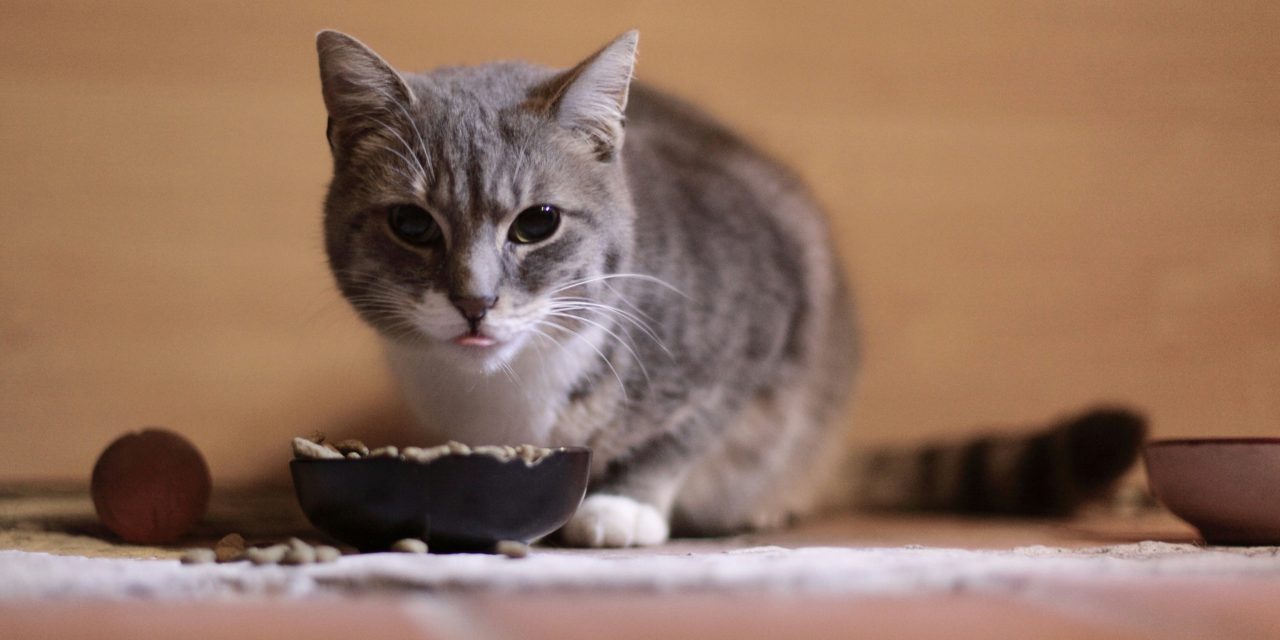
Transitioning your cat to a new diet is a critical process that requires careful consideration and planning. Cats are creatures of habit, and sudden changes in their diet can lead to gastrointestinal disturbances, including vomiting, diarrhea, and loss of appetite. A gradual transition allows your feline friend to adjust to the new food’s taste, texture, and nutritional profile without overwhelming their digestive system. This method not only minimizes the risk of adverse reactions but also helps ensure that your cat receives the necessary nutrients from the new food.
Moreover, a gradual transition can enhance your cat’s acceptance of the new diet. Cats are notoriously finicky eaters, and introducing a new food too quickly may result in rejection. By slowly incorporating the new food into their meals, you can create a more positive experience for your pet. This approach fosters trust and encourages your cat to explore different flavors and textures, ultimately leading to a more balanced diet that meets their health needs.
Signs Your Cat Is Sensitive to Dietary Changes
Recognizing the signs that your cat may be sensitive to dietary changes is essential for ensuring their well-being during the transition process. Common indicators include gastrointestinal upset, such as diarrhea or vomiting, which can occur within hours of introducing a new food. Additionally, you may notice changes in your cat’s behavior, such as increased lethargy or hiding, which can signal discomfort or stress related to dietary changes.
Another sign to watch for is a decrease in appetite or refusal to eat altogether. If your cat suddenly turns away from their food bowl or exhibits signs of distress while eating, it may indicate that they are struggling to adapt to the new diet. Monitoring your cat’s litter box habits is also crucial; any significant changes in stool consistency or frequency can provide valuable insights into how well they are tolerating the new food.
Choosing the Right New Food for Your Cat

Selecting an appropriate new food for your cat is paramount to ensuring a successful transition. When evaluating options, consider factors such as age, weight, activity level, and any specific health concerns your cat may have. For instance, kittens require a diet rich in protein and fat for growth, while senior cats may benefit from lower-calorie options that support joint health.
It’s also essential to choose high-quality commercial cat food that meets the standards set by the Association of American Feed Control Officials (AAFCO). Look for products that list meat as the primary ingredient and avoid those with excessive fillers or artificial additives. Consulting with your veterinarian can provide additional guidance tailored to your cat’s unique nutritional needs and preferences.
Preparing for the Transition: What You’ll Need

Before embarking on the transition journey, it’s crucial to gather all necessary supplies to facilitate a smooth process. Start by acquiring both the current food and the new food you plan to introduce. Ensure that you have measuring cups or a kitchen scale on hand to accurately portion out the food during the transition stages.
Additionally, consider investing in separate feeding bowls for each type of food to prevent cross-contamination and maintain cleanliness. A designated area for feeding can also help create a calm environment conducive to mealtime. Lastly, keep a journal or log to track your cat’s reactions and any changes in behavior or health throughout the transition process.
Step 1: Mixing Small Amounts of New Food with Old Food
The first step in transitioning your cat’s diet involves mixing small amounts of the new food with their current food. Begin by adding approximately 10-25% of the new food to 75-90% of the old food. This initial blend allows your cat to become familiar with the new flavor while still relying on the familiar taste of their current diet.
During this phase, observe your cat’s reaction closely. Look for any signs of distress or discomfort, such as changes in appetite or gastrointestinal upset. If your cat seems to tolerate this mixture well after several days, you can gradually increase the proportion of new food in subsequent meals.
Step 2: Gradually Increasing the Proportion of New Food
Once your cat has adjusted to the initial mixture without any adverse reactions, it’s time to gradually increase the proportion of new food in their diet. Aim for a slow progression over 7-10 days, increasing the amount of new food by 10-25% every few days while decreasing the old food accordingly.
This gradual approach allows your cat’s digestive system to adapt to the new ingredients and reduces the likelihood of gastrointestinal disturbances. Pay attention to any changes in your cat’s behavior or health during this phase; if any issues arise, consider slowing down the transition process or reverting to a previous ratio until they stabilize.
Monitoring Your Cat’s Reaction During the Transition
Monitoring your cat’s reaction throughout the transition is vital for identifying potential issues early on. Keep an eye on their eating habits, litter box usage, and overall demeanor. A healthy appetite and normal stool consistency are good indicators that your cat is adjusting well to the new diet.
If you notice any signs of distress—such as vomiting, diarrhea, or excessive grooming—take note of when these symptoms occur in relation to their meals. This information can help you determine whether specific ingredients in the new food may be causing problems. Regularly consulting with your veterinarian during this period can provide additional support and guidance tailored to your cat’s needs.
How to Handle Common Digestive Upsets
Despite careful planning, some cats may still experience digestive upsets during dietary transitions. If your cat develops diarrhea or vomiting, it’s essential to remain calm and assess the situation. First, ensure that they are adequately hydrated; dehydration can quickly become a serious concern in cats experiencing gastrointestinal distress.
If symptoms persist for more than 24 hours or worsen significantly, consider reverting to their previous diet temporarily until their digestive system stabilizes. Once they have recovered, you may attempt reintroducing the new food at an even slower pace than before. In some cases, it may be beneficial to consult with your veterinarian for recommendations on digestive aids or probiotics that can help support gut health during this transition.
When to Pause or Slow Down the Transition Process
Recognizing when to pause or slow down the transition process is crucial for maintaining your cat’s health and comfort. If you observe any signs of distress—such as persistent vomiting or diarrhea—it’s advisable to halt the introduction of new food immediately. Allow your cat’s digestive system time to recover before attempting another transition.
Additionally, if your cat exhibits significant behavioral changes—such as increased aggression or withdrawal—it may indicate that they are struggling with the dietary change. In such cases, consider reverting to their previous diet until they regain their normal demeanor before attempting another transition at a slower pace.
Tips for Encouraging Your Cat to Eat the New Food
Encouraging your cat to embrace their new diet can sometimes be challenging. To facilitate this process, consider employing various strategies that appeal to their instincts and preferences. One effective method is warming the new food slightly before serving it; this enhances its aroma and makes it more enticing.
Another approach is mixing in small amounts of wet food or broth with the dry kibble to create a more palatable texture and flavor profile. Additionally, try offering the new food at different times of day or in various locations around your home to pique their curiosity and encourage exploration.
Consulting Your Veterinarian for Persistent Issues
If you encounter persistent issues during your cat’s dietary transition despite following recommended guidelines, consulting with your veterinarian is essential. They can conduct a thorough examination and assess whether underlying health conditions may be contributing to your cat’s difficulties with dietary changes.
Your veterinarian may recommend specific dietary formulations tailored to address any health concerns or sensitivities identified during their assessment. They can also provide valuable insights into alternative feeding strategies or supplements that may aid in easing the transition process.
In summary, transitioning your cat’s diet requires careful planning and observation. By understanding the importance of gradual changes and recognizing signs of sensitivity, you can select appropriate foods and prepare effectively for this process. Monitoring your cat’s reactions and addressing any digestive upsets promptly will help ensure a successful transition while maintaining their overall health and well-being. Always consult with a veterinarian if issues persist or if you have concerns about your cat’s dietary needs.
FAQs
What is the best method to transition my cat to a new food?
The best method to transition your cat to a new food is to do it gradually over a period of 7 to 10 days. Start by mixing a small amount of the new food with the old food, gradually increasing the proportion of the new food while decreasing the old food each day. This slow introduction helps your cat’s digestive system adjust to the new ingredients.
How much of the new food should I start with?
Begin with about 25% of the new food mixed with 75% of the old food. Each day, you can increase the new food by 10-25% while decreasing the old food accordingly, depending on how well your cat tolerates the change.
What signs should I look for to know if my cat is having trouble with the new food?
Signs that your cat may be having trouble with the new food include vomiting, diarrhea, excessive gas, or a noticeable change in appetite. If you observe any of these symptoms, it may be necessary to slow down the transition or revert to the old food temporarily.
Can I mix wet and dry food during the transition?
Yes, you can mix wet and dry food during the transition, but it’s important to monitor your cat’s reaction to both types. Some cats may prefer one over the other, and mixing them can help ease the transition as long as both foods are compatible and nutritionally balanced.
What should I do if my cat refuses to eat the new food?
If your cat refuses to eat the new food, try offering it in smaller portions or at different times of the day. You can also try warming the food slightly or mixing in a small amount of a favorite treat to entice them. If they continue to refuse, consider consulting your veterinarian for advice on alternative foods or strategies.