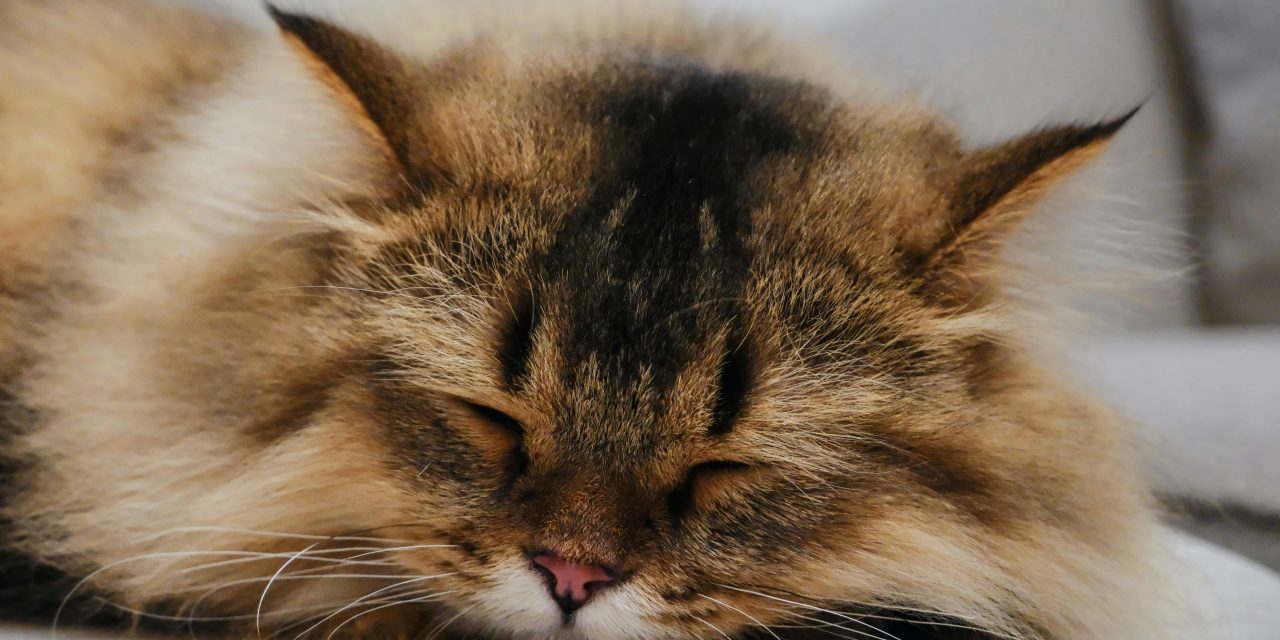
Brushing long-haired cats is not merely a cosmetic endeavor; it is a vital aspect of their overall health and well-being. Long-haired breeds, such as Persians, Maine Coons, and Ragdolls, are particularly susceptible to matting and tangling due to their dense fur. Regular grooming helps to prevent these issues, which can lead to skin irritations, infections, and discomfort for the feline. Moreover, brushing serves as an excellent opportunity for pet owners to bond with their cats, fostering trust and affection.
In addition to preventing matting, brushing plays a crucial role in reducing shedding. Long-haired cats tend to shed more than their short-haired counterparts, and without regular grooming, loose fur can accumulate in the home, leading to allergies and respiratory issues for both cats and humans. Furthermore, brushing stimulates the skin’s natural oils, promoting a healthy coat and reducing the likelihood of dry skin or dandruff. Thus, incorporating a brushing routine into your cat care regimen is essential for maintaining both hygiene and emotional well-being.
Choosing the Right Brush and Tools for Your Cat’s Coat
Selecting the appropriate brush for your long-haired cat is paramount to achieving effective grooming results. Various types of brushes are available, each designed to address specific coat characteristics. For instance, a slicker brush is ideal for removing loose fur and detangling knots, while a wide-toothed comb can help in gently working through mats without causing discomfort. Additionally, a bristle brush can be beneficial for distributing natural oils throughout the coat, enhancing its shine.
In addition to brushes, other grooming tools can enhance the brushing experience. A dematting tool is particularly useful for stubborn mats that resist traditional brushing methods. Cat-safe grooming gloves can also be employed to remove loose hair while providing a comforting touch. It is essential to consider your cat’s unique coat type and individual preferences when selecting grooming tools to ensure a positive experience.
Preparing Your Cat for a Stress-Free Brushing Session

Preparation is key when it comes to ensuring a stress-free brushing session for your long-haired cat. Begin by acclimating your feline friend to the grooming process gradually. Introduce the brush in a non-threatening manner by allowing your cat to sniff it and explore it at their own pace. This initial introduction can help reduce anxiety associated with the grooming process.
Once your cat is comfortable with the brush, establish a routine that includes gentle handling and positive reinforcement. Use treats or praise to create a positive association with grooming sessions. Gradually increase the duration of brushing sessions over time, starting with just a few minutes and extending as your cat becomes more accustomed to the process. This gradual approach will help build trust and reduce any apprehension your cat may have regarding grooming.
Creating a Calm Environment to Reduce Anxiety

The environment in which you groom your long-haired cat plays a significant role in their comfort level during the process. Choose a quiet space free from distractions, loud noises, or sudden movements that could startle your cat. A familiar area, such as their favorite resting spot or a cozy blanket, can help create a sense of security.
Consider using calming aids such as pheromone diffusers or sprays designed specifically for cats. These products can help alleviate anxiety by mimicking natural feline pheromones that promote relaxation. Additionally, playing soft music or using white noise machines can further enhance the calming atmosphere during grooming sessions.
Step-by-Step Guide to Brushing Your Long-Haired Cat
To effectively brush your long-haired cat, follow a systematic approach that ensures thorough grooming while minimizing discomfort. Begin by gently petting your cat to establish trust and comfort before introducing the brush. Start at the head and work your way down the body in sections, using slow and deliberate strokes.
When brushing, always follow the direction of hair growth to avoid pulling on sensitive areas. Use short strokes with light pressure to prevent causing any discomfort or pain. Pay special attention to areas prone to matting, such as behind the ears, under the legs, and around the tail. Regularly check for any knots or tangles that may require additional attention.
Techniques to Gently Detangle Knots and Mats
Encountering knots and mats during grooming is common with long-haired cats; however, it is essential to approach these areas with care to avoid causing pain or distress. Begin by using your fingers to gently separate the fur around the mat without pulling on it. This initial step can help loosen the hair and make it easier to work through.
Once you have loosened the mat, employ a dematting tool or slicker brush specifically designed for this purpose. Start at the outer edges of the mat and work your way inward using gentle strokes. If you encounter resistance, do not force the brush through; instead, return to using your fingers to further loosen the area before attempting again. Patience is key when detangling mats; rushing through this process can lead to injury or discomfort for your cat.
How to Recognize and Handle Sensitive Areas
Long-haired cats may have specific areas that are more sensitive than others during grooming sessions. Common sensitive spots include the belly, underarms, and tail area. It is crucial to recognize these areas and approach them with extra caution. Observe your cat’s body language; if they flinch or pull away when you touch certain spots, take note of their discomfort.
When grooming sensitive areas, use gentle strokes and allow your cat to dictate the pace of the session. If your cat becomes agitated or stressed, take a break and return to that area later when they are more relaxed. Employing treats or soothing words during these moments can help reassure your cat that they are safe and loved.
Tips for Keeping Your Cat Still and Cooperative
Keeping your long-haired cat still during grooming can be challenging; however, several strategies can help facilitate cooperation. First and foremost, ensure that your cat is comfortable by providing a cozy surface or blanket where they feel secure. Additionally, consider using a grooming harness designed specifically for cats if they tend to squirm excessively.
Engaging in interactive play before grooming sessions can also help expend excess energy and promote relaxation during brushing. Incorporating treats or toys as rewards during breaks can further encourage cooperation throughout the process. Remember that patience is essential; if your cat becomes restless or agitated, take breaks as needed rather than forcing them through an entire session.
When to Take Breaks and How to Reward Your Cat
Recognizing when to take breaks during grooming sessions is crucial for maintaining a positive experience for both you and your long-haired cat. If you notice signs of stress or agitation—such as excessive vocalization, attempts to escape, or swatting—it’s time to pause. Allowing your cat time to relax will help prevent negative associations with grooming.
During breaks, offer treats or engage in gentle petting as rewards for their cooperation thus far. Positive reinforcement encourages good behavior and helps build trust between you and your feline companion. Gradually increase the duration of grooming sessions over time while incorporating breaks as needed until your cat becomes more accustomed to the process.
Managing Common Challenges During Brushing
While brushing long-haired cats can be rewarding, it may also present challenges that require effective management strategies. One common issue is excessive shedding; if you notice an increase in loose fur during brushing sessions, consider adjusting your cat’s diet or consulting with a veterinarian about potential underlying health concerns.
Another challenge may arise from mats that are particularly stubborn or difficult to detangle. In such cases, it may be beneficial to seek professional grooming assistance if you feel overwhelmed or unsure about how to proceed safely. Professional groomers possess specialized tools and expertise that can effectively address severe matting without causing harm.
Maintaining a Regular Brushing Routine for Long-Term Success
Establishing a consistent brushing routine is essential for maintaining your long-haired cat’s coat health over time. Aim for at least two to three brushing sessions per week; however, daily grooming may be necessary for particularly prone breeds or those with exceptionally thick fur.
Incorporating brushing into your cat’s daily routine not only promotes coat health but also strengthens the bond between you and your feline companion. Over time, your cat will likely become more accustomed to grooming sessions, making them easier and more enjoyable for both parties involved.
In summary, brushing long-haired cats is an essential practice that promotes their health and well-being while fostering trust between pet owners and their feline companions. By choosing appropriate tools, creating a calm environment, employing gentle techniques, recognizing sensitive areas, and maintaining a regular routine, you can ensure that grooming becomes a positive experience for both you and your beloved pet.
FAQs
What tools are best for brushing a long-haired cat?
The best tools for brushing a long-haired cat include a wide-toothed comb, a slicker brush, and a grooming rake. These tools help to detangle knots, remove loose fur, and prevent matting effectively.
How often should I brush my long-haired cat?
It is recommended to brush a long-haired cat at least 2-3 times a week, but daily brushing is ideal to prevent matting and reduce shedding. Regular grooming also helps to keep their coat healthy and shiny.
What techniques can reduce stress during brushing?
To reduce stress during brushing, start by creating a calm environment, use gentle strokes, and take breaks if your cat shows signs of discomfort. Offering treats and praise can also help make the experience more positive.
How can I tell if my cat is uncomfortable while being brushed?
Signs that your cat may be uncomfortable include twitching tail, flattened ears, growling, or trying to escape. If you notice these behaviors, it’s best to stop brushing and give your cat some space.
What should I do if my cat has mats in their fur?
If your cat has mats in their fur, try to gently work them out with your fingers or a comb. For severe mats, it may be necessary to use a mat splitter or seek professional grooming assistance to avoid hurting your cat.