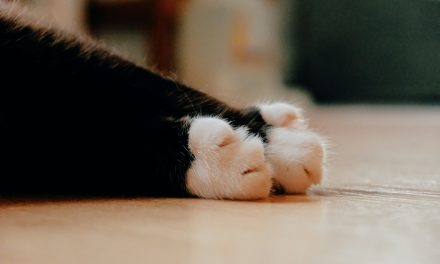
Preparing your feline companion for nail trimming is a crucial step that can significantly influence the overall experience for both you and your pet. Cats are inherently sensitive creatures, and their response to nail trimming can vary widely based on their temperament and past experiences. To ensure a smooth process, it is essential to acclimate your cat to the idea of having their paws handled. Start by gently massaging their paws during playtime or while they are relaxed. This will help them associate paw handling with positive experiences, reducing anxiety during the actual trimming.
Additionally, familiarize your cat with the sound and feel of nail clippers. Allow them to sniff the clippers and observe you using them on other objects, such as cardboard or wood. This exposure can demystify the tool and lessen any apprehension they may have. Gradually introduce the concept of nail trimming by practicing on one paw at a time, ensuring that your cat remains calm and comfortable throughout the process.
Gathering the Right Tools and Supplies
Having the appropriate tools and supplies is paramount for a successful nail trimming session. The primary instrument required is a pair of cat-specific nail clippers, which come in various designs such as guillotine-style or scissor-type. Each type has its advantages; guillotine clippers provide precision, while scissor-type clippers offer more control for larger nails. It is advisable to choose a high-quality pair that suits your comfort level and your cat’s nail size.
In addition to clippers, consider having a nail file or grinder on hand for smoothing any rough edges post-trim. Styptic powder is also essential; this powder can quickly stop bleeding if you accidentally cut into the quick of the nail. Lastly, prepare a cozy blanket or towel to wrap your cat in, which can help keep them secure and calm during the procedure.
Choosing the Best Time and Location

Selecting an optimal time and location for nail trimming can greatly enhance the experience for both you and your cat. Ideally, choose a time when your cat is naturally relaxed, such as after a meal or during their usual napping hours. Avoid times when they are particularly energetic or agitated, as this can lead to resistance and stress.
The location should be quiet and free from distractions. A familiar environment, such as your living room or a designated grooming area, can help your cat feel more at ease. Ensure that the space is well-lit so you can clearly see their nails and avoid any mishaps. By creating a conducive atmosphere, you set the stage for a more successful nail trimming session.
Creating a Calm and Comfortable Environment

Creating a serene environment is essential for minimizing stress during nail trimming. Begin by eliminating any loud noises or sudden movements that could startle your cat. Soft background music or white noise can help mask any disruptive sounds and create a soothing ambiance. Additionally, consider using pheromone diffusers or sprays designed to promote relaxation in cats; these products can help alleviate anxiety.
Comfort is also key; provide a soft surface for your cat to sit on, such as a plush blanket or cushion. If your cat enjoys being in a specific spot, such as their favorite chair or sunny window perch, consider conducting the trimming session there. The familiarity of their surroundings can instill a sense of security, making them more receptive to the process.
Understanding Your Cat’s Nail Anatomy
To effectively trim your cat’s nails, it is vital to understand their anatomy. A cat’s nail consists of several parts: the hard outer shell known as the claw, the inner quick containing blood vessels and nerves, and the surrounding nail bed. The quick is typically pink in color and extends from the base of the nail toward the tip; it is crucial to avoid cutting into this sensitive area during trimming.
Recognizing the difference between the quick and the claw is essential for safe trimming. In lighter-colored nails, the quick is easily visible; however, in darker nails, it may be more challenging to discern. Familiarizing yourself with this anatomy will enable you to make informed decisions during the trimming process, ensuring both safety and comfort for your feline friend.
Techniques to Gently Restrain Your Cat
Gently restraining your cat during nail trimming is necessary to prevent sudden movements that could lead to injury for both you and your pet. One effective technique involves wrapping your cat in a towel, leaving only one paw exposed at a time. This method not only restricts their movement but also provides a sense of security, as they feel snug and secure.
Alternatively, you can use a grooming bag designed specifically for cats. These bags allow you to safely secure your pet while providing easy access to their paws for trimming. Always approach restraint with care; avoid applying excessive pressure that could cause discomfort or panic. The goal is to create a safe environment where your cat feels secure enough to cooperate.
Step-by-Step Guide to Trimming Cat Nails
Once you have prepared adequately, it’s time to proceed with the actual nail trimming process. Begin by gently holding your cat’s paw and pressing lightly on the pad to extend the claw. This will give you clear visibility of the nail structure and allow you to assess where to cut. Position your clippers at a 45-degree angle to ensure a clean cut.
Start with just one nail at a time, making sure to avoid cutting too close to the quick. If you are uncertain about where to cut, it’s better to err on the side of caution and trim less rather than risk cutting into the quick. After successfully trimming one nail, offer praise or treats before moving on to the next one; this positive reinforcement will encourage cooperation throughout the process.
How to Avoid Cutting the Quick
Avoiding cutting into the quick is one of the most critical aspects of nail trimming. To minimize this risk, familiarize yourself with how far back you can safely trim based on your cat’s nail color. For lighter nails, you can see the quick clearly; trim just before it begins. For darker nails, trim small amounts gradually until you see a change in texture or color indicating proximity to the quick.
Using specialized clippers designed for cats can also help reduce the likelihood of cutting too deeply. These clippers often have safety features that prevent over-cutting. Additionally, consider using a flashlight or magnifying glass if necessary; these tools can provide better visibility of the quick during trimming sessions.
What to Do if You Accidentally Cut the Quick
Accidentally cutting into the quick can be distressing for both you and your cat; however, knowing how to respond can mitigate any complications. If bleeding occurs, remain calm and reassure your pet with gentle words and soothing strokes. Apply styptic powder directly onto the bleeding area; this powder contains agents that constrict blood vessels and promote clotting.
If styptic powder is unavailable, cornstarch can serve as an alternative until you can obtain proper supplies. Apply pressure gently with a clean cloth or gauze until bleeding stops—this usually takes only a few minutes. If bleeding persists beyond 10 minutes or if you notice signs of infection such as swelling or discharge, consult your veterinarian for further evaluation.
Rewarding Your Cat After Nail Trimming
Post-trimming rewards are essential for reinforcing positive behavior during nail care sessions. After successfully completing the task, offer treats that your cat enjoys; this could include small pieces of cooked chicken or commercial cat treats specifically designed for rewarding good behavior. Positive reinforcement helps create an association between nail trimming and pleasant experiences.
Additionally, spend some quality time engaging in play or cuddling after trimming sessions; this reinforces trust and affection between you and your pet. Over time, these rewards will help reduce anxiety associated with future nail trims, making subsequent sessions easier for both parties involved.
Tips for Making Future Nail Trimmings Easier
To ensure that future nail trimming sessions are less stressful, consider implementing regular grooming routines into your cat’s schedule. Aim for bi-weekly trims; this frequency helps keep nails manageable while reducing anxiety associated with longer nails that require more extensive trimming.
Incorporate positive reinforcement consistently; reward your cat not only after trimming but also during practice sessions where they simply allow you to handle their paws without cutting their nails. Gradually desensitize them by introducing clippers during playtime without any intention of trimming; this will help normalize their presence in your home.
Additionally, consider enlisting professional help if needed; groomers or veterinarians can provide assistance if you find it challenging to trim your cat’s nails safely at home. Their expertise can also offer valuable insights into techniques tailored specifically for your pet’s temperament.
In summary, preparing for nail trimming involves understanding both your cat’s needs and anatomy while employing effective techniques for restraint and cutting. By gathering appropriate tools, creating a calm environment, and rewarding positive behavior, you can transform what may seem like a daunting task into an enjoyable bonding experience with your feline companion. Regular practice will not only keep their nails healthy but also strengthen your relationship over time.
FAQs
What tools do I need to trim my cat’s nails at home?
To trim your cat’s nails at home, you will need a pair of cat nail clippers or human nail clippers, a nail file for smoothing edges, and possibly some treats to reward your cat. Additionally, having a towel or blanket can help keep your cat calm and secure during the process.
How can I prepare my cat for nail trimming?
To prepare your cat for nail trimming, start by getting them used to having their paws handled. Gently massage their paws and press on their pads to expose the nails. You can also associate nail trimming with positive experiences by offering treats and praise. Gradually introduce the clippers without actually trimming at first to help them acclimate.
What is the best time to trim my cat’s nails?
The best time to trim your cat’s nails is when they are relaxed, such as after a meal or playtime. Cats are often more calm and less likely to resist when they are tired or sleepy. Choose a quiet environment to minimize distractions and stress.
How do I know where to cut the nail?
When trimming your cat’s nails, look for the pink area called the “quick,” which contains blood vessels and nerves. Avoid cutting into the quick, as it can cause pain and bleeding. Trim only the sharp tip of the nail, staying clear of the quick. If your cat has dark nails, trim small amounts at a time to avoid cutting too deep.
What should I do if my cat resists nail trimming?
If your cat resists nail trimming, try to remain calm and patient. Take breaks if necessary and avoid forcing the process. You can also try wrapping your cat in a towel to restrict movement or using a gentle restraint technique. If your cat continues to struggle, consider seeking help from a veterinarian or a professional groomer.