Hairballs, medically known as trichobezoars, are a common phenomenon in felines, characterized by the accumulation of ingested hair that forms a dense mass within the gastrointestinal tract. These formations occur when cats groom themselves, ingesting loose fur that can become compacted in the stomach or intestines. While hairballs are a natural occurrence, they can lead to discomfort and digestive issues if not managed properly.
The structure of a hairball is typically cylindrical or elongated, resembling a small, firm mass. They can vary in size, ranging from a few millimeters to several centimeters in diameter. The presence of hairballs is particularly prevalent in long-haired breeds, such as Persians and Maine Coons, due to their propensity for shedding and grooming. Understanding the nature of hairballs is crucial for cat owners, as it allows for better management and prevention strategies.
Common Causes of Hairballs in Cats
Several factors contribute to the formation of hairballs in cats. One primary cause is excessive grooming, which can be triggered by stress, boredom, or skin irritations. Cats are meticulous groomers, and when they groom excessively, they ingest more hair than usual. Additionally, seasonal shedding can exacerbate this issue, as cats lose their undercoat during warmer months, leading to increased hair ingestion.
Another significant factor is the cat’s diet. Low-quality cat food that lacks adequate fiber can hinder proper digestion and exacerbate hairball formation. Cats that consume dry kibble without sufficient moisture may also experience more frequent hairballs due to the lack of hydration in their diet. Furthermore, certain medical conditions, such as allergies or gastrointestinal disorders, can lead to increased grooming behavior and subsequent hairball formation.
How Cats Groom Themselves and Why Hairballs Form

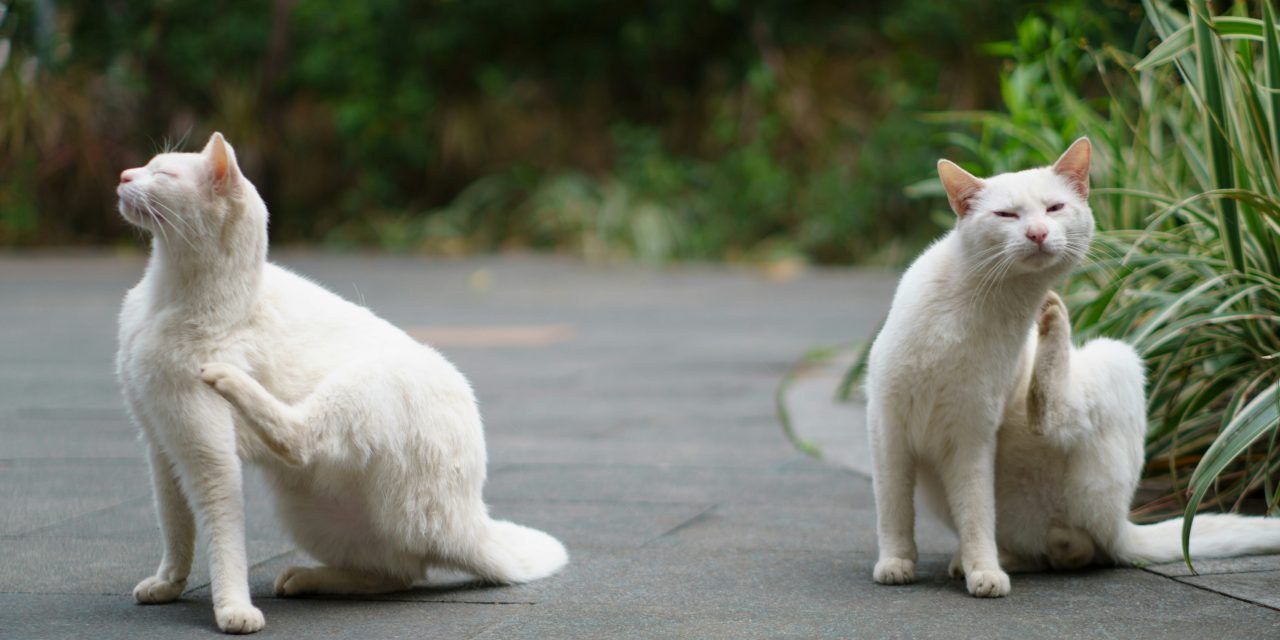
Cats possess a unique grooming mechanism that involves their specialized tongues, which are covered in tiny, hook-like structures called papillae. These papillae help cats remove loose fur and debris from their coats effectively. While grooming is essential for maintaining hygiene and regulating body temperature, it also leads to the ingestion of hair.
As cats groom themselves, they swallow loose hairs that can accumulate in the stomach over time. When the ingested hair cannot pass through the digestive tract, it forms a hairball. The process of hairball formation is exacerbated by factors such as shedding cycles and grooming habits. Long-haired breeds are particularly susceptible due to their dense fur coats, which require more frequent grooming and result in higher hair ingestion.
Signs Your Cat Is Struggling with Hairballs

Recognizing the signs that your cat is struggling with hairballs is essential for timely intervention. Common indicators include frequent retching or gagging without producing a hairball, which may suggest that the mass is lodged in the gastrointestinal tract. Additionally, you may observe your cat exhibiting signs of discomfort, such as lethargy or decreased appetite.
Other symptoms may include coughing or hacking sounds that resemble a cat trying to cough up a furball but failing to do so. In some cases, you may notice changes in your cat’s litter box habits, such as constipation or diarrhea, which can indicate gastrointestinal distress related to hairball formation. Monitoring these signs closely can help you determine when it is necessary to seek veterinary advice.
When Hairballs Become a Health Concern
While occasional hairballs are generally not a cause for alarm, they can become a significant health concern if they lead to gastrointestinal blockages or other complications. If a cat is unable to expel a hairball after repeated attempts or exhibits severe signs of distress, such as vomiting multiple times or showing signs of pain, immediate veterinary attention is warranted.
Chronic hairball issues can also indicate underlying health problems, such as inflammatory bowel disease or hyperthyroidism. These conditions may lead to increased grooming behavior or changes in digestion that exacerbate hairball formation. Regular veterinary check-ups are essential for identifying any underlying health issues that may contribute to excessive hairball formation.
Dietary Factors That Influence Hairball Formation
Diet plays a crucial role in managing hairball formation in cats. A high-fiber diet can help facilitate the passage of ingested hair through the digestive tract. Fiber aids in promoting healthy bowel movements and reducing the likelihood of hairballs becoming lodged within the intestines. Foods specifically formulated for hairball control often contain increased fiber content and beneficial ingredients such as beet pulp or psyllium.
Additionally, ensuring that your cat has access to fresh water is vital for maintaining hydration and promoting healthy digestion. Cats that consume dry kibble should be encouraged to drink more water or provided with wet food options to enhance moisture intake. A balanced diet rich in essential nutrients will support overall health and reduce the risk of excessive grooming behaviors associated with dietary deficiencies.
Effective Grooming Techniques to Reduce Hairballs
Implementing effective grooming techniques can significantly reduce the incidence of hairballs in cats. Regular brushing is one of the most effective methods for minimizing loose fur and preventing excessive ingestion during grooming sessions. Long-haired breeds may require daily brushing, while short-haired cats may benefit from weekly grooming sessions.
Using specialized grooming tools such as slicker brushes or de-shedding tools can help remove loose hairs effectively while also stimulating the skin and promoting healthy coat growth. Additionally, introducing your cat to grooming at an early age can help them become accustomed to the process and reduce stress during grooming sessions.
Recommended Hairball Prevention Products
Several products are available on the market specifically designed to aid in hairball prevention and management. Hairball control cat foods often contain higher fiber levels and ingredients that promote healthy digestion. Brands such as Hill’s Science Diet and Royal Canin offer specialized formulas tailored for hairball control.
In addition to dietary options, there are also supplements available that contain natural ingredients like omega fatty acids and fiber sources that support healthy skin and coat while reducing shedding. Hairball gels or pastes containing lubricants can also help facilitate the passage of hair through the digestive tract.
Environmental Changes to Help Minimize Hairballs
Creating an environment conducive to minimizing hairballs involves addressing factors that contribute to excessive grooming or stress in cats. Providing enrichment activities such as interactive toys or scratching posts can help alleviate boredom and reduce stress-related grooming behaviors.
Maintaining a clean living space by regularly vacuuming and removing loose fur from furniture can also minimize the amount of hair your cat ingests during grooming sessions. Additionally, ensuring that your cat has access to comfortable resting areas can promote relaxation and reduce anxiety-related grooming behaviors.
When to See a Veterinarian About Hairballs
It is essential for cat owners to recognize when it is necessary to seek veterinary care regarding hairballs. If your cat exhibits persistent vomiting or retching without producing a hairball, it may indicate an obstruction requiring immediate attention. Other concerning signs include lethargy, loss of appetite, or changes in litter box habits.
If your cat has frequent hairball issues despite implementing preventive measures, consulting with a veterinarian can help identify any underlying health conditions contributing to excessive grooming or digestive problems.
Long-Term Strategies for Managing Hairball Issues in Cats
Managing hairball issues in cats requires a multifaceted approach that includes dietary adjustments, regular grooming practices, and environmental enrichment. Establishing a routine for brushing your cat will help minimize loose fur while promoting bonding between you and your pet.
Incorporating high-fiber foods into your cat’s diet will support healthy digestion and reduce the likelihood of hairball formation over time. Additionally, monitoring your cat’s overall health through regular veterinary check-ups will ensure any underlying issues are addressed promptly.
In summary, understanding the nature of hairballs in cats is crucial for effective management and prevention strategies. By recognizing common causes and implementing dietary changes alongside effective grooming techniques, cat owners can significantly reduce the incidence of hairballs while promoting their feline companions’ overall health and well-being.
FAQs
What causes cats to get hairballs?
Cats get hairballs primarily due to their grooming habits. As they lick their fur, they ingest loose hair, which can accumulate in their stomach and form a hairball. Factors such as shedding, long fur, and certain health conditions can increase the likelihood of hairball formation.
Are hairballs normal for cats?
Yes, hairballs are a common occurrence in cats, especially those with long hair or those that groom themselves frequently. However, while occasional hairballs are normal, excessive hairballs can indicate underlying health issues that may require veterinary attention.
What are the warning signs that my cat may have a hairball problem?
Warning signs of a hairball problem include frequent vomiting, especially if the cat is retching without producing a hairball, lethargy, loss of appetite, or signs of discomfort. If these symptoms persist, it is advisable to consult a veterinarian.
How can I prevent my cat from getting hairballs?
To prevent hairballs, regular grooming is essential, especially for long-haired breeds. Additionally, providing a high-fiber diet can help facilitate the passage of hair through the digestive system. Keeping your cat hydrated and using hairball prevention products can also be beneficial.
When should I see a vet about my cat’s hairballs?
If your cat is experiencing frequent hairballs, vomiting, or any other concerning symptoms, it is important to consult a veterinarian. A vet can help determine if there are underlying health issues and recommend appropriate treatments or dietary changes.