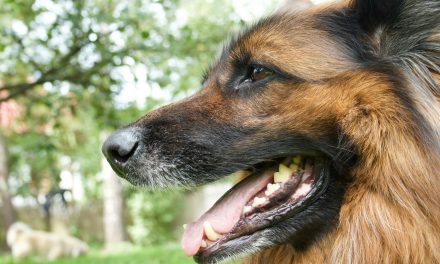
Regular flea and tick checks are paramount for maintaining the health and well-being of your canine companion. These ectoparasites not only cause discomfort but can also transmit serious diseases that pose significant health risks. Fleas can lead to conditions such as flea allergy dermatitis, anemia, and tapeworm infestations, while ticks are notorious for transmitting Lyme disease, Rocky Mountain spotted fever, and other tick-borne illnesses. The Centers for Disease Control and Prevention (CDC) emphasizes that early detection and management of these parasites can prevent severe health complications.
Moreover, the prevalence of fleas and ticks varies by geographic location and season, making it essential for pet owners to remain vigilant throughout the year. Regular inspections can help identify infestations before they escalate, allowing for timely intervention. By incorporating flea and tick checks into your routine, you not only safeguard your dog’s health but also contribute to a healthier environment for your family and community.
Gathering the Necessary Tools and Supplies
Before embarking on a thorough inspection of your dog, it is crucial to gather the appropriate tools and supplies to facilitate an effective examination. Essential items include a fine-toothed comb specifically designed for flea removal, a pair of tweezers for tick extraction, a flashlight to illuminate hard-to-see areas, and a magnifying glass to help identify small parasites. Additionally, having a bowl of soapy water nearby can assist in drowning any fleas that are combed out during the inspection.
It is also advisable to have a first aid kit on hand in case of any injuries sustained during the examination process. This kit should include antiseptic wipes, bandages, and any necessary medications prescribed by your veterinarian. By preparing adequately with the right tools, you can ensure a comprehensive inspection that prioritizes your dog’s comfort and safety.
Choosing the Right Location and Lighting for Inspection

Selecting an appropriate location for conducting flea and tick checks is vital for ensuring a thorough examination. A quiet, well-lit area is ideal, as it minimizes distractions and allows you to focus on inspecting your dog. Natural light is preferable; however, if that is not available, ensure that the space is well-lit with artificial lighting to illuminate all areas of your dog’s body effectively.
Consider using a flat surface such as a table or grooming station where your dog can comfortably stand or lie down. This position allows for easier access to all parts of their body while providing stability during the inspection process. Additionally, having a non-slip mat can help prevent any accidental slips or falls, ensuring a safe environment for both you and your pet.
Preparing Your Dog for a Comfortable Examination

Before initiating the inspection process, it is essential to prepare your dog to ensure they feel comfortable and relaxed. Begin by creating a calm atmosphere; speak softly to your pet and offer gentle reassurance. If your dog is anxious or fidgety, consider using treats or toys to create positive associations with the examination process.
Additionally, it may be beneficial to familiarize your dog with the tools you will be using during the inspection. Allow them to sniff the comb or tweezers before starting the examination. This approach can help alleviate any apprehension they may have about unfamiliar objects. By prioritizing your dog’s comfort, you can facilitate a more effective inspection while strengthening the bond between you and your furry friend.
Inspecting the Head and Neck Area Thoroughly
The head and neck area is often where fleas and ticks first establish themselves due to their proximity to the ground and vegetation. Begin your inspection by gently parting the fur around your dog’s ears and neck, using your fingers or a comb to ensure thorough coverage. Pay close attention to areas where fleas tend to hide, such as behind the ears and under the chin.
While inspecting this region, look for signs of irritation or inflammation that may indicate an allergic reaction to flea bites. Redness, excessive scratching, or hair loss can all be indicators of flea infestations or other dermatological issues. If you notice any concerning symptoms during your examination, it is advisable to consult with your veterinarian for further evaluation and treatment options.
Checking the Ears and Around the Eyes
The ears and around the eyes are critical areas that require careful inspection during flea and tick checks. Ticks often attach themselves in these regions due to their sheltered nature. Gently lift your dog’s ears and examine both the inner ear flaps and the surrounding skin for any signs of ticks or fleas.
In addition to checking for parasites, observe for any signs of ear infections or excessive wax buildup, which may indicate underlying health issues. Similarly, inspect around the eyes for any discharge or irritation that could suggest allergies or infections. If you identify any abnormalities in these areas, prompt veterinary attention is recommended to address potential health concerns effectively.
Examining the Body, Including the Back and Sides
Once you have thoroughly inspected the head and neck area, shift your focus to examining your dog’s body, particularly along their back and sides. Use a fine-toothed comb to part the fur systematically while checking for fleas or ticks nestled within their coat. Pay special attention to areas where fur is thicker or matted, as these regions can harbor parasites more easily.
While inspecting this area, be vigilant for signs of flea dirt—tiny black specks that resemble pepper—which are indicative of flea presence. Additionally, monitor for any skin irritations or unusual lumps that may warrant further investigation by a veterinarian. A comprehensive examination of your dog’s body is crucial in identifying potential infestations early on.
Inspecting the Legs, Paws, and Between the Toes
The legs and paws are often overlooked during flea and tick inspections but are equally important areas to examine thoroughly. Begin by inspecting each leg individually, checking for any signs of ticks attached to the skin or fleas hiding within the fur. Pay particular attention to the areas between your dog’s toes, as ticks can easily latch onto these regions while they are walking through tall grass or wooded areas.
Use your fingers to gently separate the fur on each paw while looking for any signs of irritation or inflammation that may indicate an allergic reaction or infection. If you notice any unusual swelling or redness between the toes, consult with your veterinarian promptly for further evaluation. A meticulous examination of these areas can help prevent potential infestations from escalating into more serious health issues.
Identifying Common Signs of Fleas and Ticks
Recognizing common signs of fleas and ticks is essential in determining whether your dog requires treatment. Fleas often manifest through excessive scratching, biting at their skin, or restlessness due to discomfort caused by bites. You may also observe small red bumps on their skin or patches of hair loss resulting from constant scratching.
Ticks present differently; they may be visible as small dark spots attached to your dog’s skin. In some cases, ticks can engorge themselves with blood, causing them to swell significantly in size. Other symptoms associated with tick-borne diseases include lethargy, fever, joint pain, and loss of appetite. If you observe any of these signs in conjunction with finding fleas or ticks during inspections, it is crucial to seek veterinary care immediately.
Safely Removing Fleas and Ticks if Found
If you discover fleas or ticks during your inspection, it is imperative to remove them safely to minimize potential health risks for your dog. For fleas, use a fine-toothed comb dipped in soapy water to trap them effectively. After combing through your dog’s fur, dispose of any trapped fleas in the soapy solution.
When removing ticks, utilize a pair of fine-tipped tweezers to grasp the tick as close to your dog’s skin as possible without pinching them. Pull upward with steady pressure without twisting or jerking; this technique helps ensure that the entire tick is removed without leaving parts embedded in your dog’s skin. After removal, clean the bite area with antiseptic solution and monitor it for signs of infection over the following days.
Preventative Measures to Protect Your Dog from Future Infestations
Preventing future flea and tick infestations requires a multifaceted approach that includes both environmental management and proactive treatments. Regularly bathing your dog with veterinarian-approved shampoos can help eliminate existing parasites while keeping their coat clean and healthy. Additionally, consider using topical treatments or oral medications prescribed by your veterinarian that provide long-lasting protection against fleas and ticks.
Maintaining a clean living environment is equally important; vacuuming carpets, rugs, and furniture regularly can help eliminate flea eggs and larvae from your home. Washing bedding in hot water will also aid in reducing potential infestations within your living space. Furthermore, consider treating your yard with pet-safe insecticides designed specifically for flea and tick control.
In conclusion, regular flea and tick checks are essential for safeguarding your dog’s health against these harmful parasites. By gathering necessary tools, choosing appropriate locations for inspections, preparing your dog comfortably, thoroughly examining all body areas, identifying signs of infestations promptly, safely removing parasites when found, and implementing preventative measures effectively—pet owners can significantly reduce their dog’s risk of suffering from flea- or tick-related health issues.
FAQ Section:
1. How often should I check my dog for fleas and ticks?
– It is recommended to conduct checks at least once a week during peak flea and tick seasons (spring through fall) but more frequently if you live in high-risk areas.
2. What are some signs my dog may have fleas?
– Signs include excessive scratching or biting at their skin, hair loss in patches, flea dirt (black specks), or restlessness.
3. How do I know if my dog has ticks?
– Ticks may be visible as small dark spots on your dog’s skin; symptoms like lethargy or fever may also indicate tick-borne diseases.
4. Can I use human products on my dog for flea control?
– No! Many human products are toxic to dogs; always use veterinarian-approved treatments specifically designed for pets.
5. What should I do if I find a tick on my dog?
– Use fine-tipped tweezers to remove it carefully; grasp it close to the skin without twisting or jerking.
6. Are there natural remedies for preventing fleas and ticks?
– Some natural options include diatomaceous earth or essential oils like lavender; however, consult with a veterinarian before use.
7. How can I treat my home if I find fleas?
– Vacuum thoroughly and wash bedding in hot water; consider using pet-safe insecticides designed specifically for indoor use.
8. What are some effective oral medications for flea prevention?
– Popular options include NexGard (afoxolaner) or Bravecto (fluralaner), which provide long-lasting protection against fleas and ticks.
9. Can fleas affect humans?
– Yes! Fleas can bite humans causing itchy welts; they can also transmit diseases indirectly through pets.
10. Should I consult my veterinarian if I find fleas or ticks?
– Yes! If you find either parasite on your dog or notice concerning symptoms, consult with your veterinarian for appropriate treatment options.
In summary, regular inspections for fleas and ticks are crucial in maintaining canine health by preventing infestations that could lead to serious medical conditions. By employing thorough examination techniques combined with preventative measures such as topical treatments and environmental management strategies—pet owners can ensure their furry companions remain healthy and happy throughout their lives.
FAQs
How can I tell if my dog has fleas or ticks?
Common signs that your dog may have fleas include excessive scratching, biting at their skin, hair loss, and the presence of flea dirt (small black specks) in their fur. Ticks can be identified by their small, round bodies that attach to the skin, often found in areas like the ears, neck, and between toes. Regularly inspecting your dog’s skin and coat can help you spot these pests early.
What areas should I check when inspecting my dog for fleas and ticks?
When checking your dog for fleas and ticks, focus on areas where these pests are likely to hide, such as behind the ears, under the collar, around the tail, and between the toes. Additionally, inspect the belly and armpits, as these areas are often less hairy and can be more susceptible to infestations.
How often should I check my dog for fleas and ticks?
It is recommended to check your dog for fleas and ticks at least once a week, especially during warmer months when these pests are more active. If your dog spends a lot of time outdoors or in wooded areas, you may want to check them more frequently.
What should I do if I find fleas or ticks on my dog?
If you find fleas, you should treat your dog with a veterinarian-recommended flea treatment and thoroughly clean your home to eliminate any remaining fleas. For ticks, carefully remove the tick using tweezers or a tick removal tool, ensuring you remove the entire tick, and consult your veterinarian for further advice on tick prevention and potential health risks.
Can fleas and ticks affect my dog’s health?
Yes, fleas and ticks can pose serious health risks to your dog. Fleas can cause skin irritations, allergic reactions, and even anemia in severe cases. Ticks can transmit diseases such as Lyme disease, Rocky Mountain spotted fever, and ehrlichiosis, which can lead to serious health complications if not treated promptly.