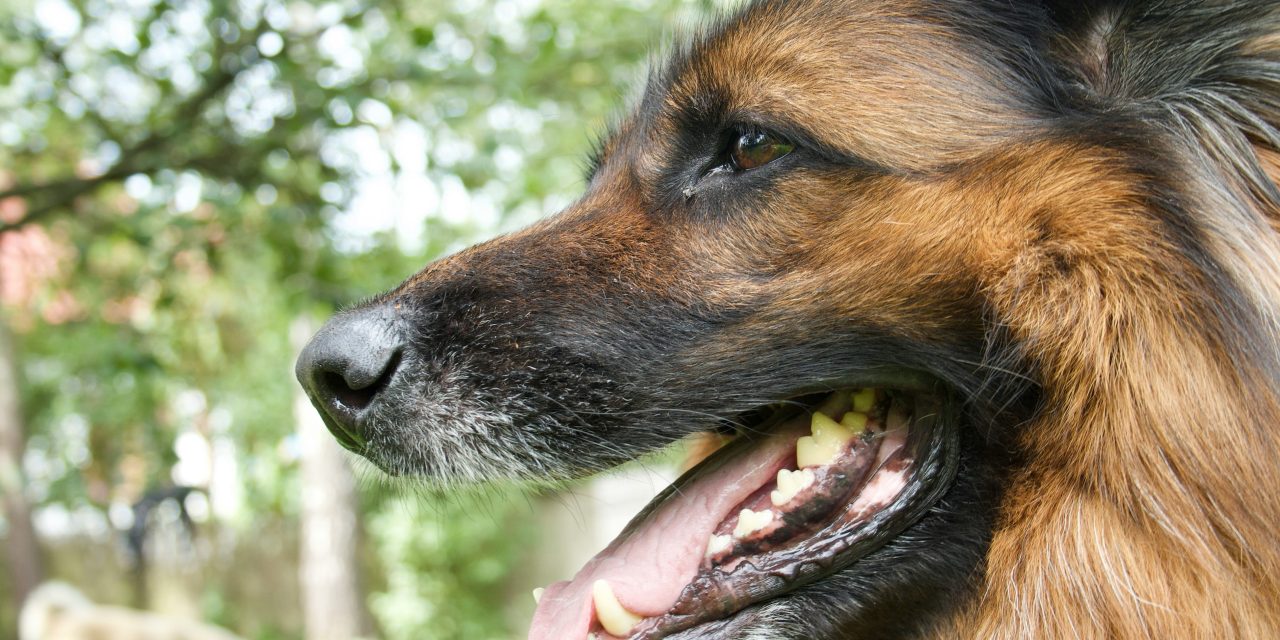
Maintaining optimal dental health in dogs is crucial for their overall well-being. Just like humans, dogs can suffer from a variety of dental issues that can lead to severe health complications if left untreated. Poor oral hygiene can result in periodontal disease, which is characterized by inflammation and infection of the tissues surrounding the teeth. This condition not only causes pain and discomfort but can also lead to systemic health problems, including heart, liver, and kidney diseases. Regular dental care is essential to prevent these issues and ensure a long, healthy life for your canine companion.
Moreover, dental health significantly impacts a dog’s quality of life. Dogs with dental problems may experience difficulty eating, leading to nutritional deficiencies and weight loss. They may also exhibit behavioral changes due to pain or discomfort, which can affect their interaction with family members and other pets. By prioritizing dental care, pet owners can enhance their dog’s quality of life, ensuring they remain active and happy throughout their years.
Recognizing Common Dental Problems in Dogs
Several common dental problems can affect dogs, each presenting unique symptoms and requiring specific interventions. One prevalent issue is periodontal disease, which affects approximately 80% of dogs by the age of three. This condition begins with plaque buildup on the teeth, leading to gingivitis characterized by swollen and bleeding gums. If not addressed, it can progress to periodontitis, resulting in tooth loss and severe pain.
Another common dental issue is tooth fractures, which can occur due to chewing on hard objects or trauma. Fractured teeth may expose the pulp chamber, leading to infection and abscess formation. Symptoms include difficulty eating, excessive drooling, and pawing at the mouth. Additionally, dogs may develop oral tumors or growths that require veterinary evaluation. Recognizing these signs early is vital for effective treatment and management.
Choosing the Right Toothbrush and Toothpaste for Your Dog

Selecting appropriate dental care products is essential for effective oral hygiene in dogs. When choosing a toothbrush, consider options specifically designed for canine use. These brushes typically feature softer bristles and angled heads to accommodate a dog’s unique mouth structure. Finger brushes are also popular as they allow for greater control while brushing.
Equally important is the choice of toothpaste. Never use human toothpaste, as it contains ingredients harmful to dogs, such as xylitol. Instead, opt for veterinary-approved dog toothpaste that comes in flavors appealing to pets, such as poultry or peanut butter. These formulations are safe for ingestion and effectively combat plaque and tartar buildup.
Establishing a Regular Brushing Routine

Creating a consistent brushing routine is vital for maintaining your dog’s dental health. Ideally, brushing should occur at least two to three times per week; however, daily brushing is recommended for optimal results. Start by introducing your dog to the toothbrush gradually, allowing them to sniff and lick it before attempting to brush their teeth.
When brushing, use gentle circular motions to clean each tooth’s surface thoroughly. Focus on the outer surfaces where plaque tends to accumulate most. Reward your dog with praise or treats after each session to create a positive association with dental care. Over time, your dog will become accustomed to the routine, making it easier for you to maintain their oral hygiene.
Incorporating Dental Chews and Toys into Playtime
In addition to regular brushing, incorporating dental chews and toys into your dog’s playtime can significantly enhance their oral health. Dental chews are specifically designed to reduce plaque and tartar buildup while satisfying your dog’s natural chewing instincts. Look for products approved by veterinary dental organizations to ensure they are effective and safe.
Chew toys with textured surfaces can also help clean teeth as your dog gnaws on them. These toys stimulate gums and promote saliva production, which aids in neutralizing harmful bacteria in the mouth. Regularly rotating different types of chews and toys will keep your dog engaged while promoting good dental hygiene.
Providing a Balanced Diet for Optimal Oral Health
A well-balanced diet plays a crucial role in maintaining your dog’s dental health. High-quality commercial dog foods often contain ingredients that promote oral hygiene by reducing plaque buildup. Look for kibble with a larger size or texture that encourages chewing, as this mechanical action helps clean teeth.
Incorporating raw fruits and vegetables into your dog’s diet can also benefit their oral health. Crunchy options like carrots or apples can serve as natural toothbrushes while providing essential vitamins and minerals. However, always consult your veterinarian before introducing new foods into your dog’s diet to ensure they are safe and appropriate.
Scheduling Professional Dental Cleanings with Your Vet
Regular professional dental cleanings are an integral part of maintaining your dog’s oral health. Veterinary dental cleanings typically involve a thorough examination under anesthesia, allowing the veterinarian to assess the condition of the teeth and gums accurately. During this procedure, plaque and tartar are removed using specialized tools, ensuring a deep clean that cannot be achieved through at-home care alone.
Most veterinarians recommend scheduling professional cleanings annually or biannually, depending on your dog’s age, breed, and existing dental issues. Early intervention can prevent more severe problems down the line, saving both pain for your pet and costs for you as an owner.
Monitoring Your Dog’s Teeth and Gums for Signs of Trouble
Regularly monitoring your dog’s teeth and gums is essential for early detection of potential dental issues. Look for signs such as bad breath (halitosis), swollen or bleeding gums, loose teeth, or changes in eating habits. If you notice any abnormalities, consult your veterinarian promptly for evaluation.
Additionally, familiarize yourself with your dog’s normal oral condition so you can identify changes more easily over time. Regular check-ups with your veterinarian will also help ensure that any emerging issues are addressed before they escalate into more significant problems.
Using Water Additives and Oral Sprays Safely
Water additives and oral sprays can be beneficial adjuncts to your dog’s dental care routine when used correctly. These products often contain enzymes or antibacterial agents designed to reduce plaque buildup and freshen breath. However, it is crucial to choose products specifically formulated for dogs to avoid harmful ingredients.
When introducing water additives or sprays into your dog’s routine, start slowly by mixing small amounts into their drinking water or applying sprays directly onto their teeth as directed by the manufacturer. Monitor your dog for any adverse reactions or changes in behavior after using these products.
Training Your Dog to Enjoy Dental Care Activities
Training your dog to enjoy dental care activities can significantly improve compliance during brushing sessions or when using dental products. Start by associating positive experiences with dental care through treats or praise during initial introductions to toothbrushes or toothpaste.
Gradually increase the duration of brushing sessions while maintaining a calm environment. Use gentle handling techniques and avoid forcing your dog into uncomfortable positions. Over time, your dog will learn to associate dental care with positive reinforcement, making it easier for you both.
Tips for Managing Dental Care in Senior Dogs
As dogs age, they may become more susceptible to dental issues due to factors such as decreased immune function or changes in diet. Managing dental care in senior dogs requires special attention to their unique needs. Regular veterinary check-ups become even more critical during this stage of life to monitor oral health closely.
Consider using softer toothbrushes or finger brushes if your senior dog has sensitive gums or missing teeth. Additionally, providing softer food options may help accommodate any discomfort they experience while eating. Always consult with your veterinarian regarding any changes in your senior dog’s dental care routine.
In summary, prioritizing dental health in dogs is essential for their overall well-being and quality of life. By recognizing common dental problems, establishing effective brushing routines, incorporating dental chews and toys, providing balanced diets, scheduling professional cleanings, monitoring oral health closely, using safe products like water additives, training dogs to enjoy dental care activities, and managing care in senior dogs, pet owners can significantly enhance their canine companions’ oral hygiene and overall health outcomes.
FAQs
What is dog dentistry?
Dog dentistry refers to the branch of veterinary medicine that focuses on the oral health of dogs. This includes the prevention, diagnosis, and treatment of dental diseases and conditions affecting dogs, such as periodontal disease, tooth decay, and oral tumors.
Why is dental care important for dogs?
Dental care is crucial for dogs because poor oral hygiene can lead to serious health issues, including periodontal disease, which can cause pain, tooth loss, and infections. Additionally, bacteria from dental problems can enter the bloodstream and affect vital organs such as the heart, liver, and kidneys.
How often should dogs have dental check-ups?
It is generally recommended that dogs have a dental check-up at least once a year. However, some dogs may require more frequent visits depending on their age, breed, and overall dental health. Regular check-ups help in early detection and treatment of dental issues.
What are common dental problems in dogs?
Common dental problems in dogs include periodontal disease, tartar buildup, gingivitis, tooth fractures, and oral tumors. These conditions can lead to pain and discomfort, and if left untreated, they can result in more severe health complications.
What can dog owners do to maintain their pet’s dental health?
Dog owners can maintain their pet’s dental health by regularly brushing their dog’s teeth, providing dental chews or toys, scheduling routine veterinary dental cleanings, and monitoring their dog’s oral health for any signs of problems, such as bad breath or difficulty eating.