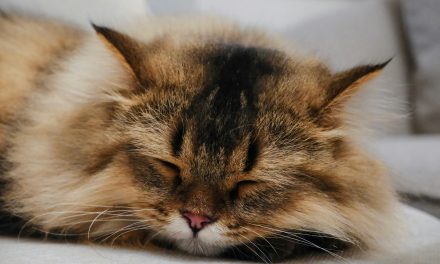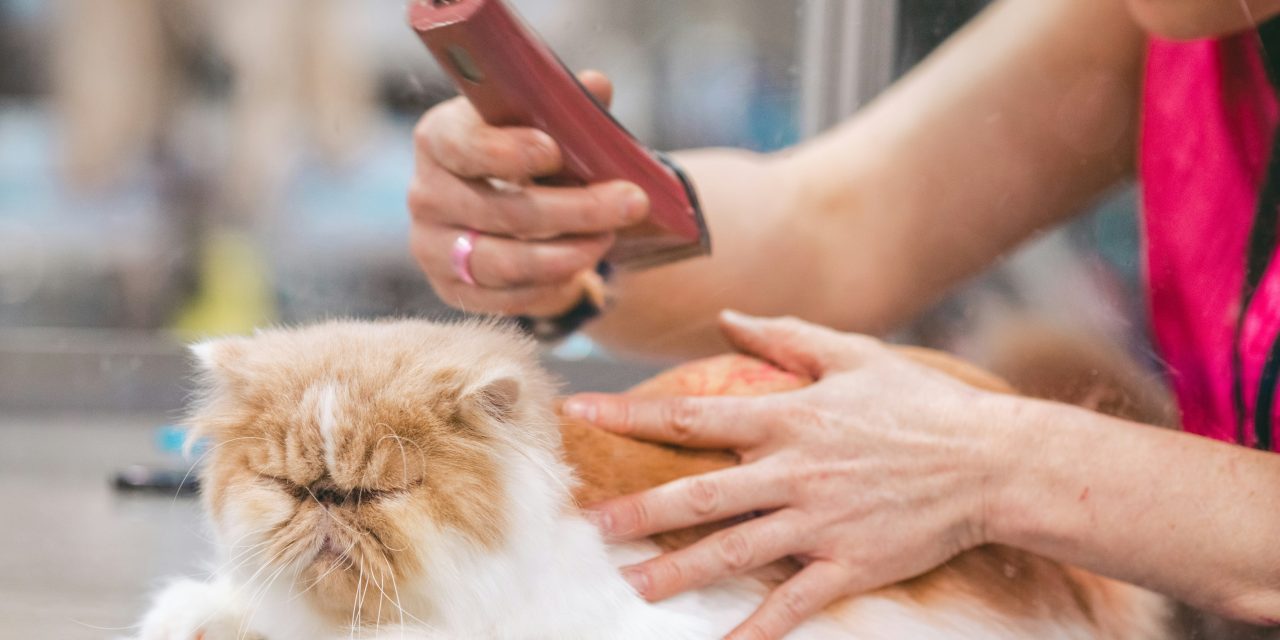
As cats age, their physiological changes manifest in various ways, particularly in their coat and claws. The fur of senior felines often becomes thinner, less vibrant, and may lose its luster due to decreased oil production from sebaceous glands. This decline in oil can lead to a dry, brittle coat that is more susceptible to matting and skin irritations. Additionally, older cats may experience changes in pigmentation, resulting in graying fur or patches of discoloration. These alterations can be attributed to a combination of genetic factors, hormonal changes, and environmental influences.
Claw health is equally critical in aging cats. As they grow older, their claws may become more brittle and prone to splitting or breaking. The natural wear and tear from reduced activity levels can lead to overgrown claws, which can cause discomfort or pain. Furthermore, the ability of senior cats to groom themselves diminishes due to arthritis or other mobility issues, making regular maintenance essential for their overall well-being.
Importance of Regular Grooming for Senior Cats
Regular grooming is paramount for senior cats, serving multiple purposes that contribute to their health and comfort. Firstly, grooming helps to remove loose fur and dander, reducing the risk of hairballs and respiratory issues associated with inhaling fur particles. Moreover, it promotes better circulation and skin health by stimulating blood flow through gentle brushing. This is particularly beneficial for older cats who may have reduced mobility or arthritis, as it encourages them to engage in a soothing activity that can alleviate stress.
Additionally, grooming provides an opportunity for pet owners to conduct a thorough examination of their cat’s skin and coat. This proactive approach allows for the early detection of potential health issues such as lumps, skin infections, or parasites. By establishing a regular grooming routine, owners can foster a stronger bond with their feline companions while ensuring that their physical needs are met.
Choosing the Right Grooming Tools for Older Cats

Selecting appropriate grooming tools is crucial for effectively caring for an aging cat’s coat and claws. For brushing, opt for soft-bristled brushes or grooming gloves designed specifically for sensitive skin. These tools minimize discomfort while effectively removing loose fur and debris. A slicker brush can also be beneficial for detangling mats without causing pain. For cats with longer fur, a wide-toothed comb can help manage tangles without pulling on the skin.
When it comes to claw maintenance, specialized nail clippers designed for cats are essential. Scissor-type clippers provide better control and precision, reducing the risk of cutting too close to the quick, which can cause bleeding and pain. Additionally, consider using a nail file or grinder to smooth rough edges after trimming. Always ensure that grooming tools are clean and well-maintained to prevent any potential infections or irritations.
How to Safely Brush a Senior Cat’s Coat

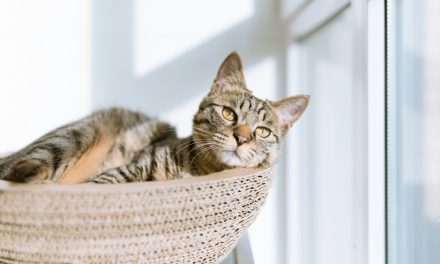
Brushing an elderly cat requires patience and a gentle approach to ensure a positive experience for both the cat and the owner. Begin by creating a calm environment free from distractions. Choose a comfortable location where your cat feels secure, such as their favorite resting spot. Start with short sessions of about five to ten minutes, gradually increasing the duration as your cat becomes accustomed to the process.
When brushing, use slow, deliberate strokes in the direction of hair growth. Pay special attention to sensitive areas such as the belly and legs, where older cats may be more sensitive due to arthritis or other conditions. If your cat shows signs of discomfort or agitation, take a break and try again later. Rewarding your cat with treats or affection after each grooming session can help reinforce positive associations with the process.
Managing Matted Fur and Skin Issues
Matted fur is a common issue in senior cats due to decreased grooming ability and mobility challenges. To manage mats effectively, it is essential to approach them with care. Begin by gently separating the mat with your fingers before using a comb or brush. If the mat is particularly tight or close to the skin, it may be necessary to use blunt-tipped scissors to carefully cut it away. Always exercise caution when using scissors to avoid injuring your cat.
In addition to addressing mats, monitoring skin health is vital for older cats. Look for signs of irritation such as redness, swelling, or excessive scratching. Dry skin can be alleviated through regular brushing and the incorporation of omega-3 fatty acids into their diet, which promotes skin hydration and overall coat health. If skin issues persist or worsen, consulting a veterinarian is advisable for further evaluation and treatment options.
Bathing Tips for Elderly Cats
Bathing an elderly cat can be a daunting task; however, it may be necessary if they become excessively dirty or develop skin conditions that require cleansing. Before bathing, ensure that your cat is comfortable with water by introducing them gradually to the bathing area. Use lukewarm water and a gentle cat-specific shampoo that is free from harsh chemicals or fragrances.
To minimize stress during bathing, consider using a non-slip mat in the tub or sink to provide stability for your cat. Gently wet their fur while avoiding the face and ears; use a damp cloth for cleaning those areas instead. Rinse thoroughly to remove all shampoo residue, as leftover product can irritate the skin. After bathing, wrap your cat in a warm towel and allow them to dry in a quiet space away from drafts.
Monitoring and Trimming Senior Cat Claws
Regular monitoring of claw length is essential for senior cats to prevent discomfort and potential injury. Overgrown claws can lead to painful conditions such as ingrown nails or torn pads if left unchecked. It is advisable to inspect your cat’s claws at least once every two weeks; if you notice any signs of overgrowth or splitting, it may be time for a trim.
When trimming claws, ensure that you have adequate lighting and a calm environment. Hold your cat’s paw gently but firmly, applying slight pressure on the pad to extend the claw. Use sharp nail clippers designed for cats and avoid cutting into the quick—the pink area within the claw that contains blood vessels and nerves—as this can cause pain and bleeding. If you are unsure about trimming your cat’s claws yourself, consider seeking assistance from a veterinarian or professional groomer.
Signs of Nail Problems in Older Cats
Older cats are particularly susceptible to various nail problems that can affect their quality of life. Common signs include excessive licking or biting at the paws, reluctance to walk or jump, and visible discomfort when pressure is applied to the paws. Additionally, if you notice any swelling around the claws or changes in color—such as darkening or discoloration—these may indicate underlying issues that require veterinary attention.
Another critical sign of nail problems is difficulty in retracting claws or an inability to maintain proper claw length due to mobility limitations. If you observe any of these symptoms in your senior cat, it is essential to consult with a veterinarian promptly for diagnosis and treatment options tailored to their specific needs.
Dietary Considerations for Healthy Skin and Fur
A well-balanced diet plays a pivotal role in maintaining healthy skin and fur in senior cats. Nutritional deficiencies can lead to dry skin, dull coats, and increased susceptibility to infections. It is crucial to provide high-quality commercial cat food formulated specifically for senior felines; these diets typically contain higher levels of omega-3 fatty acids, antioxidants, and essential vitamins that support skin health.
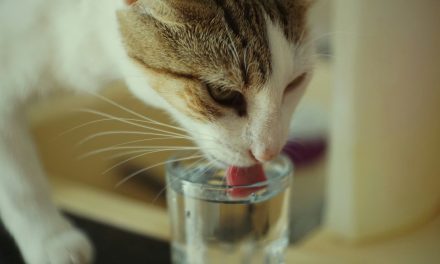
Incorporating supplements such as fish oil can further enhance coat condition by promoting hydration and reducing inflammation associated with skin issues. Additionally, ensuring adequate hydration through fresh water availability or wet food options can help maintain skin elasticity and overall health.
When to Consult a Veterinarian About Coat and Claw Health
Regular veterinary check-ups are vital for monitoring an aging cat’s overall health, including coat and claw conditions. If you notice any significant changes in your cat’s coat texture or appearance—such as excessive shedding or bald patches—it is advisable to seek veterinary advice promptly. Similarly, if you observe any signs of discomfort related to their claws or paws—such as limping or reluctance to engage in normal activities—consulting a veterinarian is essential.
Veterinarians can perform comprehensive examinations to identify underlying health issues contributing to coat or claw problems. They may recommend diagnostic tests such as blood work or skin scrapings to determine specific conditions requiring treatment.
Creating a Comfortable Grooming Routine for Your Senior Cat
Establishing a comfortable grooming routine tailored specifically for senior cats can significantly enhance their quality of life while fostering a strong bond between pet and owner. Begin by setting aside dedicated time each week for grooming sessions; consistency helps your cat anticipate these moments positively.
Incorporate gentle handling techniques during grooming sessions; speak softly and offer treats as rewards for cooperation. Create an inviting atmosphere by using soft bedding or blankets where your cat feels secure during grooming activities. By prioritizing comfort and patience throughout the process, you can ensure that grooming becomes an enjoyable experience rather than a stressful chore.
In summary, understanding the unique needs of aging cats regarding their coat and claws is essential for maintaining their overall health and well-being. Regular grooming not only promotes physical comfort but also strengthens the bond between pet owners and their feline companions. By choosing appropriate tools, managing mats effectively, monitoring claw health diligently, and providing proper nutrition, owners can significantly enhance their senior cats’ quality of life while preventing potential health issues from arising.
FAQs
What are the signs that my senior cat’s coat needs extra care?
Signs that your senior cat’s coat needs extra care include excessive shedding, matting, dullness, or a greasy texture. You may also notice that your cat is grooming less frequently, which can lead to a buildup of dirt and oils in their fur.
How often should I groom my senior cat?
Senior cats typically benefit from grooming at least once a week, but long-haired breeds may require more frequent grooming, such as every few days. Regular grooming helps prevent matting and promotes healthy skin and coat.
What tools are best for grooming a senior cat?
For grooming a senior cat, use a soft-bristle brush or a slicker brush for short-haired cats, and a wide-toothed comb for long-haired cats. Additionally, consider using grooming gloves to gently remove loose fur while providing a comforting touch.
How can I help my senior cat with claw maintenance?
To help with claw maintenance, regularly check your senior cat’s claws and trim them every 2-4 weeks, depending on their activity level. Use cat-specific nail clippers and be cautious not to cut into the quick, which can cause pain and bleeding.
Are there any special considerations for a senior cat’s skin and coat health?
Yes, senior cats may have more sensitive skin and may be prone to conditions like dryness or dermatitis. Ensure they have a balanced diet rich in omega fatty acids, provide regular hydration, and consult your veterinarian for any skin issues or changes in coat condition.