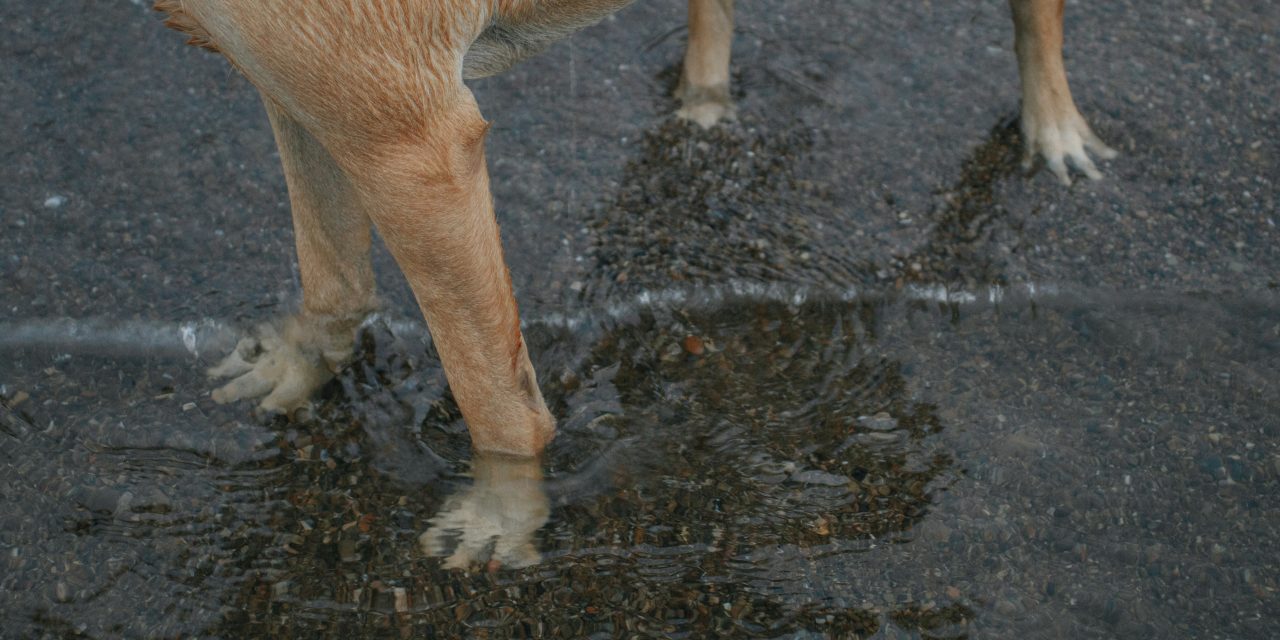
Before embarking on the task of cleaning your dog’s paws, it is essential to assemble all necessary cleaning supplies. This preparation not only streamlines the process but also ensures that you have everything at hand to effectively clean and care for your pet’s paws. The primary items you will need include a soft, absorbent towel, lukewarm water, a dog-friendly soap or shampoo, and a paw balm for moisturizing.
Additionally, consider having a small basin or bucket to hold the water, as well as a brush with soft bristles for any stubborn mud or debris. If your dog has particularly long fur between their toes, a pair of scissors may be useful for trimming away any matted hair that could trap dirt. Having these supplies ready will facilitate a smoother cleaning experience and help maintain your dog’s paw health.
Prepare a Comfortable Cleaning Area
Creating a comfortable cleaning area is crucial for both you and your dog. Choose a location that is spacious enough to accommodate your dog’s movements while also being easy to clean afterward. A bathroom or laundry room often works well due to their tiled floors, which can be easily wiped down after the cleaning process.
Ensure that the area is well-lit so you can clearly see any dirt or injuries on your dog’s paws. It may also be beneficial to lay down an old towel or mat to catch any excess water or mud that may drip during the cleaning process. This preparation not only keeps your home tidy but also helps your dog feel secure and relaxed during the cleaning session.
Inspect Your Dog’s Paws for Injuries

Before initiating the cleaning process, it is imperative to conduct a thorough inspection of your dog’s paws for any signs of injury or irritation. Look for cuts, abrasions, or foreign objects lodged between the toes or pads. Pay close attention to any swelling, redness, or signs of infection, such as discharge or an unpleasant odor.
If you notice any abnormalities, it is advisable to consult with a veterinarian for further evaluation and treatment. Early detection of paw injuries can prevent more serious complications and ensure your dog remains comfortable and healthy. Regular inspections should become part of your routine, especially after walks in muddy or rough terrain.
Remove Excess Mud with a Dry Towel

Once you have inspected your dog’s paws, the next step is to remove excess mud using a dry towel. Gently wipe each paw to eliminate any loose dirt and debris before introducing water. This initial step helps prevent mud from becoming caked onto the fur and skin, making subsequent cleaning easier.
Be gentle during this process; dogs can be sensitive about their paws. Use a soft touch and speak soothingly to reassure your pet. If your dog seems anxious or uncomfortable, consider taking breaks or using treats as positive reinforcement to create a more pleasant experience.
Use Lukewarm Water to Soften the Mud
After removing excess mud with a towel, it is time to soften any remaining dirt using lukewarm water. Fill a basin or bucket with water that is comfortably warm to the touch—neither too hot nor too cold—to ensure your dog feels at ease during the cleaning process.
Submerge each paw gently into the water, allowing the moisture to penetrate the mud and loosen it from the fur and skin. This step is crucial as it prepares the paws for washing and helps prevent any irritation that might occur from scrubbing dry mud. Allow each paw to soak for a few moments before proceeding to the next step.
Gently Wash Each Paw with Dog-Friendly Soap
With the mud softened, it is now time to wash each paw using a dog-friendly soap or shampoo. Select a product specifically formulated for canine use, as human soaps can contain harsh chemicals that may irritate your dog’s skin. Apply a small amount of soap to your hands or directly onto the paw and gently massage it into the fur and skin.
Focus on areas where dirt tends to accumulate, such as between the toes and around the pads. Use circular motions to ensure thorough cleansing without causing discomfort. It is essential to be patient during this process; some dogs may be more tolerant than others when it comes to having their paws washed.
Clean Between the Toes and Pads Thoroughly
Cleaning between the toes and pads is an essential part of maintaining your dog’s paw hygiene. This area often harbors dirt, debris, and even bacteria that can lead to infections if left untreated. Use your fingers or a soft brush to carefully clean these spaces, ensuring that you remove all traces of mud and grime.
Take extra care when handling sensitive areas; some dogs may be ticklish or sensitive about having their paws touched. If your dog shows signs of discomfort, take breaks and offer treats to create a positive association with paw cleaning. Thorough cleaning will help prevent issues such as interdigital cysts or fungal infections.
Rinse Off All Soap Residue Completely
After thoroughly washing each paw, it is crucial to rinse off all soap residue completely. Leftover soap can cause skin irritation or allergic reactions in some dogs, so ensure that you rinse each paw under lukewarm running water until all suds are gone.
Pay special attention to areas between the toes and around the pads where soap may linger. A thorough rinse will not only keep your dog’s skin healthy but also enhance their comfort after cleaning. Once rinsed, gently shake off excess water before proceeding to dry their paws.
Dry Your Dog’s Paws Carefully and Completely
Drying your dog’s paws is an important step that should not be overlooked. Use a clean, dry towel to gently pat each paw until they are completely dry. Pay particular attention to drying between the toes and around the pads, as moisture trapped in these areas can lead to fungal growth or skin irritation.
If your dog enjoys it, you may also use a pet-safe blow dryer on a low setting to help speed up the drying process; however, ensure that it is not too hot and that your dog is comfortable with the noise and sensation. A thorough drying routine will help maintain optimal paw health and comfort.
Apply Paw Balm for Moisturizing and Protection
To further protect your dog’s paws after cleaning, consider applying a paw balm designed specifically for canine use. These balms often contain natural ingredients such as beeswax, shea butter, and coconut oil that provide moisture while creating a barrier against environmental irritants like salt, snow, or hot pavement.
Apply a small amount of balm to each paw, massaging it into the pads and between the toes gently. This step not only hydrates but also helps prevent cracking and dryness that can occur due to exposure to harsh elements. Regular application of paw balm can significantly enhance your dog’s overall paw health.
Establish a Routine for Post-Walk Paw Care
Establishing a routine for post-walk paw care is essential for maintaining your dog’s paw health over time. Consistency in cleaning and inspecting their paws after walks will help prevent issues such as infections, irritations, or injuries from developing unnoticed.
Consider setting aside time after each walk specifically for this purpose; this could be as simple as incorporating it into your daily routine when you return home from outings. By making paw care a regular habit, you will not only keep your dog’s paws clean but also strengthen your bond through this shared experience.
In summary, maintaining your dog’s paw hygiene involves several steps: gathering supplies, preparing a comfortable area, inspecting for injuries, removing excess mud, washing with dog-friendly soap, rinsing thoroughly, drying completely, applying protective balm, and establishing a routine for ongoing care. By following these guidelines diligently, you can ensure that your dog’s paws remain healthy and free from irritation or injury.
FAQ Section:
1. **How often should I clean my dog’s paws?**
– It is advisable to clean your dog’s paws after every walk, especially if they have been exposed to muddy or dirty environments.
2. **What should I do if I find an injury on my dog’s paw?**
– If you discover any cuts or abrasions, clean the area gently with lukewarm water and consult with your veterinarian for appropriate treatment options.
3. **Can I use human soap on my dog?**
– No, human soaps can contain harmful chemicals that may irritate your dog’s skin; always use products specifically formulated for dogs.
4. **What are some signs of paw infections?**
– Signs include swelling, redness, discharge, foul odor, or excessive licking of the affected area.
5. **Is it necessary to apply paw balm every time?**
– While not mandatory after every cleaning session, regular application of paw balm can significantly improve moisture retention and protection against environmental factors.
6. **How can I make my dog more comfortable during paw cleaning?**
– Use treats as positive reinforcement, speak soothingly during the process, and take breaks if your dog appears anxious.
7. **What ingredients should I look for in dog-friendly soap?**
– Look for natural ingredients without harsh chemicals; oatmeal-based soaps are often gentle on sensitive skin.
8. **Can I use baby wipes instead of washing my dog’s paws?**
– While baby wipes may be convenient in some situations, they are not always suitable due to potential irritants; opt for wipes specifically designed for pets when necessary.
9. **What should I do if my dog hates having their paws touched?**
– Gradually desensitize them by touching their paws briefly while offering treats; patience is key in helping them become accustomed to this routine.
10. **Are there specific breeds that require more frequent paw care?**
– Breeds with long fur between their toes may require more frequent grooming and cleaning due to higher chances of debris accumulation.
By adhering to these guidelines and addressing common concerns through proactive care practices, you can ensure that your dog’s paws remain healthy and well-maintained throughout their life.
FAQs
What supplies do I need to clean my dog’s muddy paws?
To clean your dog’s muddy paws, you will need a few basic supplies: a bucket or basin filled with warm water, a soft cloth or sponge, dog-friendly shampoo (if necessary), and a towel for drying. Optional items include a paw cleaning tool or a portable paw washer for convenience.
How can I prevent my dog’s paws from getting muddy during walks?
To minimize muddy paws, consider walking your dog on paved paths or areas with less mud. You can also use dog booties to protect their paws from dirt and moisture. Additionally, keeping your dog on a leash can help you navigate around muddy spots more easily.
Is it safe to use regular soap to clean my dog’s paws?
No, it is not recommended to use regular soap or human shampoo on your dog’s paws, as these products can irritate their skin. Instead, use a dog-specific shampoo or a gentle, hypoallergenic soap designed for pets to ensure their skin remains healthy.
How often should I clean my dog’s paws?
It is advisable to clean your dog’s paws after every walk, especially if they have walked through muddy or dirty areas. Regular cleaning helps prevent dirt buildup, reduces the risk of infections, and keeps your home cleaner.
What should I do if my dog has cuts or abrasions on their paws?
If you notice cuts or abrasions on your dog’s paws, clean the area gently with warm water and a mild antiseptic solution. Avoid using any harsh chemicals. If the injury appears serious or does not improve, consult your veterinarian for further evaluation and treatment.