Cat hissing is a vocalization that serves as a critical form of communication among felines. This sound is often misunderstood by pet owners, yet it is an essential indicator of a cat’s emotional state. Hissing typically signifies fear, aggression, or discomfort. When a cat hisses, it is expressing its desire for space or signaling that it feels threatened. The sound itself is produced by the rapid expulsion of air through the vocal cords, creating a sharp, sibilant noise that can be alarming to humans and other animals alike.
Understanding the context in which hissing occurs is vital for interpreting its meaning accurately. For instance, a cat may hiss when encountering a new environment, meeting unfamiliar animals, or feeling cornered. This behavior is instinctual and serves as a warning to potential threats. Recognizing the signs that accompany hissing—such as flattened ears, dilated pupils, and an arched back—can provide further insight into the cat’s emotional state. By paying attention to these cues, owners can better address their feline companions’ needs and mitigate stressors in their environment.
Introducing a New Kitten: Common Challenges
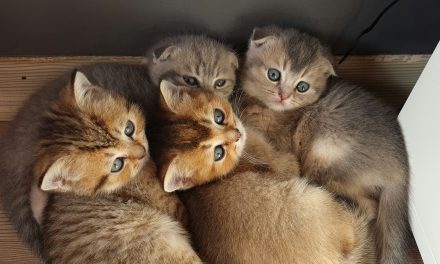
Bringing a new kitten into a household with existing cats can be a daunting task fraught with challenges. One of the most significant hurdles is the potential for territorial disputes. Cats are inherently territorial creatures, and the introduction of a new feline can disrupt established hierarchies within the home. This disruption may lead to aggressive behaviors, including hissing, growling, and even physical confrontations. Understanding these dynamics is crucial for ensuring a smooth transition for both the new kitten and the resident cats.
Another common challenge during this introduction phase is the adjustment period required for both parties. Cats thrive on routine and familiarity; thus, introducing a new kitten can create anxiety and stress. The resident cat may exhibit signs of jealousy or insecurity, leading to behavioral changes such as withdrawal or increased aggression. It is essential for pet owners to recognize these challenges and approach the introduction process with patience and care to foster a harmonious environment.
Territorial Behavior in Adult Cats

Territorial behavior in adult cats is a natural instinct that stems from their evolutionary history as solitary hunters. Cats establish territories to secure resources such as food, shelter, and mating opportunities. When a new kitten enters this established territory, the resident cat may perceive it as an intruder, prompting defensive behaviors. These behaviors can manifest as vocalizations like hissing or growling, as well as physical displays such as puffing up their fur or swatting.
To mitigate territorial disputes, it is essential to understand the underlying motivations behind these behaviors. Adult cats may feel threatened by the presence of a newcomer, leading them to assert dominance through aggressive posturing. Providing separate spaces for each cat during the initial introduction phase can help alleviate tension and allow both felines to acclimate at their own pace. Gradually introducing them through scent swapping and supervised interactions can foster familiarity and reduce territorial aggression over time.
Fear and Anxiety: Why Your Cat Might Feel Threatened

Fear and anxiety are prevalent emotions in cats, particularly when faced with unfamiliar situations or stimuli. A resident cat may feel threatened by the presence of a new kitten due to various factors, including changes in routine, loss of personal space, or perceived competition for resources. These feelings can lead to stress-related behaviors such as hiding, excessive grooming, or even aggression.
Understanding the root causes of fear and anxiety in cats is crucial for addressing these issues effectively. Environmental factors such as loud noises, sudden movements, or unfamiliar scents can exacerbate feelings of insecurity. Additionally, individual temperament plays a significant role; some cats are naturally more anxious than others. Providing a safe haven—a quiet space equipped with familiar bedding and toys—can help alleviate anxiety and give the resident cat a sense of security during this transitional period.
The Role of Scent in Cat Recognition
Scent plays an integral role in how cats recognize one another and establish social hierarchies. Cats possess an extraordinary sense of smell, which they use to gather information about their environment and fellow felines. When introducing a new kitten, scent swapping can be an effective strategy to facilitate acceptance between the resident cat and the newcomer.
To implement scent swapping, pet owners can gently rub a cloth on each cat’s cheeks and then exchange these cloths between them. This process allows both cats to become familiar with each other’s scent without direct confrontation. Additionally, providing each cat with their own designated space filled with familiar scents can help ease anxiety and promote comfort during the introduction phase. By leveraging scent as a communication tool, owners can foster positive associations between their cats.
How Age and Personality Affect Cat Reactions
Age and personality significantly influence how cats react to new situations and companions. Kittens are generally more adaptable and curious than adult cats; they often approach new experiences with enthusiasm rather than fear. Conversely, older cats may exhibit more cautious behavior due to established routines and preferences. Understanding these differences is essential for tailoring the introduction process to suit each cat’s unique temperament.
Personality traits also play a crucial role in how cats respond to one another. Some cats are naturally more sociable and tolerant of newcomers, while others may be more territorial or aloof. Recognizing these individual differences allows pet owners to anticipate potential challenges and adjust their approach accordingly. For instance, if an adult cat has a history of aggression towards other animals, extra precautions should be taken during introductions to ensure safety for all parties involved.
Signs That Your Cat Is Adjusting to the Kitten
Monitoring your resident cat’s behavior during the introduction phase can provide valuable insights into their adjustment process. Signs that your cat is becoming more comfortable with the new kitten may include decreased hissing or growling, increased curiosity about the newcomer, and even playful interactions. These positive indicators suggest that your cat is beginning to accept the presence of the kitten in their territory.
Additionally, observing changes in body language can offer clues about your cat’s emotional state. Relaxed posture, slow blinking, and approaching the kitten without signs of aggression are all encouraging signs that your resident cat is adapting well to the new addition. Providing positive reinforcement through treats or praise during these interactions can further reinforce good behavior and promote a harmonious relationship between both felines.
Mistakes to Avoid When Introducing a New Kitten
When introducing a new kitten into a household with existing cats, certain pitfalls should be avoided to ensure a smooth transition. One common mistake is rushing the introduction process without allowing adequate time for acclimatization. Cats require time to adjust to changes in their environment; therefore, forcing interactions too soon can lead to heightened stress levels and aggressive behaviors.
Another mistake is neglecting to provide separate resources for each cat. Ensuring that both felines have access to their own food bowls, litter boxes, and resting areas can help minimize competition and territorial disputes. Additionally, failing to monitor interactions closely during initial introductions can result in negative encounters that may hinder future relationships between the cats.
Steps to Help Your Cat Accept the New Kitten
Facilitating a successful introduction between your resident cat and a new kitten involves several strategic steps aimed at promoting positive interactions. First and foremost, create separate spaces for each cat equipped with their own resources—food bowls, litter boxes, scratching posts—to minimize competition for essential needs.
Next, implement gradual introductions by allowing both cats to become familiar with each other’s scents through scent swapping techniques mentioned earlier. Once they appear comfortable with each other’s scents, supervised interactions can begin in neutral territory—an area where neither cat feels possessive.
Positive reinforcement plays a crucial role in this process; rewarding both cats with treats or praise during calm interactions can help reinforce desirable behaviors. Patience is paramount; allowing both felines to acclimate at their own pace will ultimately lead to a more harmonious relationship.
When to Seek Help from a Veterinarian or Behaviorist
In some cases, despite best efforts at facilitating introductions, issues may arise that require professional intervention. If aggressive behaviors persist or escalate—such as prolonged hissing, growling, or physical confrontations—it may be time to consult with a veterinarian or animal behaviorist.
A veterinarian can rule out any underlying medical conditions contributing to behavioral changes while providing guidance on managing stress-related issues through environmental modifications or medication if necessary. An animal behaviorist specializes in understanding feline behavior patterns and can offer tailored strategies for addressing specific challenges related to introducing new pets into the household.
Patience and Time: The Key to Harmonious Cat Relationships
Ultimately, fostering harmonious relationships between cats requires patience and time. Each feline has its own unique personality traits that influence how they respond to changes in their environment. By allowing both the resident cat and the new kitten ample time to adjust at their own pace—while providing support through gradual introductions—pet owners can create an atmosphere conducive to positive interactions.
In conclusion, understanding feline behavior during introductions is essential for ensuring successful integration within multi-cat households. By recognizing signs of fear or anxiety while implementing effective strategies for gradual introductions—such as scent swapping and providing separate resources—owners can facilitate smoother transitions for both resident cats and newcomers alike.
In summary, introducing a new kitten into an established household requires careful consideration of feline behavior dynamics. By understanding territorial instincts, recognizing signs of fear or anxiety, leveraging scent recognition techniques, and allowing ample time for adjustment—pet owners can foster harmonious relationships among their feline companions while minimizing stress-related issues throughout this transitional period.
FAQs
Why is my adult cat hissing at my new kitten?
Adult cats may hiss at new kittens as a way to express fear, anxiety, or territorial behavior. The introduction of a new pet can disrupt their established environment, leading to defensive reactions like hissing.
Is hissing a normal behavior for cats when introducing a new pet?
Yes, hissing is a common behavior among cats when they encounter a new pet. It serves as a warning signal to the newcomer and is often a part of the adjustment process as they establish their social hierarchy.
How can I help my cat adjust to the new kitten?
To help your cat adjust, provide separate spaces for both pets, allowing them to get used to each other’s scents without direct contact. Gradually introduce them through short, supervised interactions and reward positive behavior with treats.
Should I be concerned if my cat continues to hiss at the kitten?
While occasional hissing is normal, persistent hissing may indicate ongoing stress or discomfort. If the behavior continues for an extended period, it may be beneficial to consult a veterinarian or animal behaviorist for further guidance.
What other signs of aggression should I watch for besides hissing?
In addition to hissing, watch for other signs of aggression such as growling, swatting, or puffing up their fur. These behaviors indicate that your cat is feeling threatened and may need more time to adjust to the new kitten.