Maintaining optimal dental hygiene in dogs is crucial for their overall health and well-being. Just like humans, dogs are susceptible to a variety of dental issues, including periodontal disease, gingivitis, and tooth decay. These conditions can lead to severe pain, tooth loss, and systemic health problems if left untreated. Research indicates that approximately 80% of dogs exhibit signs of dental disease by the age of three, underscoring the necessity for proactive dental care.
The mouth serves as a gateway to the body, and poor oral hygiene can result in bacteria entering the bloodstream, potentially affecting vital organs such as the heart, liver, and kidneys. Regular dental care not only prevents oral diseases but also enhances your dog’s quality of life. By investing time in your pet’s dental health, you can help ensure they enjoy a longer, healthier life free from the discomfort associated with dental issues.
Choosing the Right Toothbrush and Toothpaste for Your Dog
Selecting appropriate dental care products is essential for effective brushing. Dog-specific toothbrushes are designed with softer bristles and angled heads to accommodate the unique structure of canine mouths. Finger brushes are also available, allowing for greater control and gentleness during brushing. It is advisable to choose a toothbrush that fits comfortably in your hand and is suitable for your dog’s size.
Equally important is the choice of toothpaste. Human toothpaste contains xylitol, which is toxic to dogs, so it is imperative to use a veterinary-approved canine toothpaste. These products come in various flavors, such as poultry or peanut butter, making them more appealing to your pet. The enzymatic formulas in dog toothpaste help break down plaque and tartar, promoting healthier gums and teeth.
Preparing Your Dog for Teeth Brushing

Before introducing your dog to the toothbrush, it is essential to acclimate them to the process gradually. Start by allowing your dog to sniff and taste the toothpaste, creating a positive association with the product. You can also use your finger to gently rub their gums and teeth, familiarizing them with the sensation of having their mouth handled.
Positive reinforcement plays a significant role in this preparation phase. Reward your dog with treats or praise after each successful interaction with the toothbrush or toothpaste. This approach helps alleviate any anxiety they may have about dental care and encourages them to cooperate during brushing sessions.
Creating a Comfortable Brushing Environment

Establishing a calm and comfortable environment is vital for successful teeth brushing sessions. Choose a quiet space free from distractions where your dog feels secure. You may want to use a non-slip mat or blanket to provide stability during brushing. Additionally, consider using a harness or leash if your dog tends to move around excessively.
Timing is also crucial; select a moment when your dog is relaxed, such as after a walk or play session. This will help them associate brushing with positive experiences rather than stress or anxiety. Creating a routine around dental care can further enhance their comfort level, making it easier for both you and your pet.
Step-by-Step Guide to Brushing Your Dog’s Teeth
Once your dog is comfortable with the toothbrush and environment, you can begin the actual brushing process. Start by positioning your dog in a way that allows easy access to their mouth—either sitting or lying down works well. Gently lift their lip to expose their teeth and gums while holding the toothbrush at a 45-degree angle.
Apply a small amount of toothpaste to the brush and begin brushing in circular motions, focusing on the outer surfaces of the teeth first. Gradually work your way towards the inner surfaces and chewing surfaces as your dog becomes more accustomed to the sensation. Aim for two minutes of brushing per session, ensuring you cover all areas of the mouth thoroughly.
Techniques for Reaching All Areas of Your Dog’s Mouth
Effective brushing requires attention to detail and technique. To reach all areas of your dog’s mouth, it is essential to brush both the upper and lower teeth systematically. Start with the upper teeth on one side, then move to the lower teeth on the same side before switching to the opposite side.
Utilize different angles while brushing to ensure you clean hard-to-reach areas effectively. For instance, tilting the toothbrush slightly can help access the back molars where plaque tends to accumulate. Additionally, don’t forget to brush along the gum line gently; this area is particularly prone to tartar buildup and inflammation.
How to Handle a Resistant or Nervous Dog
If your dog exhibits resistance or anxiety during brushing sessions, it is crucial to remain patient and calm. Forcing them can lead to negative associations with dental care, making future sessions even more challenging. Instead, take a step back and focus on desensitization techniques.
Start by allowing your dog to become accustomed to having their mouth touched without any brushing involved. Gradually introduce the toothbrush while offering treats and praise for calm behavior. If necessary, break down the process into smaller steps—such as just lifting their lip one day and introducing the toothbrush on another—to avoid overwhelming them.
Frequency and Duration of Teeth Brushing Sessions
To maintain optimal oral health, it is recommended that dogs receive dental care at least two to three times per week. However, daily brushing is ideal for preventing plaque buildup and ensuring long-term health benefits. Each brushing session should last approximately two minutes, allowing sufficient time to cover all areas of the mouth thoroughly.
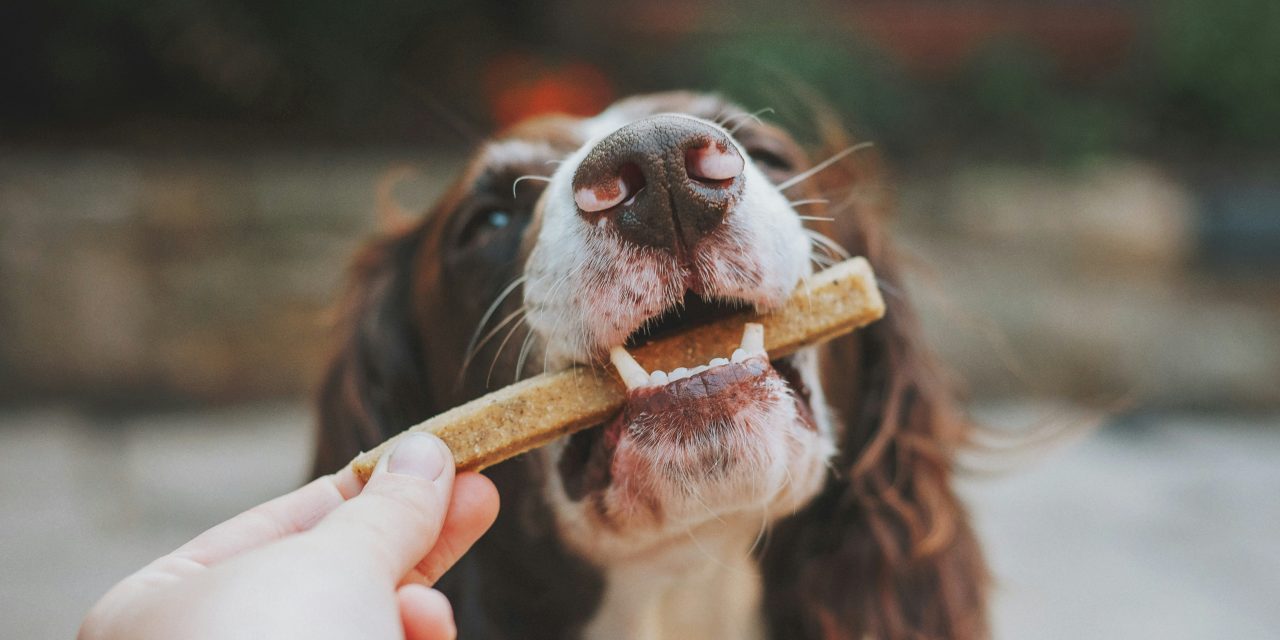
In addition to regular brushing, consider incorporating dental chews or toys into your dog’s routine as supplementary oral care methods. These products can help reduce plaque and tartar buildup between brushing sessions while providing mental stimulation and enjoyment for your pet.
Signs of Dental Problems to Watch For
Being vigilant about your dog’s oral health is essential for early detection of potential issues. Common signs of dental problems include bad breath (halitosis), swollen or bleeding gums, difficulty eating or chewing, excessive drooling, and loose or missing teeth. If you notice any of these symptoms, it is crucial to consult with a veterinarian promptly.
Regular veterinary check-ups should include dental examinations as part of routine care. Professional cleanings may be necessary if significant tartar buildup is present or if periodontal disease is diagnosed. Early intervention can prevent more severe complications down the line.
Additional Tips for Maintaining Your Dog’s Oral Health
In addition to regular brushing, there are several other strategies you can implement to promote your dog’s oral health effectively. Providing dental treats specifically designed for cleaning teeth can help reduce plaque buildup while satisfying your dog’s chewing instincts. Additionally, incorporating raw vegetables like carrots into their diet can serve as natural toothbrushes.
Water additives formulated for canine dental health are another option worth considering; these products can help reduce plaque formation when added to your dog’s drinking water. Regularly inspecting your dog’s mouth for any abnormalities or changes will also aid in early detection of potential issues.
When to Consult a Veterinarian About Your Dog’s Teeth
If you observe any concerning signs related to your dog’s oral health or if you have questions about their dental care routine, do not hesitate to consult with a veterinarian. Professional evaluations are essential for diagnosing underlying issues that may not be visible during at-home inspections.
Veterinarians can provide tailored recommendations based on your dog’s specific needs and may suggest professional cleanings or treatments if necessary. Regular veterinary visits ensure that any dental problems are addressed promptly, safeguarding your pet’s overall health.
In summary, maintaining proper dental care for dogs is vital for their overall health and longevity. By choosing appropriate tools, creating a comfortable environment, employing effective techniques, and being vigilant about signs of dental issues, pet owners can significantly enhance their furry companions’ quality of life through proactive oral hygiene practices. Regular veterinary consultations further ensure that any potential problems are addressed swiftly and effectively.
FAQs
Why is it important to brush my dog’s teeth?
Brushing your dog’s teeth is essential for maintaining their oral health. It helps prevent plaque buildup, reduces the risk of gum disease, and can prevent bad breath. Regular dental care can also contribute to your dog’s overall health by reducing the risk of systemic diseases linked to poor oral hygiene.
What tools do I need to brush my dog’s teeth at home?
To brush your dog’s teeth at home, you will need a dog-specific toothbrush, which is typically softer and designed for their mouth, and dog toothpaste that is safe for them to swallow. Avoid using human toothpaste, as it can contain ingredients harmful to dogs.
How often should I brush my dog’s teeth?
Ideally, you should brush your dog’s teeth daily to maintain optimal oral health. However, if daily brushing is not feasible, aim for at least two to three times a week. Consistency is key to preventing dental issues.
What is the best technique for brushing my dog’s teeth?
To brush your dog’s teeth effectively, start by letting them get used to the toothbrush and toothpaste. Use a gentle circular motion to brush the outer surfaces of the teeth, focusing on the gum line. Be sure to brush both the upper and lower teeth, and don’t forget the back teeth where plaque can accumulate.
What if my dog resists having their teeth brushed?
If your dog resists having their teeth brushed, try to make the experience more positive by using treats or praise. Start slowly by letting them taste the toothpaste and gradually introduce the toothbrush. You can also consider using dental chews or water additives as alternatives to brushing if your dog continues to resist.