In an era where environmental consciousness is paramount, eco-friendly home repairs have emerged as a vital aspect of sustainable living. Homeowners are increasingly recognizing the importance of reducing their carbon footprint while enhancing the comfort and efficiency of their living spaces. Eco-friendly repairs not only contribute to a healthier planet but also result in significant cost savings over time. By adopting sustainable practices, individuals can create a harmonious balance between modern living and environmental stewardship.
The concept of eco-friendly home repairs encompasses a wide range of practices, from energy-efficient upgrades to the use of non-toxic materials. These initiatives not only improve the overall quality of life within a home but also promote a sustainable lifestyle that benefits future generations. As we delve into various strategies for implementing eco-friendly repairs, it becomes evident that small changes can lead to substantial impacts on both the environment and household expenses.
Seal Air Leaks to Improve Energy Efficiency
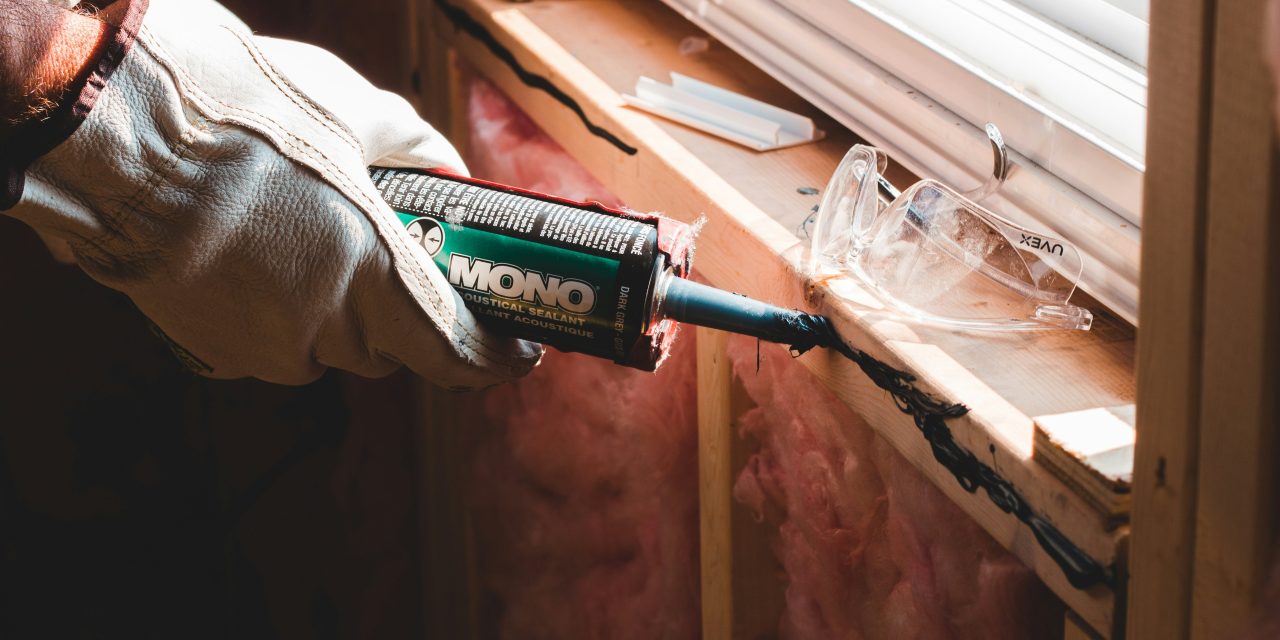
One of the most effective ways to enhance energy efficiency in a home is by sealing air leaks. Air infiltration can account for up to 30% of a home’s heating and cooling costs, leading to increased energy consumption and higher utility bills. Common areas where air leaks occur include windows, doors, electrical outlets, and ductwork. By identifying and sealing these leaks, homeowners can significantly reduce energy waste and improve indoor comfort.
To seal air leaks effectively, homeowners can utilize weatherstripping, caulking, and foam sealants. Weatherstripping is ideal for movable components like doors and windows, while caulking is best suited for stationary joints and cracks. Additionally, foam sealants can be applied around plumbing penetrations and electrical outlets to create a tight seal. By investing time and resources into sealing air leaks, homeowners can achieve a more energy-efficient environment, ultimately leading to reduced greenhouse gas emissions.
Upgrade to Low-Flow Fixtures

Water conservation is another critical aspect of eco-friendly home repairs, and upgrading to low-flow fixtures is an excellent way to achieve this goal. Traditional faucets and showerheads can consume an excessive amount of water, contributing to higher utility bills and unnecessary waste. Low-flow fixtures are designed to reduce water consumption without sacrificing performance, making them an ideal choice for environmentally conscious homeowners.
Low-flow showerheads can reduce water usage by up to 50%, while low-flow faucets can save approximately 30% more water than standard models. These fixtures utilize innovative technology to maintain water pressure while minimizing flow rates. Additionally, many low-flow fixtures are easy to install and can be retrofitted onto existing plumbing systems. By making this simple upgrade, homeowners can significantly decrease their water consumption, leading to both environmental benefits and cost savings.
Install Programmable Thermostats

The installation of programmable thermostats is a transformative step toward achieving energy efficiency in residential settings. These advanced devices allow homeowners to customize heating and cooling schedules based on their daily routines, ensuring that energy is not wasted when the home is unoccupied. By optimizing temperature settings, programmable thermostats can lead to substantial reductions in energy consumption.
Research indicates that homeowners can save up to 10% on heating and cooling costs by adjusting their thermostat by just 7-10 degrees for eight hours a day. Modern programmable thermostats often come equipped with smart technology that enables remote access via smartphones or tablets. This feature allows users to monitor and adjust their home’s temperature from anywhere, further enhancing energy efficiency. By investing in programmable thermostats, homeowners can enjoy a comfortable living environment while minimizing their ecological impact.
Use Non-Toxic, Sustainable Paints
When it comes to home repairs and renovations, the choice of paint plays a significant role in both aesthetics and environmental impact. Traditional paints often contain volatile organic compounds (VOCs), which can contribute to indoor air pollution and pose health risks. Opting for non-toxic, sustainable paints is an essential step toward creating a healthier living space.
Sustainable paints are formulated with natural ingredients that minimize harmful emissions while providing excellent coverage and durability. Many brands offer low-VOC or zero-VOC options that are safe for both occupants and the environment. Additionally, these paints come in a variety of colors and finishes, allowing homeowners to achieve their desired aesthetic without compromising on health or sustainability. By choosing non-toxic paints for home repairs, individuals can enhance indoor air quality while contributing to a greener planet.
Repair and Insulate Windows
Windows are critical components of any home, providing natural light and ventilation while also serving as potential sources of energy loss. Repairing and insulating windows is an effective strategy for improving energy efficiency and reducing heating and cooling costs. Drafty windows can lead to significant temperature fluctuations within the home, resulting in increased reliance on HVAC systems.
To enhance window performance, homeowners should first inspect for any signs of damage or wear. Simple repairs such as replacing broken seals or adding weatherstripping can make a substantial difference in energy efficiency. Additionally, insulating window treatments like thermal curtains or cellular shades can help regulate indoor temperatures by reducing heat transfer. By prioritizing window repair and insulation, homeowners can create a more comfortable living environment while minimizing energy consumption.
Switch to LED Lighting
Lighting plays a crucial role in both the functionality and ambiance of a home. However, traditional incandescent bulbs are notoriously inefficient, converting only about 10% of energy into visible light while wasting the rest as heat. Switching to LED lighting is one of the most impactful eco-friendly home repairs that homeowners can undertake.
LED bulbs consume up to 80% less energy than incandescent bulbs and have an impressive lifespan of up to 25,000 hours compared to just 1,000 hours for traditional bulbs. This longevity translates into fewer replacements and reduced waste over time. Furthermore, LED lighting options are available in various styles and color temperatures, allowing homeowners to customize their lighting according to their preferences. By making the switch to LED lighting, individuals can significantly reduce their energy consumption while enjoying enhanced illumination throughout their homes.
Fix Leaky Faucets and Pipes
Leaky faucets and pipes are not only annoying but also contribute to significant water waste over time. A single dripping faucet can waste over 3,000 gallons of water annually, leading to increased utility bills and unnecessary strain on local water resources. Addressing these leaks promptly is essential for both environmental conservation and cost savings.
Homeowners should regularly inspect faucets, showerheads, and pipes for signs of leakage or corrosion. Simple repairs such as replacing washers or tightening fittings can often resolve minor leaks without the need for professional assistance. In cases where leaks persist or involve complex plumbing issues, consulting a licensed plumber may be necessary. By fixing leaky faucets and pipes promptly, homeowners can conserve water while reducing their overall environmental impact.
Replace Old Appliances with Energy Star Models
Appliances account for a significant portion of household energy consumption, making them prime candidates for eco-friendly upgrades. Replacing old appliances with Energy Star-rated models is an effective way to enhance energy efficiency while reducing utility costs. Energy Star appliances meet strict efficiency guidelines set by the U.S. Environmental Protection Agency (EPA) and are designed to consume less energy without sacrificing performance.
For instance, Energy Star refrigerators use approximately 15% less energy than standard models, while Energy Star washing machines consume about 25% less water per load compared to conventional machines. Investing in these high-efficiency appliances not only leads to immediate savings on utility bills but also contributes to long-term environmental benefits by reducing greenhouse gas emissions associated with energy production. Homeowners should consider upgrading their appliances as part of their commitment to sustainable living.
Utilize Recycled and Sustainable Materials
Incorporating recycled and sustainable materials into home repairs is an excellent way to minimize environmental impact while enhancing aesthetic appeal. Many building materials are now available in recycled forms, including reclaimed wood, recycled metal, and eco-friendly insulation made from recycled paper products or denim.
Using sustainable materials not only reduces waste but also supports responsible sourcing practices that prioritize environmental stewardship. For example, bamboo flooring is a rapidly renewable resource that offers durability and aesthetic appeal without contributing to deforestation concerns associated with traditional hardwoods. By choosing recycled and sustainable materials for home repairs, homeowners can create beautiful spaces while promoting a circular economy that benefits both people and the planet.
Maintain Your HVAC System for Optimal Performance
Regular maintenance of heating, ventilation, and air conditioning (HVAC) systems is crucial for ensuring optimal performance and energy efficiency in homes. Neglected HVAC systems can lead to increased energy consumption due to reduced efficiency caused by dirt buildup or mechanical issues. Routine maintenance tasks such as changing air filters, cleaning ducts, and scheduling professional inspections can significantly enhance system performance.
Homeowners should aim to change air filters every one to three months depending on usage levels and filter type. Additionally, scheduling annual professional inspections ensures that any potential issues are identified early on before they escalate into costly repairs or replacements. By prioritizing HVAC maintenance, individuals can enjoy improved indoor air quality while maximizing energy efficiency throughout their homes.
In summary, eco-friendly home repairs encompass a wide range of practices aimed at enhancing sustainability while improving comfort and efficiency within residential spaces. From sealing air leaks and upgrading fixtures to utilizing non-toxic materials and maintaining HVAC systems, homeowners have numerous opportunities to make impactful changes that benefit both their households and the environment at large. By embracing these eco-friendly initiatives, individuals contribute not only to their well-being but also to the health of our planet for generations to come.
FAQs
What are eco-friendly materials for home repairs?
Eco-friendly materials for home repairs include sustainable wood, bamboo, recycled metal, low-VOC (volatile organic compounds) paints, and natural insulation materials like cellulose or sheep’s wool. These materials minimize environmental impact and often improve indoor air quality.
How can I make my home repairs more sustainable?
You can make your home repairs more sustainable by using eco-friendly materials, reducing waste through recycling and reusing old materials, opting for energy-efficient appliances, and hiring local contractors to minimize transportation emissions.
Are there any certifications for eco-friendly home repair products?
Yes, there are several certifications for eco-friendly home repair products, including the Forest Stewardship Council (FSC) for wood products, Energy Star for energy-efficient appliances, and Green Seal for cleaning products. These certifications help consumers identify environmentally responsible options.
What are the benefits of using eco-friendly home repair methods?
The benefits of using eco-friendly home repair methods include reduced environmental impact, improved indoor air quality, potential cost savings on energy bills, and increased home value due to sustainable features. Additionally, these methods often promote healthier living spaces.
Can I DIY eco-friendly home repairs?
Yes, many eco-friendly home repairs can be done as DIY projects. Simple tasks like painting with low-VOC paints, installing energy-efficient lighting, or using reclaimed materials for renovations can be accomplished with basic tools and skills. However, for complex repairs, it’s advisable to consult a professional.