Navigating the intricacies of a lease agreement is crucial for any renter. A lease serves as a binding contract between the tenant and the landlord, outlining the rights and responsibilities of both parties. Understanding what repairs fall under your purview can save you from unexpected expenses and disputes. Typically, tenants are responsible for minor repairs and maintenance, such as changing light bulbs, replacing batteries in smoke detectors, and keeping the property clean. However, significant repairs, such as plumbing issues or structural damage, usually fall under the landlord’s jurisdiction.
It’s essential to read your lease thoroughly to identify specific clauses related to repairs and maintenance. Some agreements may stipulate that tenants must report issues promptly to avoid further damage, while others may outline a clear division of responsibilities. Familiarizing yourself with these details can empower you to advocate for your rights effectively. If you encounter a repair issue, document it with photographs and written communication to ensure clarity when discussing it with your landlord.
Essential Tools Every Renter Should Have on Hand
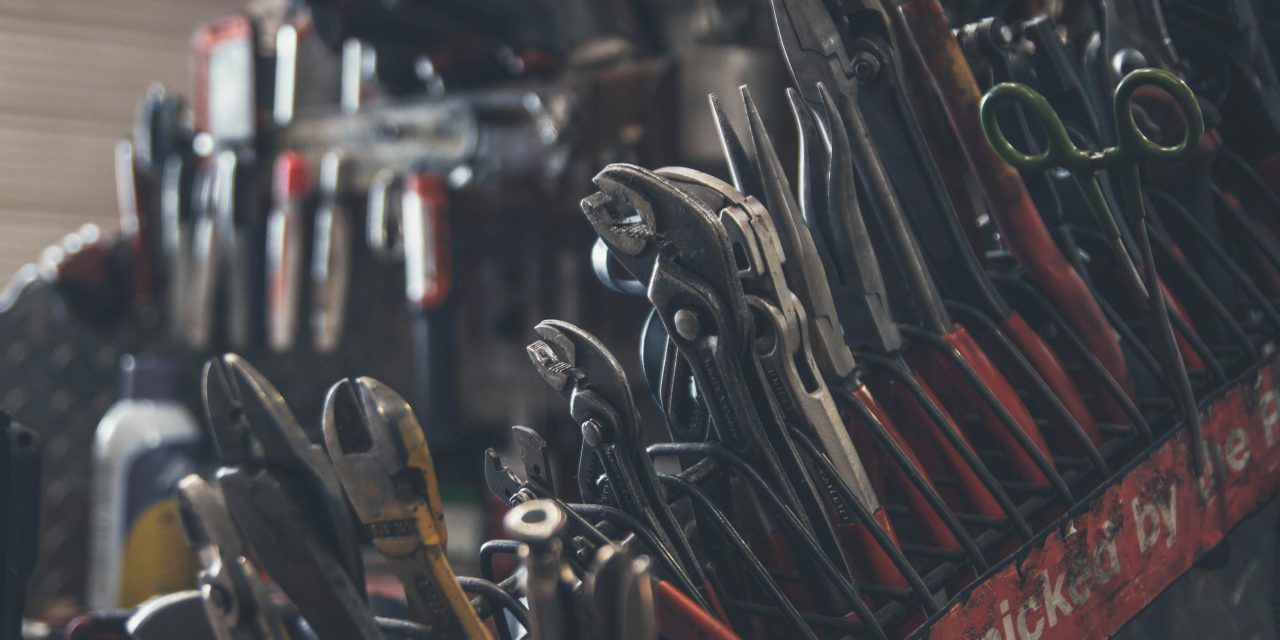
Equipping yourself with essential tools can make a significant difference in managing minor repairs and maintenance tasks around your rental property. A well-stocked toolbox not only empowers you to address issues promptly but also fosters a sense of independence. Key tools every renter should consider include:
1. **Screwdriver Set**: A versatile screwdriver set with both flathead and Phillips head options is indispensable for assembling furniture or tightening loose fixtures.
2. **Adjustable Wrench**: This tool is essential for plumbing tasks, such as tightening or loosening nuts and bolts on faucets and pipes.
3. **Pliers**: A pair of pliers can assist in gripping, twisting, or cutting wires and other materials.
4. **Utility Knife**: Ideal for opening boxes or cutting through packaging materials, a utility knife is a handy tool for any renter.
5. **Tape Measure**: Accurate measurements are crucial when arranging furniture or hanging artwork.
Having these tools readily available can empower you to tackle minor repairs efficiently, reducing the need to call in professionals for simple tasks.
How to Fix a Leaky Faucet Quickly and Easily

A leaky faucet can be more than just an annoyance; it can lead to increased water bills and potential water damage over time. Fortunately, fixing a leaky faucet is often a straightforward task that most renters can handle with minimal tools. Begin by identifying the type of faucet you have—compression, cartridge, ball, or ceramic disk—as this will dictate the repair process.
To fix the leak, first, turn off the water supply to the faucet. Next, plug the drain to prevent small parts from falling in. Disassemble the faucet by removing the handle and any retaining screws. Inspect the O-rings and washers for wear or damage; these components are often the culprits behind leaks. Replace any worn parts with new ones from a hardware store, ensuring they match the specifications of your faucet model. Reassemble the faucet, turn the water supply back on, and check for leaks. This simple repair can save you money and extend the life of your plumbing fixtures.
Dealing with Clogged Drains Without Calling a Plumber

Clogged drains are a common issue in rental properties, but many minor blockages can be resolved without professional assistance. Before resorting to chemical drain cleaners—which can be harsh on pipes—consider using natural remedies or simple tools. One effective method involves using a plunger; ensure there’s enough water in the sink or tub to cover the plunger’s cup, then create a tight seal and plunge vigorously.
If plunging doesn’t work, try a mixture of baking soda and vinegar. Pour half a cup of baking soda down the drain, followed by half a cup of vinegar. Allow the mixture to fizz for about 30 minutes before flushing it with hot water. This combination can help break down grease and debris without damaging your plumbing system.
For persistent clogs, a plumber’s snake can be an invaluable tool. Insert the snake into the drain until you feel resistance; then twist and push to dislodge the blockage. If these methods fail, it may be time to consult your landlord about professional intervention.
Tips for Maintaining Heating and Cooling Systems
Proper maintenance of heating and cooling systems is essential for ensuring comfort in your rental property while also promoting energy efficiency. Regular upkeep can prevent costly repairs and extend the lifespan of these systems. Start by changing air filters every one to three months; dirty filters restrict airflow and reduce efficiency.
Additionally, keep vents clear of obstructions such as furniture or curtains to allow for optimal airflow throughout your living space. If you have a central heating or cooling system, consider scheduling annual inspections with a qualified technician to ensure everything is functioning correctly.
For window units or portable air conditioners, clean the filters regularly and check for any signs of mold or mildew buildup. In colder months, ensure that radiators or baseboard heaters are free from dust and debris to maximize heat output.
Simple Ways to Patch Small Holes and Cracks in Walls
Over time, small holes and cracks can develop in walls due to everyday wear and tear or hanging pictures and shelves. Fortunately, patching these imperfections is a manageable task that can enhance the appearance of your rental space. For small holes (such as those left by nails), use spackling compound or wall putty. Apply a small amount with a putty knife, smoothing it over the hole until it’s flush with the wall surface.
For larger cracks or holes, consider using joint compound or drywall patches. Cut a piece of drywall slightly larger than the hole, then trace around it on the wall. Cut along the traced lines to create an opening that matches your patch size. Secure the patch in place with drywall screws and apply joint compound around the edges to blend it into the wall surface.
Once dry, sand the area smooth before painting over it to match your wall color. This simple repair can significantly improve your living space’s aesthetics while ensuring you maintain your security deposit.
How to Reset Tripped Circuit Breakers Safely
Electrical issues can be daunting for renters; however, resetting tripped circuit breakers is often a straightforward process that anyone can manage safely. Begin by locating your circuit breaker panel—typically found in basements or utility rooms—and identifying which breaker has tripped (usually indicated by a switch that is in the “off” position).
Before resetting the breaker, ensure that any appliances connected to that circuit are unplugged or turned off to prevent overloads upon reset. Firmly push the tripped breaker switch all the way to the “off” position before flipping it back to “on.” If it trips again immediately, there may be an underlying electrical issue that requires professional attention.
Always prioritize safety when dealing with electrical systems; if you’re unsure about any aspect of resetting breakers or if problems persist, consult your landlord or an electrician for assistance.
Preventing Mold and Mildew in Humid Areas
Mold and mildew thrive in damp environments, making prevention crucial for maintaining a healthy living space in rental properties. To combat humidity-related issues, ensure proper ventilation in areas prone to moisture accumulation—such as bathrooms and kitchens—by using exhaust fans or opening windows during showers or cooking.
Regularly inspect areas like under sinks and around windows for signs of leaks or condensation; addressing these issues promptly can prevent mold growth before it starts. Additionally, consider using dehumidifiers in particularly humid areas to maintain optimal moisture levels.
Cleaning surfaces with mold-inhibiting solutions can also help deter growth; vinegar or hydrogen peroxide are effective natural options that can be used on various surfaces without harsh chemicals.
Properly Cleaning and Maintaining Appliances
Maintaining appliances not only prolongs their lifespan but also ensures they operate efficiently—saving you money on energy bills in the long run. Start by regularly cleaning refrigerator coils; dust buildup can hinder performance and lead to overheating. Wipe down surfaces inside and outside appliances with appropriate cleaners to prevent grime accumulation.
For washing machines, periodically run an empty cycle with hot water and vinegar to eliminate odors and buildup in hoses. Dishwashers benefit from regular cleaning as well; run a cycle with dishwasher cleaner or vinegar to remove residue from filters and spray arms.
Lastly, always refer to appliance manuals for specific maintenance recommendations tailored to each unit’s needs.
Handling Pest Control Issues Without Damaging Property
Pest control is an essential aspect of maintaining a healthy living environment in rental properties. While some infestations may require professional extermination services, many minor pest issues can be addressed without causing damage to your property. Start by identifying common pests—such as ants, cockroaches, or rodents—and researching appropriate prevention methods.
Seal entry points around windows, doors, and pipes using caulk or weather stripping to deter pests from entering your home. Keeping food stored in airtight containers can also minimize attractants for pests.
If you encounter pests like ants or cockroaches indoors, consider using natural deterrents such as diatomaceous earth or essential oils like peppermint or tea tree oil—both known for their pest-repelling properties.
When and How to Communicate Repair Needs to Your Landlord
Effective communication with your landlord is vital when addressing repair needs within your rental property. Begin by documenting any issues thoroughly—take photographs and note specific details about when the problem occurred and its impact on your living conditions.
Once you have gathered this information, reach out to your landlord via email or written communication rather than verbal discussions; this creates a record of your request for future reference. Be clear about what repairs are needed and express any urgency if applicable.
If your landlord fails to respond within a reasonable timeframe, follow up politely but firmly; understanding local tenant laws regarding repair requests can also empower you during this process.
In summary, understanding your lease agreement is crucial for navigating repair responsibilities effectively as a renter. Equipping yourself with essential tools enables you to tackle minor repairs independently while knowing how to address common issues like leaky faucets or clogged drains can save time and money. Regular maintenance of heating systems, patching walls, resetting circuit breakers safely, preventing mold growth, cleaning appliances properly, handling pest control issues responsibly, and communicating effectively with landlords are all vital skills that contribute to a positive renting experience. By taking proactive steps in these areas, renters can create comfortable living environments while safeguarding their investments in their homes.
FAQs
What types of repairs can renters typically handle themselves?
Renters can often handle minor repairs such as changing light bulbs, unclogging drains, patching small holes in walls, and replacing air filters. However, it’s important to check the lease agreement for any specific restrictions on repairs.
Do renters need permission from their landlord for repairs?
Yes, renters should always seek permission from their landlord before undertaking any significant repairs or modifications to the property. This ensures that the landlord is aware of the changes and can provide guidance or assistance if needed.
What should a renter do if they encounter a maintenance issue?
If a renter encounters a maintenance issue, they should promptly notify their landlord or property management in writing. It’s important to document the issue and any communication regarding it to ensure a timely resolution.
Are renters responsible for damages caused by their own negligence?
Yes, renters are typically responsible for damages that occur due to their own negligence or misuse of the property. This can include things like water damage from a leaky faucet that was not reported or damage caused by improper use of appliances.
What resources are available for renters needing repair assistance?
Renters can access various resources for repair assistance, including local tenant rights organizations, online forums, and community workshops. Additionally, many landlords have maintenance staff or contractors they can recommend for specific issues.