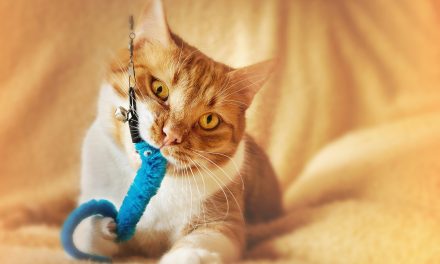
Cats are complex creatures with unique behavioral and emotional requirements. Understanding these needs is crucial for any cat owner, as it directly impacts their well-being and happiness. Felines are inherently independent animals, yet they thrive on companionship and stimulation. They require a safe environment where they can express their natural instincts, such as climbing, scratching, and hunting. Providing a variety of enrichment activities, such as interactive toys and climbing structures, can significantly enhance their quality of life.
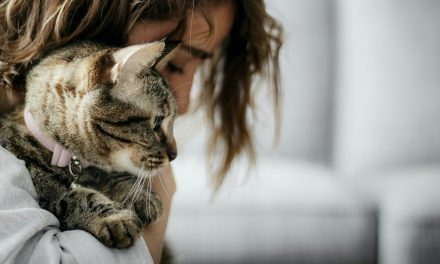
Moreover, social interaction is vital for a cat’s emotional health. While some cats may enjoy solitude, others may become anxious or depressed when left alone for extended periods. Regular engagement through playtime and affection helps strengthen the bond between owner and pet. Understanding your cat’s individual personality traits will enable you to cater to their specific needs, ensuring they remain content and healthy.
Maximum Timeframes for Leaving a Cat Alone
Determining how long a cat can be left alone depends on various factors, including age, health, and temperament. Generally, adult cats can be left alone for up to 24 hours without significant issues. However, it is advisable to avoid leaving them unattended for more than 12 hours at a time to prevent boredom and anxiety. Kittens, on the other hand, require more frequent attention and should not be left alone for more than 4-6 hours due to their need for social interaction and care.
Senior cats or those with health issues may also require closer monitoring. These cats may experience increased anxiety when left alone or may need assistance with medication or special dietary requirements. It is essential to assess your cat’s individual needs and establish a routine that accommodates their specific circumstances.
Age and Health Considerations

Age plays a critical role in determining how long a cat can be left alone. Kittens are particularly vulnerable; they require regular feeding, socialization, and supervision to ensure their safety and development. Leaving them alone for extended periods can lead to behavioral issues or accidents. As cats mature into adulthood, they generally become more independent but still benefit from regular interaction.
Health considerations are equally important. Cats with chronic illnesses or those recovering from surgery may require more frequent monitoring and care. Conditions such as diabetes necessitate regular feeding schedules and insulin administration, making it imperative to have someone available to assist if you must be away. Always consult with your veterinarian regarding your cat’s specific health needs before planning any extended absences.
Preparing Your Home Before Leaving

Preparation is key when planning to leave your cat alone for any length of time. Start by ensuring that your home is safe and secure. Remove any hazardous items that could pose a risk, such as toxic plants or small objects that could be ingested. Additionally, check that windows and doors are securely closed to prevent escapes or accidents.
Creating a comfortable environment is also essential. Set up a designated area with cozy bedding, toys, and scratching posts to keep your cat entertained. Familiar scents from your clothing or blankets can provide comfort while you are away. Consider using pheromone diffusers or sprays to help reduce anxiety levels in your feline friend during your absence.
Providing Food and Water for Extended Periods
Ensuring your cat has access to food and water is paramount when leaving them alone. For short absences, automatic feeders can dispense pre-measured portions at scheduled intervals, ensuring your cat receives adequate nutrition without overindulging. For longer durations, consider using a gravity-fed water dispenser that provides a continuous supply of fresh water.
It is crucial to monitor your cat’s dietary needs based on their age, weight, and health status. Consult with your veterinarian to determine the appropriate type of food and portion sizes before leaving your pet alone. Additionally, consider leaving some treats or puzzle feeders that encourage mental stimulation while providing nourishment.
Ensuring Litter Box Cleanliness
Maintaining a clean litter box is essential for your cat’s comfort and hygiene while you are away. A dirty litter box can lead to stress and inappropriate elimination behaviors. If you plan to be gone for an extended period, ensure that the litter box is clean before you leave and consider adding an extra box if you have multiple cats.
For longer absences, consider using self-cleaning litter boxes that automatically sift waste, reducing the need for manual cleaning during your time away. If this option is not feasible, ask a friend or pet sitter to check in periodically to clean the litter box and replenish supplies as needed.
Entertainment and Mental Stimulation
Cats require mental stimulation to prevent boredom and associated behavioral issues. Before leaving home, provide various toys that encourage play and exploration. Interactive toys that dispense treats or require problem-solving can keep your cat engaged while you are away.
Additionally, consider setting up a cozy perch by a window where your cat can observe the outside world. The sights and sounds of birds or passing cars can provide endless entertainment. Leaving on soft music or nature sounds can also create a calming atmosphere that helps alleviate anxiety during your absence.
Safety Precautions While You’re Away
Safety should always be a priority when leaving your cat alone at home. Ensure that all potential hazards are removed from their environment. Secure electrical cords, remove toxic plants, and store cleaning supplies out of reach. If you have multiple pets, monitor their interactions to prevent conflicts that could lead to injury.
Consider using baby gates or pet barriers to restrict access to certain areas of the house where accidents could occur. Additionally, ensure that all windows are securely closed or screened to prevent escapes or falls. Taking these precautions will help create a safe environment for your feline companion while you are away.
Signs Your Cat Is Stressed or Unwell
Recognizing signs of stress or illness in your cat is crucial for their well-being. Common indicators of stress include excessive vocalization, hiding, changes in appetite, or destructive behavior. If you notice any of these signs while you are away, it may indicate that your cat is struggling with separation anxiety or other underlying issues.
Physical symptoms such as vomiting, diarrhea, lethargy, or changes in grooming habits can signal health problems that require immediate attention. If you suspect your cat is unwell or overly stressed during your absence, consult with your veterinarian for guidance on how to address these concerns effectively.
When to Ask a Friend or Pet Sitter for Help
If you anticipate being away for an extended period or feel uncertain about leaving your cat alone, enlisting the help of a friend or professional pet sitter can provide peace of mind. A trusted individual can check in on your cat regularly, ensuring they receive companionship, food, water, and litter box maintenance.
When selecting a pet sitter, choose someone who is familiar with cats and understands their unique needs. Provide detailed instructions regarding feeding schedules, medication administration (if applicable), and emergency contacts in case of unforeseen circumstances.
Tips for Returning Home and Reconnecting with Your Cat
Upon returning home after an absence, take time to reconnect with your cat gradually. Allow them space to approach you on their terms; some cats may need time to adjust after being left alone. Engage in gentle playtime or offer treats as a way to rebuild trust and reinforce positive associations.
Monitor your cat’s behavior closely during the first few days back home; any signs of stress or changes in routine should be addressed promptly. Re-establishing a consistent daily routine will help ease any anxiety they may have experienced during your absence.
In summary, understanding your cat’s needs is essential for ensuring their well-being while you’re away from home. By preparing adequately—considering factors such as age and health—providing food and water solutions, maintaining cleanliness in the litter box, ensuring safety precautions are in place, and recognizing signs of stress or illness, you can create an environment conducive to their happiness even in your absence. If necessary, don’t hesitate to seek assistance from friends or professional pet sitters to ensure your feline companion remains content until you return home.
FAQs
How long can I safely leave my cat alone?
Most cats can be left alone for up to 24 hours, but it is generally recommended not to leave them alone for more than 8-12 hours at a time. Cats are independent animals, but they still require social interaction, food, and access to clean litter boxes.
What should I do to prepare my cat for being alone?
To prepare your cat for being alone, ensure they have enough food and fresh water, provide a clean litter box, and create a safe environment free from hazards. You can also leave toys or interactive puzzles to keep them entertained while you are away.
Can I leave my cat alone for a weekend?
Leaving a cat alone for an entire weekend is not advisable unless you have made special arrangements. If you must be away for that long, consider having a friend or pet sitter check in on them daily to provide food, water, and companionship.
What are the signs that my cat is stressed when left alone?
Signs of stress in cats can include excessive vocalization, destructive behavior, changes in eating or litter box habits, and hiding. If you notice these behaviors, it may indicate that your cat is not coping well with being left alone.
Are there any alternatives to leaving my cat alone?
Alternatives to leaving your cat alone include hiring a pet sitter, asking a friend or family member to check in on them, or using a boarding facility. These options can provide companionship and care while you are away, ensuring your cat remains happy and healthy.