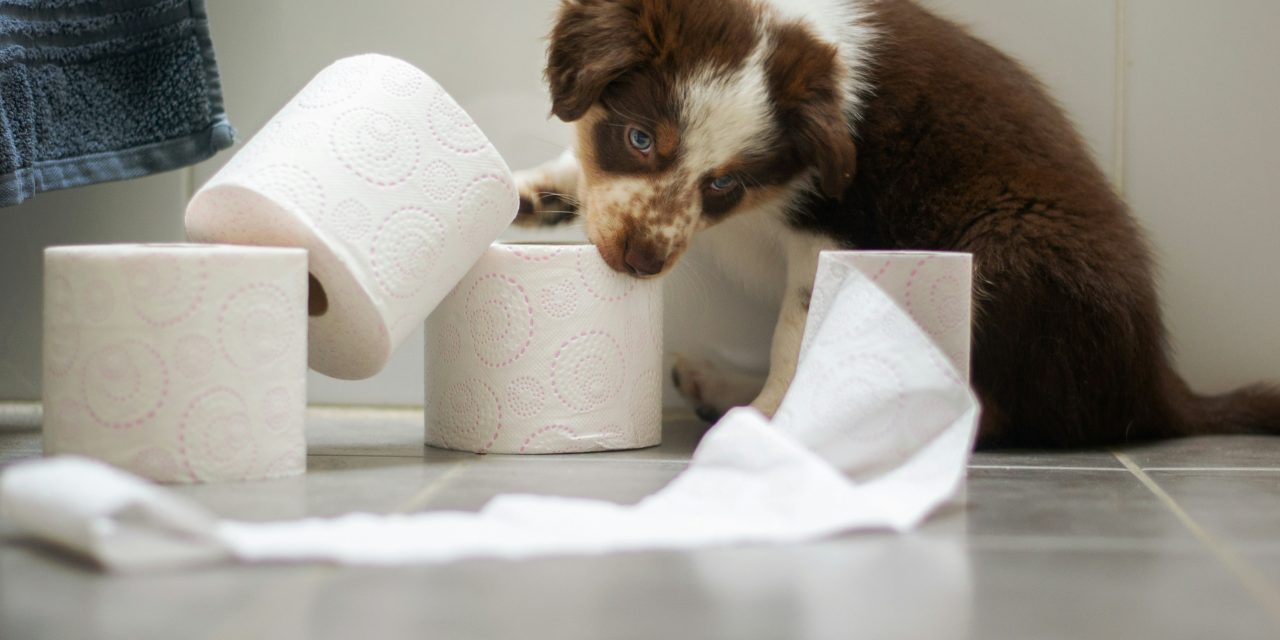
Puppy potty training is a fundamental aspect of responsible pet ownership that lays the groundwork for a harmonious relationship between the owner and the canine companion. The process involves teaching a puppy to eliminate waste in designated areas, thereby minimizing indoor accidents and promoting hygiene. Understanding the biological and behavioral aspects of puppies is crucial; they have small bladders and limited control over their elimination urges, especially in the early months of life. Typically, puppies can hold their bladder for about one hour for every month of age, plus one additional hour. For instance, a three-month-old puppy can generally wait for approximately four hours before needing to relieve itself.
Moreover, it is essential to recognize that each puppy is unique, with varying learning speeds and temperaments. Some may grasp the concept of potty training quickly, while others may require more time and patience. Consistency, positive reinforcement, and understanding are key components in this educational journey. By establishing a solid foundation in potty training, owners can foster a sense of security and comfort for their puppies, ultimately leading to a well-adjusted adult dog.
Preparing Your Home and Supplies
Before embarking on the potty training journey, it is vital to prepare your home and gather necessary supplies. A designated potty area should be established, whether it be outdoors or an indoor alternative such as puppy pads. If opting for outdoor training, ensure that the area is easily accessible and free from distractions that may divert your puppy’s attention. For indoor training, select a specific location that is away from high-traffic areas to help your puppy associate that spot with elimination.
Essential supplies include high-quality puppy pads or newspapers if training indoors, cleaning agents designed to neutralize pet odors, and treats for positive reinforcement. Additionally, consider investing in an enzymatic cleaner to effectively eliminate any lingering scents that may encourage repeat accidents in the same spot. Having these supplies readily available will streamline the training process and create a conducive environment for your puppy to learn.
Establishing a Consistent Potty Schedule

Establishing a consistent potty schedule is paramount in successfully training your puppy. Puppies thrive on routine, and regular potty breaks will help them develop a predictable elimination pattern. A general guideline is to take your puppy outside first thing in the morning, after meals, after playtime, and before bedtime. As a rule of thumb, puppies should be taken out every two to four hours during the day.
In addition to scheduled breaks, pay attention to your puppy’s natural rhythms. Puppies often need to relieve themselves after eating or drinking, so monitoring their feeding schedule can aid in predicting when they will need to go outside. Keeping a log of your puppy’s potty habits can also provide valuable insights into their patterns and help you adjust the schedule as needed.
Choosing the Right Potty Spot

Selecting an appropriate potty spot is crucial for effective training. The chosen area should be consistent and easily accessible for your puppy. Ideally, it should be a quiet location away from distractions such as loud noises or other animals that may deter your puppy from focusing on the task at hand. Grass or dirt surfaces are preferable as they are more natural for dogs compared to concrete or gravel.
When introducing your puppy to the designated potty area, use a specific command or phrase such as “go potty” to create an association between the command and the action. Repeating this command consistently will help your puppy understand what is expected of them when taken to that spot. Over time, they will begin to recognize the area as their designated elimination zone.
Recognizing Your Puppy’s Potty Signals
Understanding your puppy’s potty signals is essential for timely intervention during training. Puppies often exhibit specific behaviors when they need to relieve themselves, such as sniffing around, circling, whining, or heading toward the door. Being attentive to these cues will enable you to respond promptly and take your puppy outside before an accident occurs.
Additionally, some puppies may exhibit signs of restlessness or pacing when they need to go out. It is important to remain vigilant and proactive in recognizing these signals rather than waiting for your puppy to vocalize their needs. By doing so, you can reinforce positive habits and minimize indoor accidents.
Using Positive Reinforcement and Rewards
Positive reinforcement is a powerful tool in puppy potty training that encourages desired behaviors through rewards. When your puppy successfully eliminates in the designated area, immediately praise them enthusiastically and offer a treat as a reward. This positive association will motivate your puppy to repeat the behavior in the future.
Consistency is key when using positive reinforcement; ensure that rewards are given promptly after successful elimination to reinforce the connection between the action and the reward. Over time, you can gradually reduce the frequency of treats while continuing verbal praise to maintain motivation. This approach fosters a trusting relationship between you and your puppy while promoting good habits.
Handling Accidents Calmly and Effectively
Accidents are an inevitable part of the potty training process; how you handle them can significantly impact your puppy’s learning experience. It is crucial to remain calm and avoid punishment when accidents occur. Instead of scolding your puppy, focus on cleaning up the mess thoroughly using an enzymatic cleaner to eliminate odors that may attract them back to the same spot.
If you catch your puppy in the act of eliminating indoors, gently interrupt them with a firm “no” and immediately take them outside to their designated potty area. Praise them if they finish outside. This approach helps redirect their behavior without instilling fear or anxiety about elimination.
Crate Training as a Potty Training Tool
Crate training can be an effective method for potty training puppies when used correctly. A crate serves as a safe space for your puppy while also leveraging their natural instinct not to soil their sleeping area. When introducing your puppy to the crate, ensure it is comfortable and inviting with bedding and toys.
To utilize crate training for potty training, limit your puppy’s time inside the crate based on their age—generally no longer than one hour per month of age. Take them outside immediately after letting them out of the crate to reinforce the connection between being crated and needing to eliminate outdoors. This method not only aids in potty training but also helps establish boundaries and promotes good behavior.
Gradually Increasing Freedom and Independence
As your puppy becomes more reliable with their potty habits, you can gradually increase their freedom within your home. Start by allowing access to one room at a time while continuing to monitor their behavior closely. This gradual approach helps prevent accidents while giving your puppy opportunities to explore their environment.
During this phase, maintain consistency with potty breaks and continue reinforcing positive behaviors with praise and treats. As your puppy demonstrates reliability over time, you can expand their access throughout the house while still adhering to established routines.
Troubleshooting Common Potty Training Challenges
Despite best efforts, some common challenges may arise during potty training that require troubleshooting. One frequent issue is regression; if your puppy begins having accidents after previously being trained successfully, it may indicate stress or changes in routine. Evaluate any recent changes in their environment or schedule that could be contributing factors.
Another challenge may involve stubbornness or refusal to eliminate outdoors. In such cases, ensure that outdoor conditions are conducive for elimination—avoid extreme weather or distractions that may deter your puppy from focusing on their task. If necessary, consult with a veterinarian or professional trainer for additional guidance tailored to your specific situation.
Maintaining Good Habits for Long-Term Success
Once potty training is successfully established, maintaining good habits is essential for long-term success. Continue reinforcing positive behaviors through praise and rewards even after your puppy has mastered elimination outdoors. Regularly scheduled potty breaks should remain part of their routine as they transition into adulthood.
Additionally, be mindful of any changes in routine or environment that could disrupt established habits—such as moving homes or introducing new pets—so you can proactively address any potential issues before they arise. By fostering an ongoing commitment to good habits, you can ensure a well-adjusted adult dog who understands appropriate elimination behaviors.
In summary, effective puppy potty training requires understanding basic principles, preparing adequately, establishing routines, recognizing signals, using positive reinforcement, handling accidents calmly, utilizing crate training effectively, troubleshooting challenges, and maintaining good habits over time. With patience and consistency, owners can successfully guide their puppies toward becoming well-behaved companions who understand appropriate elimination practices.
FAQs
What is the best age to start potty training a puppy?
The best age to start potty training a puppy is typically between 12 to 16 weeks old. At this age, puppies have developed enough control over their bladder and bowels to begin learning where it is appropriate to relieve themselves.
How often should I take my puppy outside to potty?
Puppies should be taken outside to potty every 1 to 2 hours, especially after eating, drinking, playing, or waking up from a nap. This frequent schedule helps reinforce the desired behavior and reduces the chances of accidents indoors.
What are some signs that my puppy needs to go potty?
Common signs that your puppy needs to go potty include sniffing around, circling, whining, barking, or heading towards the door. Being attentive to these cues can help you take your puppy outside in time to prevent accidents.
Should I use a crate for potty training?
Yes, using a crate can be an effective tool for potty training. Crates provide a safe space for your puppy and help them learn to hold their bladder, as dogs naturally avoid soiling their sleeping area. Just ensure the crate is appropriately sized and never used for extended periods.
What should I do if my puppy has an accident indoors?
If your puppy has an accident indoors, remain calm and avoid punishing them. Clean the area thoroughly to eliminate odors that might encourage repeat behavior. Instead, focus on reinforcing positive potty habits by taking them outside immediately after an accident and rewarding them for going in the right place.