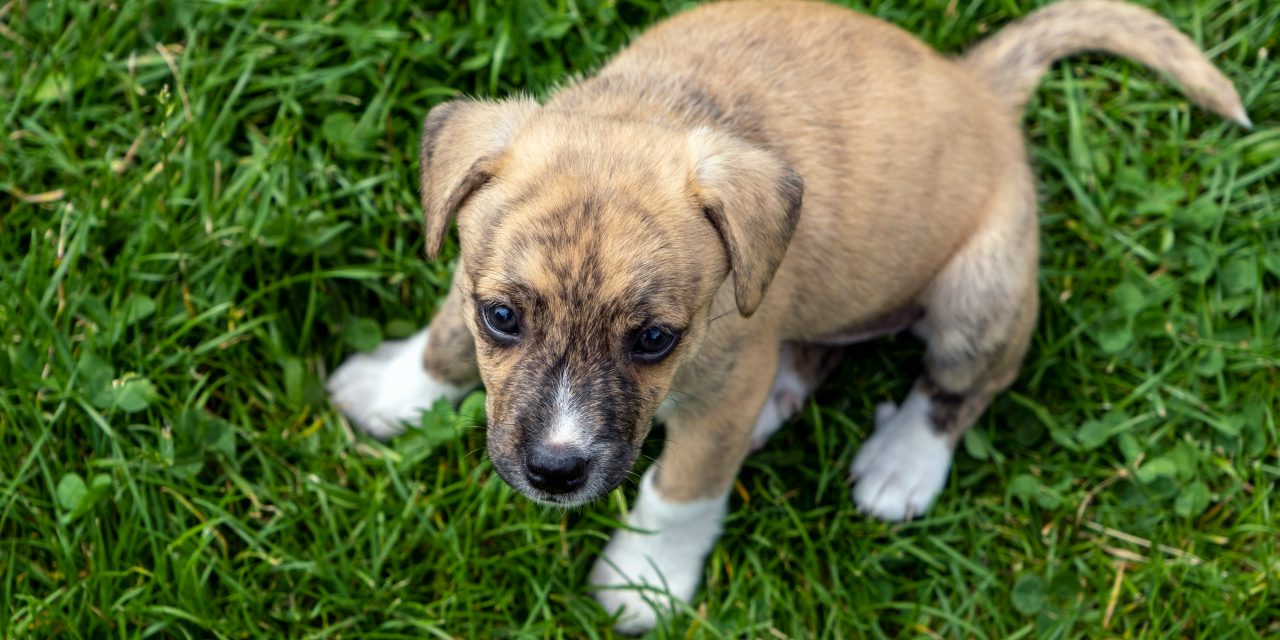
Puppies, like human infants, have limited bladder capacity that evolves as they mature. Typically, a puppy can hold its bladder for approximately one hour for every month of age, up to about six months. For instance, a two-month-old puppy may need to relieve itself every two hours, while a six-month-old can manage for about six hours. This understanding is crucial for pet owners, as it helps establish realistic expectations regarding bathroom needs and prevents accidents in the home.
The bladder’s capacity is influenced by several factors, including breed size, hydration levels, and overall health. Smaller breeds tend to have smaller bladders and may require more frequent bathroom breaks compared to larger breeds. Additionally, hydration plays a significant role; a well-hydrated puppy will need to urinate more often than one that is not adequately hydrated. Monitoring your puppy’s drinking habits can provide insights into its bathroom needs and help you anticipate when it might need to go outside.
The Importance of Frequent Bathroom Breaks
Frequent bathroom breaks are essential for maintaining your puppy’s health and well-being. Puppies are prone to urinary tract infections (UTIs) if they are not allowed to relieve themselves regularly. Holding urine for extended periods can lead to discomfort and potential health complications. By providing ample opportunities for your puppy to urinate, you can help prevent these issues and promote a healthy urinary system.
Moreover, regular bathroom breaks contribute to successful potty training. Puppies thrive on routine, and establishing a consistent schedule helps them learn where and when it is appropriate to relieve themselves. Frequent trips outside reinforce positive behaviors and reduce the likelihood of accidents indoors. This proactive approach not only fosters good habits but also strengthens the bond between you and your puppy through positive reinforcement.
Age-Based Guidelines for Taking Your Puppy Outside

Age plays a pivotal role in determining how often your puppy needs to go outside. Newborn puppies, typically under eight weeks old, may require bathroom breaks every 30 minutes to an hour due to their immature bladder control. As they grow, the frequency of these breaks will gradually decrease. By the time they reach three months of age, most puppies can hold their bladder for about three hours.
At four months, this capacity increases to approximately four hours, while six-month-old puppies can often manage up to six hours without needing a break. Understanding these age-based guidelines allows pet owners to tailor their potty training strategies effectively. It is essential to remain attentive to your puppy’s individual needs, as some may require more frequent breaks than others based on their unique physiology and temperament.
Signs Your Puppy Needs to Go Outside

Recognizing the signs that your puppy needs to relieve itself is crucial for effective potty training. Common indicators include sniffing around, circling, whining, or scratching at the door. Puppies may also exhibit restlessness or sudden changes in behavior when they need to go outside. Being vigilant and attentive to these cues can help prevent accidents and reinforce positive potty habits.
In addition to behavioral signs, physical cues can also indicate that your puppy needs to urinate. For example, if your puppy begins to squat or appears anxious, it is likely time for a bathroom break. Establishing a routine that includes regular outdoor trips will help your puppy learn to associate these signs with the need to go outside, further enhancing its understanding of appropriate bathroom behavior.
Creating a Consistent Potty Schedule
Establishing a consistent potty schedule is vital for successful potty training. A well-structured routine helps your puppy understand when it is time to go outside and reinforces good habits. Aim for regular bathroom breaks after meals, playtime, and naps, as these activities often stimulate the need to urinate.
To create an effective schedule, consider your puppy’s age and individual needs. For younger puppies, this may mean taking them outside every hour or two, while older puppies may require breaks every three to four hours. Keeping a log of your puppy’s bathroom habits can help you identify patterns and adjust the schedule as needed. Consistency is key; by adhering to a routine, you will foster a sense of security in your puppy and facilitate successful potty training.
The Role of Feeding Times in Bathroom Frequency
Feeding times significantly influence your puppy’s bathroom frequency. Puppies typically need to relieve themselves shortly after eating due to the natural digestive process. By establishing regular feeding times, you can predict when your puppy will need to go outside for a bathroom break.
It is advisable to feed your puppy at the same times each day, which will help regulate its digestive system and urinary habits. After meals, take your puppy outside within 15-30 minutes to encourage it to relieve itself. This proactive approach not only aids in potty training but also promotes healthy digestion and overall well-being.
How Weather and Activity Levels Affect Bathroom Needs
Weather conditions and activity levels can greatly impact your puppy’s bathroom needs. For instance, during hot weather, puppies may drink more water and consequently need more frequent bathroom breaks. Conversely, cold or rainy weather may discourage outdoor activity, leading some puppies to hold their bladder longer than usual.
Activity levels also play a crucial role in determining how often your puppy needs to go outside. After vigorous play or exercise, puppies are more likely to need a bathroom break due to increased physical stimulation and hydration loss through panting. Being mindful of these factors allows pet owners to adjust their potty schedules accordingly and ensure their puppies remain comfortable and healthy.
Nighttime Bathroom Breaks: What to Expect
Nighttime bathroom breaks are an essential aspect of caring for a young puppy. Most puppies will require at least one bathroom break during the night until they reach about six months of age when their bladder control improves significantly. It is common for puppies to wake up during the night due to the urge to urinate.
To minimize nighttime disruptions, consider limiting water intake before bedtime and establishing a designated sleeping area close to an exit door. When your puppy wakes up during the night, respond promptly by taking it outside rather than allowing it to whine or cry excessively. This approach reinforces the idea that nighttime bathroom breaks are normal and necessary while helping your puppy develop better bladder control over time.
Training Tips to Encourage Your Puppy to Pee Outside
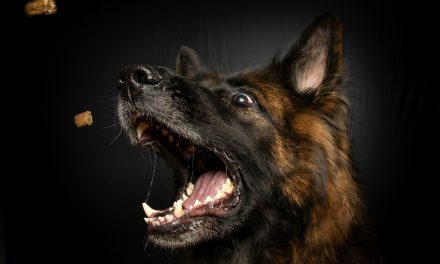
Training your puppy to pee outside requires patience and consistency. One effective method is positive reinforcement; reward your puppy with treats or praise immediately after it relieves itself outdoors. This encourages the desired behavior and helps solidify the connection between going outside and receiving rewards.
Additionally, choose a specific spot in your yard or nearby area where you want your puppy to go potty consistently. The familiar scent will signal that this is the appropriate place for bathroom breaks. Use a command phrase such as “go potty” when taking your puppy outside; over time, it will associate this phrase with the action of relieving itself.
Common Mistakes to Avoid During Potty Training
Several common mistakes can hinder successful potty training efforts. One major error is punishing your puppy for accidents indoors; this can create fear and anxiety around bathroom habits rather than encouraging positive behavior. Instead of punishment, focus on redirecting your puppy outdoors when you notice signs that it needs to go.
Another mistake is failing to establish a consistent routine or schedule for bathroom breaks. Inconsistency can confuse your puppy and lead to accidents indoors. Additionally, neglecting to supervise your puppy closely during the early stages of training can result in missed opportunities for outdoor bathroom breaks.
Adjusting Bathroom Frequency as Your Puppy Grows
As your puppy matures, its bladder capacity will increase, allowing for longer intervals between bathroom breaks. It is essential to adjust the frequency of outdoor trips accordingly as your puppy grows older. Regularly assess its needs based on age, activity level, and overall health.
By six months of age, many puppies can hold their bladder for up to six hours; however, individual variations exist based on breed size and temperament. Continue monitoring your puppy’s behavior and adjust the potty schedule as necessary while maintaining consistency in routine.
In summary, understanding your puppy’s bladder capacity and establishing a consistent potty schedule are crucial components of successful potty training. Frequent bathroom breaks help prevent health issues while reinforcing positive behaviors through routine and rewards. Recognizing signs that indicate the need for outdoor trips allows pet owners to respond promptly and effectively train their puppies.
By considering factors such as feeding times, weather conditions, activity levels, and age-based guidelines, you can create an effective potty training strategy tailored specifically for your furry companion’s needs. Avoid common mistakes such as punishment or inconsistency while remaining attentive as your puppy grows and develops better bladder control over time.
FAQs
How often should I take my puppy outside to pee?
Generally, puppies should be taken outside to pee every 1 to 2 hours. Young puppies have small bladders and may need to relieve themselves more frequently than adult dogs.
What factors influence how often a puppy needs to go outside?
Factors that influence how often a puppy needs to go outside include their age, size, diet, and activity level. Younger puppies typically need to go out more often, while larger breeds may have a greater bladder capacity.
How can I tell if my puppy needs to go outside?
Signs that your puppy needs to go outside include sniffing around, circling, whining, or pacing. If you notice these behaviors, it’s a good idea to take them out immediately.
What is the best time to take my puppy outside?
The best times to take your puppy outside include after meals, after playtime, and first thing in the morning. Additionally, taking them out before bedtime can help prevent accidents during the night.
Can I train my puppy to hold it for longer periods?
Yes, with proper training and gradual increases in the time between bathroom breaks, puppies can learn to hold it for longer periods. However, it’s important to be patient and not push them beyond their limits, especially at a young age.