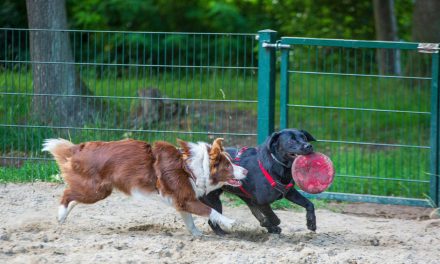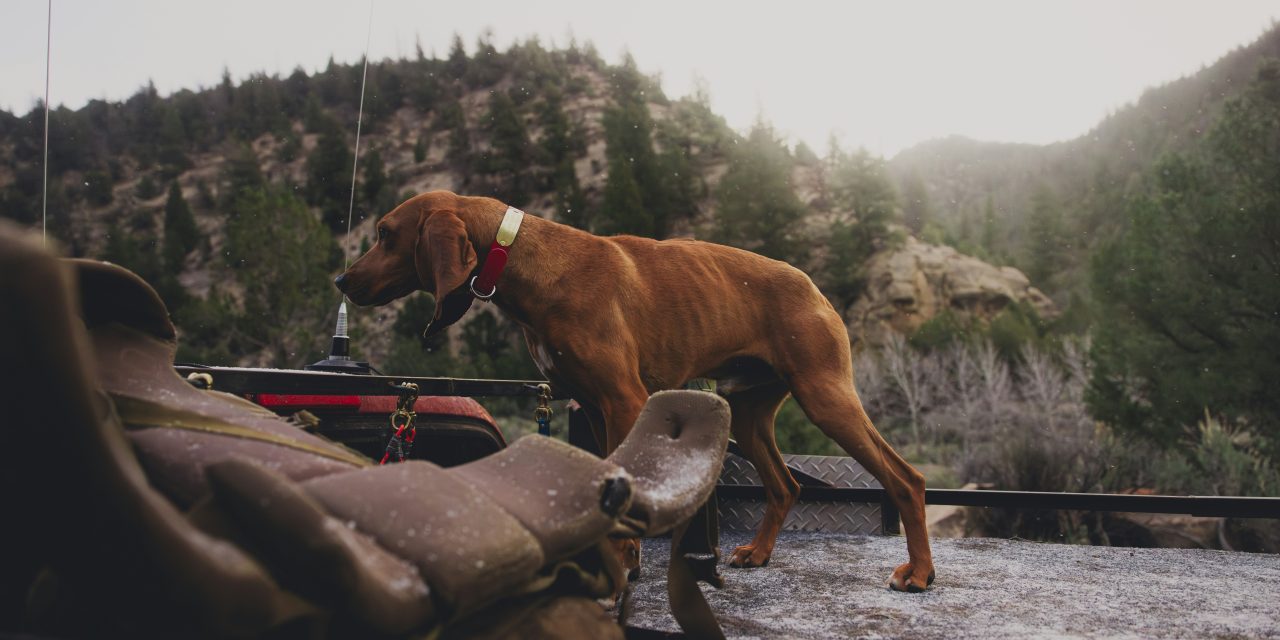
The instinctual behavior of dogs chasing squirrels can be traced back to their ancestral lineage. Canines, as descendants of wolves, possess a strong prey drive, which is an innate tendency to pursue smaller animals. This behavior is not merely a playful act; it is deeply rooted in their evolutionary history. Squirrels, being small, quick, and often unpredictable, trigger this instinctual response in many dogs. The chase can be exhilarating for the dog, providing both physical exercise and mental stimulation.
Moreover, the act of chasing serves multiple purposes beyond mere predation. For many dogs, it is an outlet for pent-up energy and a way to engage their natural hunting instincts. The thrill of the chase can also be a form of play, allowing dogs to express their exuberance and enthusiasm. Understanding this behavior is crucial for pet owners who wish to manage their dog’s impulses effectively. Recognizing that this is a natural inclination can help owners approach training with empathy and insight.
Assessing Your Dog’s Prey Drive
Evaluating your dog’s prey drive is essential in determining the best approach to managing their behavior around squirrels. Prey drive can vary significantly among individual dogs, influenced by factors such as breed, age, and temperament. Breeds like terriers and hounds are often characterized by a higher prey drive due to their historical roles as hunters. Conversely, breeds developed for companionship may exhibit a lower inclination to chase.
To assess your dog’s prey drive, observe their reactions to small animals in various environments. Take note of their body language—are they fixated, excited, or overly agitated? A dog that exhibits intense focus and eagerness to chase may require more structured training than one who shows mild interest. Additionally, consider conducting controlled tests in safe environments where you can gauge their response to distractions without risking harm to other animals or themselves.
Creating a Safe and Controlled Training Environment

Establishing a safe and controlled environment is paramount when addressing your dog’s chasing behavior. This setting should minimize distractions while allowing for effective training sessions. Begin by selecting a quiet area, such as a fenced yard or an enclosed park, where squirrels are less likely to appear unexpectedly. This controlled space will enable you to focus on training without the added stress of potential encounters with wildlife.
In addition to physical space, consider the use of equipment that enhances safety during training. A well-fitted harness and a sturdy leash can provide better control over your dog’s movements while allowing them some freedom to explore. Furthermore, ensure that your training environment is free from other distractions that could divert your dog’s attention away from the task at hand. By creating an optimal training atmosphere, you set the stage for successful behavior modification.
Teaching Basic Obedience Commands First

Before tackling the specific issue of chasing squirrels, it is crucial to establish a foundation of basic obedience commands with your dog. Commands such as “sit,” “stay,” “come,” and “down” form the cornerstone of effective communication between you and your pet. These commands not only enhance your dog’s overall behavior but also provide essential tools for redirecting their focus during encounters with squirrels.
Start with short training sessions that reinforce these commands in a positive manner. Use treats or toys as rewards to motivate your dog and encourage compliance. Consistency is key; practice these commands regularly in various settings to ensure your dog understands them thoroughly. Once your dog has mastered basic obedience commands, you will be better equipped to address more complex behaviors like chasing.
Introducing the “Leave It” Command
The “leave it” command is an invaluable tool for managing your dog’s impulse to chase squirrels and other distractions. This command teaches your dog to ignore specific stimuli, redirecting their focus back to you instead of pursuing the object of their interest. To introduce this command effectively, begin in a distraction-free environment where your dog can concentrate on learning.
Start by presenting a treat in your hand while saying “leave it.” When your dog attempts to take the treat, close your hand and wait for them to back off. Once they do, reward them with a different treat from your other hand while praising them verbally. Gradually increase the difficulty by introducing distractions such as toys or even images of squirrels. Consistent practice will help reinforce this command, making it easier for your dog to respond appropriately when they encounter real-life distractions.
Using Positive Reinforcement to Encourage Good Behavior
Positive reinforcement is a powerful training technique that encourages desired behaviors through rewards and praise. This method is particularly effective when addressing chasing behavior because it fosters a positive association with ignoring distractions rather than punishing the dog for their instincts. When your dog successfully follows commands or refrains from chasing after squirrels, reward them immediately with treats, verbal praise, or playtime.
Incorporating positive reinforcement into your training routine not only strengthens the bond between you and your dog but also enhances their motivation to learn. Be sure to vary the rewards to maintain your dog’s interest; this could include different treats or engaging activities they enjoy. Over time, this approach will help reshape your dog’s behavior, making them more responsive to commands even in the presence of tempting distractions.
Practicing Recall Training to Keep Your Dog Close
Recall training is essential for ensuring that your dog remains close and responsive during outdoor activities, especially when encountering squirrels or other wildlife. A reliable recall command can prevent potential chasing incidents and keep your dog safe from harm. Begin by practicing recall in a controlled environment where there are minimal distractions.
Use a long leash during initial recall training sessions to give your dog some freedom while maintaining control over their movements. Call your dog using a consistent command such as “come” or “here,” and reward them immediately when they respond correctly. Gradually increase the distance between you and your dog while practicing recall in various environments. Consistent practice will help solidify this command in your dog’s mind, making it easier for them to return to you when called.
Gradually Exposing Your Dog to Squirrels on Leash
Once your dog has mastered basic obedience commands and recall training, you can begin gradually exposing them to squirrels while on a leash. This step should be approached with caution; start by observing squirrels from a distance where your dog can see them but not feel overwhelmed by the urge to chase. This controlled exposure allows you to gauge your dog’s reactions and reinforce positive behaviors.
As you progress, slowly decrease the distance between your dog and the squirrels while maintaining control through the leash. Use commands like “leave it” or “focus” to redirect their attention back to you whenever they become fixated on the squirrels. Reward them for remaining calm and focused during these encounters. This gradual exposure will help desensitize your dog to the presence of squirrels while reinforcing appropriate behaviors.
Redirecting Your Dog’s Attention During Encounters
During encounters with squirrels or other distractions, redirecting your dog’s attention is crucial for preventing chasing behavior. Utilize techniques such as engaging them with toys or treats when they spot a squirrel nearby. By providing an alternative focus, you can help break their fixation on the animal and reinforce positive behaviors.
Incorporate interactive games or activities that capture your dog’s interest during walks or outdoor excursions. For instance, playing fetch or practicing agility exercises can serve as effective distractions when encountering squirrels. The goal is to create an association between seeing squirrels and receiving rewards for maintaining focus on you rather than pursuing the animal.
Consistency and Patience in Training Sessions
Training a dog requires consistency and patience; these qualities are especially important when addressing chasing behavior. Establishing a routine that incorporates regular training sessions will help reinforce desired behaviors over time. Consistency in commands, rewards, and expectations will create clarity for your dog, making it easier for them to understand what is expected of them.
Patience is equally vital; behavioral modification takes time and persistence. Celebrate small victories along the way and remain committed to the training process even if progress seems slow at times. By maintaining a positive attitude and demonstrating unwavering support for your dog’s learning journey, you will foster an environment conducive to successful behavior change.
When to Seek Professional Help for Persistent Chasing Behavior
In some cases, despite diligent training efforts, dogs may continue exhibiting persistent chasing behavior towards squirrels or other animals. If you find that traditional training methods are ineffective or if your dog’s behavior poses safety risks—for themselves or others—it may be time to seek professional assistance from a certified dog trainer or animal behaviorist.
Professional trainers possess specialized knowledge and experience in addressing complex behavioral issues. They can assess your dog’s specific needs and develop tailored training plans that incorporate advanced techniques suited for managing high prey drive behaviors effectively. Additionally, they may recommend behavioral modification strategies or even consult with veterinarians regarding potential underlying medical conditions contributing to the behavior.
In summary, understanding why dogs chase squirrels involves recognizing their instinctual prey drive rooted in evolutionary history. Assessing this drive allows owners to tailor training approaches effectively while creating safe environments conducive to learning. Teaching basic obedience commands lays the groundwork for introducing specific commands like “leave it,” which can redirect attention during encounters with distractions.
Utilizing positive reinforcement encourages good behavior while practicing recall training ensures dogs remain close during outdoor activities. Gradual exposure to squirrels on leash helps desensitize dogs while redirecting attention during encounters reinforces appropriate responses. Consistency and patience are essential throughout the training process; however, seeking professional help may be necessary for persistent issues that pose safety risks.
By employing these strategies thoughtfully and compassionately, pet owners can successfully manage their dogs’ chasing behaviors while fostering a harmonious relationship built on trust and understanding.
FAQs
Why do dogs chase squirrels?
Dogs have a natural instinct to chase small animals, including squirrels, due to their predatory nature. This behavior is often driven by their hunting instincts, which can be heightened in certain breeds that were originally developed for hunting or herding.
What training methods can help stop my dog from chasing squirrels?
Effective training methods include positive reinforcement, where you reward your dog for ignoring squirrels, and distraction techniques, such as using toys or treats to redirect their attention. Consistent commands like “leave it” or “come” can also be helpful in managing their behavior.
How long does it typically take to train a dog not to chase squirrels?
The time it takes to train a dog not to chase squirrels varies depending on the dog’s age, temperament, and previous training experiences. Some dogs may respond quickly within a few weeks, while others may take several months of consistent training and reinforcement.
Are there specific breeds that are more prone to chasing squirrels?
Yes, certain breeds, particularly those with strong prey drives such as terriers, hounds, and herding breeds, are more prone to chasing squirrels. These breeds were often developed for hunting or working with small animals, making them more likely to exhibit this behavior.
Can I use a leash to help train my dog not to chase squirrels?
Yes, using a leash can be an effective tool in training your dog not to chase squirrels. It allows you to maintain control over your dog during walks and can help reinforce commands. Gradually, you can work on off-leash training in a safe, controlled environment once your dog shows improvement.