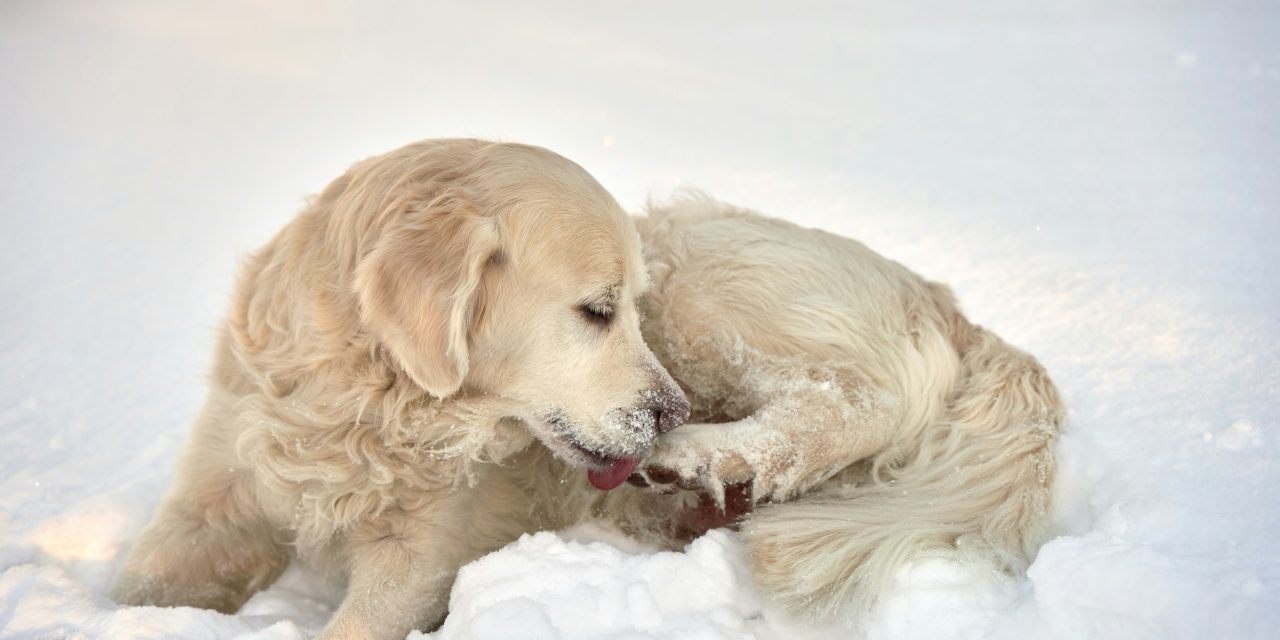
Canine paw licking is a common behavior observed in dogs, often manifesting as a repetitive action where the dog licks its paws excessively. This behavior can range from occasional grooming to persistent licking that may lead to skin damage or infection. Understanding the underlying reasons for this behavior is crucial for pet owners, as it can indicate various health issues or emotional distress. Dogs may lick their paws for several reasons, including hygiene, comfort, or as a response to environmental stimuli.
The act of licking serves multiple purposes for dogs. It can be a self-soothing mechanism, a way to clean their paws after outdoor activities, or simply a habit formed over time. However, when this behavior becomes excessive, it warrants further investigation. Pet owners should observe their dog’s licking patterns, noting the frequency and duration of the behavior, as well as any accompanying signs such as redness, swelling, or changes in the skin’s texture. Recognizing these signs early can lead to timely intervention and treatment.
Common Causes of Excessive Paw Licking
Excessive paw licking can stem from a variety of causes, ranging from physical ailments to psychological factors. One of the most prevalent reasons is allergies, which can manifest in various forms such as food allergies, environmental allergens, or contact dermatitis. Allergic reactions often lead to itching and discomfort, prompting dogs to lick their paws in an attempt to alleviate the irritation.
In addition to allergies, skin infections and irritations are significant contributors to this behavior. Bacterial or fungal infections can develop due to excessive moisture or injury, leading to inflammation and discomfort. Furthermore, parasites such as fleas or mites can cause intense itching, prompting dogs to lick their paws in an effort to relieve the irritation. Behavioral issues such as anxiety or boredom can also lead to compulsive licking, making it essential for pet owners to consider both physical and psychological factors when addressing this behavior.
Allergies: A Leading Factor in Paw Licking

Allergies are one of the most common culprits behind excessive paw licking in dogs. These allergic reactions can be triggered by various environmental factors such as pollen, dust mites, mold spores, or certain chemicals found in household products. Additionally, food allergies can arise from specific ingredients in a dog’s diet, leading to gastrointestinal upset and skin irritations that prompt licking behavior.
When a dog is exposed to allergens, the immune system reacts by releasing histamines and other inflammatory mediators, resulting in symptoms such as itching, redness, and swelling. In cases of environmental allergies, symptoms may worsen during specific seasons when allergens are more prevalent. Identifying the specific allergen is crucial for effective management; this may involve allergy testing conducted by a veterinarian or an elimination diet to pinpoint food sensitivities.
Skin Infections and Irritations Explained

Skin infections and irritations are significant contributors to paw licking behavior in dogs. Bacterial infections often occur when there is a break in the skin barrier due to excessive licking or scratching. This can lead to conditions such as pyoderma, characterized by pustules, redness, and discomfort. Fungal infections like yeast dermatitis can also develop in moist areas between the toes, leading to intense itching and further licking.
Irritations can arise from various sources, including contact with irritants such as chemicals or rough surfaces. Dogs may also develop hot spots—localized areas of inflammation and infection—due to excessive licking or scratching. These hot spots can become painful and require prompt veterinary attention to prevent further complications. Treatment typically involves cleaning the affected area, administering topical or systemic antibiotics, and addressing the underlying cause of the irritation.
The Role of Parasites in Paw Licking
Parasites play a significant role in causing excessive paw licking among dogs. Fleas are one of the most common external parasites that can lead to intense itching and discomfort. When fleas bite a dog, they inject saliva that can trigger allergic reactions in sensitive individuals, resulting in severe itching and subsequent licking of the paws.
In addition to fleas, other parasites such as mites (e.g., Sarcoptes scabiei) can cause conditions like mange, leading to hair loss and skin irritation that prompts licking behavior. Ticks can also contribute to discomfort if they attach themselves to a dog’s paws or legs. Regular parasite prevention through topical treatments or oral medications is essential for maintaining your dog’s overall health and minimizing the risk of paw licking due to parasitic infestations.
Behavioral Reasons Behind Constant Paw Licking
Behavioral factors can significantly influence a dog’s tendency to lick its paws excessively. Dogs may engage in this behavior out of boredom or anxiety, particularly if they lack sufficient mental stimulation or physical exercise. Compulsive behaviors often develop as coping mechanisms for stress or frustration, leading dogs to lick their paws as a way to self-soothe.
Additionally, changes in routine or environment—such as moving to a new home or the introduction of new family members—can trigger anxiety-related behaviors in dogs. Identifying these triggers is crucial for addressing the underlying issues contributing to excessive paw licking. Providing enrichment activities such as puzzle toys, regular exercise, and positive reinforcement training can help alleviate boredom and reduce anxiety-related behaviors.
Identifying Anxiety and Stress in Dogs
Recognizing signs of anxiety and stress in dogs is essential for addressing excessive paw licking behavior effectively. Common indicators include panting, pacing, whining, destructive behavior, and changes in appetite or sleep patterns. Dogs may also exhibit avoidance behaviors or clinginess towards their owners when feeling anxious.
To assess your dog’s emotional state accurately, observe their body language closely. Signs such as tucked tails, flattened ears, and avoidance of eye contact may indicate discomfort or fear. If you suspect that anxiety is contributing to your dog’s paw licking behavior, consider consulting with a veterinarian or a certified animal behaviorist for guidance on effective management strategies.
How Diet Can Influence Paw Licking Habits
Diet plays a crucial role in a dog’s overall health and can significantly influence paw licking habits. Certain ingredients in commercial dog foods may trigger allergic reactions or sensitivities that lead to skin irritations and subsequent licking behavior. Common allergens include grains (such as wheat), dairy products, beef, chicken, and artificial additives.
To determine if diet is contributing to excessive paw licking, consider implementing an elimination diet under veterinary supervision. This involves removing potential allergens from your dog’s diet for several weeks and gradually reintroducing them one at a time while monitoring for any adverse reactions. Additionally, incorporating high-quality ingredients rich in omega-3 fatty acids can promote skin health and reduce inflammation.
When to Consult a Veterinarian
Consulting a veterinarian is essential when excessive paw licking persists despite home care efforts or if it is accompanied by other concerning symptoms such as swelling, redness, discharge, or changes in behavior. A veterinarian will conduct a thorough examination to identify any underlying medical conditions contributing to the behavior.
Diagnostic tests may include skin scrapings to check for parasites, allergy testing to identify specific allergens, or blood tests to assess overall health status. Early intervention is crucial for preventing complications such as secondary infections or chronic skin conditions that may arise from prolonged licking.
Treatment Options for Paw Licking Issues
Treatment options for excessive paw licking depend on the underlying cause identified during veterinary evaluation. If allergies are determined to be the primary factor, antihistamines or corticosteroids may be prescribed to alleviate itching and inflammation. In cases of bacterial or fungal infections, topical or systemic antibiotics may be necessary for effective treatment.
Behavioral interventions may also be recommended if anxiety or boredom is contributing to the licking behavior. This could involve implementing training techniques aimed at reducing stressors or providing enrichment activities that engage your dog’s mind and body. In some cases, anti-anxiety medications may be prescribed by a veterinarian if behavioral modifications alone are insufficient.
Preventative Measures to Keep Your Dog’s Paws Healthy
Preventative measures are essential for maintaining your dog’s paw health and minimizing the risk of excessive licking behavior. Regular grooming practices such as nail trimming and paw cleaning can help prevent injuries and irritations that may lead to licking. Additionally, keeping your dog’s living environment clean and free from allergens can reduce exposure to potential triggers.
Implementing a balanced diet rich in essential nutrients will support overall skin health while minimizing allergic reactions. Regular veterinary check-ups are also crucial for early detection of any underlying health issues that could contribute to paw licking behavior. By taking proactive steps towards your dog’s health and well-being, you can help ensure their paws remain healthy and free from irritation.
In summary, understanding canine paw licking behavior involves recognizing its multifaceted causes ranging from allergies and infections to behavioral issues and dietary influences. Identifying these factors early on allows for effective treatment options tailored to each dog’s unique needs while implementing preventative measures ensures long-term paw health. Regular veterinary consultations play an integral role in managing this common issue effectively.
FAQs
Why does my dog lick its paws constantly?
Dogs may lick their paws for various reasons, including allergies, boredom, anxiety, or skin irritations. It can also be a natural grooming behavior. If the licking is excessive, it may indicate an underlying health issue that requires veterinary attention.
Could allergies be causing my dog’s paw licking?
Yes, allergies are a common cause of paw licking in dogs. They can be triggered by environmental factors such as pollen, dust mites, or certain foods. Allergic reactions can lead to itching and discomfort, prompting dogs to lick their paws to relieve the irritation.
Is paw licking a sign of anxiety in dogs?
Yes, excessive paw licking can be a sign of anxiety or stress in dogs. Dogs may engage in this behavior as a coping mechanism when they feel anxious or bored. Identifying and addressing the source of their anxiety can help reduce this behavior.
What should I do if my dog licks its paws excessively?
If your dog is licking its paws excessively, it’s important to consult with a veterinarian. They can help determine the underlying cause, whether it’s allergies, skin infections, or behavioral issues, and recommend appropriate treatment or management strategies.
Can paw licking lead to other health issues?
Yes, excessive paw licking can lead to secondary health issues such as skin infections, hot spots, or even nail problems. Continuous licking can irritate the skin and create an environment for bacteria or fungi to thrive, so it’s essential to address the behavior promptly.