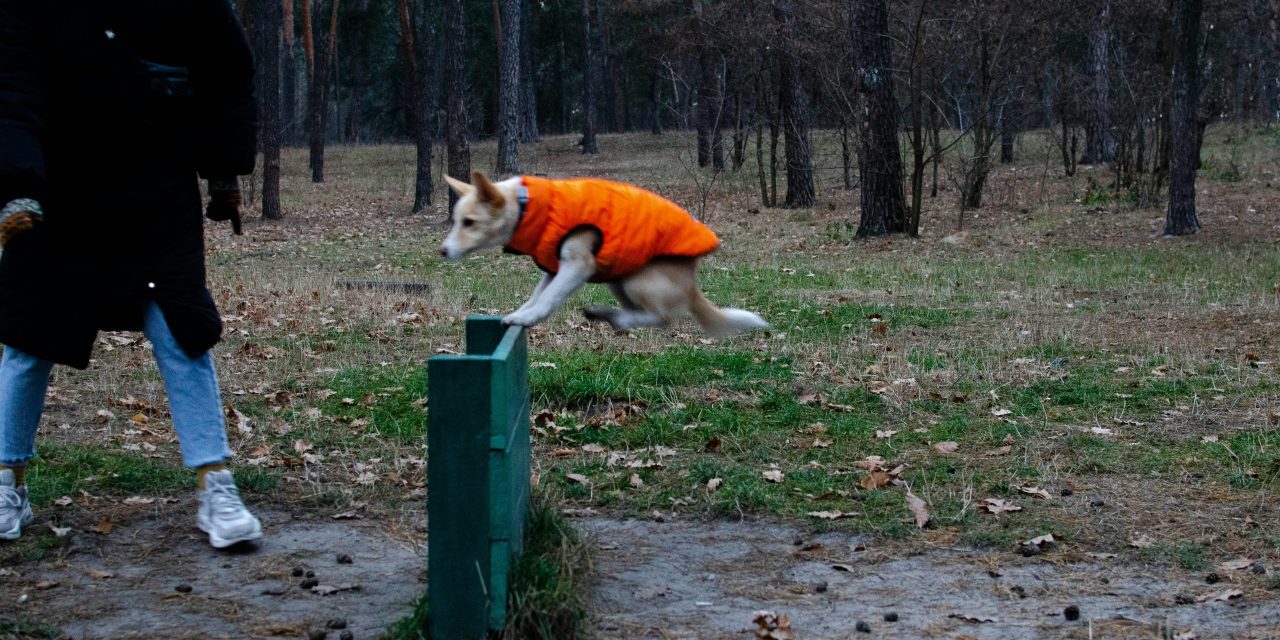
Dogs are inherently social animals, and their jumping behavior is often a manifestation of excitement and eagerness to engage with humans. This instinctual behavior can be traced back to their ancestral roots, where canines would greet pack members with enthusiastic displays of affection. When a dog jumps, it is typically an expression of joy, a way to solicit attention, or an attempt to establish dominance. Understanding the underlying motivations for this behavior is crucial for pet owners seeking to modify it.
Moreover, jumping can also be a learned behavior. If a dog receives positive reinforcement—such as attention, petting, or verbal praise—when they jump, they are likely to repeat the action. This creates a cycle where the dog associates jumping with receiving affection or acknowledgment. Recognizing these triggers is essential for developing effective training strategies that can help mitigate this behavior.
The Importance of Consistent Training
Consistency in training is paramount when addressing jumping behavior in dogs. Inconsistent responses from owners can confuse the animal, leading to frustration and prolonged jumping habits. For instance, if a dog is reprimanded for jumping one day but rewarded the next, it sends mixed signals about what is acceptable behavior. Establishing clear boundaries and expectations helps dogs understand what is required of them.
Furthermore, consistent training fosters a sense of security in dogs. When they know what to expect from their owners, they are less likely to act out in ways that may be deemed undesirable. A structured training regimen not only aids in curbing jumping but also strengthens the bond between the dog and its owner. This relationship is built on trust and mutual understanding, which can significantly enhance the overall behavior of the pet.
Teaching Your Dog Basic Obedience Commands

Basic obedience commands form the foundation of effective dog training and play a crucial role in managing jumping behavior. Commands such as “sit,” “stay,” and “down” provide dogs with clear instructions on how to behave in various situations. Teaching these commands requires patience and repetition, but the benefits are substantial.
To begin, owners should focus on one command at a time, using treats or toys as incentives for compliance. For example, when teaching “sit,” the owner can hold a treat above the dog’s head and move it back towards their tail. As the dog naturally lowers its rear to follow the treat, the owner should immediately reward the behavior with praise and the treat itself. This method reinforces the desired action and encourages the dog to respond positively in future situations.
Using Positive Reinforcement to Discourage Jumping

Positive reinforcement is an effective strategy for discouraging unwanted jumping behavior in dogs. This technique involves rewarding desirable behaviors rather than punishing undesirable ones. By focusing on what the dog should do instead of what they should not do, owners can create a more positive training environment.
For instance, when a dog approaches visitors without jumping, owners should immediately reward them with treats or verbal praise. This reinforces calm behavior and encourages the dog to repeat it in similar situations. Over time, dogs learn that remaining grounded yields more rewards than jumping up for attention. This approach not only reduces jumping but also enhances overall obedience and responsiveness.
Ignoring the Behavior to Reduce Attention-Seeking
Ignoring jumping behavior can be an effective strategy for reducing attention-seeking tendencies in dogs. When dogs jump up for attention, they often receive a reaction from their owners—whether positive or negative. By ignoring the behavior entirely, owners can diminish its effectiveness as a means of gaining attention.
This method requires discipline from the owner; they must remain calm and avoid engaging with the dog until all four paws are on the ground. Once the dog has settled down, they can be rewarded with attention or treats. This teaches the dog that calm behavior is what earns them affection, while jumping leads to no response at all.
Redirecting Your Dog’s Energy with Alternative Behaviors
Redirecting a dog’s energy towards alternative behaviors can significantly reduce jumping incidents. Dogs often jump due to pent-up energy or excitement; therefore, channeling that energy into more appropriate activities can be beneficial. Engaging dogs in regular exercise routines—such as walks, runs, or play sessions—can help alleviate excess energy that may contribute to jumping.
In addition to physical exercise, mental stimulation is equally important. Puzzle toys, obedience training sessions, or interactive games can keep dogs mentally engaged and reduce their desire to jump for attention. By providing alternative outlets for their energy, owners can create a more balanced and well-behaved pet.
Implementing the “Sit” Command When Greeting Visitors
One effective strategy for managing jumping behavior is to implement the “sit” command when greeting visitors. Teaching dogs to sit before receiving attention from guests establishes a clear expectation for behavior during interactions. This not only helps control jumping but also promotes calmness during greetings.
To practice this technique, owners should instruct their dogs to sit before allowing visitors to enter their home or approach them. If the dog jumps up, visitors should refrain from engaging until all four paws are on the ground. Once the dog complies by sitting calmly, they can be rewarded with attention or treats from both the owner and the visitor. This reinforces the idea that sitting leads to positive interactions.
Managing Excitement Levels Before Interactions
Managing excitement levels before interactions is crucial in preventing jumping behavior in dogs. High levels of excitement can trigger impulsive actions such as jumping up on people. Owners can help mitigate this by establishing a calm environment prior to greetings.
Before visitors arrive or before going out for walks, owners should engage their dogs in calming activities such as gentle petting or quiet playtime. Additionally, practicing relaxation techniques—such as deep breathing or using calming music—can help lower excitement levels. By creating a serene atmosphere before interactions occur, dogs are less likely to exhibit jumping behavior when greeting others.
Training Visitors on How to Respond to Jumping
Training visitors on how to respond appropriately to jumping behavior is essential for maintaining consistency in training efforts. Guests should be informed about how to interact with the dog in a way that discourages jumping while promoting calmness.
Visitors should be instructed to ignore the dog if it jumps up and only engage once it has settled down. This reinforces the idea that jumping does not yield attention while calm behavior does. Additionally, providing guests with treats or toys can help them redirect the dog’s focus away from jumping and towards more appropriate behaviors during greetings.
Utilizing Leashes and Baby Gates for Controlled Greetings
Utilizing leashes and baby gates can provide an effective means of controlling greetings and preventing jumping behavior in dogs. Leashes allow owners to maintain physical control over their pets during interactions with visitors while ensuring safety for both parties involved.
When guests arrive, owners can keep their dogs on a leash until they have calmed down sufficiently. This allows for gradual introductions without overwhelming excitement leading to jumping incidents. Similarly, baby gates can be used to create designated areas where dogs can remain until they are ready to greet visitors calmly.
When to Seek Professional Help for Persistent Jumping Behavior
In some cases, persistent jumping behavior may require professional intervention from a certified dog trainer or animal behaviorist. If an owner has implemented various training techniques without success, seeking expert guidance can provide valuable insights into addressing underlying issues contributing to the behavior.
Professional trainers can assess individual situations and develop tailored training plans that address specific challenges faced by both the dog and owner. They may also offer additional strategies or techniques that have proven effective in similar cases, ensuring that both parties achieve desired outcomes.
In summary, understanding why dogs jump on people is essential for addressing this common behavioral issue effectively. Consistent training combined with positive reinforcement techniques can significantly reduce unwanted jumping behaviors while fostering a strong bond between owner and pet. Implementing commands like “sit,” managing excitement levels before interactions, and educating visitors on appropriate responses are all vital components of successful training strategies. In cases where persistent jumping continues despite efforts made by owners, seeking professional assistance may be necessary for achieving lasting results.
FAQs
Why do dogs jump on people?
Dogs often jump on people as a way to greet them, express excitement, or seek attention. This behavior is instinctual and can be a sign of affection or a desire to play. However, it can be problematic, especially if the dog is large or overly enthusiastic.
What are some effective training techniques to stop a dog from jumping?
Effective training techniques include teaching the dog to sit when greeting people, using positive reinforcement to reward calm behavior, and redirecting the dog’s energy with toys or commands. Consistency and patience are key in reinforcing these behaviors.
How can I discourage jumping without using punishment?
To discourage jumping without punishment, you can ignore the dog when it jumps and only give attention when it is calm. Additionally, you can use commands like “sit” or “stay” to redirect the dog’s behavior and reward them when they comply.
Is it important to train my dog not to jump on children or elderly people?
Yes, it is important to train your dog not to jump on children or elderly people, as jumping can be dangerous and lead to injuries. Teaching your dog to greet people politely helps ensure everyone’s safety and comfort during interactions.
How long does it typically take to train a dog to stop jumping?
The time it takes to train a dog to stop jumping varies depending on the dog’s age, temperament, and the consistency of training. With regular practice and reinforcement, many dogs can learn to stop jumping within a few weeks to a couple of months.