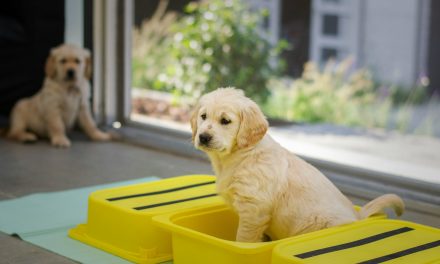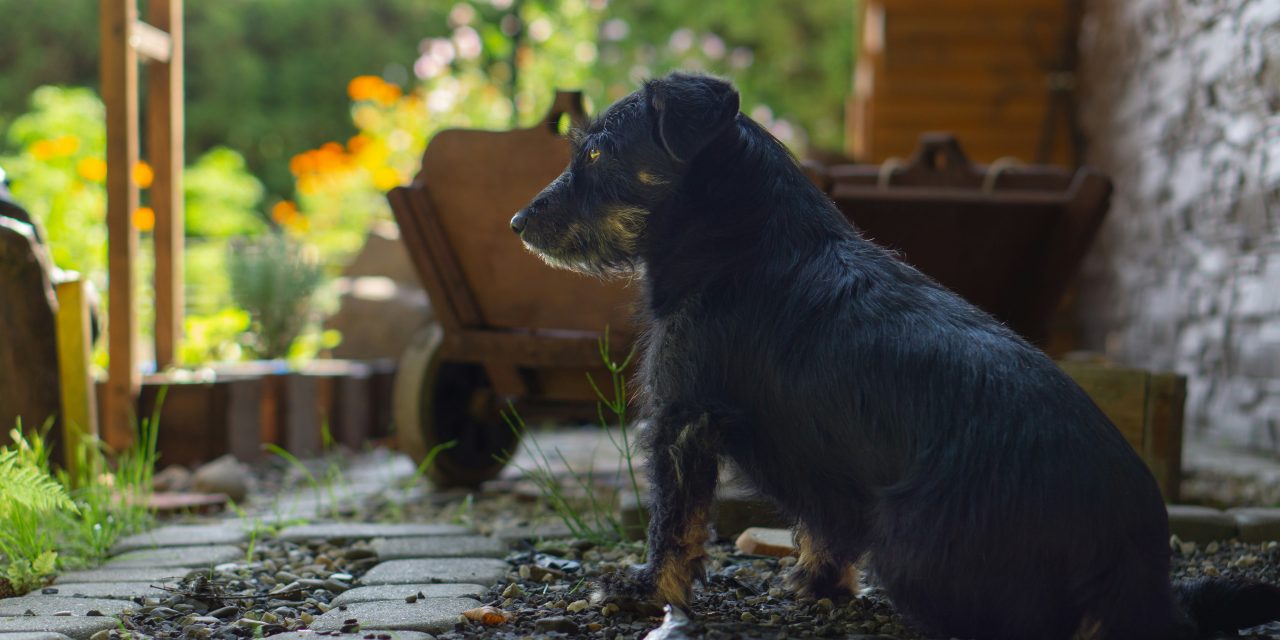
The phenomenon of dogs following their owners is a captivating aspect of canine behavior that reflects the deep-seated bond between humans and their four-legged companions. This attachment is rooted in the evolutionary history of dogs, which have been domesticated for thousands of years. Dogs are pack animals by nature, and their instinctual behavior drives them to seek companionship and security within their social groups. When a dog follows its owner, it is often an expression of loyalty, affection, and a desire for connection.
Moreover, this behavior can be attributed to the dog’s innate need for social interaction. Dogs are highly social creatures that thrive on companionship, and their attachment to humans can be likened to the bonds they form with other dogs in a pack. The act of following serves multiple purposes: it allows dogs to stay close to their primary caregiver, ensures they are included in activities, and provides them with a sense of safety and reassurance. Understanding this attachment is crucial for dog owners, as it can enhance the human-animal bond and improve overall well-being for both parties.
The Role of Social Bonds in Dog Behavior
Social bonds play a pivotal role in shaping canine behavior. Dogs are inherently social animals that rely on their relationships with humans and other dogs for emotional support and stability. The strength of these bonds can influence various aspects of a dog’s behavior, including their propensity to follow their owners. Research has shown that dogs exhibit attachment behaviors similar to those observed in human infants, such as seeking proximity, displaying distress when separated, and showing joy upon reunion.
The formation of these social bonds is influenced by several factors, including early socialization experiences, the quality of interactions with humans, and the dog’s individual temperament. Positive reinforcement training methods can strengthen these bonds, fostering trust and encouraging dogs to seek out their owners for guidance and companionship. By understanding the significance of social bonds, dog owners can create an environment that nurtures these connections, ultimately leading to a more harmonious relationship.
Seeking Security: How Dogs Find Comfort in Your Presence

For many dogs, the presence of their owner provides a sense of security that is essential for their emotional well-being. This need for security is particularly pronounced in situations that may induce anxiety or fear, such as thunderstorms, fireworks, or unfamiliar environments. When dogs follow their owners closely during these times, it is often a coping mechanism that helps them feel safe and protected.
The act of following can also be seen as a form of reassurance-seeking behavior. Dogs may look to their owners for cues on how to react to various stimuli in their environment. By staying close, they can gauge their owner’s reactions and feel more confident in navigating potentially stressful situations. This dynamic highlights the importance of being attuned to your dog’s emotional needs and providing them with the comfort they seek through your presence.
Attention and Affection: Dogs Craving Your Interaction

Dogs are highly attuned to human emotions and often seek attention and affection from their owners as a means of reinforcing their bond. Following behaviors can be interpreted as a request for interaction, whether it be playtime, petting, or simply being acknowledged. This desire for connection is rooted in the dog’s need for social engagement and mental stimulation.
When dogs receive positive reinforcement through attention or affection for following their owners, it can create a feedback loop that encourages this behavior. Owners may inadvertently reinforce following by responding positively when their dog stays close, leading to an increase in this behavior over time. Understanding this dynamic allows owners to manage their dog’s need for interaction effectively while ensuring that it does not become excessive or disruptive.
Separation Anxiety: When Following Becomes a Sign of Stress
While following can be a normal behavior indicative of attachment, it can also signal underlying issues such as separation anxiety. Dogs suffering from separation anxiety may exhibit clingy behavior as a response to fear of being left alone. This condition can manifest in various ways, including excessive following, vocalization, destructive behavior, and inappropriate elimination.
Recognizing the signs of separation anxiety is crucial for dog owners. If a dog becomes overly distressed when separated from its owner or exhibits signs of panic when left alone, it may require intervention. Treatment options include behavioral modification techniques, gradual desensitization to separation, and in some cases, medication prescribed by a veterinarian. Addressing separation anxiety promptly can help alleviate stress for both the dog and the owner.
Curiosity and Exploration: Dogs Wanting to Be Part of Your World
Dogs are naturally curious creatures that thrive on exploration and discovery. Following their owners allows them to engage with their environment while remaining connected to their primary caregiver. This behavior is particularly evident during walks or outdoor activities when dogs eagerly accompany their owners to investigate new sights and smells.
The desire to be part of their owner’s world is driven by both curiosity and the instinctual need for social interaction. Dogs often follow their owners to learn about their surroundings and participate in activities that pique their interest. Encouraging this exploratory behavior can enhance a dog’s cognitive development and provide valuable mental stimulation. Engaging in interactive play or providing opportunities for exploration can foster a sense of adventure while strengthening the bond between dog and owner.
Routine and Habit: How Daily Patterns Influence Following
Dogs are creatures of habit that thrive on routine. Their daily patterns significantly influence their behavior, including the tendency to follow their owners closely. Establishing consistent routines around feeding, exercise, and playtime can create a sense of predictability that helps dogs feel secure and content.
When dogs become accustomed to specific routines, they may develop habits that include following their owners during certain activities. For example, if a dog learns that following its owner into the kitchen often leads to treats or mealtime, it may consistently exhibit this behavior in anticipation of rewards. Understanding how routines shape canine behavior allows owners to create structured environments that promote positive habits while minimizing unwanted behaviors.
Breed Tendencies: Are Some Dogs More Prone to Following?
Certain dog breeds exhibit tendencies that make them more prone to following behaviors due to their genetic predispositions and historical roles. Breeds developed for companionship or herding often display strong attachment behaviors toward their owners. For instance, breeds like Labrador Retrievers, Golden Retrievers, and Border Collies are known for their loyalty and desire to stay close to their human companions.
Conversely, some breeds may be more independent and less inclined to follow closely. Understanding these breed-specific tendencies can help owners tailor their training approaches and expectations accordingly. By recognizing the unique characteristics of different breeds, owners can foster positive behaviors while accommodating individual differences in attachment styles.
Health and Age Factors That Affect Your Dog’s Behavior
A dog’s health status and age can significantly impact its behavior, including its tendency to follow its owner closely. Older dogs may experience cognitive decline or physical limitations that affect their mobility and energy levels. As a result, they may seek comfort in following their owners more closely as they navigate changes in their physical abilities.
Additionally, health issues such as pain or discomfort can lead to changes in behavior. Dogs experiencing pain may become more clingy as they seek reassurance from their owners during times of distress. Regular veterinary check-ups are essential for monitoring health changes that could influence behavior patterns. Addressing any underlying health concerns promptly can help maintain a dog’s overall well-being and emotional stability.
Training and Boundaries: Managing Your Dog’s Following Habits
While following behaviors are often rooted in affection and attachment, it is essential for dog owners to establish boundaries to prevent excessive clinginess or disruptive behaviors. Training techniques focused on reinforcing independence can help dogs learn to feel secure even when separated from their owners temporarily.
Positive reinforcement training methods can be employed to encourage desired behaviors while discouraging excessive following. Teaching commands such as “stay” or “go to your bed” can provide dogs with clear expectations regarding proximity while allowing them to feel secure in their environment. Gradual desensitization techniques can also help dogs become accustomed to periods of separation without experiencing anxiety.
When to Consult a Veterinarian or Behaviorist About Excessive Following
If a dog’s following behavior becomes excessive or disruptive, it may be time to consult a veterinarian or animal behaviorist for guidance. Signs that warrant professional intervention include persistent anxiety when separated from the owner, destructive behaviors during absences, or significant changes in appetite or sleep patterns.
Veterinarians can assess whether underlying health issues contribute to behavioral changes while providing recommendations for treatment options if necessary. Animal behaviorists specialize in addressing behavioral concerns through tailored training programs designed to modify unwanted behaviors effectively. Seeking professional assistance ensures that both the dog and owner receive the support needed to foster a healthy relationship.
In summary, understanding why dogs follow their owners involves exploring various factors such as attachment styles, social bonds, security needs, curiosity, routine influences, breed tendencies, health considerations, training techniques, and when professional help is necessary. By recognizing these elements, dog owners can cultivate positive behaviors while addressing any challenges that arise within the human-animal bond. Ultimately, fostering a strong connection with your canine companion enhances both emotional well-being and overall quality of life for both parties involved.
FAQs
Why does my dog follow me everywhere?
Dogs are naturally social animals and often form strong bonds with their owners. Following you around the house can be a sign of affection, loyalty, and a desire for companionship. Your dog may feel more secure when they are close to you, as you provide them with comfort and safety.
Is it normal for my dog to follow me into the bathroom?
Yes, it is quite normal for dogs to follow their owners into the bathroom. This behavior stems from their instinctual need to be near their pack. Your dog may simply want to stay close to you, even during private moments, as they see you as their leader and feel more at ease when you are nearby.
Could my dog’s following behavior indicate separation anxiety?
While following you around can be a sign of affection, it can also indicate separation anxiety, especially if your dog becomes distressed when you leave the room. If your dog exhibits signs of anxiety, such as whining, barking, or destructive behavior when you are not around, it may be worth consulting a veterinarian or a professional dog trainer for guidance.
Does my dog’s breed influence their tendency to follow me?
Yes, certain dog breeds are more prone to following their owners due to their temperament and instincts. Breeds that were developed for companionship, such as Cavalier King Charles Spaniels and Labrador Retrievers, tend to be more attached to their owners and may follow them more closely than other breeds.
How can I encourage my dog to be more independent?
To encourage your dog to be more independent, you can gradually increase the time they spend alone in a safe space, such as a crate or a designated room. Providing engaging toys, puzzle feeders, and training sessions can also help stimulate their mind and reduce their reliance on your presence. Positive reinforcement for independent behavior can further encourage them to feel comfortable being alone.