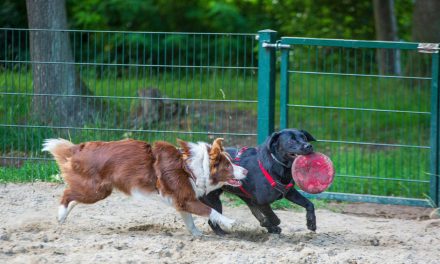
Loose-leash walking is a fundamental skill that every dog owner should strive to teach their canine companion. This technique not only enhances the bond between the dog and its owner but also ensures safety during walks. When a dog walks on a loose leash, it allows for better control and reduces the risk of accidents, such as sudden lunges towards other animals or pedestrians. Moreover, this skill promotes a more enjoyable experience for both the dog and the handler, as it minimizes stress and frustration often associated with pulling.
The significance of loose-leash walking extends beyond mere convenience; it plays a crucial role in the dog’s overall behavior and socialization. A well-trained dog is less likely to exhibit aggressive tendencies or anxiety when encountering other dogs or people. Furthermore, mastering this skill can lead to more opportunities for social interactions, exercise, and exploration, ultimately contributing to a happier and healthier lifestyle for both the dog and its owner.
Preparing Your Dog for Training: Essential Tools and Environment
Before embarking on the journey of teaching loose-leash walking, it is essential to gather the necessary tools and create an optimal training environment. The primary equipment includes a well-fitted collar or harness, a sturdy leash (preferably 4 to 6 feet in length), and an assortment of high-value treats to reward good behavior. A harness is often recommended for dogs that tend to pull, as it distributes pressure more evenly across their body, reducing strain on their neck.
Creating a conducive training environment is equally important. Begin in a quiet area with minimal distractions, such as your backyard or a calm park. This allows your dog to focus on the training without being overwhelmed by external stimuli. As your dog becomes more proficient in loose-leash walking, you can gradually introduce more challenging environments with increased distractions.
Teaching the Basics: Introducing the Leash and Collar
Introducing your dog to the leash and collar should be a positive experience. Start by allowing your dog to sniff and explore the collar or harness before putting it on. Use treats and praise to create a positive association with the equipment. Once your dog is comfortable wearing the collar or harness, attach the leash and let them drag it around in a safe space while supervised. This helps them acclimate to the sensation of having something attached to them.
After your dog has adjusted to wearing the leash, practice short sessions of walking indoors or in your yard. Keep these sessions brief but engaging, allowing your dog to explore while gently guiding them with the leash. This initial introduction sets the foundation for successful loose-leash walking by helping your dog understand that the leash is a tool for connection rather than restriction.
The First Steps: Encouraging Your Dog to Walk Beside You
Once your dog is comfortable with the leash and collar, it’s time to encourage them to walk beside you. Begin by standing still and calling your dog to your side using an enthusiastic tone. When they approach you, reward them with treats and praise. Gradually start moving forward while maintaining a loose leash. If your dog begins to pull ahead, stop walking immediately and call them back to your side.
Consistency is key during this phase. Use verbal cues such as “heel” or “let’s go” to signal your dog when it’s time to walk beside you. If they remain close, reward them frequently with treats or affection. This positive reinforcement reinforces the desired behavior and encourages your dog to stay by your side during walks.
Using Positive Reinforcement to Promote Good Behavior
Positive reinforcement is an effective training method that encourages desired behaviors through rewards. When teaching loose-leash walking, it is crucial to reward your dog for maintaining a loose leash and walking beside you. Use high-value treats that your dog loves, such as small pieces of chicken or cheese, to motivate them during training sessions.
Incorporate praise and affection alongside treats to create a well-rounded reward system. For instance, when your dog walks calmly beside you for a few steps, offer a treat followed by verbal praise like “good boy” or “good girl.” This combination of rewards helps reinforce the behavior you want while strengthening the bond between you and your pet.
Correcting Pulling: Techniques to Stop Your Dog from Lunging
Pulling on the leash can be frustrating for both dogs and their owners. To correct this behavior, several techniques can be employed effectively. One common method is the “stop-and-go” technique: whenever your dog begins to pull ahead, stop walking immediately. Wait until they return to your side before continuing. This teaches them that pulling does not lead to forward movement.
Another effective technique is the “turn-around” method. If your dog lunges forward, quickly turn in the opposite direction and encourage them to follow you. This not only redirects their attention but also reinforces the idea that staying close results in continued movement. Consistency in applying these techniques will help reduce pulling over time.
Practicing Turns and Changes in Pace to Maintain Engagement
To keep your dog engaged during walks, incorporate turns and changes in pace into your training routine. Dogs thrive on variety, and introducing different movements can help maintain their interest while reinforcing loose-leash walking skills. Practice making sharp turns or changing speeds frequently during walks.
When you change direction or pace, use verbal cues like “let’s go” or “this way” to signal your dog. Reward them for following your lead and staying close by offering treats or praise when they successfully navigate these changes without pulling ahead. This practice not only enhances their loose-leash walking skills but also improves their overall responsiveness to your commands.
Gradually Increasing Distractions and Challenging Environments
As your dog becomes more proficient at loose-leash walking in controlled environments, it’s essential to gradually introduce distractions and challenging situations. Start by walking in busier areas with other dogs or people present while maintaining focus on your training goals. Keep sessions short initially, rewarding your dog for staying close despite distractions.
As they become more comfortable in these environments, increase the duration of walks and introduce various stimuli such as bicycles, skateboards, or loud noises. Always be prepared with treats and praise to reinforce good behavior amidst distractions. This gradual exposure helps build confidence in your dog while solidifying their loose-leash walking skills.
Troubleshooting Common Issues During Loose-Leash Training
During loose-leash training, various challenges may arise that require troubleshooting. One common issue is excessive excitement when encountering other dogs or people. If this occurs, practice desensitization techniques by observing other dogs from a distance while rewarding calm behavior. Gradually decrease the distance as your dog becomes more comfortable.
Another issue may be stubbornness or refusal to walk beside you altogether. In such cases, consider using higher-value treats or toys that particularly motivate your dog. Additionally, ensure that training sessions are kept short and engaging; long sessions may lead to boredom or frustration for both you and your pet.
Maintaining Consistency: Daily Practice and Patience
Consistency is paramount when teaching loose-leash walking skills. Incorporate daily practice into your routine, even if it’s just for a few minutes each day. Regular reinforcement of desired behaviors will help solidify these skills over time. Be patient with your dog; learning takes time, and every dog progresses at their own pace.
In addition to daily practice, ensure that all family members are on board with the training approach. Consistent commands and reinforcement from everyone involved will prevent confusion for your dog and promote faster learning.
Transitioning to Off-Leash Control and Advanced Walking Skills
Once your dog has mastered loose-leash walking on a leash, you may consider transitioning to off-leash control in safe environments such as fenced parks or open fields. Before doing so, ensure that your dog has a solid understanding of basic commands like “come,” “stay,” and “leave it.” These commands will be crucial for maintaining control when off-leash.
Begin by practicing off-leash walking in low-distraction areas before gradually introducing more challenging environments. Always prioritize safety by using a long line or training collar if necessary until you are confident in your dog’s ability to respond reliably without a leash.
In summary, teaching loose-leash walking is an essential skill that enhances safety and enjoyment during walks while fostering a strong bond between owner and pet. By preparing adequately with essential tools, employing positive reinforcement techniques, addressing common issues, and maintaining consistency through daily practice, owners can successfully train their dogs in this vital skill set. Transitioning to off-leash control further enriches the experience for both dogs and their handlers, promoting an active lifestyle filled with exploration and adventure together.
FAQs
What is loose-leash walking?
Loose-leash walking is a training technique that encourages dogs to walk beside their owners without pulling on the leash. The goal is to create a comfortable and enjoyable walking experience for both the dog and the handler, allowing for better control and communication during walks.
Why is loose-leash walking important?
Loose-leash walking is important because it enhances safety for both the dog and the owner. It prevents the dog from pulling, which can lead to accidents or injuries. Additionally, it fosters a stronger bond between the dog and owner, as it encourages positive interactions and reinforces good behavior during walks.
How can I start training my dog for loose-leash walking?
To start training your dog for loose-leash walking, begin in a distraction-free environment. Use a well-fitted collar or harness and a leash. Begin walking with your dog at your side, rewarding them with treats and praise when they stay close. Gradually increase the duration and complexity of the walks as your dog learns to maintain a loose leash.
What tools can help with loose-leash walking training?
Several tools can assist with loose-leash walking training, including a front-clip harness, head halters, and standard leashes. These tools can provide better control and reduce pulling. Additionally, treats and clickers can be used as positive reinforcement to encourage desired behaviors during training sessions.
How long does it take to train a dog to walk on a loose leash?
The time it takes to train a dog to walk on a loose leash varies depending on the dog’s age, temperament, and previous training experiences. Some dogs may learn quickly within a few weeks, while others may take several months. Consistency, patience, and regular practice are key factors in successfully training your dog.