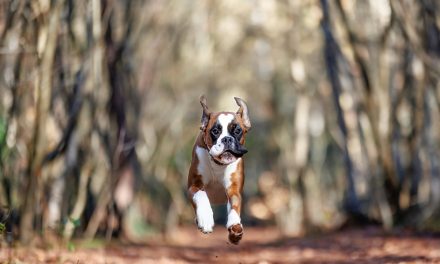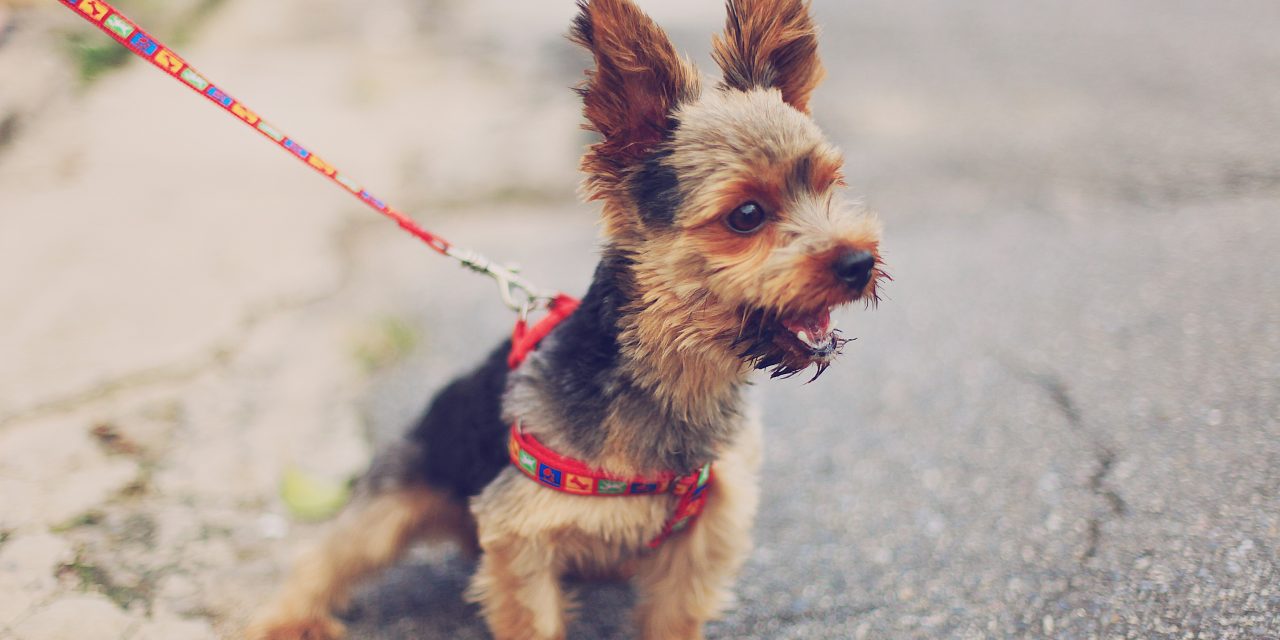
Leash pulling is a common behavioral issue that many dog owners encounter. Understanding the underlying reasons for this behavior is crucial for effective training. Dogs may pull on the leash due to excitement, anxiety, or a natural instinct to explore their environment. When a dog sees a squirrel, another dog, or even a person, their instinctual drive to chase or investigate can lead to pulling. This behavior is often exacerbated by the owner’s reaction; if the dog pulls and is rewarded with forward movement, they learn that pulling is an effective way to achieve their goal.
Moreover, leash pulling can stem from a lack of proper training or socialization. Puppies that have not been exposed to various environments or experiences may exhibit pulling behavior as they navigate new stimuli. Additionally, certain breeds are more predisposed to pulling due to their energetic nature and strong prey drive. Understanding these motivations allows owners to tailor their training approaches effectively.
Choosing the Right Leash and Collar
Selecting the appropriate leash and collar is fundamental in managing a dog’s pulling behavior. A standard flat collar may not provide adequate control for strong pullers; therefore, alternatives such as harnesses or head collars can be beneficial. A front-clip harness, for instance, redirects the dog’s forward momentum, making it easier for the owner to maintain control without causing discomfort to the animal.
When choosing a leash, consider materials and length. A six-foot nylon leash is often recommended for training purposes, as it provides enough length for freedom while maintaining control. Retractable leashes, while popular, can encourage pulling and should be avoided during training sessions. The right combination of leash and collar can significantly enhance the training experience and reduce the likelihood of injury to both the dog and the owner.
Teaching Loose Leash Walking Basics

Teaching a dog to walk on a loose leash requires patience and consistency. The first step is to establish a clear understanding of what loose leash walking entails: the dog should walk beside the owner without tension on the leash. Begin in a distraction-free environment to facilitate learning. Start by holding the leash with a relaxed grip and encouraging your dog to walk beside you. If they begin to pull, stop walking immediately; this teaches them that pulling does not yield progress.
Incorporating frequent stops during walks can reinforce the concept of loose leash walking. When the dog walks calmly beside you, reward them with praise or treats. Gradually increase the duration of these sessions as your dog becomes more accustomed to walking without pulling. Consistency in practice will solidify this behavior over time.
Using Positive Reinforcement Techniques

Positive reinforcement is an effective method for encouraging desired behaviors in dogs. This technique involves rewarding your dog for exhibiting good behavior, such as walking calmly beside you on a loose leash. Rewards can include treats, verbal praise, or playtime—whatever motivates your dog most effectively. The key is to provide rewards immediately after the desired behavior occurs so that your dog associates the action with positive outcomes.
Incorporating clicker training can enhance positive reinforcement strategies. A clicker provides a distinct sound that marks the exact moment your dog performs the desired behavior, followed by a reward. This method helps clarify expectations and reinforces learning. Over time, your dog will learn that walking without pulling leads to enjoyable experiences.
Practicing Consistent Commands and Cues
Consistency in commands and cues is vital for effective training. Establish specific verbal cues such as “heel” or “easy” that signal your dog to walk calmly beside you. Use these commands consistently during training sessions and walks to create a clear understanding of expectations. Additionally, ensure that all family members use the same commands to avoid confusion for the dog.
Incorporating hand signals alongside verbal commands can further enhance communication with your dog. Dogs are adept at reading body language, so combining verbal cues with visual signals can reinforce learning. Regular practice of these commands will help solidify your dog’s understanding and compliance during walks.
Incorporating Short Training Sessions Daily
Short, frequent training sessions are more effective than infrequent, lengthy ones when teaching loose leash walking. Aim for 5-10 minute sessions multiple times a day to maintain your dog’s focus and enthusiasm. These brief intervals allow for concentrated learning without overwhelming your pet.
During these sessions, focus on specific skills such as loose leash walking or responding to commands. Gradually increase distractions as your dog becomes more proficient in their training. Consistent daily practice will lead to gradual improvements in behavior and reinforce positive habits over time.
Redirecting Your Dog’s Attention Effectively
Redirecting your dog’s attention is essential when they become distracted or begin to pull on the leash. Carrying high-value treats or toys can help refocus their attention back on you during walks. When you notice your dog becoming distracted by an external stimulus, use a command such as “look” or “focus” while presenting a treat or toy.
Additionally, practicing attention exercises at home can enhance your dog’s ability to focus during walks. Teach them to make eye contact with you on command and reward them for doing so. This skill will prove invaluable when navigating distractions outside, allowing you to maintain control over your dog’s behavior.
Avoiding Common Mistakes When Walking
Many owners inadvertently reinforce pulling behavior through common mistakes during walks. One prevalent error is allowing the dog to dictate the pace of the walk; this reinforces pulling as an effective means of exploration. Instead, maintain control by setting the pace and direction of the walk.
Another mistake is using punitive measures such as jerking on the leash or yelling at the dog when they pull. Such actions can create fear or anxiety, leading to further behavioral issues. Instead, focus on positive reinforcement techniques that encourage desired behaviors without resorting to negative tactics.
Introducing Distractions Gradually
Gradual exposure to distractions is crucial for successful leash training. Start in a quiet environment with minimal stimuli before gradually introducing more challenging scenarios such as other dogs, people, or busy streets. This incremental approach allows your dog to build confidence and learn how to remain focused despite distractions.
During these exposure sessions, practice commands and reinforce positive behaviors consistently. If your dog becomes overwhelmed or begins to pull, return to a less distracting environment until they regain composure. Gradually increasing difficulty will help solidify their training and improve their ability to handle distractions in real-world situations.
Using Professional Training Tools Safely
Professional training tools can be beneficial when used correctly but should be approached with caution. Tools such as head collars or no-pull harnesses can aid in managing pulling behavior effectively; however, improper use can lead to discomfort or injury for your dog. Always follow manufacturer guidelines and consult with a professional trainer if unsure about proper usage.
Additionally, avoid relying solely on training tools without addressing underlying behavioral issues through consistent training practices. Tools should complement training efforts rather than replace them entirely.
When to Seek Help from a Professional Trainer
If you find that your efforts are not yielding desired results despite consistent practice, it may be time to seek assistance from a professional trainer. A certified trainer can provide personalized guidance tailored to your dog’s specific needs and behavioral tendencies. They can also identify any underlying issues contributing to pulling behavior that may not be apparent to you.
Professional trainers often employ various techniques and methods that may not be familiar to pet owners, providing valuable insights into effective training strategies. Investing in professional help can lead to significant improvements in your dog’s behavior and enhance your overall walking experience.
In summary, addressing leash pulling in dogs requires understanding its underlying causes and implementing effective training strategies. By choosing appropriate equipment, practicing consistent commands, utilizing positive reinforcement techniques, and gradually introducing distractions, owners can foster better walking habits in their pets. Short daily training sessions and redirecting attention effectively are essential components of successful leash training. Avoiding common mistakes and seeking professional assistance when necessary will further enhance the training process, leading to enjoyable walks for both dogs and their owners alike.
FAQs
What causes a dog to pull on the leash?
Dogs often pull on the leash due to excitement, curiosity, or a desire to explore their environment. They may also pull if they have not been properly trained to walk on a leash or if they are trying to reach something they find interesting, such as other dogs or people.
What training techniques can help stop leash pulling?
Several training techniques can help reduce leash pulling, including positive reinforcement, using a no-pull harness, and practicing loose-leash walking. Rewarding your dog with treats or praise when they walk beside you without pulling can reinforce good behavior.
How can I use a no-pull harness effectively?
A no-pull harness is designed to discourage pulling by redirecting the dog’s movement. To use it effectively, ensure it fits properly and is comfortable for your dog. Start by allowing your dog to get used to wearing the harness, then practice walking in a controlled environment before venturing out into more distracting areas.
How long does it take to train a dog to stop pulling?
The time it takes to train a dog to stop pulling on the leash varies depending on the dog’s age, temperament, and previous training experiences. With consistent practice and positive reinforcement, many dogs can show significant improvement within a few weeks, but some may take longer to fully adjust.
Are there any tools that can help with leash training?
Yes, there are several tools that can assist with leash training, including no-pull harnesses, head halters, and training leashes. These tools can provide better control and help discourage pulling while you work on training your dog to walk calmly on a leash.