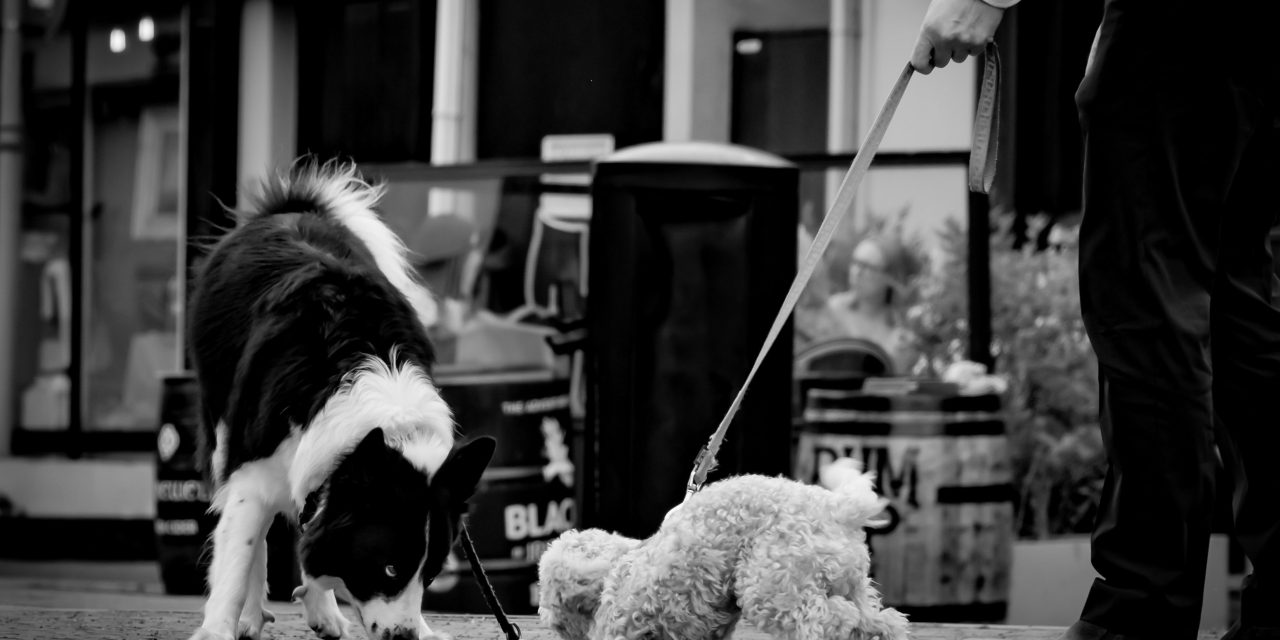
Dog lunging behavior is a complex phenomenon that can manifest in various contexts, often leading to misunderstandings between dogs and their owners. Lunging typically involves a sudden, forceful movement towards another dog, person, or object, which can be alarming for both the target and the handler. This behavior can stem from a variety of motivations, including fear, excitement, or aggression. Understanding the underlying causes of lunging is crucial for effective management and modification of this behavior.
Lunging can be categorized into different types based on the dog’s intent. For instance, a dog may lunge out of fear, attempting to create distance from a perceived threat. Conversely, a dog may lunge in excitement, driven by a desire to engage with another dog or person. Recognizing the specific context and motivation behind lunging is essential for developing appropriate interventions and training strategies.
Common Triggers for Lunging at Other Dogs
Several common triggers can provoke lunging behavior in dogs. One prevalent trigger is the presence of other dogs, particularly those that are unfamiliar or perceived as threatening. Dogs may lunge when they feel their personal space is invaded or when they are approached by an overly exuberant canine. Additionally, certain breeds may exhibit more pronounced lunging tendencies due to their inherent temperament and socialization history.
Another significant trigger is the environment in which the dog finds itself. Busy urban settings, crowded parks, or areas with high foot traffic can overwhelm a dog’s senses, leading to heightened arousal and potential lunging. Owners must be vigilant in recognizing these triggers and managing their dog’s exposure to them to prevent lunging incidents.
The Role of Fear and Anxiety in Lunging

Fear and anxiety are pivotal factors contributing to lunging behavior in dogs. A fearful dog may perceive other dogs or people as threats, prompting a defensive response characterized by lunging. This reaction is often rooted in a lack of confidence or previous negative experiences that have shaped the dog’s perception of its environment.
Anxiety can also manifest as lunging when a dog feels overwhelmed by stimuli such as loud noises, sudden movements, or unfamiliar scents. In these instances, lunging serves as a coping mechanism, allowing the dog to escape from what it perceives as a stressful situation. Addressing the underlying fear and anxiety through desensitization and counter-conditioning techniques is essential for reducing lunging behavior.
Territorial and Protective Instincts

Territoriality is another significant factor influencing lunging behavior in dogs. Many breeds possess strong protective instincts, leading them to defend their perceived territory against intruders. This instinct can trigger lunging when a dog encounters another dog or person within its designated space, such as its home or yard.
Protective lunging may also occur during walks when a dog feels the need to safeguard its owner from perceived threats. This behavior can be exacerbated by a lack of proper training and socialization, resulting in an overreaction to benign stimuli. Understanding these territorial instincts allows owners to implement strategies that promote calmness and reduce aggressive responses.
Lack of Socialization and Its Impact
A lack of socialization during critical developmental periods can significantly impact a dog’s behavior, including lunging tendencies. Puppies undergo crucial socialization phases between 3 and 14 weeks of age, during which they learn how to interact appropriately with other dogs and people. Insufficient exposure during this period can lead to fearfulness and aggression later in life.
Dogs that have not been adequately socialized may struggle to interpret social cues from other dogs, leading to misunderstandings that result in lunging. Owners should prioritize early socialization efforts by exposing their puppies to various environments, people, and other animals in a controlled manner to foster positive experiences.
Overexcitement and Excess Energy
Overexcitement and excess energy are common contributors to lunging behavior in dogs. High-energy breeds or individual dogs with pent-up energy may exhibit impulsive behaviors, including lunging towards other dogs or people out of sheer enthusiasm. This behavior can be particularly pronounced during playtime or when encountering other dogs during walks.
To mitigate overexcitement-related lunging, owners should engage their dogs in regular physical exercise and mental stimulation activities. Structured play sessions, obedience training, and interactive toys can help channel excess energy into more appropriate behaviors. Additionally, teaching impulse control through commands such as “sit” or “stay” can aid in managing excitement levels.
Communication Breakdown: Misreading Dog Signals
Miscommunication between dogs can lead to lunging incidents when one dog misinterprets another’s body language or signals. Dogs communicate through a combination of vocalizations, body posture, and facial expressions. When these signals are misread—such as perceiving a friendly approach as a threat—lunging may occur as a defensive reaction.
Owners must educate themselves about canine body language to better understand their dog’s interactions with others. Recognizing signs of discomfort or aggression in other dogs can help prevent lunging incidents by allowing owners to intervene before tensions escalate. Promoting positive interactions through gradual introductions and supervised playdates can also enhance communication skills among dogs.
The Influence of Previous Negative Experiences
Previous negative experiences can leave lasting impressions on a dog’s behavior, contributing to lunging tendencies. A dog that has been attacked or frightened by another dog may develop a fear-based response characterized by lunging when encountering unfamiliar canines. These experiences create associations that can be difficult to overcome without proper intervention.
To address this issue, owners should focus on desensitization techniques that gradually expose their dogs to similar situations while ensuring positive outcomes. Counter-conditioning methods—whereby the dog is rewarded for calm behavior in the presence of triggers—can help reshape negative associations and reduce lunging responses over time.
How Breed and Genetics Play a Part
Breed characteristics and genetics play a significant role in shaping a dog’s behavior, including its propensity for lunging. Certain breeds are predisposed to protective instincts or high energy levels, which can influence their likelihood of exhibiting lunging behavior. For example, herding breeds may be more prone to chase and lunge due to their instinctual drive to herd.
Understanding breed-specific traits allows owners to tailor training approaches that align with their dog’s natural tendencies. Additionally, recognizing genetic predispositions can help owners set realistic expectations regarding their dog’s behavior and implement appropriate management strategies.
Training Techniques to Manage Lunging
Effective training techniques are essential for managing lunging behavior in dogs. Positive reinforcement methods are particularly beneficial in encouraging desired behaviors while discouraging unwanted actions like lunging. Techniques such as clicker training can help reinforce calm behavior when encountering triggers.
Desensitization exercises involve gradually exposing the dog to its triggers at a distance where it remains calm while rewarding it for appropriate responses. Gradually decreasing the distance over time allows the dog to build confidence and reduce its reactive tendencies. Additionally, teaching alternative behaviors—such as focusing on the handler instead of lunging—can redirect the dog’s energy towards more appropriate actions.
When to Seek Professional Help for Aggressive Lunging
In cases where lunging behavior escalates into aggression or poses safety concerns for the owner or others, seeking professional help is crucial. Certified dog trainers or animal behaviorists can provide tailored guidance based on the specific circumstances surrounding the dog’s behavior. They can assess the underlying causes of lunging and develop comprehensive training plans that address both behavioral issues and environmental factors.
Professional intervention is particularly important for dogs with a history of aggression or those exhibiting severe fear-based responses. Early intervention can prevent further escalation of aggressive behaviors and promote safer interactions between dogs and their environments.
In summary, understanding dog lunging behavior requires an exploration of various factors including fear, anxiety, territorial instincts, lack of socialization, overexcitement, communication breakdowns, previous negative experiences, breed characteristics, and effective training techniques. By recognizing these elements and implementing appropriate management strategies, owners can significantly reduce lunging incidents while fostering positive interactions between their dogs and others in their environment.
FAQs
Why does my dog lunge at other dogs during walks?
Dogs may lunge at other dogs for various reasons, including fear, excitement, or territorial behavior. This reaction can stem from a lack of socialization, previous negative experiences with other dogs, or simply a desire to play. Understanding the underlying cause is crucial for addressing the behavior effectively.
Is lunging at other dogs a sign of aggression?
Lunging can be a sign of aggression, but it is not always the case. Some dogs lunge out of fear or anxiety rather than a desire to harm. It’s important to assess the dog’s body language and overall behavior to determine if the lunging is aggressive or simply a reaction to stress or excitement.
How can I train my dog to stop lunging at other dogs?
Training your dog to stop lunging involves positive reinforcement techniques, desensitization, and counter-conditioning. Gradually expose your dog to other dogs at a distance where they feel comfortable, rewarding calm behavior. Over time, decrease the distance while continuing to reward positive interactions.
Should I avoid walking my dog in areas with other dogs?
Avoiding areas with other dogs may provide temporary relief, but it does not address the underlying issue. Instead, consider gradually introducing your dog to controlled environments with other dogs, using training techniques to help them learn appropriate behavior. This approach can lead to long-term improvements.
When should I seek professional help for my dog’s lunging behavior?
If your dog’s lunging is severe, frequent, or accompanied by aggressive behavior, it may be time to seek professional help. A certified dog trainer or a veterinary behaviorist can provide tailored strategies and support to address the behavior effectively and safely.