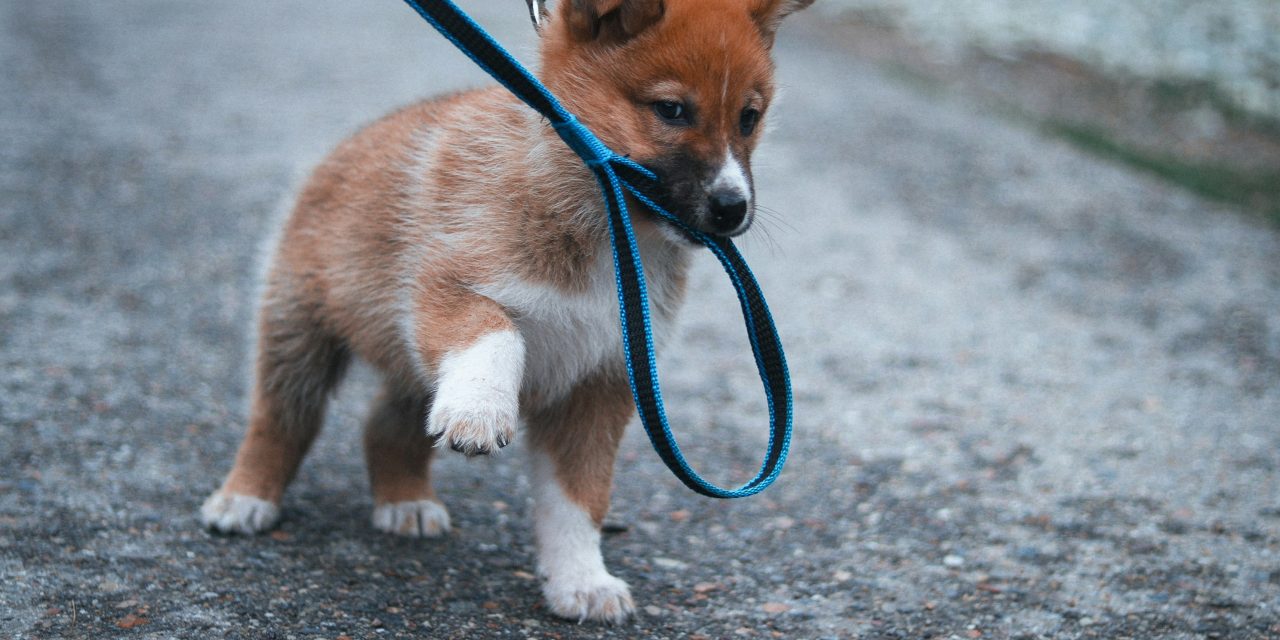
Leash reactivity is a behavioral phenomenon observed in dogs, characterized by an exaggerated response to stimuli while on a leash. This behavior often manifests as barking, lunging, or growling at other dogs, people, or even inanimate objects. The underlying causes of leash reactivity can be multifaceted, including fear, frustration, or a desire to assert dominance. Understanding the root of this behavior is crucial for effective management and training.
The leash itself can exacerbate a dog’s reactivity. When a dog is restrained, it may feel trapped and unable to escape perceived threats, leading to heightened anxiety and aggressive displays. Additionally, the presence of a leash can inhibit natural canine communication, causing misunderstandings with other dogs. Recognizing that leash reactivity is not merely a behavioral issue but often stems from emotional distress is essential for developing appropriate interventions.
Identifying Triggers: How to Recognize Your Dog’s Reactivity Cues
Recognizing the specific triggers that provoke your dog’s reactivity is vital for effective training. Common triggers include other dogs, bicycles, joggers, or even loud noises. Observing your dog’s body language can provide critical insights into their emotional state. Signs of reactivity may include stiffening of the body, raised hackles, intense staring, or excessive barking.
To accurately identify triggers, keep a detailed log of your dog’s reactions during walks. Note the distance at which your dog begins to react and the specific stimuli involved. This information will help you understand patterns in your dog’s behavior and tailor your training approach accordingly. By pinpointing these triggers, you can create a more controlled environment for your dog and gradually expose them to their fears in a safe manner.
The Importance of Safety First: Preparing for Reactive Dog Training

Safety is paramount when addressing leash reactivity. Before embarking on any training regimen, ensure that both you and your dog are equipped to handle potentially stressful situations. This includes using appropriate safety gear such as sturdy collars and harnesses designed to prevent escape during reactive episodes. Additionally, consider using a muzzle if your dog has a history of aggressive behavior; this can provide peace of mind for both you and others in the vicinity.
Creating a safe training environment also involves selecting appropriate locations for practice sessions. Choose quiet areas with minimal distractions to begin your training. Gradually introduce your dog to more stimulating environments as they become more comfortable with their training regimen. Always prioritize safety by maintaining control over your dog and being aware of your surroundings.
Choosing the Right Equipment: Collars, Harnesses, and Leashes

Selecting the appropriate equipment is crucial for managing leash reactivity effectively. A well-fitted harness can provide better control than a traditional collar, reducing strain on the dog’s neck and minimizing the risk of injury during reactive episodes. Front-clip harnesses are particularly beneficial as they redirect the dog’s attention towards the handler when they pull.
Leashes should be durable and comfortable for both the handler and the dog. A standard six-foot leash is often recommended for training purposes, as it allows for adequate control while providing enough distance for the dog to feel secure. Consider using a traffic leash for close encounters; this shorter leash provides immediate control when necessary. Additionally, avoid retractable leashes during training sessions, as they can encourage pulling and reduce overall control.
Managing Distance: Keeping Your Dog Comfortable and Controlled
Managing distance is a critical component of training reactive dogs. By maintaining an appropriate distance from triggers, you can help your dog remain calm and focused during walks. Start by observing your dog’s threshold—the distance at which they begin to react—and adjust accordingly. Gradually decrease this distance as your dog becomes more comfortable with their surroundings.
Utilizing distance management techniques can also involve creating barriers between your dog and potential triggers. For example, walking on the opposite side of the street or using natural obstacles like trees or benches can help shield your dog from overwhelming stimuli. This approach allows for gradual exposure while ensuring that your dog feels secure and less threatened.
Positive Reinforcement Techniques for Reactive Dogs
Positive reinforcement is an effective training method that encourages desired behaviors through rewards. For reactive dogs, this approach involves rewarding calm behavior in the presence of triggers rather than punishing reactive responses. Treats, praise, or playtime can serve as powerful motivators for your dog to remain composed during walks.
Begin by rewarding your dog for maintaining focus on you rather than reacting to stimuli. Use high-value treats that your dog finds irresistible to reinforce positive behavior consistently. Over time, gradually increase the difficulty of training scenarios by introducing more challenging triggers while continuing to reward calmness and focus.
Desensitization and Counter-Conditioning: Changing Your Dog’s Response
Desensitization and counter-conditioning are two powerful techniques used to modify a dog’s emotional response to triggers. Desensitization involves gradually exposing your dog to their triggers at a distance where they remain calm, slowly decreasing that distance over time as they become more comfortable.
Counter-conditioning complements desensitization by changing your dog’s emotional response to triggers through positive associations. For instance, if your dog reacts negatively to other dogs, pair their presence with high-value treats or playtime when they remain calm. This process helps shift their perception from fear or aggression to positive experiences associated with the trigger.
Handling Unexpected Situations: Staying Calm and In Control
Unexpected situations can arise during walks with reactive dogs, making it essential for handlers to remain calm and composed. Your emotional state significantly influences your dog’s behavior; if you exhibit anxiety or frustration, your dog may mirror those feelings. Practice deep breathing techniques or mindfulness exercises before walks to maintain a calm demeanor.
In case of an unexpected encounter with a trigger, redirect your dog’s attention using treats or toys while maintaining a safe distance. If necessary, create space by changing direction or moving behind an obstacle until the situation passes. Remaining composed will help reassure your dog that they are safe and that you are in control.
When to Seek Professional Help: Trainers and Behaviorists
While many owners can successfully manage leash reactivity through consistent training techniques, some situations may require professional assistance. If you find that your dog’s reactivity is escalating or if you feel overwhelmed by the training process, seeking help from a certified dog trainer or animal behaviorist can be beneficial.
Professionals can provide tailored training plans based on your dog’s specific needs and behaviors. They may also offer insights into underlying issues that may not be immediately apparent to owners. When selecting a trainer or behaviorist, ensure they utilize positive reinforcement methods and have experience working with reactive dogs.
Consistency and Patience: Keys to Long-Term Success
Consistency is vital when addressing leash reactivity in dogs. Establishing a routine that incorporates regular training sessions will reinforce desired behaviors over time. Ensure that all family members are on board with the training approach to maintain uniformity in commands and expectations.
Patience is equally important; behavioral modification takes time and persistence. Celebrate small victories along the way and recognize that setbacks may occur during the training process. By remaining committed to consistent practice and maintaining a positive attitude, you will foster long-term success in managing leash reactivity.
Maintaining Progress: Tips for Ongoing Leash Reactivity Management
Once progress has been made in managing leash reactivity, ongoing maintenance is essential to prevent regression. Continue practicing desensitization techniques regularly, even in low-stress environments. Incorporate new challenges gradually while reinforcing positive behaviors consistently.
Engaging in regular socialization opportunities with well-behaved dogs can also help reinforce positive associations with other animals. Consider enrolling in group classes designed for reactive dogs; these settings provide controlled environments where dogs can learn to interact positively with others under supervision.
In summary, leash reactivity is a complex behavioral issue that requires understanding, patience, and consistent training efforts from owners. By identifying triggers, employing positive reinforcement techniques, and seeking professional guidance when necessary, owners can effectively manage their dog’s reactivity while ensuring safety for all involved parties. With dedication and commitment to ongoing training practices, long-term success in reducing leash reactivity is achievable.
### FAQ Section
1. **What causes leash reactivity in dogs?**
– Leash reactivity can stem from fear, frustration, lack of socialization, or territorial instincts.
2. **How can I tell if my dog is reactive?**
– Signs include barking, lunging, growling, stiff body posture, raised hackles, or intense staring at stimuli.
3. **What equipment should I use for my reactive dog?**
– A front-clip harness paired with a sturdy six-foot leash is recommended for better control.
4. **How do I manage my dog’s distance from triggers?**
– Observe your dog’s threshold for reacting and maintain a safe distance while gradually decreasing it over time.
5. **What are some effective positive reinforcement techniques?**
– Reward calm behavior with treats or praise when encountering triggers; use high-value rewards for better results.
6. **What is desensitization?**
– Desensitization involves gradually exposing your dog to triggers at a distance where they remain calm.
7. **When should I seek professional help?**
– If your dog’s reactivity escalates or if you feel overwhelmed by training efforts, consider consulting a certified trainer or behaviorist.
8. **How long does it take to see improvement?**
– Improvement timelines vary based on individual dogs; consistency and patience are key factors in achieving results.
9. **Can I train my reactive dog myself?**
– Yes, many owners successfully manage leash reactivity through consistent training techniques; however, professional guidance can be beneficial.
10. **What should I do if my dog reacts unexpectedly?**
– Stay calm, redirect their attention using treats or toys, and create space until the situation passes.
In conclusion, managing leash reactivity requires understanding its underlying causes and implementing effective strategies tailored to each dog’s needs. Through consistent practice of positive reinforcement techniques and ongoing socialization efforts, owners can foster a more relaxed walking experience for both themselves and their canine companions.
FAQs
What is leash reactivity in dogs?
Leash reactivity refers to a dog’s tendency to react aggressively or excessively when on a leash, often in response to other dogs, people, or stimuli. This behavior can manifest as barking, lunging, or growling, and is typically a result of frustration, fear, or excitement when the dog feels restrained.
What are some common causes of leash reactivity?
Common causes of leash reactivity include fear or anxiety about other dogs or people, lack of socialization, frustration from being unable to approach or interact with stimuli, and previous negative experiences while on a leash. Understanding the root cause is essential for effective training.
How can I safely manage my dog’s leash reactivity?
To manage leash reactivity safely, you can use techniques such as desensitization and counter-conditioning, which involve gradually exposing your dog to the trigger at a distance while rewarding calm behavior. Additionally, using a front-clip harness can help control your dog more effectively during walks.
What training methods are effective for reactive dogs?
Effective training methods for reactive dogs include positive reinforcement, where you reward desired behaviors, and clicker training, which helps mark and reinforce good behavior. Consistency and patience are key, as well as seeking the guidance of a professional dog trainer if needed.
When should I seek professional help for my reactive dog?
You should consider seeking professional help if your dog’s reactivity is severe, poses a danger to themselves or others, or if you feel overwhelmed by the training process. A certified dog trainer or behaviorist can provide tailored strategies and support to address your dog’s specific needs.