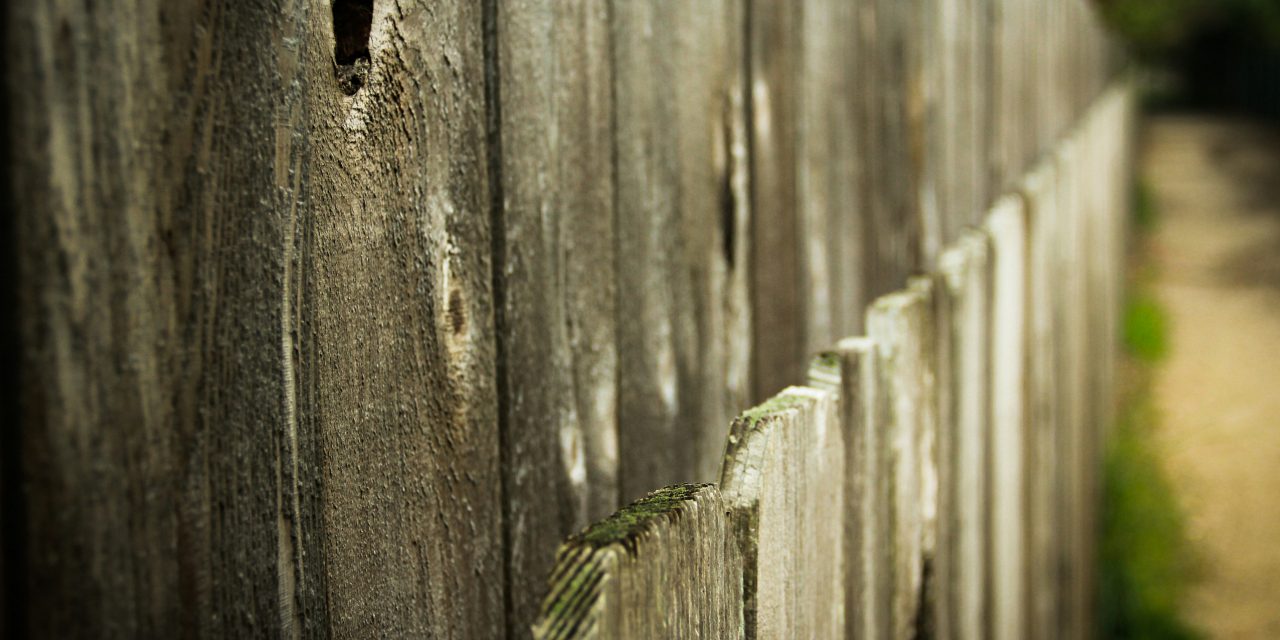
When evaluating the condition of a fence, it is crucial to conduct a thorough inspection to identify any signs of damage. Begin by examining the overall structure, looking for sagging sections or leaning posts that may indicate foundational issues. Pay close attention to the joints where the panels meet the posts, as these areas are often susceptible to wear and tear. Additionally, inspect for any visible cracks or splits in the wood, which can compromise the integrity of the fence.
Another critical aspect to assess is the presence of rot or decay, particularly in wooden fences. Look for soft spots or discoloration, which may suggest that moisture has infiltrated the material. Furthermore, check for signs of pest infestations, such as holes or frass (wood dust) around the base of the posts. By identifying these issues early on, homeowners can take proactive measures to address them before they escalate into more significant problems.
If you’re considering a handyman for fence repair, you might also be interested in ensuring your yard is safe and welcoming for pets. A well-maintained fence is crucial for keeping your furry friends secure. For insights on choosing the right dog breed that fits well with families and first-time owners, check out this informative article on the top 10 dog breeds: Top 10 Dog Breeds Perfect for Families and First-Time Owners.
Choosing the Right Materials for Durable Repairs
Selecting appropriate materials for fence repairs is essential for ensuring longevity and durability. When dealing with wooden fences, opt for pressure-treated lumber, which is treated with preservatives to resist rot and insect damage. Cedar and redwood are also excellent choices due to their natural resistance to decay and appealing aesthetics. For metal fences, galvanized steel or aluminum is recommended, as these materials are less prone to rust and corrosion.
In addition to the primary materials, consider using high-quality fasteners and hardware. Stainless steel screws and brackets provide superior strength and resistance to rust compared to standard steel options. Furthermore, investing in weather-resistant sealants and paints can enhance the lifespan of the fence by providing an additional layer of protection against environmental elements.
Tools Every Handyman Needs for Fence Fixes

A well-equipped toolbox is essential for any handyman undertaking fence repairs. Start with basic hand tools such as a hammer, screwdriver set, and pliers. A tape measure is crucial for ensuring accurate measurements when cutting materials or spacing posts. Additionally, a level will help maintain proper alignment during installation.
Power tools can significantly expedite the repair process. A cordless drill is invaluable for driving screws and drilling holes in various materials. A circular saw or miter saw will facilitate precise cuts for boards and posts. For larger projects, consider investing in a post hole digger or auger to simplify the process of setting new posts. Having these tools readily available will streamline repairs and enhance overall efficiency.
How to Repair Loose or Broken Fence Posts

Loose or broken fence posts can compromise the stability of an entire fence line. To address this issue, start by assessing the extent of the damage. If a post is merely loose, it may be possible to reinforce it without complete replacement. Begin by digging around the base of the post to expose the concrete footing. Once exposed, add additional concrete mix around the post and ensure it is level before allowing it to cure.
In cases where a post is severely damaged or broken, removal may be necessary. Use a post puller or pry bar to extract the damaged post from its footing. After removal, prepare a new post by treating it with a wood preservative before installation. Set the new post in a concrete footing, ensuring it is plumb and secure before backfilling with soil.
If you’re considering tackling handyman fence repair, it’s essential to be aware of potential issues that could arise, such as pest infestations. For instance, understanding the early signs of a mouse infestation can help you maintain the integrity of your outdoor space. You can read more about this in the article on early signs of a mouse infestation, which provides valuable insights that may assist you in keeping your fence and yard in top condition.
Fixing Cracked or Split Fence Boards
Cracked or split boards can detract from the appearance of a fence while also compromising its structural integrity. To repair these issues, start by assessing whether the damage is superficial or if it has penetrated deeply into the board. For minor cracks, wood glue can be applied to bond the split sections together effectively. Clamp the board until the adhesive cures fully.
In cases where boards are significantly damaged, replacement may be necessary. Remove the affected board by unscrewing it from its fasteners or cutting it out if it is nailed in place. Measure and cut a new board to fit precisely within the existing framework. Secure it using weather-resistant screws or nails to ensure a long-lasting repair.
If you’re considering tackling a handyman fence repair project, you might find it helpful to explore some additional resources that can guide you through the process. For instance, understanding how to train your dog can be crucial if you have pets that might interfere with your repairs. You can read more about effective techniques in this informative article on dog training tips, which can help ensure your furry friends stay safe and out of the way while you work on your fence.
Reinforcing Weak Fence Panels for Extra Strength
Weak fence panels can lead to sagging and instability over time. To reinforce these panels, consider adding diagonal bracing between posts and panels. This technique distributes weight more evenly and provides additional support against wind and other forces. Use pressure-treated lumber for bracing to ensure durability.
Another effective method for strengthening panels is to install additional vertical supports between existing posts. This approach reduces the span between supports, minimizing flexing and movement during adverse weather conditions. Ensure that all fasteners used are corrosion-resistant to maintain structural integrity over time.
Preventing Rot and Pest Damage in Wooden Fences
Preventing rot and pest damage is vital for maintaining wooden fences over time. Start by ensuring proper drainage around the base of the fence; standing water can accelerate decay. Consider installing gravel or drainage tiles at the base of posts to facilitate water runoff.
Regularly applying wood preservatives can also help protect against rot and insect infestations. Look for products specifically designed for outdoor use that penetrate deeply into the wood fibers. Additionally, keeping vegetation trimmed away from the fence line reduces moisture retention and minimizes pest access points.
Repairing Metal Fences: Rust Removal and Protection
Metal fences are susceptible to rust, which can weaken their structure over time. To repair rusted areas, begin by using a wire brush or sandpaper to remove loose rust and debris from affected sections. For more extensive rust damage, consider using a rust remover product that chemically breaks down corrosion.
Once rust has been removed, apply a rust-inhibiting primer followed by a high-quality exterior paint designed for metal surfaces. This protective coating will help prevent future rust formation while enhancing the aesthetic appeal of the fence.
Painting and Staining Tips for a Stylish Finish
Painting or staining a fence not only enhances its appearance but also provides an additional layer of protection against environmental elements. Before applying any finish, ensure that the surface is clean and free from dirt or debris. Power washing can be an effective method for preparing wooden surfaces.
When selecting paint or stain, choose products specifically formulated for outdoor use that offer UV protection and mildew resistance. Apply multiple thin coats rather than one thick coat to achieve an even finish while allowing adequate drying time between applications.
Installing Fence Caps and Decorative Elements
Adding decorative elements such as fence caps can enhance both functionality and aesthetics. Fence caps serve as protective barriers against moisture infiltration while providing a polished look to posts. When selecting caps, consider materials that complement your fence style—wooden caps for traditional designs or metal caps for modern aesthetics.
Installation typically involves securing caps with adhesive or screws, depending on the design. Additionally, decorative elements such as lattice panels or trellises can add visual interest while providing support for climbing plants.
Regular Maintenance Practices to Extend Fence Life
To maximize the lifespan of a fence, regular maintenance practices are essential. Schedule annual inspections to identify any signs of wear or damage early on. Cleaning the fence periodically with soap and water will help remove dirt buildup that can lead to deterioration.
Reapplying protective coatings every few years will also extend the life of both wooden and metal fences significantly. Additionally, trimming back vegetation near the fence line will reduce moisture retention and pest access points, further enhancing durability.
In summary, maintaining a fence requires diligent assessment of damage, careful selection of materials, and regular upkeep practices. By employing appropriate tools and techniques for repairs while implementing preventive measures against rot and pests, homeowners can ensure their fences remain sturdy and visually appealing for years to come.
FAQs
What types of fences can a handyman repair?
A handyman can repair various types of fences, including wooden, vinyl, chain-link, and metal fences. They can address issues such as broken boards, loose posts, rusted sections, and damaged gates, ensuring the fence is restored to its original condition.
How do I know if my fence needs repair?
Signs that your fence may need repair include visible damage such as cracks, rot, or rust, leaning or unstable posts, gaps between panels, and difficulty opening or closing gates. Regular inspections can help identify these issues early on.
What tools does a handyman typically use for fence repair?
A handyman typically uses tools such as a hammer, saw, drill, level, measuring tape, and post hole digger for fence repairs. Depending on the type of fence, they may also use specialized tools like a fence stretcher or wire cutters for chain-link fences.
Can I repair my fence myself, or should I hire a handyman?
While some minor repairs can be done by homeowners with basic DIY skills, hiring a handyman is advisable for more complex issues or if you lack the necessary tools and experience. A professional can ensure the repair is done correctly and safely.
How much does handyman fence repair typically cost?
The cost of handyman fence repair can vary widely based on factors such as the type of fence, the extent of the damage, and local labor rates. On average, homeowners can expect to pay between $100 to $500 for repairs, but it’s best to get a quote for an accurate estimate.