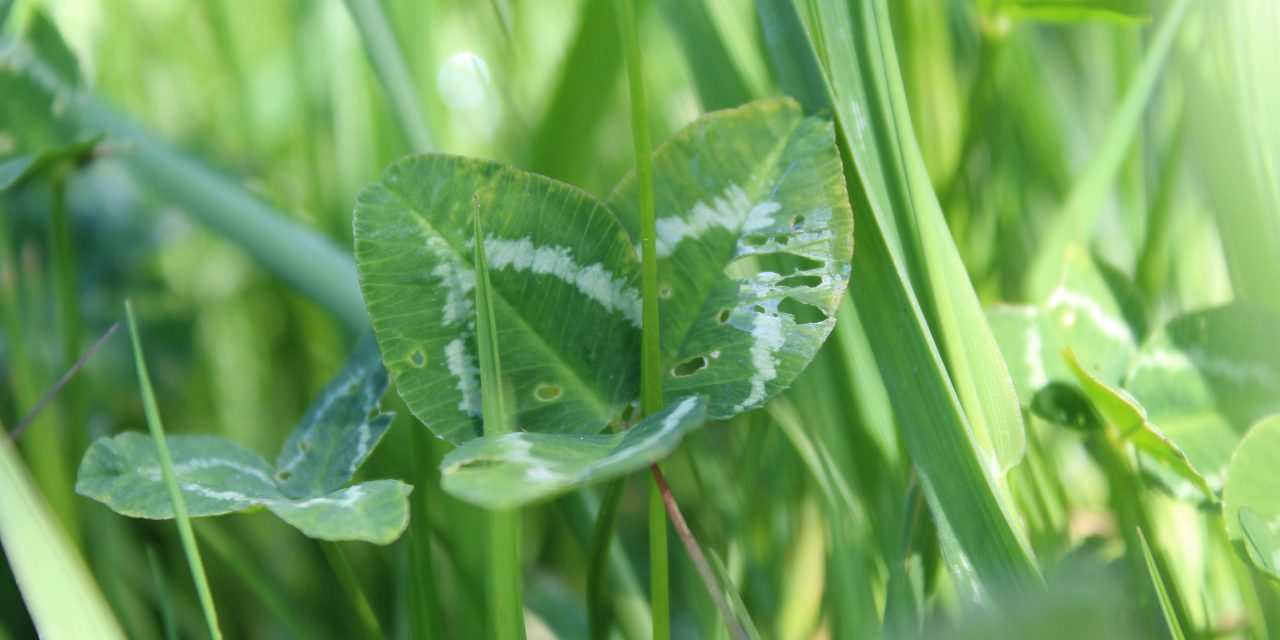
Oxalis, commonly referred to as wood sorrel, is a perennial weed that belongs to the Oxalidaceae family. This genus comprises over 500 species, with Oxalis stricta and Oxalis pes-caprae being the most prevalent in temperate regions. Characterized by their trifoliate leaves resembling clover, these plants can be easily identified by their distinctive yellow or white flowers that bloom in clusters. The leaves often fold up at night or during overcast weather, a phenomenon known as nyctinasty.
The growth habits of Oxalis are particularly concerning for gardeners and landscapers. These weeds thrive in a variety of soil types and can adapt to both sunny and shaded environments. They reproduce through seeds and underground bulbs, allowing them to spread rapidly. A single plant can produce thousands of seeds, which can remain viable in the soil for several years. This resilience makes Oxalis a formidable adversary in maintaining healthy lawns and gardens.
Oxalis weeds, commonly known as wood sorrel, can be a nuisance in gardens and lawns due to their rapid growth and ability to spread quickly. For those looking to maintain a healthy outdoor space, understanding how to manage these weeds is essential. If you’re also interested in caring for your furry companions while you tackle your gardening challenges, you might find helpful tips in this article on senior dog care. Check it out here: 10 Essential Senior Dog Care Tips for a Happy, Healthy Pet.
Preventing Oxalis Spread: Early Detection and Removal
Preventing the spread of Oxalis begins with early detection. Regular inspections of your garden or lawn can help identify small infestations before they escalate into larger problems. Look for the characteristic clover-like leaves and yellow flowers, especially in areas where the soil is disturbed or where moisture accumulates. Early intervention is crucial; once established, Oxalis can be challenging to eradicate.
Once identified, immediate removal is essential. Hand-pulling is effective if done before the plant flowers and sets seed. However, it is vital to ensure that the entire root system is removed to prevent regrowth. Additionally, maintaining a healthy lawn through proper watering and fertilization can create an environment less conducive to Oxalis proliferation.
Manual Removal Techniques: Hand-Pulling and Digging Out Roots

Manual removal techniques are among the most environmentally friendly methods for controlling Oxalis populations. Hand-pulling is straightforward but requires diligence. It is best performed after rainfall when the soil is moist, making it easier to extract the entire root system. When pulling, grasp the base of the plant firmly and pull upward while twisting slightly to dislodge the roots.
For more extensive infestations, digging out roots may be necessary. Using a spade or garden fork, carefully excavate around the plant to ensure that all underground bulbs are removed. This method is labor-intensive but highly effective when done correctly. After removal, it is advisable to dispose of the plants in a sealed bag to prevent any chance of re-establishment.
Mulching Strategies to Suppress Oxalis Growth

Mulching serves as an effective strategy for suppressing Oxalis growth by creating a barrier that limits light penetration and moisture retention in the soil. Organic mulches such as wood chips, straw, or shredded leaves can be applied around plants and in garden beds to inhibit weed germination. A layer of 2-4 inches is typically recommended for optimal effectiveness.
In addition to suppressing weeds, mulch contributes to soil health by improving moisture retention and providing nutrients as it decomposes. It also helps regulate soil temperature, creating an unfavorable environment for Oxalis seeds to germinate. Regularly replenishing mulch throughout the growing season ensures continued effectiveness against weed encroachment.
If you’re dealing with oxalis weeds in your garden, you might find it helpful to explore various home repair tips that can enhance your outdoor space. For instance, understanding essential home repairs can improve your gardening experience and help you maintain a healthy environment. You can read more about these valuable tips in this article on essential home repairs that every DIYer should know. By incorporating these practices, you can create a more enjoyable and productive gardening area while effectively managing pesky weeds like oxalis. For more information, check out the article here.
Using Vinegar Solutions as a Natural Herbicide
Vinegar solutions have gained popularity as a natural herbicide due to their acetic acid content, which can effectively kill young Oxalis plants upon contact. A solution with at least 10-20% acetic acid concentration is recommended for optimal results. When applying vinegar, it is crucial to target only the foliage of the weed, as it can harm desirable plants if sprayed indiscriminately.
To use vinegar effectively, apply it on a sunny day when temperatures are above 70°F (21°C) for maximum efficacy. The heat enhances the herbicidal properties of vinegar, leading to quicker desiccation of the plant. However, repeated applications may be necessary for larger infestations or more established plants.
If you’re looking to improve your garden’s health and aesthetics, it’s essential to manage common weeds like oxalis effectively. These pesky plants can quickly take over and compete with your desired flora. For those interested in enhancing their gardening skills while also exploring delicious vegetarian options, you might find inspiration in this article about tasty vegetarian recipes. Check it out here for some delightful meal ideas that can complement your gardening efforts.
Applying Commercial Herbicides Safely and Effectively
For severe infestations of Oxalis, commercial herbicides may be necessary for effective control. Selective herbicides containing ingredients such as glyphosate or triclopyr can target broadleaf weeds while sparing grasses. It is essential to read labels carefully and follow application instructions to minimize environmental impact and ensure safety.
Timing is critical when applying herbicides; late summer or early fall is often ideal since Oxalis plants are actively transporting nutrients to their roots during this period. Applying herbicides during this time can enhance absorption and efficacy. Additionally, consider using spot treatments rather than blanket applications to reduce chemical exposure to non-target plants.
Improving Soil Health to Discourage Oxalis Proliferation
Soil health plays a pivotal role in controlling Oxalis growth. Healthy soils rich in organic matter support robust plant growth while suppressing weed populations. Regularly amending soil with compost or well-rotted manure can improve nutrient availability and enhance microbial activity, creating an environment less favorable for weed establishment.
Furthermore, conducting soil tests can provide valuable insights into nutrient deficiencies or imbalances that may contribute to weed proliferation. Addressing these issues through appropriate fertilization and pH adjustments can promote healthy grass growth that outcompetes Oxalis for resources.
Proper Lawn and Garden Maintenance Practices
Maintaining a healthy lawn and garden is essential for preventing Oxalis infestations. Regular mowing at the appropriate height encourages dense grass growth while discouraging weed establishment. Additionally, proper watering practices—such as deep watering less frequently—can promote deep root systems in desirable plants while minimizing moisture availability for weeds.
Fertilization should also be tailored to meet the specific needs of your lawn or garden plants. Over-fertilizing can lead to lush growth that attracts weeds like Oxalis; therefore, following recommended guidelines based on soil tests is crucial for maintaining balance.
Introducing Ground Covers to Outcompete Oxalis
Introducing ground covers can be an effective strategy for outcompeting Oxalis in garden beds and lawns. Species such as creeping thyme, clover, or sedum can establish dense mats that inhibit light penetration and limit space available for weeds to grow. These ground covers not only suppress weeds but also enhance aesthetic appeal and biodiversity in your landscape.
When selecting ground covers, consider factors such as sunlight exposure, soil type, and moisture levels to ensure compatibility with existing plants. Establishing these covers in areas prone to Oxalis infestation can significantly reduce weed pressure over time.
Regular Monitoring and Follow-Up Treatments
Regular monitoring is essential for effective long-term control of Oxalis populations. Conducting routine inspections allows for early detection of new infestations before they become unmanageable. Keeping a record of areas where Oxalis has been previously removed can help identify patterns and inform future management strategies.
Follow-up treatments are equally important; even after initial removal efforts, some seeds may remain dormant in the soil and germinate later on. Implementing a consistent maintenance schedule that includes manual removal, mulching, or herbicide applications will help ensure that any new growth is promptly addressed.
Combining Methods for Long-Term Oxalis Control Success
For optimal results in controlling Oxalis populations, a multifaceted approach combining various methods is recommended. Integrating manual removal techniques with mulching strategies creates a comprehensive management plan that addresses both existing plants and prevents new growth from establishing.
Additionally, incorporating soil health improvements alongside regular monitoring will enhance overall landscape resilience against weed encroachment. By employing a combination of cultural practices, natural remedies, and targeted chemical treatments when necessary, gardeners can achieve long-term success in managing Oxalis infestations effectively.
In summary, understanding the identification and growth habits of Oxalis weeds is crucial for effective management strategies. Early detection and removal are key components in preventing spread, while manual techniques such as hand-pulling and digging out roots provide environmentally friendly options for control. Mulching strategies suppress growth, while vinegar solutions offer natural herbicidal alternatives. Commercial herbicides can be applied safely when necessary, alongside efforts to improve soil health through organic amendments and proper maintenance practices. Introducing ground covers can further outcompete Oxalis, while regular monitoring ensures ongoing management success through combined methods tailored for long-term control.
FAQs
What are oxalis weeds?
Oxalis weeds, commonly known as wood sorrel, are a group of plants belonging to the Oxalidaceae family. They are characterized by their clover-like leaves and small, often yellow or white flowers. Some species are considered invasive and can spread rapidly in gardens and lawns.
How do oxalis weeds spread?
Oxalis weeds can spread through both seeds and underground rhizomes. The seeds are small and can be dispersed by wind, water, or animals, while the rhizomes allow the plant to propagate vegetatively, creating new plants in close proximity to the parent plant.
Are oxalis weeds harmful to gardens?
While oxalis weeds are not toxic to humans or pets, they can be detrimental to gardens and lawns. They compete with desirable plants for nutrients, water, and sunlight, potentially stunting the growth of other plants and reducing overall garden health.
How can I control oxalis weeds in my garden?
Controlling oxalis weeds can be achieved through several methods, including manual removal, mulching, and the application of herbicides. It is important to remove the entire root system to prevent regrowth. Regular maintenance and monitoring can also help keep their population in check.
What conditions do oxalis weeds thrive in?
Oxalis weeds thrive in a variety of conditions but prefer moist, well-drained soils and can often be found in shaded areas. They are adaptable and can grow in both sunny and partially shaded environments, making them resilient in many garden settings.