
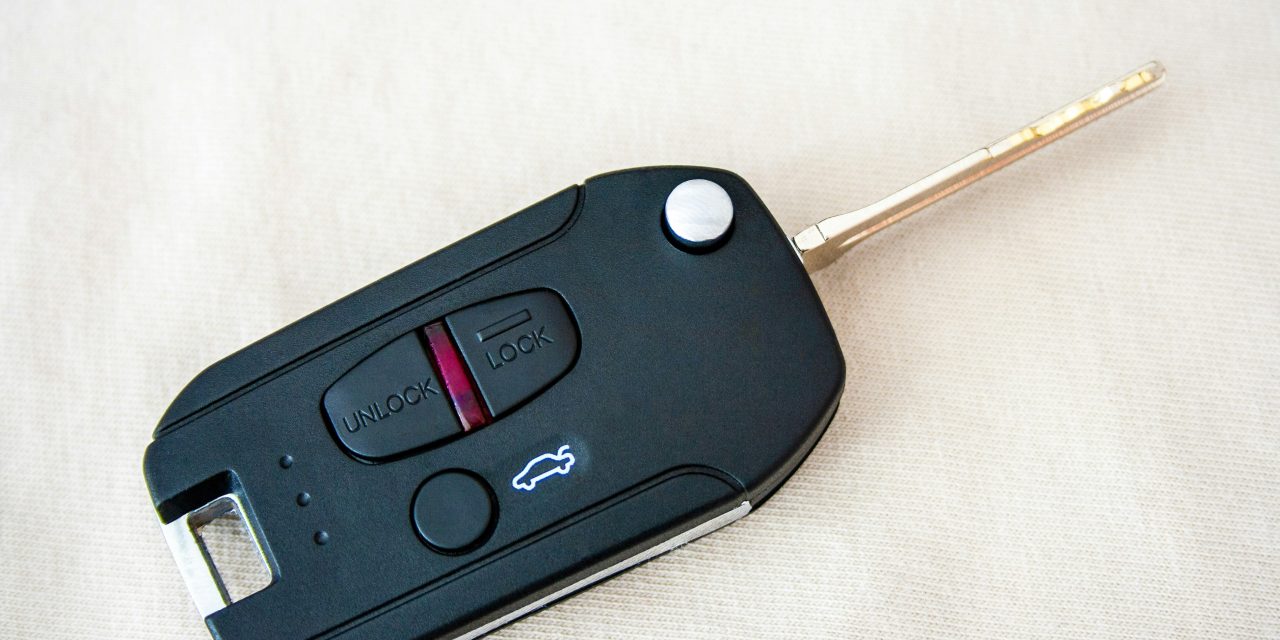
Key fobs are essential components of modern vehicle security systems, providing convenience and enhanced safety. These small devices typically utilize batteries that vary in type and size, depending on the manufacturer and model of the vehicle. The most common battery types found in key fobs include CR2032, CR2025, and CR2016 lithium coin cells. Understanding the specific battery type required for your key fob is crucial for ensuring optimal functionality.
To determine the correct battery type, consult your vehicle’s owner manual or check the existing battery for its specifications. Additionally, many automotive retailers and online platforms provide compatibility charts that can assist in identifying the appropriate battery for your key fob. Knowing the battery type not only aids in replacement but also helps in purchasing the right product, preventing potential damage to the key fob.
If you’re looking to enhance your DIY skills, you might find it helpful to read an article on preparing your garden beds for spring planting. This guide provides ten easy steps to ensure your garden thrives, which can be a rewarding project to tackle alongside simpler tasks like replacing a key fob battery. For more information, check out this article on preparing garden beds for spring planting success.
Gathering the Necessary Tools and Materials
Before embarking on the battery replacement process, it is essential to gather all necessary tools and materials to ensure a smooth operation. The primary items required include a small flathead screwdriver or a plastic prying tool, a new battery compatible with your key fob, and a clean, flat workspace to prevent losing small components.
In addition to these basic tools, having a pair of tweezers can be beneficial for handling tiny parts, especially when removing or inserting batteries. A magnifying glass may also prove useful for inspecting small components within the key fob. By preparing adequately, you can streamline the process and minimize the risk of errors or damage during the replacement.
Locating the Battery Compartment on Your Key Fob

Identifying the battery compartment on your key fob is a critical step in the replacement process. Most key fobs feature a designated compartment that houses the battery, typically located on the back or side of the device. Some models may have a visible seam or latch that indicates where to open the fob.
To locate the compartment, examine your key fob closely for any markings or grooves that suggest an opening mechanism. In some cases, you may need to consult your vehicle’s manual for specific instructions related to your model. Understanding where the battery compartment is situated will facilitate a more efficient replacement process.
Safely Opening the Key Fob Case

Once you have located the battery compartment, it is time to open the key fob case safely. Using a small flathead screwdriver or a plastic prying tool, gently insert it into the seam of the key fob. Apply minimal pressure to avoid damaging the casing or internal components. If your key fob has screws, ensure you have the appropriate screwdriver to remove them before attempting to pry open the case.
Take care to work slowly and methodically, as rushing can lead to cracks or breaks in the plastic casing. If you encounter resistance while opening the fob, reassess your approach and ensure you are applying even pressure along the seam. Once opened, you should have access to the internal components, including the battery compartment.
If you’re looking to replace your key fob battery, you might find it helpful to read a related article that discusses how to effectively use a portable carpet cleaner for spots and spills. This can be particularly useful if you’ve accidentally spilled something on your key fob or in your car, as keeping your vehicle clean can prevent further issues. You can check out the article here: how to use a portable carpet cleaner for spots and spills.
Removing the Old Battery Carefully
With the key fob case opened, you can now proceed to remove the old battery carefully. Depending on your key fob design, you may need to use tweezers or your fingers to grasp the battery securely. Be cautious not to touch any electronic components within the fob, as oils from your skin can potentially cause damage.
When removing the old battery, take note of its orientation—specifically, which side is facing up. This information will be crucial when inserting the new battery later on. Dispose of the old battery responsibly by following local regulations regarding battery disposal, as lithium batteries can be harmful to the environment if not disposed of properly.
Identifying the Correct Orientation for the New Battery
Before inserting the new battery into your key fob, it is vital to identify its correct orientation. Most batteries have a positive (+) and negative (-) side, which must align correctly with the corresponding terminals inside the key fob. Typically, there will be markings or symbols within the battery compartment indicating where each side should be positioned.
Referencing these markings will help ensure that you insert the new battery correctly, preventing potential malfunctions or damage to your key fob’s circuitry. If you are uncertain about orientation, consult your vehicle’s manual or look for online resources specific to your key fob model for guidance.
Inserting the New Battery Properly
With a clear understanding of orientation, you can now insert the new battery into your key fob properly. Gently place the battery into its compartment, ensuring that it fits snugly against the terminals without excessive force. If you encounter resistance while inserting it, double-check its orientation and alignment with the terminals.
Once securely in place, press down lightly on the battery to ensure it makes good contact with both terminals. This step is crucial for ensuring that your key fob functions correctly after reassembly. After confirming that the new battery is seated properly, you can proceed to reassemble your key fob case.
Reassembling the Key Fob Case Securely
Reassembling your key fob case requires careful attention to detail to ensure that all components fit together securely without gaps or misalignment. Begin by aligning both halves of the case and gently pressing them together until they click into place. If your model has screws, use a screwdriver to secure them tightly but avoid overtightening, which could crack the casing.
Inspect the edges of your key fob for any visible gaps that may indicate improper assembly. A well-sealed key fob will protect its internal components from dust and moisture exposure, prolonging its lifespan and functionality. Once satisfied with reassembly, you can move on to testing its functionality.
Testing the Key Fob to Ensure Proper Function
After successfully reassembling your key fob, it is essential to test its functionality before considering the job complete. Stand near your vehicle and press any button on your key fob to check if it responds appropriately—this could include locking/unlocking doors or activating panic features.
If your key fob does not respond as expected, double-check that the new battery is installed correctly and that all components are securely assembled. In some cases, reprogramming may be necessary if issues persist; consult your vehicle’s manual for instructions on how to reprogram your specific model’s key fob.
Tips for Extending the Life of Your Key Fob Battery
To maximize the lifespan of your key fob battery and minimize future replacements, consider implementing several best practices. First and foremost, avoid exposing your key fob to extreme temperatures or moisture, as these conditions can degrade battery performance over time.
Additionally, limit unnecessary usage of features such as remote start or panic buttons unless needed; excessive use can drain batteries quickly. Regularly inspect your key fob for signs of wear or damage and replace batteries promptly when performance begins to decline. By adopting these habits, you can extend both battery life and overall key fob functionality.
When to Seek Professional Help for Key Fob Issues
While many individuals can successfully replace their key fob batteries independently, certain situations may warrant professional assistance. If you encounter persistent issues with your key fob even after replacing its battery—such as failure to respond or intermittent functionality—it may indicate underlying electronic problems requiring expert diagnosis.
Additionally, if your key fob has been physically damaged or shows signs of corrosion around its terminals, seeking professional help is advisable to prevent further complications. Automotive locksmiths or dealership service departments are equipped with specialized tools and knowledge necessary for addressing complex key fob issues effectively.
In summary, understanding how to replace a key fob battery involves several critical steps: identifying battery type and orientation, gathering necessary tools, safely opening and reassembling the case, and testing functionality post-replacement. By following these guidelines and implementing preventative measures for extending battery life, vehicle owners can maintain their key fobs efficiently while knowing when professional assistance is warranted for more complex issues.
FAQs
What type of battery do I need to replace my key fob?
Most key fobs use either a CR2032 or CR2025 lithium coin battery, but it’s essential to check your specific key fob model for the correct battery type. You can usually find this information in your vehicle’s owner’s manual or by looking at the old battery itself.
How do I open my key fob to replace the battery?
To open your key fob, look for a small notch or seam along the edge. Use a flathead screwdriver or a coin to gently pry the two halves apart. Be careful not to damage the casing or the internal components while doing this.
Do I need to reprogram my key fob after replacing the battery?
In most cases, you do not need to reprogram your key fob after replacing the battery. However, if the fob does not work after the battery replacement, you may need to consult your vehicle’s manual for reprogramming instructions.
How can I tell if my key fob battery is dead?
Signs that your key fob battery may be dead include difficulty unlocking or locking your vehicle, a weak signal when trying to start the engine, or the key fob not responding at all. If you experience these issues, it may be time to replace the battery.
Where can I buy a replacement battery for my key fob?
You can purchase replacement batteries for your key fob at most electronics stores, automotive supply stores, or online retailers. Additionally, some pharmacies and supermarkets also carry common battery types like CR2032 and CR2025.