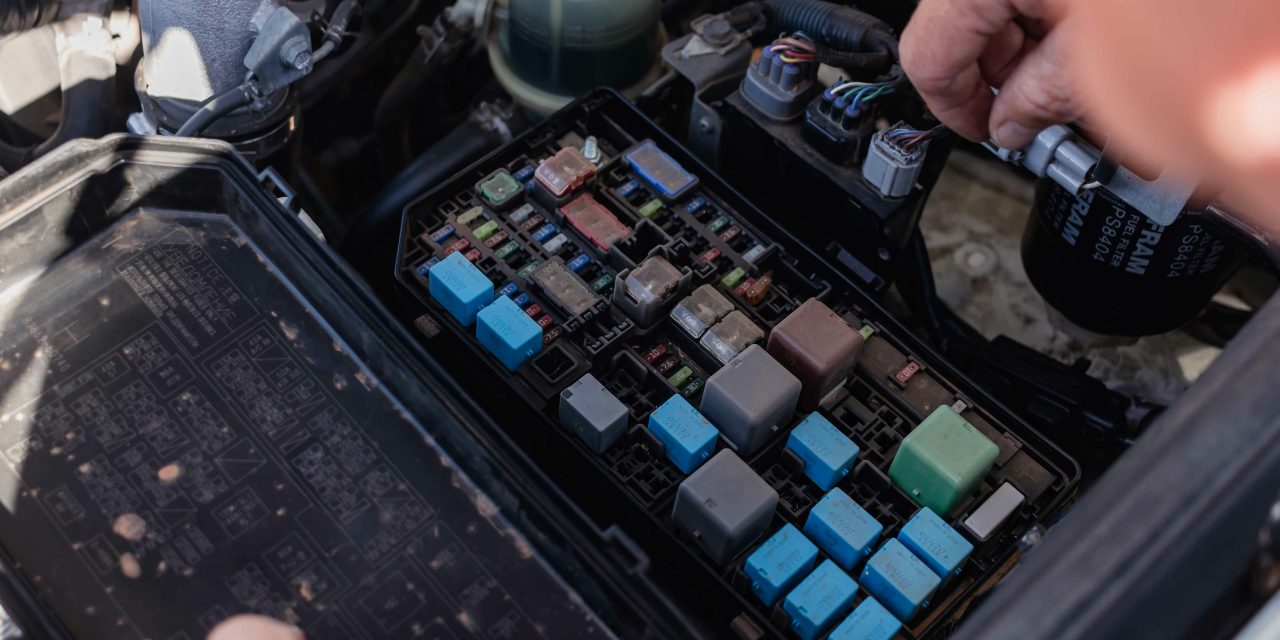
A car relay is an essential component in automotive electrical systems, acting as a switch that controls the flow of electricity to various devices within the vehicle. Relays are typically used to manage high-current circuits, allowing low-current signals from switches or sensors to control larger loads without the risk of overheating or damaging the switch itself. This functionality is crucial for components such as headlights, fuel pumps, and ignition systems, where reliable operation is paramount for vehicle performance and safety.
The operation of a relay is based on electromagnetic principles. When a small voltage is applied to the relay coil, it generates a magnetic field that attracts a movable armature, closing the circuit and allowing current to flow through the connected load. This mechanism not only enhances the efficiency of electrical systems but also provides a safeguard against potential damage caused by excessive current draw. Understanding how relays function is vital for diagnosing electrical issues and ensuring the longevity of automotive systems.
A car relay can go bad for several reasons, including electrical overload, corrosion, and age-related wear. Understanding these factors is crucial for maintaining your vehicle’s electrical system. For more insights on related topics, you can check out this article on easy overnight oats, which, while not directly related, emphasizes the importance of proper maintenance and care in all aspects of life: Easy Overnight Oats with Chia Seeds and Berries.
Signs That Indicate a Faulty Car Relay
Identifying a malfunctioning relay can be challenging, as symptoms may vary depending on the specific application and circuit involved. However, several common indicators can signal that a relay is failing. One of the most noticeable signs is intermittent or complete failure of electrical components. For instance, if headlights flicker or fail to illuminate, or if the fuel pump does not activate consistently, it may point to a relay issue.
Another telltale sign is unusual noises emanating from the relay area, such as clicking sounds when attempting to start the vehicle or engage electrical systems. Additionally, visual inspection may reveal burnt or melted terminals, which indicate overheating and potential failure. Recognizing these symptoms early can prevent further damage to electrical components and ensure timely repairs.
Electrical Overload: When Current Exceeds Limits

Electrical overload occurs when the current flowing through a circuit exceeds its designed capacity, leading to overheating and potential failure of components. In the context of car relays, this situation can arise from various factors, including short circuits, faulty wiring, or malfunctioning devices drawing excessive power. When a relay experiences overload conditions, it may fail to operate correctly or become permanently damaged.
To mitigate the risk of electrical overload, it is essential to ensure that all components within the circuit are rated for the appropriate voltage and current levels. Regular inspections of wiring harnesses and connections can help identify potential issues before they escalate into more significant problems. Implementing protective devices such as fuses can also safeguard against overload situations by interrupting the circuit when excessive current is detected.
Corrosion and Moisture Damage Inside the Relay

Corrosion and moisture intrusion are significant threats to the integrity of car relays. These elements can compromise electrical connections and lead to malfunctioning components. Moisture can enter relays through exposed terminals or damaged casings, creating an environment conducive to corrosion. Once corrosion sets in, it can impede electrical flow, resulting in erratic behavior or complete failure of the relay.
To combat corrosion, it is advisable to regularly inspect relays for signs of moisture ingress and corrosion buildup. Utilizing dielectric grease on terminals can provide a protective barrier against moisture and enhance connectivity. Additionally, ensuring that relays are mounted securely and away from areas prone to water exposure can significantly reduce the risk of moisture-related damage.
Understanding what causes a car relay to go bad can help you prevent potential issues with your vehicle’s electrical system. Factors such as excessive heat, corrosion, and frequent cycling can lead to relay failure over time. For a deeper dive into related automotive topics, you might find this article on car maintenance particularly insightful, as it covers various aspects of keeping your vehicle in optimal condition.
Mechanical Wear and Tear Over Time
Like any mechanical component, car relays are subject to wear and tear over time due to repeated cycling and exposure to environmental factors. The internal mechanisms of a relay can degrade with prolonged use, leading to decreased performance or failure. Factors such as vibration from the engine or road conditions can exacerbate this wear, causing contacts within the relay to become pitted or misaligned.
To extend the lifespan of relays, it is crucial to monitor their operational history and replace them at regular intervals as part of routine maintenance. Keeping an eye on vehicle mileage and usage patterns can help determine when relays may need replacement. Additionally, using high-quality relays designed for specific applications can minimize wear and enhance reliability.
Poor Quality or Defective Relay Components
The quality of relay components plays a significant role in their overall performance and longevity. Poorly manufactured relays may contain substandard materials that are more susceptible to failure under stress. Defective components can lead to erratic behavior, including intermittent operation or complete failure to engage.
When selecting replacement relays, it is essential to choose products from reputable manufacturers that adhere to industry standards. Investing in high-quality components can prevent premature failures and ensure reliable operation over time. Additionally, verifying compatibility with specific vehicle models can further enhance performance and reduce the likelihood of issues arising from poor-quality parts.
Faulty Wiring and Loose Connections
Wiring issues are among the most common causes of relay failures in automotive systems. Faulty wiring can result from fraying insulation, pinched wires, or improper installation practices. Loose connections can create resistance in the circuit, leading to voltage drops that affect relay operation. These issues can manifest as intermittent failures or complete inoperability of connected devices.
To address wiring concerns, it is vital to conduct thorough inspections of all associated wiring harnesses and connectors. Ensuring that connections are secure and free from corrosion will enhance reliability. In cases where wiring damage is identified, prompt repairs or replacements should be made to restore proper functionality.
Exposure to Extreme Temperatures
Automotive environments can expose relays to extreme temperatures that may adversely affect their performance. High temperatures can cause internal components to expand and contract, leading to mechanical stress and potential failure. Conversely, extremely low temperatures can result in sluggish operation or freezing of internal mechanisms.
To mitigate temperature-related issues, it is advisable to install relays in locations that minimize exposure to extreme heat sources such as engines or exhaust systems. Additionally, using relays rated for high-temperature applications can provide added protection against thermal stress. Regular monitoring of operating conditions can help identify potential temperature-related problems before they escalate.
Impact of Vibration and Physical Shock
Vibration and physical shock are inherent aspects of automotive operation that can significantly impact relay performance. Continuous exposure to vibrations from the engine or road surfaces can lead to mechanical fatigue within relay components over time. This fatigue may result in contact failure or misalignment, ultimately causing relay malfunction.
To minimize the effects of vibration on relays, proper mounting techniques should be employed during installation. Utilizing vibration-dampening materials or brackets can help absorb shocks and reduce stress on relay components. Regular inspections for signs of wear due to vibration should also be conducted as part of routine maintenance.
Inadequate Maintenance and Neglect
Neglecting routine maintenance can lead to premature relay failures and other electrical issues within a vehicle. Regular inspections of electrical systems are essential for identifying potential problems before they escalate into more significant concerns. Failing to address minor issues such as corroded terminals or loose connections can result in costly repairs down the line.
Establishing a comprehensive maintenance schedule that includes checks on relays and associated wiring will help ensure optimal performance. Keeping records of inspections and replacements will also aid in tracking component lifespan and identifying trends that may indicate underlying issues.
How to Prevent Relay Failures and Extend Lifespan
Preventing relay failures requires a proactive approach that encompasses regular inspections, quality component selection, and proper installation practices. Implementing routine maintenance checks will allow for early detection of potential issues such as corrosion or loose connections. Additionally, investing in high-quality relays designed for specific applications will enhance reliability and reduce the likelihood of premature failures.
Educating vehicle owners about the importance of maintaining electrical systems will foster a culture of proactive care that extends beyond just relays. Encouraging practices such as cleaning terminals with appropriate solutions and applying dielectric grease will further protect against moisture intrusion and corrosion.
In conclusion, understanding car relays’ functions and recognizing signs of failure are crucial for maintaining automotive electrical systems’ reliability and safety. By addressing factors such as electrical overloads, corrosion, mechanical wear, poor quality components, faulty wiring, temperature extremes, vibration impacts, and inadequate maintenance practices, vehicle owners can significantly extend relay lifespan while ensuring optimal performance throughout their vehicles’ operational life.
### FAQ Section
1. **What is a car relay?**
A car relay is an electromagnetic switch used in automotive electrical systems to control high-current devices with low-current signals.
2. **How do I know if my car relay is faulty?**
Signs include intermittent operation of electrical components, unusual noises from the relay area, or visible damage such as burnt terminals.
3. **What causes electrical overload in a relay?**
Electrical overload occurs when excessive current flows through a circuit due to short circuits or malfunctioning devices drawing more power than intended.
4. **How does moisture affect car relays?**
Moisture intrusion can lead to corrosion inside relays, impairing electrical connections and potentially causing malfunction.
5. **Can I replace a faulty relay myself?**
Yes, replacing a faulty relay is often straightforward; however, ensure you follow proper safety protocols and consult your vehicle’s manual for specific instructions.
6. **What maintenance should I perform on my car’s electrical system?**
Regularly inspect wiring harnesses for damage, clean terminals with appropriate solutions, apply dielectric grease for protection against moisture, and replace worn-out components as needed.
7. **How do extreme temperatures affect relays?**
High temperatures can cause expansion and mechanical stress within relays while low temperatures may lead to sluggish operation or freezing mechanisms.
8. **What should I look for when purchasing replacement relays?**
Choose high-quality relays from reputable manufacturers that match your vehicle’s specifications for optimal performance.
9. **How often should I check my car’s relays?**
It is advisable to inspect relays during routine maintenance intervals or whenever you experience electrical issues with your vehicle.
10. **What are some preventive measures for extending relay lifespan?**
Implement regular inspections, use high-quality components, ensure proper installation practices, and educate yourself about maintaining your vehicle’s electrical system effectively.
In summary, understanding car relays’ functions is essential for diagnosing issues effectively while implementing preventive measures ensures longevity and reliability in automotive electrical systems.
FAQs
What is a car relay and what does it do?
A car relay is an electromechanical switch that uses a small amount of current to control a larger current. It acts as a bridge between the vehicle’s electrical system and various components, such as lights, fuel pumps, and starter motors, allowing them to operate efficiently without overloading the circuit.
What are common causes of a car relay going bad?
Common causes of a car relay going bad include overheating due to excessive current draw, corrosion on the terminals, physical damage from vibrations or impacts, age-related wear and tear, and exposure to moisture or contaminants that can affect its functionality.
How can I tell if a car relay is faulty?
Signs of a faulty car relay include intermittent or complete failure of the component it controls, unusual clicking sounds from the relay, overheating of the relay itself, or a blown fuse in the circuit. Testing the relay with a multimeter can also help determine if it is functioning properly.
Can a bad relay cause other electrical issues in my car?
Yes, a bad relay can lead to other electrical issues in your car. If a relay fails, it may cause components to receive insufficient power or no power at all, leading to malfunctions in systems such as lighting, ignition, or fuel delivery, which can affect overall vehicle performance.
How can I prevent my car relay from going bad?
To prevent a car relay from going bad, ensure that the electrical system is properly maintained, avoid overloading circuits, regularly inspect and clean relay terminals to prevent corrosion, and replace old or worn relays as part of routine vehicle maintenance. Keeping the vehicle dry and free from contaminants can also help extend the life of relays.