Brake fade is a critical phenomenon that occurs when the braking system loses its effectiveness due to overheating. This condition can significantly impair a vehicle’s stopping power, leading to potentially dangerous situations. The primary cause of brake fade is the excessive heat generated during prolonged braking, which can occur during steep descents or aggressive driving. As the brake pads and rotors heat up, their ability to create friction diminishes, resulting in a longer stopping distance and a spongy brake pedal feel.
There are several factors contributing to brake fade, including the type of brake material used, the weight of the vehicle, and the driving conditions. For instance, vehicles equipped with organic brake pads may experience fade more quickly than those with metallic or ceramic pads. Additionally, heavy loads can exacerbate the situation, as they require more braking force, leading to increased heat generation. Understanding these dynamics is essential for drivers to mitigate risks associated with brake fade.
If you’re looking to enhance your driving safety on steep downhill roads, it’s essential to understand how to prevent brake fade. A related article that provides valuable insights on this topic can be found here: How to Stop Brake Fade on Steep Downhill Roads. This resource offers practical tips and techniques to maintain your braking efficiency, ensuring a safer driving experience in challenging terrains.
Pre-Trip Brake Inspection: Ensuring Your System Is Ready
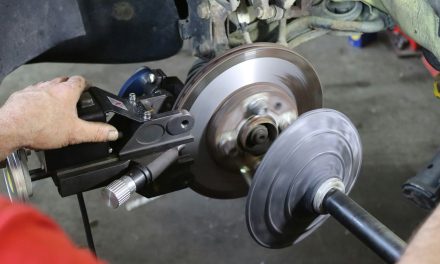
Before embarking on any journey, conducting a thorough pre-trip brake inspection is paramount. This process involves checking various components of the braking system to ensure they are functioning optimally. Start by examining the brake pads for wear; if they appear thin or unevenly worn, they should be replaced immediately. Inspect the rotors for any signs of warping or scoring, as these issues can compromise braking efficiency.
Additionally, it is crucial to assess the brake fluid level and quality. Brake fluid should be clear and free from contaminants; cloudy or dark fluid indicates degradation and may require a complete flush. Furthermore, check for any leaks in the brake lines or around the calipers, as these can lead to a loss of hydraulic pressure and ultimately result in brake failure. A comprehensive pre-trip inspection can prevent brake-related incidents and enhance overall vehicle safety.
Using Engine Braking to Reduce Brake Load

Engine braking is an effective technique that can significantly reduce the load on your braking system, particularly during downhill driving. This method involves downshifting to a lower gear, allowing the engine’s compression to slow the vehicle down without relying solely on the brakes. By engaging engine braking, drivers can maintain better control over their speed while minimizing heat buildup in the brake components.
To utilize engine braking effectively, it is essential to understand your vehicle’s transmission system. In automatic vehicles, shifting into a lower gear can be accomplished by selecting the appropriate mode on the gear selector. In manual transmissions, downshifting requires coordination between the clutch and accelerator pedals. Mastering this technique not only prolongs brake life but also enhances overall driving safety by providing additional stopping power when needed.
Maintaining a Safe and Controlled Speed

Maintaining a safe and controlled speed is crucial for preventing brake fade and ensuring overall driving safety. Speed management allows drivers to react appropriately to changing road conditions and reduces the need for sudden braking maneuvers. Adhering to posted speed limits and adjusting speed according to terrain and weather conditions can significantly decrease the likelihood of overheating brakes.
Moreover, employing techniques such as gradual acceleration and deceleration can help maintain a steady speed. This approach minimizes abrupt stops and starts, reducing strain on the braking system. By cultivating awareness of speed and its impact on braking performance, drivers can enhance their control over the vehicle and mitigate risks associated with brake fade.
When driving on steep downhill roads, one common issue that drivers face is brake fade, which can significantly compromise safety. To effectively manage this problem, it’s important to understand the techniques that can help maintain brake performance. For more insights on this topic, you can check out this informative article on how to stop brake fade and ensure a safer driving experience. By implementing the right strategies, you can enhance your braking efficiency and navigate challenging terrains with confidence.
Applying Brakes Intermittently Instead of Constantly
One effective strategy for preventing brake fade is to apply brakes intermittently rather than continuously. Continuous braking generates excessive heat, leading to rapid wear and potential fade. Instead, drivers should aim to use short bursts of braking followed by periods of coasting or engine braking. This technique allows time for the brakes to cool down between applications, preserving their effectiveness.
When approaching a stop or navigating downhill terrain, consider using a combination of engine braking and intermittent brake application. This method not only reduces heat buildup but also enhances vehicle control. By adopting this practice, drivers can extend the lifespan of their braking components while ensuring optimal performance throughout their journey.
If you’re looking for effective strategies to prevent brake fade on steep downhill roads, it’s essential to understand the mechanics behind your vehicle’s braking system. One helpful resource that provides insights into maintaining your vehicle’s performance is an article on kitten care, which, while seemingly unrelated, emphasizes the importance of proper maintenance and attention to detail. You can read more about it here. By applying similar principles of care and vigilance, you can ensure your brakes function optimally, especially in challenging driving conditions.
Downshifting Properly on Steep Descents
Downshifting properly on steep descents is essential for maintaining control and preventing brake fade. When descending steep grades, relying solely on brakes can lead to overheating and diminished stopping power. Instead, downshifting allows the engine’s compression to assist in slowing the vehicle down.
To execute this technique effectively, anticipate the descent ahead of time and shift into a lower gear before reaching the incline. This proactive approach enables you to utilize engine braking effectively throughout the descent. Additionally, maintaining a steady speed while downshifting helps prevent sudden shifts in momentum that could lead to loss of control.
Avoiding Overheating by Taking Breaks on Long Downhills
Long downhill stretches can pose significant challenges for drivers, particularly regarding brake performance. To avoid overheating during extended descents, it is advisable to take periodic breaks. These breaks allow both the driver and vehicle to recuperate while giving the brakes time to cool down.
When planning a route that includes long downhill sections, identify safe locations where you can pull over if necessary. Use these breaks strategically to assess your vehicle’s performance and ensure that your brakes are functioning optimally before continuing your journey. By incorporating regular breaks into your driving routine, you can significantly reduce the risk of brake fade and enhance overall safety.
Checking Brake Fluid and Cooling Systems Regularly
Regular maintenance of brake fluid and cooling systems is vital for optimal braking performance. Brake fluid plays a crucial role in transmitting hydraulic pressure within the braking system; therefore, it must be maintained at appropriate levels and quality. Periodically check for leaks or discoloration in the fluid; if any issues arise, consider flushing and replacing it with fresh fluid.
In addition to brake fluid maintenance, monitoring cooling systems is equally important. Overheating can occur not only in brakes but also in other components such as the engine and transmission during prolonged use. Ensure that coolant levels are adequate and that there are no blockages in cooling passages. By prioritizing these maintenance tasks, drivers can enhance their vehicle’s reliability and performance.
Upgrading Brake Components for Better Performance
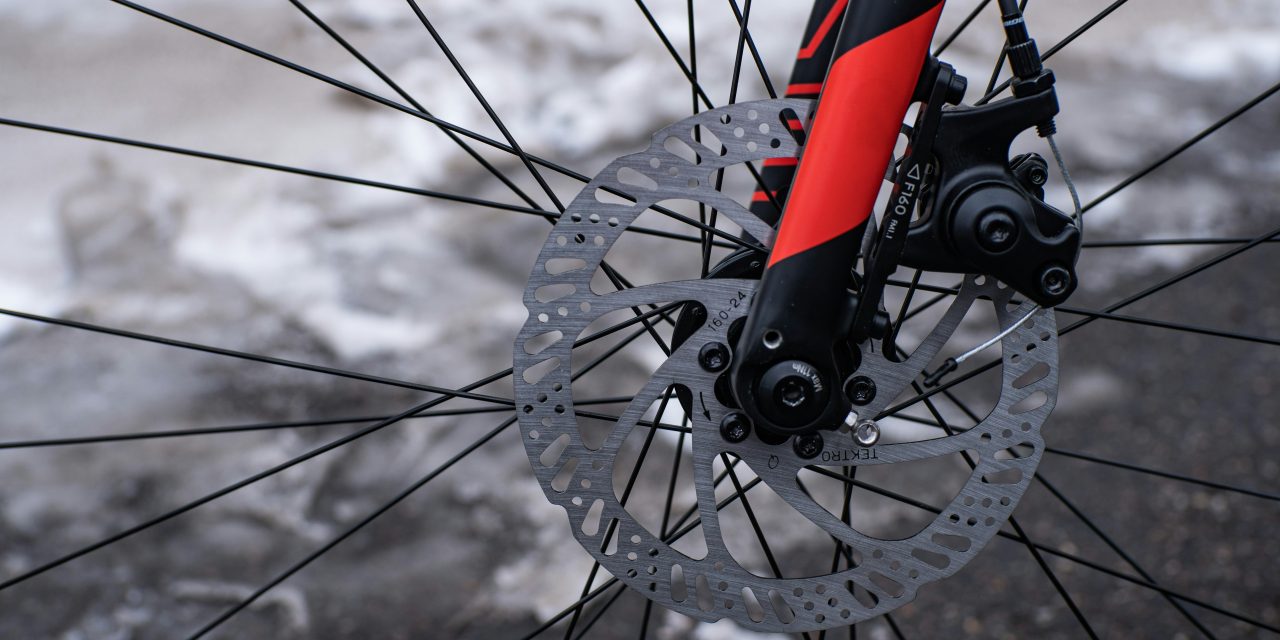
For those seeking enhanced braking performance, upgrading specific components may be beneficial. High-performance brake pads made from advanced materials such as carbon-ceramic or semi-metallic compounds offer improved heat resistance and friction characteristics compared to standard pads. Additionally, upgrading rotors to slotted or drilled designs can enhance cooling efficiency by allowing heat dissipation during heavy use.
Investing in quality brake lines made from stainless steel can also improve responsiveness by reducing flex under pressure. Furthermore, consider upgrading your vehicle’s master cylinder for increased hydraulic pressure delivery to the brakes. These enhancements not only improve overall performance but also contribute to safer driving experiences by reducing the likelihood of brake fade.
Recognizing Early Signs of Brake Fade While Driving
Being able to recognize early signs of brake fade while driving is crucial for maintaining safety on the road. Common indicators include a spongy or soft brake pedal feel, longer stopping distances than usual, or unusual noises such as grinding or squeaking when applying brakes. If you notice any of these symptoms, it is essential to take immediate action.
When experiencing signs of potential brake fade, reduce your speed gradually and avoid sudden stops if possible. Pull over safely to assess your braking system’s condition before continuing your journey. Ignoring these warning signs can lead to catastrophic consequences; therefore, staying vigilant is key to ensuring your safety and that of others on the road.
Emergency Procedures if Brake Fade Occurs on the Road
In the unfortunate event that you experience brake fade while driving, knowing how to respond effectively is critical for ensuring safety. First and foremost, remain calm; panicking can exacerbate an already dangerous situation. Gradually ease off the accelerator pedal while downshifting if possible; this will help slow down your vehicle without relying solely on brakes.
If you find yourself unable to stop safely using conventional methods, look for an escape route such as an emergency runoff area or an uphill incline where you can safely bring your vehicle to a halt. Activate hazard lights to alert other drivers of your situation while signaling your intentions clearly as you maneuver your vehicle towards safety.
In conclusion, understanding brake fade is essential for every driver who wishes to maintain optimal vehicle performance and safety on the road. By conducting thorough pre-trip inspections, utilizing engine braking techniques, maintaining controlled speeds, applying brakes intermittently, downshifting properly on steep descents, taking breaks during long downhill stretches, regularly checking fluid levels and cooling systems, upgrading components when necessary, recognizing early signs of fade, and knowing emergency procedures if fade occurs—drivers can significantly reduce risks associated with this phenomenon while enhancing their overall driving experience.
By implementing these strategies into your driving habits, you not only prolong the lifespan of your braking system but also ensure safer journeys for yourself and others on the road.
FAQs
What is brake fade?
Brake fade is a reduction in braking performance that occurs when the brakes overheat, typically due to prolonged or excessive use. This can lead to a decrease in the friction between the brake pads and rotors, resulting in longer stopping distances and diminished control of the vehicle.
What causes brake fade on steep downhill roads?
Brake fade on steep downhill roads is primarily caused by the continuous application of brakes to control speed. The heat generated from the friction of the brake pads against the rotors can exceed the heat dissipation capacity, leading to overheating and reduced braking efficiency.
How can I prevent brake fade while driving downhill?
To prevent brake fade while driving downhill, you can use engine braking by downshifting to a lower gear, which helps slow the vehicle without relying solely on the brakes. Additionally, periodically releasing the brakes to allow them to cool can also help maintain their effectiveness.
What type of brakes are less prone to fade?
Disc brakes are generally less prone to fade compared to drum brakes, especially when equipped with high-performance brake pads and rotors designed for heat dissipation. Upgrading to ventilated or slotted rotors can also improve braking performance under heavy use.
Is it safe to drive downhill with a trailer?
Driving downhill with a trailer requires extra caution, as the added weight can increase the risk of brake fade. It is advisable to use a lower gear for engine braking, ensure the trailer brakes are functioning properly, and maintain a safe distance from other vehicles to allow for longer stopping distances.