Experiencing vibrations or shaking while braking can be a disconcerting sensation for any driver. This phenomenon often indicates underlying issues within the braking system or associated components. Understanding the causes of brake-related car shaking is crucial for maintaining vehicle safety and performance. When brakes are engaged, the vehicle should come to a smooth halt without any noticeable vibrations. However, when this is not the case, it can lead to compromised safety and increased wear on various parts of the vehicle.
The shaking can manifest in different ways, such as a pulsating brake pedal, vibrations felt through the steering wheel, or even a shuddering sensation throughout the entire vehicle. Identifying the root cause of these symptoms is essential for effective resolution. This article will delve into the most common causes of brake-related shaking, explore potential solutions, and provide preventative maintenance tips to ensure a smooth and safe driving experience.
If you’ve ever experienced your car shaking when you brake, it can be a concerning issue that may indicate problems with your vehicle’s braking system or suspension. Understanding the potential causes, such as warped brake rotors or worn-out brake pads, is crucial for maintaining safety on the road. For more insights on managing issues in your life, you might find it helpful to read this article on decluttering: 10 Simple Decluttering Rules for Small Homes to Maximize Space.
Worn Brake Pads: The Most Common Cause
Worn brake pads are frequently the primary culprit behind brake-related vibrations. Brake pads are designed to create friction against the brake rotors, allowing for effective deceleration. Over time, these pads can wear down due to constant use, leading to uneven surfaces that may cause vibrations during braking. The material composition of brake pads can also influence their longevity; organic pads tend to wear out faster than semi-metallic or ceramic options.
When brake pads become excessively worn, they may not only produce vibrations but also generate noise, such as squeaking or grinding sounds. This deterioration can lead to further damage to the rotors if not addressed promptly. Regular inspections and timely replacement of brake pads are essential to prevent complications and ensure optimal braking performance.
Warped Brake Rotors: How Heat Affects Your Braking

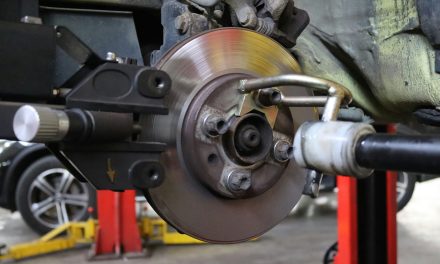
Warped brake rotors are another significant factor contributing to car shaking during braking. Brake rotors are subjected to immense heat generated by friction during braking. Over time, this heat can cause the rotors to warp, resulting in an uneven surface that disrupts the smooth contact between the brake pads and rotors. Warping can occur due to excessive heat buildup from aggressive driving habits, such as hard braking or prolonged braking on steep descents.
The symptoms of warped rotors typically include a pulsating sensation in the brake pedal and vibrations felt through the steering wheel. If left unaddressed, warped rotors can lead to further damage to both the rotors and brake pads, necessitating more extensive repairs. To mitigate this issue, it is advisable to have rotors resurfaced or replaced when they show signs of warping.
Loose or Damaged Wheel Bearings

Loose or damaged wheel bearings can also contribute to vibrations felt during braking. Wheel bearings are critical components that allow for smooth rotation of the wheels while supporting the vehicle’s weight. When these bearings become worn or loose, they can create instability in the wheel assembly, leading to vibrations that may be mistaken for brake-related issues.
Symptoms of faulty wheel bearings include a grinding noise while driving, uneven tire wear, and vibrations that may intensify during braking. Addressing wheel bearing issues promptly is vital, as neglecting them can lead to more severe problems, including complete wheel failure. Regular inspections and timely replacements of wheel bearings can help maintain vehicle stability and safety.
If you’ve ever wondered why your car shakes when you brake, it could be due to several factors such as warped brake rotors or worn-out brake pads. Understanding these issues is crucial for maintaining your vehicle’s safety and performance. For more insights on keeping your car in top shape, you might find this article on pet grooming safety tips interesting, as it highlights the importance of regular maintenance, not just for pets but for all aspects of care, including your vehicle.
Issues with Suspension Components
The suspension system plays a crucial role in maintaining vehicle stability and comfort while driving. Components such as struts, shocks, and control arms work together to absorb road imperfections and keep the tires in contact with the road surface. If any of these components become worn or damaged, they can lead to vibrations during braking.
For instance, worn struts may fail to dampen road shocks effectively, resulting in excessive movement of the vehicle’s body during braking. Similarly, damaged control arms can cause misalignment of the wheels, leading to uneven tire wear and vibrations. Regular maintenance of suspension components is essential for ensuring a smooth ride and preventing brake-related issues.
If you’ve ever wondered why your car shakes when you brake, it could be due to several factors such as warped brake rotors or uneven tire wear. Understanding these issues is crucial for maintaining your vehicle’s safety and performance. For a deeper insight into related automotive concerns, you might find this article on car maintenance tips particularly helpful. Regular checks can prevent minor problems from escalating into major repairs, ensuring a smoother and safer driving experience.
Tire Problems Leading to Vibrations
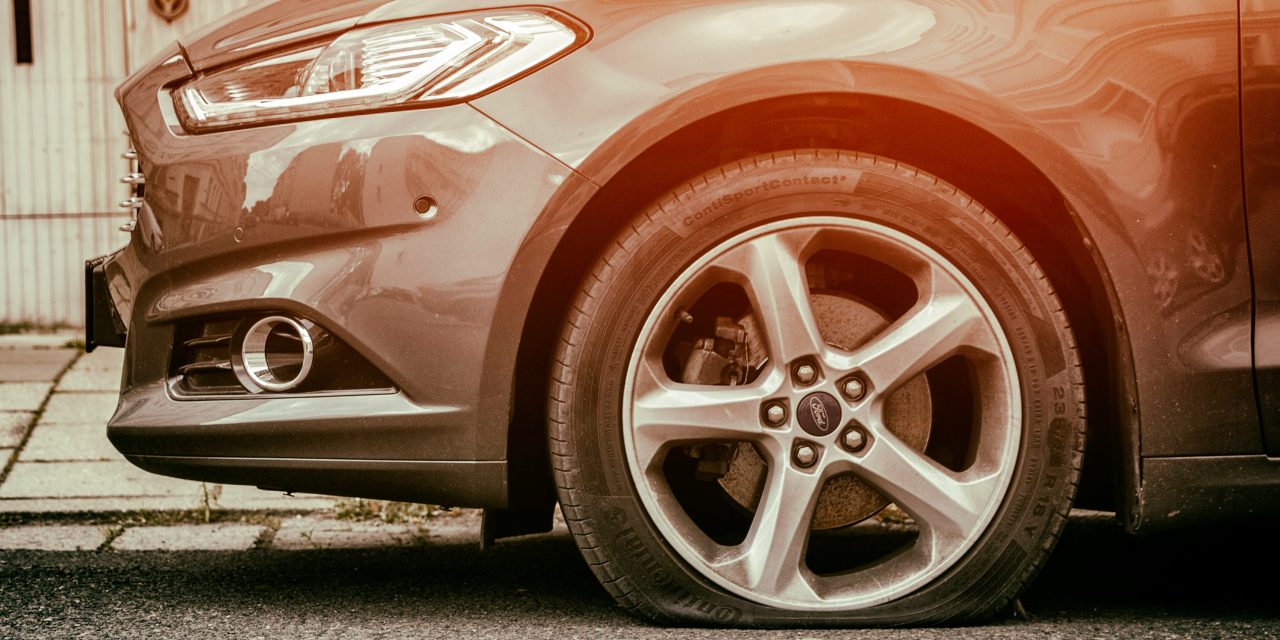
Tire-related issues are another common source of vibrations experienced during braking. Tires that are improperly inflated, unbalanced, or worn unevenly can create instability while driving and lead to noticeable shaking when brakes are applied. For example, under-inflated tires may flex excessively during braking, causing vibrations that can be felt throughout the vehicle.
Additionally, tires with uneven tread wear can lead to imbalances that exacerbate vibrations during braking. Regular tire rotations and alignments are essential for promoting even wear and maintaining proper tire pressure. Drivers should also inspect their tires regularly for signs of damage or wear and replace them as needed to ensure optimal performance.
Brake Caliper Malfunctions and Their Effects
Brake calipers play a vital role in the braking process by clamping down on the brake pads against the rotors when brakes are applied. Malfunctions in the caliper system can lead to uneven pressure distribution on the brake pads, resulting in vibrations during braking. Common issues include sticking calipers that fail to release properly or calipers that become misaligned.
Symptoms of caliper malfunctions may include uneven brake pad wear, pulling to one side while braking, or a noticeable vibration in the steering wheel or brake pedal. Addressing caliper issues promptly is crucial for maintaining effective braking performance and preventing further damage to other components within the braking system.
Uneven Brake Pad Wear and Its Impact
Uneven brake pad wear can significantly impact vehicle performance and contribute to vibrations during braking. Factors such as improper installation, misalignment of components, or caliper malfunctions can lead to uneven wear patterns on brake pads. When one pad wears down faster than the other, it can create an imbalance that results in vibrations when brakes are applied.
To prevent uneven wear, it is essential to have brakes inspected regularly and ensure that all components are functioning correctly. Replacing worn pads in pairs is also advisable to maintain balanced braking performance across all wheels.
Diagnosing the Source of the Shake: When to See a Mechanic
Diagnosing the source of brake-related shaking requires careful observation and sometimes professional assistance. If vibrations persist despite replacing worn brake pads or rotors, it may be time to consult a qualified mechanic. Mechanics have access to specialized tools and diagnostic equipment that can identify underlying issues within the braking system or associated components.
Drivers should pay attention to accompanying symptoms such as unusual noises, pulling sensations while braking, or changes in pedal feel. If any of these symptoms occur alongside vibrations, seeking professional help is advisable to ensure safety and prevent further damage.
DIY Fixes for Minor Brake Shaking Issues
For minor brake shaking issues, there are several DIY fixes that drivers can attempt before seeking professional help. First and foremost, checking tire pressure is essential; ensuring that all tires are inflated to manufacturer specifications can alleviate some vibration issues caused by improper inflation.
Additionally, inspecting brake pads for wear and replacing them if necessary can help restore smooth braking performance. Cleaning brake components such as calipers and rotors may also improve performance by removing debris that could cause uneven contact between surfaces.
However, it is crucial to note that more complex issues such as warped rotors or suspension problems may require professional intervention for proper resolution.
Preventative Maintenance Tips to Keep Your Brakes Smooth
Preventative maintenance is key to ensuring smooth braking performance and minimizing the risk of vibrations while driving. Regular inspections of brake components should be conducted every 6 months or as recommended by your vehicle manufacturer. This includes checking brake pads for wear, inspecting rotors for warping, and assessing calipers for proper function.
Additionally, maintaining proper tire pressure and rotating tires regularly will promote even wear and enhance overall vehicle stability. Keeping suspension components well-maintained will also contribute significantly to a smoother ride.
Incorporating these preventative measures into your vehicle maintenance routine will not only enhance safety but also prolong the lifespan of your braking system.
In summary, understanding the various causes of brake-related car shaking is essential for maintaining vehicle safety and performance. From worn brake pads and warped rotors to loose wheel bearings and suspension issues, identifying these problems early on can prevent further complications. Regular inspections and preventative maintenance play a crucial role in ensuring smooth braking performance while enhancing overall driving experience.
FAQs
What causes my car to shake when I brake?
Car shaking during braking is often caused by warped brake rotors, uneven brake pads, or issues with the suspension system. Warped rotors can create an uneven surface that causes vibrations when the brakes are applied. Additionally, worn or uneven brake pads can lead to similar shaking sensations.
Can tire issues contribute to shaking when braking?
Yes, tire issues can significantly contribute to shaking when braking. Unbalanced tires, uneven tire wear, or improperly inflated tires can cause vibrations that are felt throughout the vehicle, especially when braking. Regular tire maintenance is essential to prevent these issues.
Is it safe to drive a car that shakes when braking?
Driving a car that shakes when braking is not safe. It can indicate serious issues with the braking system or suspension, which could lead to reduced braking efficiency and increased risk of accidents. It is advisable to have the vehicle inspected by a professional mechanic as soon as possible.
How can I diagnose the cause of the shaking?
To diagnose the cause of shaking when braking, you can start by visually inspecting the brake rotors and pads for wear or damage. Additionally, check the tires for balance and wear patterns. If you are unsure, it is best to take the car to a qualified mechanic who can perform a thorough inspection and identify the issue.
What maintenance can prevent shaking when braking?
Regular maintenance can help prevent shaking when braking. This includes routine brake inspections, replacing worn brake pads and rotors, ensuring tires are balanced and properly inflated, and checking the suspension system. Keeping up with these maintenance tasks can enhance vehicle safety and performance.