Your brakes are the one system on a car that you lean on every single trip, often dozens of times, and almost never think about until something feels off. They rarely fail without warning. Far more often they talk to you first, with a squeal at a stoplight, a pedal that feels a little different than it did last month, or a faint shudder on the way down a long hill. The trick is learning to hear that conversation early, while the fix is still a routine job and not a tow.
This guide walks through the sounds, feelings, smells, and dashboard lights that signal brake trouble, what each one usually points to, and what you can safely look at in your own driveway. It also draws a firm line around the things that should never be put off. Brakes are a safety system, so the advice here leans conservative: when in doubt, have a certified mechanic look at it, and always follow your owner’s manual for the specifics of your vehicle.
Key takeaways
- Most brake problems announce themselves through sound, pedal feel, vibration, pulling, smell, or a dashboard light. Any one of these deserves attention.
- A high-pitched squeal is often the built-in wear indicator on the pads. A deep metallic grinding noise usually means the pads are gone and metal is touching metal.
- A soft, spongy, or sinking pedal can point to air or moisture in the fluid, a leak, or a failing component. Treat it as urgent.
- A red brake warning light is never something to drive around. Pull over safely and find out why.
- Pulling to one side, a burning smell after normal driving, or a pulsing pedal each have specific likely causes that a mechanic can pin down quickly.
- A quick monthly look at fluid level, pad thickness through the wheel spokes, and tire wear costs nothing and catches problems early.
- Never work under a car supported only by a jack. Use properly rated jack stands on level ground.
Why Brakes Give You Warnings Instead of Failing Suddenly
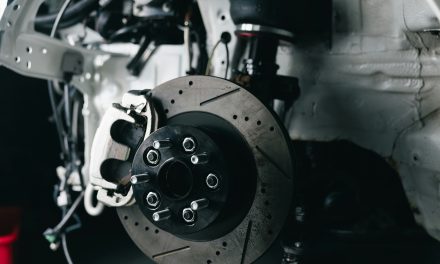
Disc brakes work by squeezing friction material, the pads, against a spinning metal disc, the rotor, that turns with the wheel. That friction turns your car’s motion into heat. Pads are designed to wear away slowly, which means the system degrades gradually in most cases. Rubber hoses age, fluid absorbs moisture, and calipers can stick over the years, but each of these usually shows itself in how the car behaves well before anything lets go completely.
That gradual decline is both a blessing and a trap. Because the change happens a little at a time, your own sense of normal shifts with it. A pedal that needs a bit more travel every month feels fine until a friend borrows your car and asks what is wrong with it. One good habit is to pay attention to how the brakes feel on a quiet, empty street every so often, so you have a baseline to compare against.
Sounds That Mean Something
High-pitched squealing or squeaking
Many pads have a small metal tab, called a wear indicator, that is positioned to touch the rotor once the friction material gets thin. The result is a thin, steady squeal while the car is rolling that often goes away or changes when you press the pedal. It is basically a built-in alarm telling you that the pads are getting near the end of their life.
Not every squeak means worn pads, though. A light squeal on the first few stops of a damp morning is common and usually fades as the surface rust on the rotors wipes off. Glazed pads, cheap or hard pad compounds, and missing anti-rattle hardware can all produce noise too. The rule of thumb: a squeal that is brand new, consistent, and sticks around after the first few stops deserves an inspection within a week or two, not a shrug.
Grinding, growling, or scraping
A harsh, rough metallic grinding is a different animal. It often means the pad material has worn all the way down to the steel backing plate, and that plate is now cutting into the rotor. This damages the rotor quickly, turning an inexpensive pad replacement into a bigger repair, and it reduces stopping power. A small stone or debris caught between the pad and rotor can cause a similar sound, but you cannot tell which it is by ear alone.
If you hear grinding, drive gently, leave extra following distance, and get the car inspected as soon as you reasonably can, ideally the same day. If the grinding is accompanied by a pedal that feels wrong or the car pulls hard, stop driving it and arrange a tow.
Clicking, clunking, or knocking
A single clunk when you first press the pedal or when you shift between drive and reverse can come from loose pads rattling in the caliper bracket, worn hardware, or a loose caliper. Repeated clicking in time with wheel rotation may come from something stuck to the rotor or a loose component. These noises are less dramatic than grinding but they should not be ignored, because loose parts tend to get looser.
Rubbing or chirping while not braking
A rhythmic chirp that speeds up and slows down with the car, even when your foot is off the pedal, can mean a pad is dragging lightly against the rotor, often because of a sticking caliper or slide pin. That constant friction wears pads unevenly and generates extra heat. It is worth a prompt look.
What You Feel Through the Pedal and Steering Wheel
A soft, spongy, or sinking pedal
If the pedal feels mushy, travels farther than usual, or slowly sinks toward the floor while you hold steady pressure at a light, something in the hydraulic system is wrong. Brake fluid cannot be compressed, but air and vapor can, and so a pedal that feels like it is pushing on a sponge often points to air in the lines, old fluid that has absorbed moisture, a leak, or a failing master cylinder. A sinking pedal in particular suggests fluid is bypassing a seal or escaping.
This is one of the signs not to wait on. Check the fluid reservoir level only when the engine is off and the car is level, and do not keep driving if the level is low or the pedal is sinking. Have the car towed to a shop. Topping off the reservoir might hide the symptom for a day, but low fluid in a sealed system means it went somewhere, and finding the leak is the real repair.
A hard pedal or one that needs a lot of effort
Most modern cars use a vacuum or electric booster to multiply your foot pressure. If the pedal suddenly feels stiff, as if you are stepping on a brick, and the car takes much longer to slow down, the booster may not be assisting. You can still stop the car, but it takes far more force and distance. Stop driving the vehicle and have it inspected.
A pulsing or shuddering pedal
A pulse you can feel through the pedal, sometimes with a shake in the steering wheel, when you slow from highway speed is a classic sign of a rotor that is no longer perfectly flat, sometimes described as warped, though uneven pad material deposits and variation in thickness are often the real cause. Heat, a stuck caliper, or overtightened or unevenly tightened lug nuts can all contribute. Steering wheel shake points toward the front brakes, while a shudder felt in the seat points toward the rear.
It will not usually leave you without brakes, but it lengthens your stopping distance a bit and wears other parts. Plan on an inspection soon.
One special case: if the pedal pulses and you feel a rapid vibrating or buzzing during a hard stop on a wet or slick road, that is typically the antilock braking system working as designed. It is not a fault.
The car pulls to one side
If the car drifts left or right when you brake, one side is gripping harder than the other. A stuck caliper, a collapsed brake hose that keeps pressure from releasing, contaminated pads, or uneven wear can all do this. Pulling that happens only while braking is a brake problem. Pulling that happens all the time, braking or not, may be tire pressure or alignment. A mechanic can sort out which it is in a few minutes on a lift.
The pedal sits low or goes nearly to the floor
Sometimes a pedal feels fine at first but then you have to pump it, or it sits much lower than before. Pumping the pedal to build pressure is a sign of air in the system or a master cylinder problem. Both need professional attention.
Smells and Sights
A sharp burning smell after braking
A hot, acrid, chemical smell after a long downhill stretch or heavy stop-and-go driving can come from overheated pads and rotors. Occasionally it happens in steep mountain driving and passes once things cool. But if you notice it during ordinary driving, one wheel may be hot because a caliper is stuck, which can quickly become dangerous. Carefully hold your hand near each wheel after the drive; do not touch the rotor or wheel itself, which can cause a serious burn. If one wheel is much hotter than the others or visibly smoking, pull over and call for help.
Visible wear on the pads
Through the openings in many wheels, you can see the caliper wrapped over the rotor, and a slice of pad between the two. As a rough guide, friction material about one quarter inch (6 mm) thick or less is getting close to replacement time, and about one eighth inch (3 mm) or less is the point where most mechanics recommend replacing it. Your owner’s manual or a shop can give you the exact minimum for your vehicle. Use a flashlight and look at both the inner and outer pads when you can, since the inner pad often wears faster.
Rotor surface condition
A healthy rotor looks smooth and evenly shiny. Deep grooves you can catch a fingernail in, a raised lip at the outer edge, blue or dark heat discoloration, or heavy rust across the face where the pad rides are all reasons to have it measured. Light surface rust on a car that has sat for a few days is normal and will wear off in the first few stops.
Fluid on the ground or around the wheel
Brake fluid is usually clear to light amber and slippery, and it can darken with age. A wet, oily wheel, a damp spot on the inside of a tire, or drips under the car near a wheel may mean a leaking caliper, wheel cylinder, or hose. Do not drive a car you suspect is leaking brake fluid. Brake fluid can also damage paint, so wipe any spill promptly.
Fluid color and level
The reservoir under the hood usually has MIN and MAX lines on the side. A slow, small drop in level can come from pads wearing down, because the caliper pistons extend farther and take up more fluid. A fast drop, or a level below MIN, suggests a leak. Dark, murky fluid means it is old and has absorbed moisture, which lowers its boiling point and can lead to a soft pedal under heavy use. Your owner’s manual gives the recommended replacement interval.
Dashboard Lights You Should Never Ignore
Different vehicles use slightly different symbols, so your manual is the final word. Here is how the common ones generally work.
| Light | What it generally means | What to do |
|---|---|---|
| Red brake light or exclamation mark in a circle | Parking brake still engaged, low fluid, or a hydraulic problem | Check that the parking brake is fully released. If the light stays on, pull over safely and do not continue driving until it is inspected. |
| Amber ABS light | The antilock system has detected a fault and may be switched off | Your regular brakes usually still work, but without antilock help. Drive cautiously and get it checked soon. |
| Amber traction or stability light staying on | A related sensor may be at fault, sometimes the same sensors the ABS uses | Have it scanned for codes. |
| Brake pad wear light (some models) | Electronic sensor says pads are near the end | Schedule pad replacement promptly. |
Please do not treat a red brake warning as a suggestion. If the light comes on while driving and the pedal feels normal, slow down early, leave extra distance, and find a safe place to stop. If the pedal also feels soft or low, treat it as a hydraulic failure: shift to a lower gear to use engine braking, apply the parking brake gradually, and steer to a safe spot. Then call for a tow.
A Simple Monthly Brake Check You Can Do at Home
You do not need tools or a lift for a first-pass check. Fifteen minutes once a month is plenty.
- Park on level ground with the engine off and the parking brake set. Let the car cool completely if you just drove it, because rotors and calipers get extremely hot.
- Look at the brake fluid reservoir under the hood. Find the MIN and MAX marks and note where the level sits. Wipe the cap before opening it, since dirt in the system is a problem, and do not leave it open longer than necessary. Brake fluid absorbs moisture from the air, so always keep it sealed.
- Shine a flashlight through the wheel spokes at each pad and rotor. Compare the left and right sides of the same axle. A big difference is worth reporting.
- Look at the inside of each tire and the ground beneath the car for any wetness or drips.
- Press the pedal with the engine running. It should feel firm and stop at about the same height each time. Hold steady pressure for about ten seconds, and it should not sink.
- Test the parking brake on a gentle slope with plenty of room. It should hold the car without needing extreme lever travel or pedal effort.
- On a safe, empty road, drive at about 20 mph (32 km/h) and brake firmly but not violently. The car should stop in a straight line with no noise, pull, or pulsing.
A word about safety if you do lift the car
If you decide to remove a wheel for a better look, never rely on the jack alone. Park on firm, level ground, chock the wheels that remain on the ground, lift using the jacking points shown in your manual, and set rated jack stands under the frame or the designated support points before you put any part of yourself under or near the car. Brake dust may contain harmful particles, so do not blow it off with compressed air or breathe it in. Use a damp rag or a dedicated brake cleaner as directed on the label, with good ventilation, and wash your hands afterward.
What Different Symptoms Usually Point To
| What you notice | Common cause | How soon to act |
|---|---|---|
| Thin squeal while rolling | Pad wear indicator | Within a week or two |
| Metallic grinding | Pads worn through to the backing plate | Same day if possible |
| Soft or sinking pedal | Air, moisture, leak, or master cylinder fault | Stop driving; tow |
| Hard pedal | Booster problem | Stop driving; tow |
| Pulsing pedal | Uneven rotor surface | Within a few weeks |
| Pulls to one side | Stuck caliper, hose, or contamination | Soon, and sooner if severe |
| Burning smell in normal driving | Dragging or stuck caliper | Same day |
| Wet wheel or fluid drips | Leaking component | Do not drive |
| Red brake light | Hydraulic or parking brake issue | Pull over safely |
How Driving Conditions Change What You Notice
The same fault can feel different depending on where you drive. City drivers who creep through traffic all day wear pads faster and tend to notice noise and heat first. Highway commuters may go years before the pads look thin, but they are the ones who feel rotor pulsing at high speed. People who live in hilly or mountainous areas put much more heat into the system, so fluid that is past its replacement interval matters more for them. In the northern states where roads are salted in winter, corrosion shows up as seized slide pins, rusty rotor edges, and stuck calipers, so it makes sense to check those a bit more often.
Towing, hauling heavy loads, and roof-top cargo all add stopping weight. If you regularly carry more than usual, leave more space and have the brakes inspected more often than the minimum interval.
Cars that sit unused
A car that sits for weeks can develop a thin layer of rust on the rotors and, in some cases, stick the pads to the surface or seize a rear caliper. The first few stops may be noisy and rough. If the rough feeling does not fade after a handful of gentle stops, or the car drags when you accelerate, have it checked.
Electric and hybrid vehicles
Hybrids and electric vehicles use regenerative braking to slow the car with the motor, which means the friction brakes do less of the work. That is good for pad life, but it can also let the rotors rust and the slide pins stick from underuse. Squeaks, grinding, or an unusual pedal feel after a long stretch with little friction braking should be treated the same way as in any other car. Follow your manual’s inspection schedule.
Common Mistakes
- Turning up the radio. A noise that comes and goes is easy to ignore, but brake wear only moves in one direction.
- Topping off the fluid and calling it done. Low fluid in a sealed system suggests a leak or worn pads. Adding fluid without finding out why is a bandage.
- Assuming a new squeal is harmless because the pads were just replaced. New pads occasionally need a bed-in period, but persistent noise after that can point to missing hardware or poor installation.
- Replacing pads but not checking the rotors. Pads working against a grooved or uneven rotor wear out faster and can make noise or pulse again.
- Mixing fluid types. Brake systems are designed for a specific fluid type, printed on the reservoir cap or in the manual. Using the wrong one can harm seals and lower the boiling point.
- Using the wrong tools or skipping stands. Jacks fail. Stands exist for a reason.
- Waiting on a red warning light. A light that was on yesterday and went off today still means something happened.
- Pumping a sinking pedal and driving on. If you need to pump the pedal to stop, that is the sign to stop driving.
- Assuming the cheapest shop fix equals the best. Ask what was replaced, ask to see the old parts, and ask about warranty.
- Ignoring the parking brake. Parking brakes that are never used can seize, and ones that are barely tight can fail an inspection when you need them most.
When to Call a Professional
Basic checks are fine for a careful owner, but diagnosing and repairing brakes is work for a trained technician in many cases. Anything involving the hydraulic system, such as bleeding, hoses, calipers, and master cylinders, is a safety-critical job with little room for error. See a certified mechanic promptly if you notice any of these.
- A red brake warning light that stays on, or an ABS light that stays on along with any change in pedal feel.
- A pedal that is soft, sinking, unusually hard, or needs pumping.
- Grinding or scraping that persists, especially paired with reduced stopping power.
- The car pulling noticeably to one side when braking.
- Fluid leaks or wet wheels.
- A burning smell during ordinary driving, or one wheel much hotter than the rest.
- Pulsing that gets worse over time.
- Any uncertainty. A shop can inspect pads, rotors, calipers, hoses, and fluid quality in a short visit, and many do a basic brake inspection for little cost or as part of a tire rotation.
If your brakes feel dangerously compromised on the road, stay calm. Ease off the gas, turn on the hazard lights, downshift if your car allows it, apply the parking brake gradually while steering to a safe spot, and call roadside help. Do not try to drive home.
Getting the most from a shop visit
Tell the mechanic exactly what you noticed and when: a squeal after rain, a pulse above 60 mph (97 km/h), a pull to the right only under hard braking. Specifics save diagnostic time. Ask them to show you pad thickness and rotor measurements against the manufacturer’s minimums, and ask which parts they recommend replacing now and which can wait. A good shop will separate urgent from optional without pressure.
Frequently Asked Questions
How long do brake pads usually last?
There is no single number. Many sets last somewhere in the range of 30,000 to 70,000 miles (48,000 to 113,000 km), but driving style, traffic, hills, vehicle weight, and pad material all change that. Stop-and-go city driving and aggressive braking shorten life, while steady highway driving extends it. Inspection matters more than mileage.
Is it safe to drive with squealing brakes?
A light, new squeal is usually a heads-up rather than an emergency, and you typically have some time. Grinding is different and should be handled quickly. If you cannot tell which you have, or the pedal feels different, have it inspected right away.
Why do my brakes squeal in the morning only?
Moisture overnight forms a thin film of rust on the rotors, and the first few stops scrub it off with a noise. If it disappears quickly, it is normal. If it persists through the day, or has become louder over weeks, get the pads checked.
Can I just replace the pads and skip the rotors?
Sometimes, if the rotors are smooth, flat, and above the minimum thickness stamped on them. A technician can measure them. Rotors that are too thin, grooved, or uneven should be replaced or, in some cases, resurfaced when thickness allows.
What does a spongy brake pedal mean?
Usually it means air or moisture in the fluid, a leak, or a failing hydraulic part. It is a reason to stop driving and have the car inspected, because the problem can get worse without warning.
Is the ABS light the same as the brake light?
No. The red brake light points to the base brake system or parking brake. The amber ABS light means the antilock function has a fault. With the ABS light on, normal braking usually still works but without antilock help, which matters on wet or icy roads.
How often should brake fluid be changed?
Intervals vary by vehicle, and many manufacturers suggest every two to three years or a set mileage, but your owner’s manual is the authority. Because fluid absorbs moisture over time, it is worth following the schedule even if the pedal feels fine.
Why does my steering wheel shake when I brake?
The most common cause is uneven rotor surfaces at the front, which show up as vibration at highway speed. Worn suspension parts or tire issues can contribute too, so a proper inspection is the best way to pin it down.
A Last Word
Brakes ask very little of you: a little attention, a little honesty about what you are hearing and feeling, and a willingness to get it looked at before the story gets expensive. If something has felt a bit off lately, you are probably right. Take twenty minutes this week, run through the monthly check, and book a quick inspection if anything on this list sounded familiar. Future you, rolling calmly to a stop at a red light, will be glad you did.