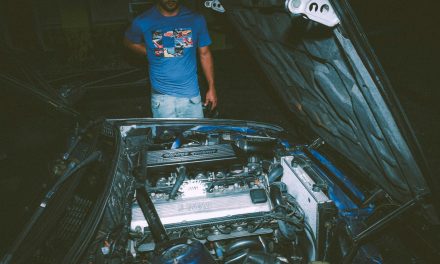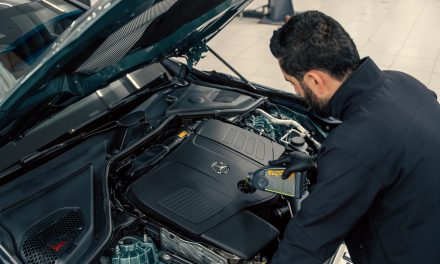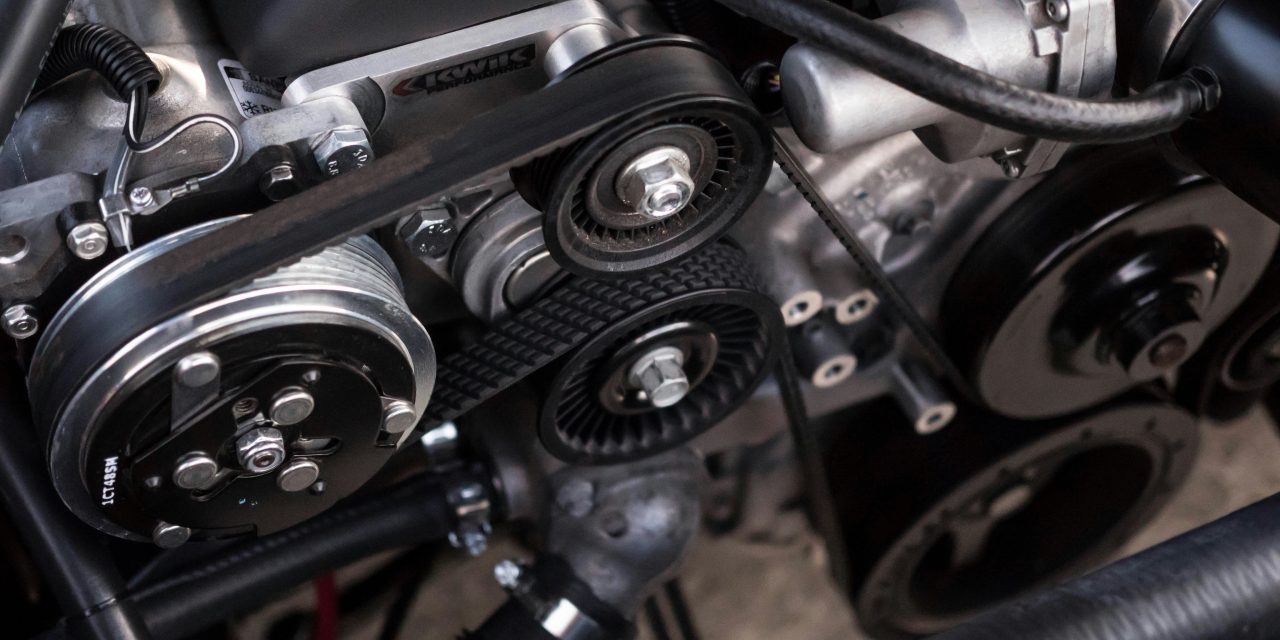
The serpentine belt is a crucial component in modern automotive engines, serving as a single, continuous belt that drives multiple peripheral devices. These devices typically include the alternator, power steering pump, water pump, air conditioning compressor, and sometimes even the engine cooling fan. The design of the serpentine belt allows it to efficiently transfer power from the engine’s crankshaft to these components, ensuring they operate smoothly and effectively. Unlike older vehicles that utilized multiple belts for different functions, the serpentine belt simplifies the system, reducing weight and enhancing reliability.
The construction of a serpentine belt typically involves a durable rubber material reinforced with fibers to withstand high temperatures and mechanical stress. The belt’s ribbed design allows it to grip the pulleys securely, minimizing slippage and maximizing efficiency. Given its pivotal role in vehicle operation, any compromise in the integrity of the serpentine belt can lead to significant performance issues. Understanding its function is essential for vehicle owners and mechanics alike, as it lays the groundwork for recognizing potential problems and implementing timely interventions.
If you’re concerned about the performance of your vehicle, it’s essential to recognize the signs of a worn serpentine belt, as it plays a crucial role in powering various engine components. Common indicators of a failing serpentine belt include squeaking noises, visible cracks or fraying, and difficulty in steering. For a light-hearted break from automotive maintenance, you might enjoy this delightful article featuring adorable animals that are sure to brighten your day. Check it out here: 10 Adorable Kittens and Puppies That Will Melt Your Heart Today.
Why Early Detection of Belt Wear Matters
Early detection of serpentine belt wear is paramount for maintaining optimal vehicle performance and preventing costly repairs. As the belt ages, it undergoes various forms of degradation due to environmental factors such as heat, friction, and exposure to oil or coolant leaks. Identifying wear signs early can prevent a complete failure of the belt, which could lead to a cascade of mechanical failures in the components it drives. For instance, if the alternator ceases to function due to a worn belt, the vehicle’s electrical system may fail, leading to a breakdown.
Moreover, proactive monitoring of the serpentine belt can enhance overall vehicle safety. A malfunctioning power steering pump can result in steering difficulties, increasing the risk of accidents. Regular inspections and maintenance can help detect wear patterns before they escalate into serious issues. By prioritizing early detection, vehicle owners can ensure their cars remain reliable and safe while also extending the lifespan of associated components.
Cracking and Fraying Along the Belt Edges

One of the most common indicators of serpentine belt wear is the presence of cracks or fraying along its edges. These imperfections often arise from prolonged exposure to heat and friction, which can cause the rubber material to lose its elasticity and structural integrity. Cracks may appear as small fissures or larger splits that compromise the belt’s ability to grip pulleys effectively. Fraying can manifest as loose strands of material that protrude from the belt’s surface, indicating significant wear.
When these signs are observed, immediate action is warranted. Ignoring cracked or frayed belts can lead to complete failure during operation, resulting in a sudden loss of power to critical components. Regular visual inspections can help identify these issues early on. If cracks or fraying are detected, replacing the serpentine belt should be prioritized to avoid further complications.
Squealing or Chirping Noises from the Engine

Another telltale sign of serpentine belt wear is the emergence of unusual noises from the engine compartment. Squealing or chirping sounds often indicate that the belt is slipping on one or more pulleys due to insufficient tension or surface degradation. This slippage can occur when the belt has lost its grip due to wear or when tensioner mechanisms fail to maintain proper tension.
These noises should not be dismissed as mere nuisances; they serve as critical warnings that something is amiss within the engine’s accessory drive system. If left unaddressed, slipping belts can lead to further damage to both the belt itself and the components it drives. Addressing these auditory signals promptly can prevent more extensive repairs down the line.
When it comes to maintaining your vehicle, recognizing the signs of a worn serpentine belt is crucial for preventing more significant issues down the line. Common indicators include squeaking noises, visible cracks or fraying on the belt, and a loss of power steering or overheating engine. For those who also travel with pets, ensuring your car is in top shape is essential, especially after trips to the vet. You might find it helpful to read more about keeping your pet carrier clean after such visits in this informative article on how to clean a pet carrier after travel or vet visits. By staying proactive with both your vehicle and pet care, you can ensure a smoother experience for everyone involved. For more details, check out the article here.
Visible Glazing or Shiny Appearance on the Belt
A shiny or glazed appearance on a serpentine belt is another significant indicator of wear. This phenomenon occurs when excessive heat causes the rubber material to harden and lose its grip on pulleys. The glazing effect reduces friction between the belt and pulleys, leading to slippage and decreased efficiency in power transfer.
Visible glazing should prompt immediate inspection and potential replacement of the serpentine belt. Operating with a glazed belt not only compromises performance but also increases wear on associated components such as alternators and power steering pumps. Regular maintenance checks should include visual assessments for glazing to ensure optimal functionality.
When it comes to maintaining your vehicle, recognizing the signs of a worn serpentine belt is crucial for preventing potential engine issues. Common indicators include squeaking noises, visible cracks, or fraying on the belt itself. For more tips on home maintenance that can help you avoid other pesky problems, you might find this article on how to prevent ants around your home’s foundation particularly useful. You can read it here.
Loss of Power Steering or Alternator Function
A malfunctioning serpentine belt can lead to a loss of power steering assistance or alternator function, both of which are critical for safe vehicle operation. If the belt slips or breaks entirely, drivers may experience difficulty steering due to a lack of hydraulic pressure generated by the power steering pump. Additionally, if the alternator fails to receive power from the engine due to a compromised belt, electrical systems may falter, leading to battery drainage and potential stalling.
Recognizing these symptoms early is vital for preventing dangerous driving conditions. If drivers notice a sudden change in steering responsiveness or electrical system performance, they should have their serpentine belt inspected immediately. Timely intervention can prevent further complications and ensure continued vehicle safety.
Belt Slippage During Acceleration
Belt slippage during acceleration is another critical symptom that indicates serpentine belt wear or failure. When a driver accelerates, the engine generates increased torque that should be transmitted efficiently through the serpentine belt to various components. If slippage occurs, it may result in delayed responses from accessories such as air conditioning or power steering.
This issue not only affects comfort but can also lead to increased wear on both the belt and driven components. Drivers experiencing slippage should seek professional evaluation promptly. Addressing this problem early can prevent further damage and ensure that all systems operate harmoniously during acceleration.
Uneven Wear or Missing Chunks on the Belt
Uneven wear patterns or missing chunks on a serpentine belt are clear indicators of significant deterioration that requires immediate attention. Such irregularities often stem from misalignment of pulleys or improper tensioning mechanisms that cause uneven stress distribution across the belt’s surface. Missing chunks can lead to catastrophic failure if not addressed promptly.
Regular inspections should include assessments for uneven wear patterns and physical damage to ensure optimal performance. If any irregularities are detected, replacing the serpentine belt should be prioritized to avoid further complications that could arise from continued operation with a compromised component.
Warning Lights on the Dashboard Related to Belt-Driven Components
Modern vehicles are equipped with sophisticated diagnostic systems that monitor various components’ performance, including those driven by the serpentine belt. Warning lights on the dashboard may illuminate when there are issues related to these components, such as battery charging problems or power steering failures.
Drivers should never ignore dashboard warning lights; they serve as critical alerts that require immediate investigation. If a warning light related to a belt-driven component appears, it is essential to have the vehicle inspected by a qualified technician who can diagnose and address any underlying issues promptly.
Consequences of Ignoring a Worn Serpentine Belt
Neglecting a worn serpentine belt can lead to severe consequences that extend beyond mere inconvenience. A failed serpentine belt can result in complete loss of power steering assistance, leading to dangerous driving conditions and potential accidents. Additionally, if critical components such as the alternator cease functioning due to a broken belt, drivers may find themselves stranded with a dead battery.
Moreover, ignoring signs of wear can lead to cascading failures within other systems reliant on proper belt function. For instance, overheating may occur if the water pump fails due to a compromised belt, potentially resulting in engine damage that requires costly repairs. Therefore, addressing serpentine belt wear proactively is essential for maintaining vehicle safety and reliability.
When to Replace Your Serpentine Belt: Maintenance Tips
Replacing a serpentine belt is an essential aspect of vehicle maintenance that should not be overlooked. Most manufacturers recommend inspecting belts every 30,000 miles and replacing them every 60,000 to 100,000 miles, depending on driving conditions and usage patterns. However, individual circumstances may necessitate more frequent inspections based on driving habits or environmental factors.
To ensure optimal performance, vehicle owners should incorporate regular visual inspections into their maintenance routines. Checking for signs of cracking, fraying, glazing, or uneven wear can help identify potential issues before they escalate into serious problems. Additionally, maintaining proper tension through regular adjustments can prolong the life of the serpentine belt and associated components.
In conclusion, understanding the role of the serpentine belt is crucial for maintaining vehicle performance and safety. Early detection of wear signs such as cracking, fraying, unusual noises, glazing, loss of function in driven components, slippage during acceleration, uneven wear patterns, and dashboard warning lights can prevent costly repairs and enhance overall reliability. Regular inspections and timely replacements are essential for ensuring optimal functionality and extending component lifespan. By prioritizing maintenance and addressing issues promptly, vehicle owners can enjoy safe and efficient driving experiences for years to come.
FAQs
What is a serpentine belt?
A serpentine belt is a long, continuous belt that drives multiple peripheral devices in an engine, such as the alternator, power steering pump, water pump, and air conditioning compressor. It is designed to be more efficient and compact than older systems that used multiple belts.
What are common signs of a worn serpentine belt?
Common signs of a worn serpentine belt include visible cracks or fraying on the belt surface, squeaking or squealing noises when the engine is running, and a loss of power steering or overheating due to the water pump not functioning properly. Additionally, if the belt appears shiny or glazed, it may indicate wear.
How often should a serpentine belt be replaced?
Most manufacturers recommend replacing the serpentine belt every 60,000 to 100,000 miles, but this can vary based on the vehicle and driving conditions. It’s important to consult the owner’s manual for specific recommendations for your vehicle.
Can a worn serpentine belt cause engine problems?
Yes, a worn serpentine belt can lead to various engine problems. If the belt breaks or slips, it can cause the alternator to stop charging the battery, the power steering to fail, or the water pump to stop circulating coolant, potentially leading to engine overheating.
How can I visually inspect a serpentine belt for wear?
You can visually inspect a serpentine belt by looking for signs of wear such as cracks, fraying, or missing chunks. Additionally, check for any shiny or glazed areas on the belt, which indicate slippage. It’s best to perform this inspection when the engine is off and cool for safety.