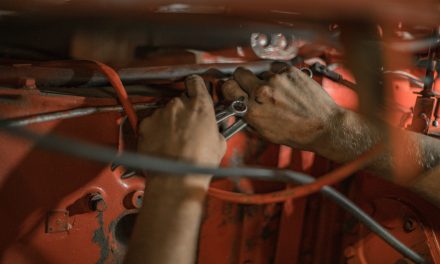
Spark plugs are critical components in the ignition system of an internal combustion engine, responsible for igniting the air-fuel mixture within the combustion chamber. Over time, spark plugs can wear out due to thermal cycling, carbon buildup, and electrode erosion. Regular inspection is essential to ensure optimal engine performance and fuel efficiency. A visual examination can reveal signs of wear, such as discoloration, cracks, or excessive carbon deposits. Technicians often utilize a spark plug gap tool to measure the distance between the electrodes, ensuring it falls within manufacturer specifications.
When replacing spark plugs, it is crucial to select the correct type based on the vehicle’s make and model. Iridium and platinum spark plugs offer longer lifespans compared to traditional copper plugs, often exceeding 100,000 miles before requiring replacement. During installation, it is vital to apply anti-seize compound to the threads and torque them to the manufacturer’s specifications to prevent damage to the cylinder head. Neglecting this maintenance task can lead to misfires, reduced fuel efficiency, and increased emissions.
A car tune-up is essential for maintaining your vehicle’s performance and longevity, as it typically includes tasks such as replacing spark plugs, checking the ignition system, and inspecting fluid levels. For those interested in optimizing their home environment as well, you might find it beneficial to read an article on organizing your kitchen space. This article provides practical tips on how to efficiently manage the area under your kitchen sink, ensuring that everything is in its right place and easily accessible. You can check it out here: 10 Tips to Organize Under Your Kitchen Sink Safely and Efficiently.
Checking and Changing the Engine Oil
Engine oil serves as the lifeblood of an automobile’s engine, providing lubrication, cooling, and cleaning properties. Regularly checking and changing engine oil is paramount for maintaining engine health and longevity. The oil should be inspected for viscosity and contamination; a dark, gritty appearance indicates that it has degraded and requires replacement. Most manufacturers recommend changing the oil every 3,000 to 7,500 miles, depending on driving conditions and oil type.
When performing an oil change, it is essential to use the correct grade of oil as specified in the owner’s manual. Synthetic oils offer superior protection and performance under extreme conditions compared to conventional oils. The process involves draining the old oil, replacing the oil filter, and refilling with fresh oil. Additionally, it is advisable to check for leaks around the oil filter and drain plug after the change to ensure a secure seal.
Replacing the Air Filter

The air filter plays a crucial role in maintaining optimal engine performance by preventing dirt and debris from entering the combustion chamber. A clogged air filter can restrict airflow, leading to decreased power output and increased fuel consumption. Regular inspection of the air filter is necessary; it should be replaced every 15,000 to 30,000 miles or sooner if it appears dirty or discolored.
Replacing the air filter is a straightforward process that typically involves removing the filter housing cover and replacing the old filter with a new one. It is essential to ensure a proper seal to prevent unfiltered air from entering the engine. Some vehicles may have multiple air filters, including cabin filters that improve air quality inside the vehicle. Regularly changing both types of filters can enhance overall vehicle performance and passenger comfort.
Examining and Adjusting the Timing Belt

The timing belt is a critical component that synchronizes the rotation of the crankshaft and camshaft(s), ensuring proper timing of valve openings and closings during engine operation. A worn or damaged timing belt can lead to catastrophic engine failure if it snaps while driving. Regular inspection is vital; most manufacturers recommend replacing the timing belt every 60,000 to 100,000 miles.
During an examination, technicians look for signs of wear such as fraying, cracking, or glazing on the belt surface. If any damage is detected, immediate replacement is necessary. The replacement process involves removing various engine components to access the timing belt, making it a labor-intensive task. Proper tension adjustment is crucial during installation; an improperly tensioned belt can lead to premature wear or failure.
A car tune-up is essential for maintaining your vehicle’s performance and longevity, as it typically includes checking and replacing spark plugs, inspecting the ignition system, and ensuring that the fuel and air filters are clean. For those interested in optimizing their vehicle’s efficiency, you might find it helpful to explore related maintenance tips that can enhance overall performance. For instance, just as regular upkeep is crucial for your car, maintaining a healthy garden can also benefit from systematic care. You can read more about this in the article on integrated pest management for a healthy garden here.
Inspecting and Replacing the Fuel Filter
The fuel filter is responsible for removing contaminants from gasoline before it reaches the engine. A clogged fuel filter can restrict fuel flow, leading to poor engine performance and potential damage to fuel injectors. Regular inspection and replacement are essential; most manufacturers recommend changing the fuel filter every 30,000 to 50,000 miles.
Replacing a fuel filter typically involves relieving fuel system pressure before disconnecting fuel lines. It is crucial to use a replacement filter that meets OEM specifications for optimal performance. After installation, technicians should check for leaks around connections and ensure that fuel flow is restored to normal levels.
A comprehensive car tune-up is essential for maintaining your vehicle’s performance and longevity, as it typically includes checking and replacing spark plugs, inspecting the ignition system, and ensuring that the fuel and air filters are clean. For those interested in enhancing their pet’s health, you might find it interesting to explore how proper care can also benefit your furry companions. You can read more about this in the article on the benefits of hydration for cats, which highlights the importance of keeping your feline friend well-hydrated. For more information, check out this link: benefits of hydration for cats.
Testing and Servicing the Battery
The battery is a vital component that provides electrical energy for starting the engine and powering electrical systems when the engine is off. Regular testing of battery voltage and condition can prevent unexpected failures. A fully charged battery should read around 12.6 volts; readings below this may indicate a need for charging or replacement.
Battery maintenance includes cleaning terminals to prevent corrosion buildup that can impede electrical flow. If corrosion is present, it should be removed using a mixture of baking soda and water. Additionally, checking electrolyte levels in non-sealed batteries is essential; low levels may require topping off with distilled water. If a battery shows signs of swelling or leakage, immediate replacement is necessary.
Checking and Refilling Fluids (Coolant, Brake, Transmission)
Fluids play a critical role in vehicle operation, providing lubrication, cooling, and hydraulic functions across various systems. Regularly checking fluid levels—such as coolant, brake fluid, and transmission fluid—is essential for maintaining vehicle safety and performance. Low coolant levels can lead to overheating, while insufficient brake fluid can compromise braking efficiency.
To check fluid levels, technicians typically use dipsticks or sight glasses located on reservoirs. If levels are low, it is crucial to identify any leaks before refilling with manufacturer-recommended fluids. For coolant systems, a 50/50 mix of antifreeze and distilled water is often recommended for optimal performance across temperature extremes. Brake fluid should be replaced every two years or as specified by the manufacturer due to its hygroscopic nature.
Inspecting the Ignition System
The ignition system is responsible for generating the spark necessary for combustion in gasoline engines. Regular inspection of components such as ignition coils, wires, and distributor caps is essential for ensuring reliable engine performance. Signs of wear may include rough idling, difficulty starting, or misfires during acceleration.
Testing ignition coils involves measuring resistance with a multimeter; values outside manufacturer specifications indicate potential failure. Replacing worn ignition wires can improve spark delivery efficiency and overall engine performance. In modern vehicles equipped with distributor-less ignition systems (DIS), technicians may need specialized diagnostic tools to assess system functionality accurately.
Examining the Belts and Hoses
Belts and hoses are integral components that facilitate various functions within an automobile’s engine compartment. The serpentine belt drives multiple accessories such as alternators and power steering pumps; regular inspection for cracks or fraying is crucial for preventing unexpected failures. Most manufacturers recommend replacing serpentine belts every 60,000 miles.
Hoses carry fluids throughout the vehicle’s systems; inspecting them for leaks or bulges can prevent overheating or loss of hydraulic pressure in braking systems. When replacing belts or hoses, it is essential to use OEM parts that meet specific standards for durability and performance.
Checking the Tire Pressure and Tread
Tire maintenance is vital for ensuring safety and optimal vehicle performance. Proper tire pressure affects handling, fuel efficiency, and tire longevity; under-inflated tires can lead to increased rolling resistance and premature wear. Regularly checking tire pressure using a reliable gauge is recommended at least once a month.
Tread depth should also be assessed using a tread depth gauge or the penny test; tires with insufficient tread can compromise traction in wet conditions. Most manufacturers recommend replacing tires when tread depth falls below 2/32 of an inch. Rotating tires regularly can promote even wear patterns and extend tire life.
Performing a Comprehensive Diagnostic Scan
A comprehensive diagnostic scan utilizes advanced technology to assess various vehicle systems for faults or malfunctions. This process involves connecting an OBD-II scanner to retrieve diagnostic trouble codes (DTCs) stored in the vehicle’s computer system. These codes provide valuable insights into potential issues affecting engine performance or emissions control systems.
After retrieving codes, technicians perform further diagnostics based on specific symptoms reported by the driver or observed during inspection. Addressing issues identified through diagnostic scans can prevent more significant problems down the line while ensuring compliance with emissions regulations.
In summary, regular vehicle maintenance encompasses various tasks that contribute significantly to overall performance and safety. From inspecting spark plugs to performing comprehensive diagnostic scans, each aspect plays a vital role in ensuring longevity and reliability on the road. By adhering to manufacturer recommendations for maintenance intervals and utilizing quality parts during replacements, vehicle owners can enhance their driving experience while minimizing repair costs over time.
FAQs
What is a car tune-up?
A car tune-up is a maintenance service that involves inspecting and replacing various components of a vehicle to ensure optimal performance and efficiency. It typically includes checking and adjusting the engine’s ignition system, fuel system, and emissions system, as well as replacing spark plugs, air filters, and fuel filters.
What components are typically replaced during a tune-up?
During a tune-up, several components may be replaced, including spark plugs, ignition wires, air filters, fuel filters, and sometimes the PCV valve. The specific components replaced can vary based on the vehicle’s make, model, and mileage.
How often should a car tune-up be performed?
The frequency of tune-ups can vary depending on the vehicle and driving conditions, but it is generally recommended to perform a tune-up every 30,000 to 100,000 miles. It’s best to consult the vehicle’s owner manual for specific recommendations.
What are the signs that a car needs a tune-up?
Signs that a car may need a tune-up include decreased fuel efficiency, rough idling, difficulty starting, engine misfires, and a noticeable decrease in overall performance. Additionally, warning lights on the dashboard may indicate the need for maintenance.
Can a tune-up improve fuel efficiency?
Yes, a tune-up can significantly improve fuel efficiency. By replacing worn-out spark plugs, cleaning the fuel system, and ensuring that the engine is running smoothly, a tune-up helps the engine operate more efficiently, which can lead to better gas mileage.