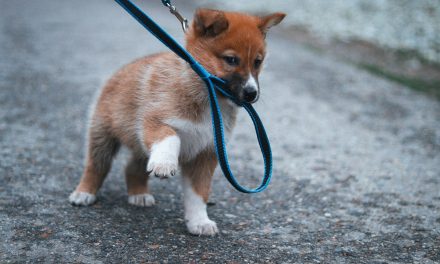
Selecting appropriate supplies for your new puppy is a fundamental step in ensuring their well-being and comfort. Essential items include a high-quality dog food tailored to their age, breed, and size, as well as feeding bowls that are sturdy and easy to clean. Opt for stainless steel or ceramic bowls, as they are less likely to harbor bacteria compared to plastic alternatives. Additionally, consider investing in a collar and leash that fit properly; these should be adjustable to accommodate your puppy’s growth. A comfortable harness can also be beneficial for walks, providing better control and reducing strain on the neck.
Moreover, creating a cozy sleeping area is crucial for your puppy’s development. A soft bed or crate can provide a sense of security and comfort. Crate training is particularly effective, as it helps with housebreaking and gives your puppy a safe space to retreat when feeling overwhelmed. Don’t forget toys that stimulate both physical and mental engagement; chew toys, interactive puzzles, and plush toys can keep your puppy entertained while promoting healthy chewing habits. By carefully selecting these supplies, you lay the groundwork for a happy and healthy life for your new furry companion.
Establishing a Consistent Feeding Schedule
Establishing a consistent feeding schedule is vital for your puppy’s growth and development. Puppies thrive on routine, and regular meal times help regulate their digestive systems. Typically, young puppies require three to four meals per day, gradually transitioning to two meals as they mature. It is essential to measure portions according to the feeding guidelines provided by the dog food manufacturer, taking into account your puppy’s age, weight, and activity level. Overfeeding can lead to obesity and other health issues, while underfeeding may hinder proper growth.
In addition to portion control, monitoring your puppy’s eating habits is crucial. Observe their appetite and behavior during meals; any sudden changes could indicate underlying health problems. Providing fresh water at all times is equally important, as hydration plays a key role in overall health. Consider using a slow feeder bowl if your puppy tends to eat too quickly, as this can prevent gastrointestinal issues such as bloating or vomiting. By adhering to a structured feeding schedule, you promote not only physical health but also behavioral stability in your puppy.
Creating a Safe and Comfortable Living Space

Creating a safe and comfortable living environment for your puppy is paramount in fostering their well-being. Begin by puppy-proofing your home; remove hazardous items such as electrical cords, toxic plants, and small objects that could be swallowed. Designate a specific area for your puppy to play and explore, ensuring it is free from potential dangers. Utilizing baby gates can help restrict access to certain rooms while allowing them to feel included in family activities.
Comfort is equally important; provide soft bedding in a quiet area where your puppy can rest undisturbed. Ensure that the temperature of their living space is comfortable, avoiding extremes of heat or cold. Incorporating familiar scents, such as a blanket or toy from their previous environment, can help ease the transition into their new home. By prioritizing safety and comfort, you create an environment conducive to your puppy’s emotional and physical development.
Importance of Early Socialization

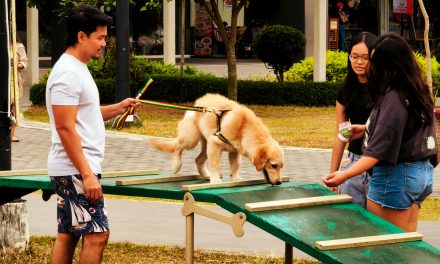
Early socialization is critical in shaping a well-adjusted adult dog. Exposing your puppy to various environments, people, and other animals during their formative weeks helps them develop confidence and adaptability. Aim to introduce your puppy to different sounds, sights, and experiences in a controlled manner. Puppy classes are an excellent way to facilitate socialization while also providing basic training in a safe setting.
Additionally, positive interactions with other dogs can significantly influence behavior later in life. Encourage playdates with vaccinated dogs of varying sizes and temperaments to help your puppy learn appropriate social cues. However, always supervise these interactions to ensure safety. The goal of early socialization is to prevent behavioral issues such as fearfulness or aggression as your puppy matures. By investing time in socialization efforts, you set the stage for a well-rounded canine companion.
Basic Obedience Training Techniques
Implementing basic obedience training techniques is essential for establishing good behavior in your puppy. Start with fundamental commands such as “sit,” “stay,” “come,” and “down.” Use clear verbal cues combined with hand signals to reinforce learning. Consistency is key; practice these commands daily in short sessions to maintain your puppy’s attention and enthusiasm.
Positive reinforcement plays a significant role in effective training. Reward desired behaviors with treats, praise, or playtime to encourage repetition of those actions. Avoid harsh corrections or negative reinforcement, as these can lead to fear or anxiety in your puppy. Instead, redirect unwanted behaviors by offering an alternative action or command. By fostering a positive training environment, you build trust and strengthen the bond between you and your puppy.
Housebreaking and Potty Training Tips
Housebreaking and potty training are among the first challenges new puppy owners face. Establishing a consistent routine is crucial; take your puppy outside frequently—especially after meals, playtime, or naps—to encourage them to relieve themselves outdoors. Choose a designated potty area in your yard to help them associate that spot with bathroom breaks.
When accidents occur indoors, avoid punishment; instead, clean the area thoroughly with an enzymatic cleaner to eliminate odors that may attract future accidents. Praise your puppy immediately after they go outside to reinforce positive behavior. Consider using crate training as an effective tool; dogs instinctively avoid soiling their sleeping area, making crates an excellent aid in housebreaking efforts. With patience and consistency, most puppies can be successfully housebroken within a few months.
Managing Chewing and Biting Behaviors
Managing chewing and biting behaviors is essential for maintaining harmony in your home while ensuring your puppy’s safety. Puppies naturally explore their environment through chewing; however, it is crucial to redirect this behavior towards appropriate items. Provide a variety of chew toys that cater to different textures and sizes to satisfy their urge to chew.
If your puppy begins biting during playtime or out of excitement, redirect their attention to a toy or engage them in another activity. Teaching bite inhibition is also important; if your puppy bites too hard during play, let out a yelp or stop playing momentarily to signal that their behavior is unacceptable. This teaches them the limits of acceptable play behavior with humans. By consistently managing chewing and biting behaviors, you promote healthy habits while protecting your belongings.
Regular Veterinary Care and Vaccinations
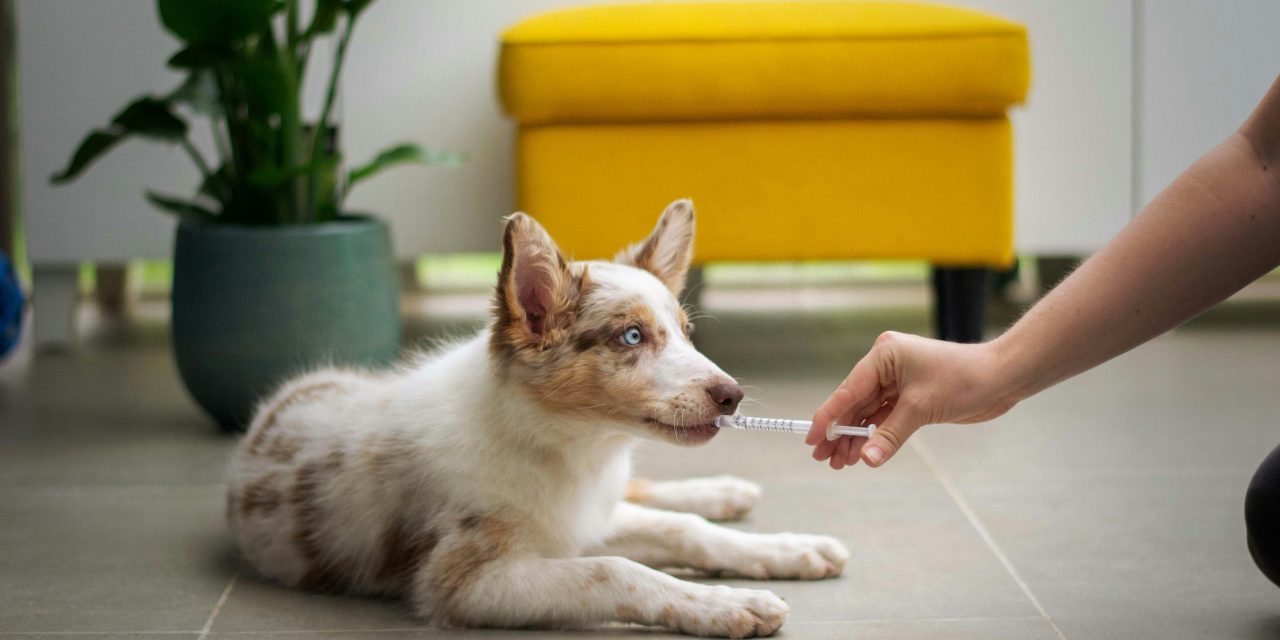
Regular veterinary care is vital for maintaining your puppy’s health throughout their life. Schedule an initial veterinary visit shortly after bringing your new pet home; this allows for a thorough examination and discussion of vaccination schedules tailored to their specific needs. Core vaccinations typically include distemper, parvovirus, adenovirus, and rabies; these protect against serious diseases that can affect puppies.
In addition to vaccinations, routine check-ups are essential for monitoring growth and development while addressing any emerging health concerns early on. Discuss preventive care measures such as flea and tick control, heartworm prevention, and dental care with your veterinarian. Regular veterinary visits not only ensure your puppy’s health but also foster a trusting relationship between you and your veterinarian.
Exercise and Mental Stimulation Needs
Puppies require regular exercise and mental stimulation to thrive physically and emotionally. Daily walks are essential for burning off energy while providing opportunities for exploration and socialization with other dogs and people. Depending on the breed’s energy level, puppies may need anywhere from 30 minutes to two hours of exercise each day.
Incorporating mental stimulation into their routine is equally important; interactive toys that challenge problem-solving skills can keep puppies engaged while preventing boredom-related behaviors such as chewing or digging. Puzzle feeders encourage slower eating while providing mental challenges during mealtime. Engaging in training sessions also serves as both physical exercise and mental stimulation; teaching new tricks or commands keeps their minds sharp while strengthening the bond between you and your puppy.
Positive Reinforcement and Patience in Training
Positive reinforcement is the cornerstone of effective training techniques for puppies. This approach focuses on rewarding desired behaviors rather than punishing unwanted ones, fostering an environment of trust and cooperation between you and your pet. Use treats, praise, or playtime as rewards when your puppy successfully follows commands or exhibits good behavior.
Patience is equally crucial during the training process; puppies learn at different rates based on factors such as breed characteristics and individual temperament. Avoid frustration if progress seems slow; instead, celebrate small victories along the way. Consistency in commands and routines will help reinforce learning over time. By employing positive reinforcement techniques coupled with patience, you create a supportive atmosphere conducive to successful training outcomes.
Recognizing and Addressing Common Health Issues
As a responsible pet owner, being vigilant about recognizing common health issues in puppies is essential for ensuring their well-being. Some prevalent concerns include gastrointestinal disturbances such as diarrhea or vomiting, which may indicate dietary indiscretion or infections. Monitor your puppy’s stool consistency closely; any significant changes warrant consultation with a veterinarian.
Skin issues like allergies or infections may manifest as excessive scratching or licking; regular grooming can help identify potential problems early on. Additionally, watch for signs of respiratory distress such as coughing or difficulty breathing—these symptoms may indicate underlying conditions requiring prompt veterinary attention. By staying informed about common health issues and addressing them proactively through regular veterinary care, you contribute significantly to your puppy’s long-term health.
In summary, bringing a new puppy into your home involves careful consideration of various factors that contribute to their overall well-being. From selecting appropriate supplies and establishing feeding schedules to prioritizing socialization and training techniques, each aspect plays a vital role in shaping a happy canine companion. Regular veterinary care ensures that health concerns are addressed promptly while exercise and mental stimulation keep them engaged physically and mentally. By employing positive reinforcement strategies during training sessions coupled with patience throughout the process, you foster a trusting relationship that will last a lifetime with your furry friend.
FAQs
What are the basic needs of a puppy?
Puppies require proper nutrition, regular veterinary check-ups, socialization, exercise, and training. A balanced diet formulated for puppies is essential for their growth, while routine vet visits help monitor their health and vaccinations. Socialization with other dogs and people is crucial for their development, and they need daily exercise to stay healthy and happy.
How often should I feed my puppy?
Puppies typically need to be fed three to four times a day until they are about six months old. After that, you can transition to two meals a day. It’s important to follow the feeding guidelines on the puppy food packaging and consult your veterinarian for specific recommendations based on your puppy’s breed and size.
What is the best way to train a puppy?
The best way to train a puppy is through positive reinforcement techniques, such as using treats, praise, and playtime as rewards for good behavior. Start with basic commands like sit, stay, and come, and keep training sessions short and fun to maintain your puppy’s attention. Consistency and patience are key to successful training.
When should I start socializing my puppy?
Socialization should begin as early as possible, ideally between 3 to 14 weeks of age. This is a critical period for puppies to learn about their environment and interact with other dogs and people. Gradually expose your puppy to different situations, sounds, and experiences to help them become well-adjusted adults.
How can I prevent my puppy from chewing on furniture?
To prevent your puppy from chewing on furniture, provide them with plenty of appropriate chew toys and redirect their attention to these items when they start chewing on furniture. Additionally, ensure that your puppy gets enough exercise and mental stimulation to reduce boredom, which can lead to destructive chewing behavior.