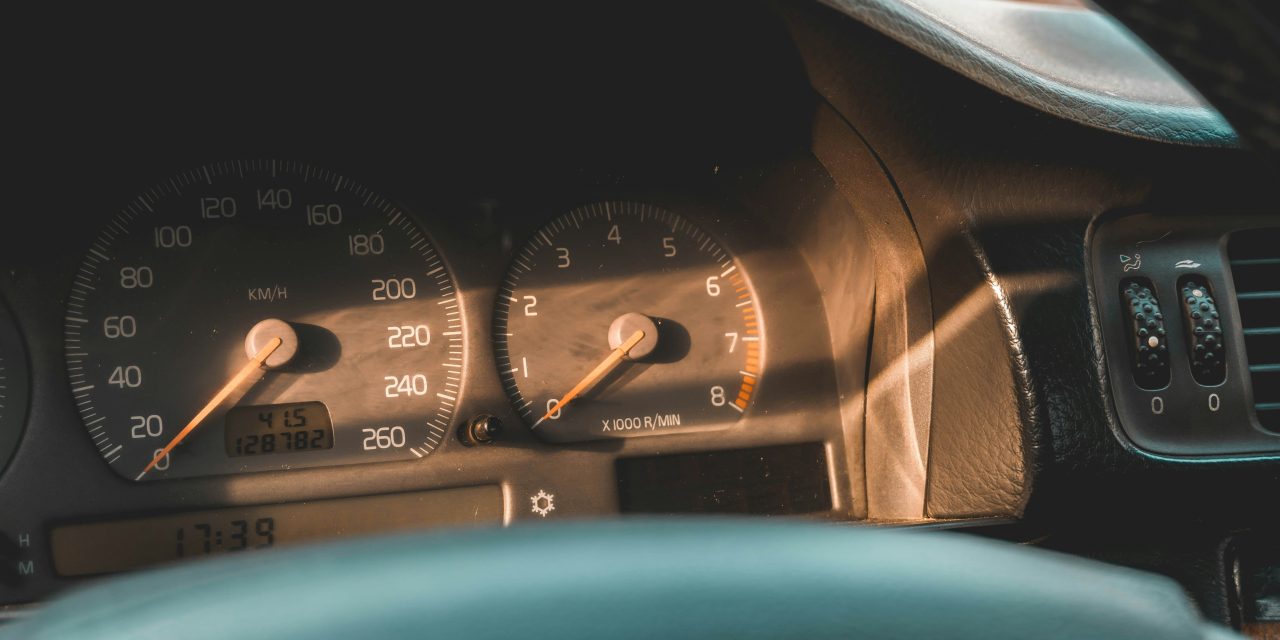
In the realm of automotive performance, increased fuel consumption is a pressing concern for vehicle owners and manufacturers alike. The efficiency of a vehicle is not merely a matter of economics; it also has significant implications for environmental sustainability. As fuel prices continue to fluctuate and concerns about carbon emissions grow, understanding the factors that contribute to elevated fuel consumption becomes paramount. This article delves into various mechanical and operational issues that can lead to excessive fuel usage, providing insights into prevention and treatment options.
Fuel consumption is influenced by a myriad of factors, ranging from the condition of engine components to driving habits. A comprehensive understanding of these elements can empower vehicle owners to make informed decisions regarding maintenance and operational practices. By addressing the underlying causes of increased fuel consumption, drivers can enhance their vehicle’s efficiency, reduce their carbon footprint, and ultimately save money at the pump.
If you’ve noticed that your car is using more gas than usual, it could be due to a variety of factors, including tire pressure, engine performance, or driving habits. To gain a deeper understanding of how to maintain your vehicle for optimal fuel efficiency, you might find it helpful to read a related article that discusses the importance of proper care and maintenance. For more insights, check out this article on the benefits of proper care that can also be applied to your vehicle’s performance.
Worn Out Spark Plugs and Ignition Issues
Worn-out spark plugs are often overlooked yet play a crucial role in the combustion process within an internal combustion engine. Spark plugs are responsible for igniting the air-fuel mixture in the combustion chamber, and when they become degraded, they can lead to incomplete combustion. This inefficiency not only results in a loss of power but also increases fuel consumption significantly. Symptoms of faulty spark plugs include rough idling, difficulty starting the engine, and decreased acceleration.
To mitigate these issues, it is essential to regularly inspect and replace spark plugs according to the manufacturer’s recommendations. Typically, spark plugs should be replaced every 30,000 to 100,000 miles, depending on the type used. Utilizing high-quality spark plugs can enhance ignition efficiency and improve overall engine performance. Additionally, ensuring that ignition coils and wires are in good condition can further optimize combustion efficiency.
Underinflated Tires and Their Impact on Mileage

Tire pressure is a critical factor influencing fuel efficiency. Underinflated tires create increased rolling resistance, which forces the engine to work harder to maintain speed. According to the U.S. Department of Energy, maintaining proper tire pressure can improve gas mileage by up to 3%. Furthermore, underinflated tires can lead to uneven tire wear and reduced handling capabilities, posing safety risks.
To prevent underinflation, vehicle owners should regularly check tire pressure at least once a month and before long trips. The recommended tire pressure can typically be found on a sticker inside the driver’s door or in the owner’s manual. Investing in a quality tire pressure gauge can facilitate accurate measurements. Additionally, rotating tires every 5,000 to 7,500 miles can promote even wear and prolong tire life.
Dirty or Clogged Air Filters Restricting Airflow

Air filters play a vital role in maintaining optimal airflow to the engine. A dirty or clogged air filter restricts airflow, leading to an imbalanced air-fuel mixture that can cause the engine to consume more fuel than necessary. Symptoms of a clogged air filter include decreased acceleration, reduced engine power, and increased emissions.
To ensure optimal performance, it is advisable to inspect and replace air filters every 12,000 to 15,000 miles or as recommended by the manufacturer. In dusty environments or for vehicles frequently driven on unpaved roads, more frequent replacements may be necessary. Clean air filters not only enhance fuel efficiency but also contribute to improved engine longevity by preventing contaminants from entering the combustion chamber.
If you’ve noticed that your car is using more gas than usual, it could be due to several factors such as tire pressure, engine performance, or even driving habits. To explore this topic further, you might find it helpful to read about common reasons for increased fuel consumption in vehicles. Additionally, if you’re dealing with other maintenance issues, you can check out this article on how to remove paint from carpet without damaging the fibers, which might come in handy if you’ve accidentally spilled something in your car. Understanding these aspects can help you get your vehicle back to optimal performance.
Faulty Oxygen Sensors Affecting Fuel Mixture
Oxygen sensors are integral components of modern vehicles’ emission control systems. They monitor the level of oxygen in the exhaust gases and relay this information to the engine control unit (ECU), which adjusts the air-fuel mixture accordingly. A malfunctioning oxygen sensor can lead to an overly rich or lean mixture, resulting in poor fuel economy and increased emissions.
When oxygen sensors fail, they may trigger the check engine light on the dashboard. It is crucial to address this issue promptly, as driving with a faulty sensor can lead to further engine damage and costly repairs. Regular diagnostic checks can help identify sensor issues early on. Replacing oxygen sensors typically occurs every 60,000 to 90,000 miles; however, this may vary based on driving conditions and vehicle type.
If you’ve noticed that your car is using more gas than usual, it might be worth exploring various factors that could be contributing to this issue. From tire pressure to engine performance, several elements can affect fuel efficiency. For a deeper understanding of how to maintain efficiency in other areas of your life, you might find this article on home heating helpful. It discusses essential tips for keeping your furnace running efficiently, which can be linked to overall energy consumption habits. You can read more about it here.
Excessive Idling and Aggressive Driving Habits
Driving behavior significantly impacts fuel consumption. Excessive idling—leaving the engine running while parked—can waste fuel unnecessarily. Studies indicate that idling for more than 10 seconds consumes more fuel than restarting the engine. Additionally, aggressive driving habits such as rapid acceleration and hard braking can decrease fuel efficiency by as much as 33% on highways and 5% in urban settings.
To combat these issues, drivers should adopt smoother driving techniques that promote gradual acceleration and deceleration. Furthermore, turning off the engine during long stops can conserve fuel. Utilizing cruise control on highways can also help maintain a steady speed, enhancing overall fuel economy.
Using the Wrong Type of Motor Oil
Motor oil plays a pivotal role in reducing friction between engine components and ensuring smooth operation. Using oil that does not meet the manufacturer’s specifications can lead to increased friction and heat generation, ultimately resulting in higher fuel consumption. The viscosity of motor oil is crucial; using oil with a higher viscosity than recommended can hinder engine performance.
To optimize fuel efficiency, vehicle owners should adhere strictly to the manufacturer’s recommendations regarding oil type and viscosity grade. Regular oil changes—typically every 5,000 to 7,500 miles—are essential for maintaining engine health and performance. Synthetic oils may offer superior protection and efficiency compared to conventional oils; however, they come at a higher cost.
Malfunctioning Fuel Injectors and Engine Components
Fuel injectors are responsible for delivering precise amounts of fuel into the combustion chamber at high pressure. When these components malfunction or become clogged with debris, they can disrupt the fuel delivery system, leading to poor combustion efficiency and increased fuel consumption. Symptoms of faulty injectors include rough idling, decreased power output, and poor acceleration.
Regular maintenance is crucial for ensuring optimal injector performance. Cleaning or replacing injectors every 30,000 miles can prevent buildup that impairs functionality. Additionally, using high-quality fuel with detergents can help keep injectors clean and functioning efficiently.
How Regular Maintenance Can Improve Gas Mileage
Regular maintenance is paramount for preserving vehicle efficiency and performance. Routine inspections allow for early detection of potential issues that could lead to increased fuel consumption. Key maintenance tasks include checking fluid levels (engine oil, coolant), inspecting belts and hoses for wear, and ensuring that all components are functioning optimally.
Scheduling regular tune-ups—typically every 30,000 miles—can help maintain peak performance levels. During these tune-ups, mechanics will inspect spark plugs, air filters, fuel injectors, and other critical components that influence fuel efficiency. By investing in regular maintenance, vehicle owners can significantly enhance their car’s gas mileage while prolonging its lifespan.
Tips for Monitoring and Reducing Fuel Consumption
Monitoring fuel consumption is essential for identifying trends and making informed decisions about driving habits and maintenance practices. Utilizing onboard diagnostics (OBD) systems or smartphone applications can provide real-time data on fuel economy metrics.
To reduce fuel consumption effectively:
1. **Plan Routes**: Optimize routes to avoid traffic congestion.
2. **Limit Load**: Remove unnecessary items from the vehicle to reduce weight.
3. **Use Air Conditioning Wisely**: Minimize air conditioning use during low-speed driving.
4. **Maintain Speed**: Adhere to speed limits; higher speeds generally decrease fuel efficiency.
5. **Educate Yourself**: Stay informed about best practices for fuel-efficient driving.
Taking Action to Restore Your Car’s Efficiency
In conclusion, understanding the multifaceted causes of increased fuel consumption is essential for vehicle owners seeking to enhance their car’s efficiency. By addressing issues such as worn-out spark plugs, underinflated tires, clogged air filters, faulty oxygen sensors, excessive idling habits, improper motor oil usage, malfunctioning injectors, and neglecting regular maintenance, drivers can significantly improve their vehicle’s performance.
Taking proactive measures not only leads to financial savings at the pump but also contributes positively to environmental sustainability by reducing carbon emissions. By implementing regular maintenance schedules and adopting efficient driving practices, vehicle owners can restore their cars’ efficiency while enjoying a smoother driving experience.
### FAQ Section
1. **How often should I check my tire pressure?**
– Tire pressure should be checked at least once a month or before long trips.
2. **What are signs that my spark plugs need replacing?**
– Symptoms include rough idling, difficulty starting the engine, or decreased acceleration.
3. **How do I know if my oxygen sensor is faulty?**
– A malfunctioning oxygen sensor may trigger the check engine light or cause poor fuel economy.
4. **What type of motor oil should I use?**
– Always refer to your vehicle’s owner manual for specific recommendations regarding oil type and viscosity.
5. **How often should I change my air filter?**
– Air filters should typically be replaced every 12,000 to 15,000 miles or as needed based on driving conditions.
6. **Can aggressive driving really affect my gas mileage?**
– Yes! Aggressive driving habits can decrease fuel efficiency by up to 33% on highways.
7. **What is considered excessive idling?**
– Idling for more than 10 seconds is generally considered excessive; it wastes more fuel than restarting your engine.
8. **How do I clean my fuel injectors?**
– Fuel injector cleaning kits are available; however, professional cleaning services may be more effective for severe clogs.
9. **What are some eco-friendly driving tips?**
– Use public transportation when possible, carpool with others, maintain your vehicle regularly, and drive at moderate speeds.
10. **Is synthetic oil worth the investment?**
– Synthetic oils often provide better protection and efficiency but come at a higher cost; consider your driving conditions when deciding.
In summary, addressing factors contributing to increased fuel consumption through regular maintenance and mindful driving practices can lead to significant improvements in vehicle efficiency while promoting environmental sustainability.
FAQs
What are common reasons for increased fuel consumption in cars?
Common reasons for increased fuel consumption include under-inflated tires, a dirty air filter, worn spark plugs, and using the air conditioning excessively. Additionally, driving habits such as rapid acceleration and heavy braking can also contribute to higher fuel usage.
How does tire pressure affect gas mileage?
Under-inflated tires create more rolling resistance, which means the engine has to work harder to move the vehicle. This increased effort leads to higher fuel consumption. Maintaining proper tire pressure can improve gas mileage by up to 3%.
Can engine issues lead to higher fuel consumption?
Yes, engine issues such as a malfunctioning fuel injector, a clogged catalytic converter, or problems with the engine management system can lead to inefficient fuel combustion, resulting in increased fuel consumption. Regular maintenance can help identify and resolve these issues.
Does the type of fuel used affect gas mileage?
Yes, using a lower octane fuel than recommended for your vehicle can lead to knocking and inefficient combustion, which may decrease fuel efficiency. Conversely, using higher octane fuel than necessary typically does not improve gas mileage.
How can driving habits impact fuel efficiency?
Driving habits significantly impact fuel efficiency. Aggressive driving, such as rapid acceleration and hard braking, can reduce gas mileage by as much as 33% on highways and 5% in city driving. Smooth acceleration and maintaining a steady speed can help improve fuel economy.