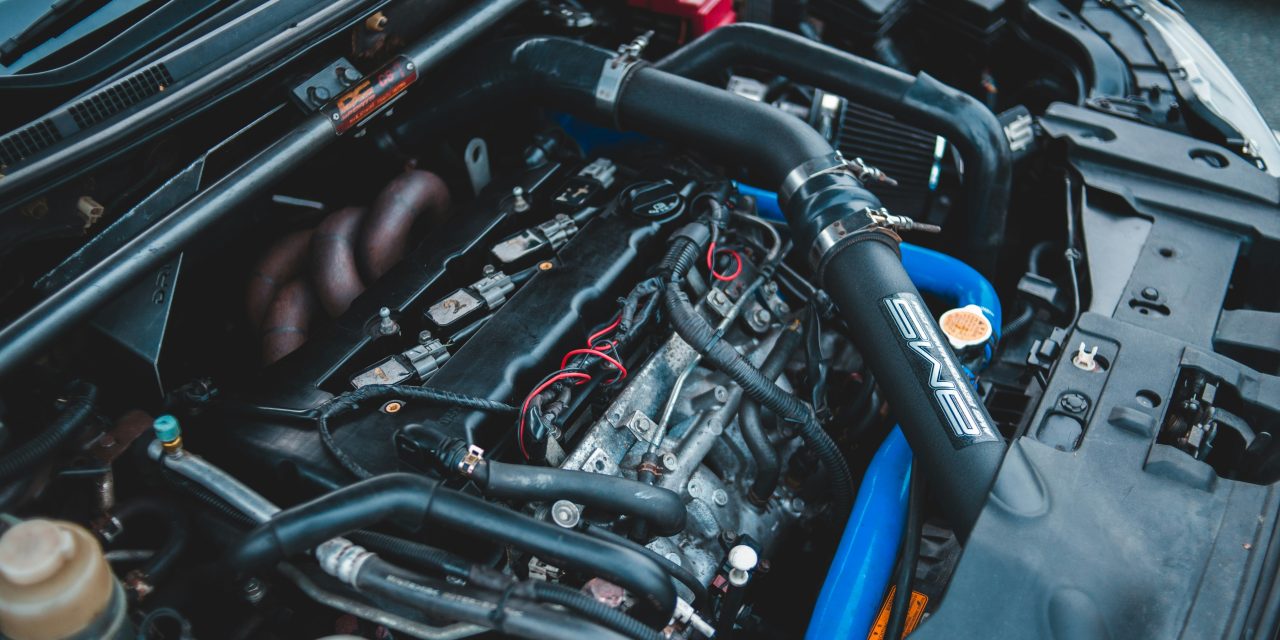
A thorough visual inspection is paramount when assessing a vehicle’s overall condition, particularly for leaks and corrosion. The engine bay, undercarriage, and various components should be scrutinized for any signs of fluid leakage. Common fluids to check include engine oil, coolant, transmission fluid, brake fluid, and power steering fluid. Each of these fluids has distinct colors and odors that can indicate specific issues. For instance, engine oil typically appears brown or black, while coolant is often green or orange. A leak can signify a failing gasket, a cracked component, or a loose connection, all of which could lead to significant repair costs if not addressed promptly.
Corrosion is another critical factor to consider during a visual inspection. It often manifests as rust on metal components or a white powdery substance on battery terminals. Corrosion can compromise the integrity of various parts, including the frame, suspension components, and electrical systems. Areas prone to corrosion include the undercarriage, wheel wells, and around the battery. Identifying these issues early can prevent more extensive damage and ensure the vehicle remains safe and reliable.
When considering the purchase of a used car, it’s essential to assess the health of the engine to avoid future problems. A related article that provides valuable insights on maintaining a healthy environment for butterflies, which can be surprisingly analogous to ensuring a car runs smoothly, can be found here: 10 Easy Steps to Grow Milkweed for Monarch Butterflies at Home. Just as nurturing plants can lead to a thriving ecosystem, understanding engine components and their conditions can lead to a reliable vehicle.
Assessing Engine Oil Quality and Level
The quality and level of engine oil are vital indicators of a vehicle’s health. Engine oil lubricates moving parts, reduces friction, and helps dissipate heat. To assess oil quality, one should check its color and consistency. Fresh oil is typically amber in color and has a smooth texture. Over time, oil can become dark and gritty due to contaminants and breakdown from heat exposure. A simple dipstick test can reveal both the oil level and its condition. If the oil appears excessively dark or has a burnt smell, it may be time for an oil change or further investigation into potential engine issues.
Additionally, checking the oil level is crucial for maintaining optimal engine performance. Low oil levels can lead to inadequate lubrication, resulting in increased wear and tear on engine components. If the dipstick indicates low oil levels, it is essential to top off with the appropriate type of oil as specified in the vehicle’s owner manual. Regular oil changes are recommended every 3,000 to 7,500 miles, depending on the vehicle’s make and model, to ensure the engine operates efficiently.
Listening for Unusual Noises During Startup

Listening for unusual noises during startup can provide valuable insights into a vehicle’s mechanical condition. A well-functioning engine should start smoothly without any abnormal sounds. Common noises to be aware of include knocking, ticking, or grinding sounds. A knocking noise may indicate issues with the engine’s internal components, such as worn bearings or piston slap. Ticking sounds could suggest problems with the valve train or insufficient lubrication. Grinding noises may point to starter motor issues or problems with the flywheel.
In addition to startup noises, it is essential to listen for any irregular sounds while the engine is running. Pay attention to changes in pitch or volume that may indicate underlying problems. If any unusual noises are detected, it is advisable to consult a qualified mechanic for further evaluation and diagnosis.
Examining the Exhaust Smoke Color and Smell

The color and smell of exhaust smoke can reveal critical information about an engine’s performance and health. Different colors of smoke indicate various issues: blue smoke typically signifies burning oil due to worn piston rings or valve seals; white smoke may indicate coolant entering the combustion chamber due to a blown head gasket; black smoke suggests an overly rich fuel mixture caused by a malfunctioning fuel injector or air filter.
In addition to color, the smell of exhaust can also provide clues about engine problems. A sweet smell may indicate coolant leakage into the combustion chamber, while a strong odor of gasoline could suggest incomplete combustion or fuel system issues. Monitoring exhaust smoke during operation can help identify potential problems early on, allowing for timely repairs and preventing further damage.
When considering the purchase of a used car, it’s essential to assess the health of the engine to avoid future headaches and expenses. A great resource that provides valuable insights on this topic can be found in an article that discusses various signs of engine health and what to look for during your inspection. You can read more about it in this informative piece on how to tell if a used car engine is healthy. By understanding these indicators, you can make a more informed decision and ensure that your investment is sound.
Testing Engine Compression and Performance
Engine compression testing is a crucial diagnostic tool used to assess an engine’s internal condition. This test measures the pressure generated within each cylinder during the compression stroke. A compression tester is used to gauge the pressure levels in each cylinder; healthy engines typically exhibit uniform compression across all cylinders within manufacturer specifications. Significant discrepancies in compression readings may indicate issues such as worn piston rings, damaged valves, or head gasket failure.
In addition to compression testing, evaluating overall engine performance is essential. This includes monitoring acceleration response, idle stability, and fuel efficiency. A sluggish response during acceleration may suggest fuel delivery issues or ignition system malfunctions. Regular performance assessments can help identify problems early on and ensure optimal engine operation.
When considering the purchase of a used car, it’s essential to assess the health of the engine to avoid costly repairs down the line. A comprehensive guide on this topic can be found in an article that discusses various signs of engine health, including oil condition, unusual noises, and performance issues. To learn more about evaluating a used car’s engine, you can check out this informative resource here. Understanding these factors can help you make a more informed decision and ensure that your investment is sound.
Inspecting Belts and Hoses for Wear and Tear
Belts and hoses play a vital role in a vehicle’s operation by facilitating various functions such as power steering, cooling, and charging systems. Inspecting these components for wear and tear is essential for preventing breakdowns and ensuring reliability. Look for signs of fraying, cracking, or glazing on belts; these conditions can lead to belt failure and subsequent loss of power steering or alternator function.
Hoses should also be examined for signs of deterioration such as bulging, leaks, or soft spots. Rubber hoses can degrade over time due to exposure to heat and chemicals, leading to potential coolant leaks or loss of pressure in critical systems. Regular inspections of belts and hoses should be part of routine maintenance to avoid unexpected failures that could result in costly repairs.
Reviewing the Vehicle’s Maintenance and Service Records
A comprehensive review of a vehicle’s maintenance and service records provides valuable insights into its history and overall condition. These records should detail routine maintenance tasks such as oil changes, brake replacements, tire rotations, and any major repairs performed on the vehicle. A well-documented service history indicates that previous owners have taken care of the vehicle, which can translate into better reliability for future use.
Additionally, reviewing service records can help identify recurring issues that may require further attention. For example, if a vehicle has undergone multiple repairs for the same problem, it may indicate an underlying issue that has not been adequately addressed. Understanding a vehicle’s maintenance history is crucial when making informed decisions about potential purchases.
Checking for Warning Lights on the Dashboard
Modern vehicles are equipped with sophisticated onboard diagnostic systems that monitor various components’ performance and functionality. Warning lights on the dashboard serve as indicators of potential issues that require immediate attention. Common warning lights include those for the check engine light, oil pressure warning light, battery warning light, and brake system warning light.
When purchasing a used vehicle, it is essential to ensure that all warning lights are functioning correctly before making a decision. If any warning lights illuminate during operation, it is advisable to have the vehicle scanned for diagnostic trouble codes (DTCs) using an OBD-II scanner. This process can help pinpoint specific issues that may need addressing before finalizing a purchase.
Evaluating Engine Temperature and Cooling System Function
Monitoring engine temperature is critical for ensuring optimal performance and preventing overheating-related damage. The cooling system plays a vital role in regulating engine temperature by circulating coolant through the engine block and radiator. During an inspection, it is essential to check the coolant level in the reservoir and examine hoses for leaks or signs of wear.
Additionally, observing the temperature gauge on the dashboard during operation can provide insights into cooling system function. If the gauge consistently reads higher than normal or fluctuates erratically, it may indicate cooling system malfunctions such as a faulty thermostat or water pump failure. Regular checks of the cooling system can help prevent overheating incidents that could lead to severe engine damage.
Conducting a Test Drive to Monitor Engine Responsiveness
A test drive is an invaluable step in evaluating a vehicle’s overall performance and responsiveness. During this process, pay attention to how the engine accelerates under various conditions—smooth acceleration without hesitation indicates healthy engine performance while sluggishness may suggest underlying issues such as fuel delivery problems or transmission malfunctions.
Additionally, observe how the vehicle handles during turns and stops; responsive steering and effective braking are essential for safe operation. Listen for any unusual noises during acceleration or deceleration that could indicate mechanical problems requiring further investigation.
Getting a Professional Mechanic’s Pre-Purchase Inspection
Engaging a qualified mechanic for a pre-purchase inspection is one of the most prudent steps when considering a used vehicle purchase. A professional mechanic possesses the expertise necessary to conduct a thorough examination of all critical components while identifying potential issues that may not be apparent during casual inspections.
During this inspection process, mechanics will assess various aspects such as engine performance, transmission functionality, suspension integrity, brake condition, and electrical systems’ reliability. They will also utilize diagnostic tools to scan for trouble codes that may indicate underlying problems requiring attention before finalizing a purchase decision.
In conclusion, conducting a comprehensive evaluation of a vehicle before purchase is essential for ensuring reliability and safety on the road. By following these steps—visual inspections for leaks and corrosion; assessing engine oil quality; listening for unusual noises; examining exhaust smoke; testing compression; inspecting belts and hoses; reviewing maintenance records; checking dashboard warning lights; evaluating engine temperature; conducting test drives; and obtaining professional inspections—potential buyers can make informed decisions that minimize future repair costs while maximizing their investment in automotive reliability.
Summary: This article outlines essential steps for evaluating a vehicle before purchase, including visual inspections for leaks and corrosion; assessing engine oil quality; listening for unusual noises; examining exhaust smoke; testing compression; inspecting belts and hoses; reviewing maintenance records; checking dashboard warning lights; evaluating engine temperature; conducting test drives; and obtaining professional inspections from qualified mechanics to ensure reliability and safety on the road.
FAQs
What are the signs of a healthy used car engine?
A healthy used car engine typically shows signs such as smooth idling, no unusual noises (like knocking or ticking), consistent power delivery, and no excessive smoke from the exhaust. Additionally, the engine should have clean oil and no visible leaks.
How can I check for engine leaks?
To check for engine leaks, inspect the ground beneath the car for any fluid spots after it has been parked for a while. You can also visually inspect the engine bay for any signs of oil or coolant leaks, looking around the oil pan, valve covers, and hoses.
What should I listen for when starting the engine?
When starting the engine, listen for any unusual sounds such as grinding, knocking, or excessive ticking. A healthy engine should start smoothly without any loud or irregular noises. Pay attention to how quickly the engine reaches idle and whether it maintains a steady RPM.
How can I assess the engine’s oil condition?
To assess the engine’s oil condition, remove the dipstick and check the oil’s color and consistency. Healthy oil should be amber and smooth, while dark, gritty, or milky oil may indicate contamination or engine problems. Additionally, check the oil level to ensure it is within the recommended range.
What role does a compression test play in evaluating engine health?
A compression test measures the pressure in each cylinder of the engine, helping to determine its overall health. Consistent compression readings across all cylinders indicate a healthy engine, while significant discrepancies may suggest issues such as worn piston rings or valve problems.