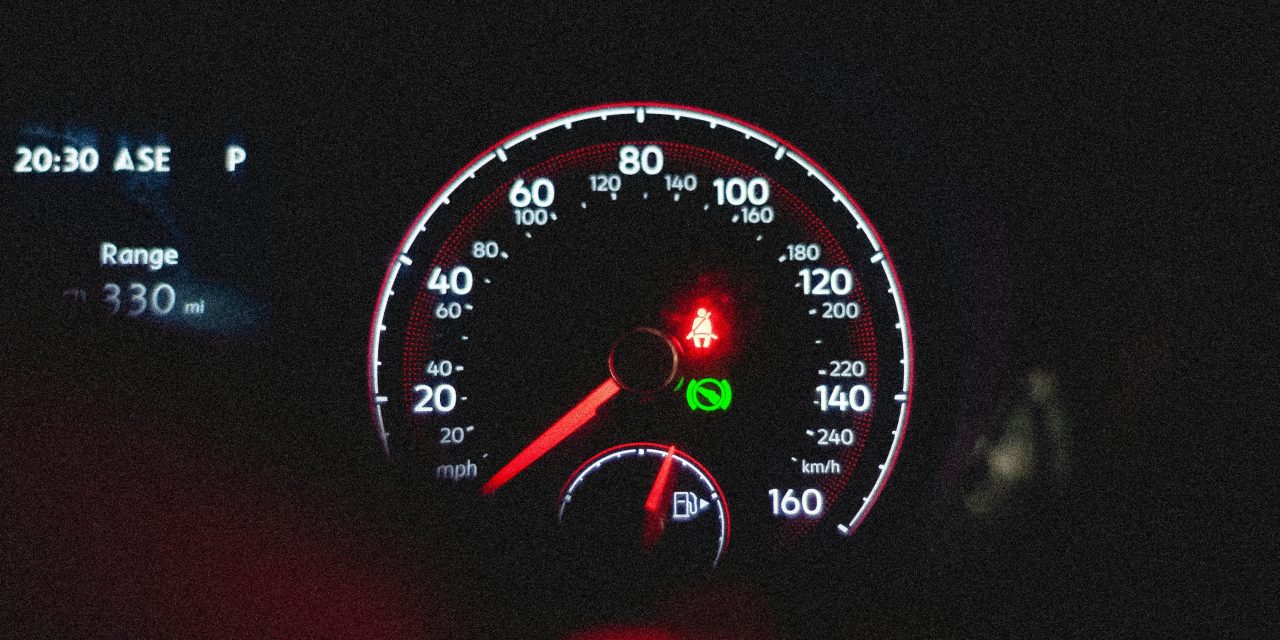
The brake pad warning light is a crucial indicator on your vehicle’s dashboard, designed to alert drivers to potential issues with the braking system. This warning light typically resembles a circle with an exclamation mark or the word “BRAKE” inscribed within it. When illuminated, it signifies that the brake pads may be worn down or that there is a malfunction within the braking system. Understanding this warning light is essential for maintaining vehicle safety and performance.
The brake pad warning light can be triggered by various factors, including low brake fluid levels, worn brake pads, or issues with the anti-lock braking system (ABS). Ignoring this warning can lead to severe consequences, including compromised braking efficiency and increased risk of accidents. Therefore, recognizing the significance of this alert is paramount for any responsible driver.
If you’re curious about the implications of the brake pad warning light and what it signifies for your vehicle’s safety, you might find it helpful to explore related topics on vehicle maintenance. For instance, understanding how to properly care for your car’s braking system can prevent more serious issues down the line. You can read more about this in the article found here: How to Fix Sticky Sourdough Dough Before Baking.
How Brake Pads Work in Your Vehicle
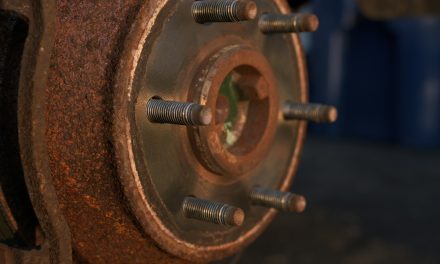
Brake pads are integral components of a vehicle’s disc braking system, functioning to create friction against the brake rotors when the brakes are applied. This friction is what slows down or stops the vehicle. Typically made from materials such as ceramic, metallic, or organic compounds, brake pads are designed to withstand high temperatures and pressures generated during braking.
When the driver presses the brake pedal, hydraulic pressure is transmitted through the brake fluid to the calipers, which then squeeze the brake pads against the rotors. This action converts kinetic energy into thermal energy, effectively slowing down the vehicle. The efficiency of this process relies heavily on the condition of the brake pads; worn or damaged pads can significantly impair braking performance and increase stopping distances.
Common Causes for the Brake Pad Warning Light to Illuminate

Several factors can cause the brake pad warning light to illuminate. One of the most common reasons is the wear indicator on the brake pads themselves. Many modern brake pads are equipped with a metal tab that produces a squealing noise when the pads have worn down to a certain level, signaling that replacement is necessary. If this wear indicator is ignored, it can lead to further damage to the rotors and other braking components.
Another common cause for the warning light activation is low brake fluid levels. Brake fluid is essential for transmitting force from the brake pedal to the calipers; if levels drop due to leaks or evaporation, it can compromise braking efficiency. Additionally, issues with the ABS system, such as a malfunctioning sensor or electrical fault, can also trigger the warning light. Regular maintenance checks can help identify these issues before they escalate.
Differences Between Brake Pad Warning and Other Brake System Alerts

While the brake pad warning light serves a specific purpose, it is essential to differentiate it from other alerts related to the braking system. For instance, a general brake warning light may indicate low brake fluid levels or a malfunction in the braking system itself, while an ABS warning light specifically pertains to issues within the anti-lock braking system.
Understanding these distinctions is vital for effective troubleshooting. For example, if only the brake pad warning light is illuminated, it may suggest that immediate attention is needed for the pads themselves. Conversely, if multiple warning lights are activated simultaneously, it could indicate a more systemic issue requiring professional diagnosis.
If you’ve ever wondered what the brake pad warning light means, it’s crucial to understand its significance for your vehicle’s safety. This warning light indicates that your brake pads may be worn down and require immediate attention to prevent further damage to your braking system. For more insights on caring for your beloved pets, you might find this article on the benefits of puppy daycare quite interesting, as it highlights how proper care can lead to happier and healthier furry friends. You can read it here: top 10 benefits of puppy daycare.
Signs Your Brake Pads Need Immediate Attention
Several signs indicate that your brake pads require immediate attention. One of the most noticeable symptoms is a persistent squeaking or grinding noise when applying brakes. This sound often signifies that the pads have worn down significantly and are making contact with the rotor itself, which can lead to further damage if not addressed promptly.
Another indicator is a decrease in braking responsiveness or an increase in stopping distance. If you notice that your vehicle takes longer to come to a complete stop or feels less stable during braking maneuvers, it may be time to inspect your brake pads. Additionally, vibrations or pulsations felt through the brake pedal can indicate uneven wear or damage to the pads or rotors.
Understanding what the brake pad warning light means is crucial for maintaining your vehicle’s safety and performance. When this light illuminates on your dashboard, it typically indicates that your brake pads are worn and may need replacement soon. Ignoring this warning can lead to more severe brake issues and potentially compromise your safety on the road. For more insights on vehicle maintenance, you might find this article on how to cook frozen meat in an Instant Pot safely quite interesting, as it emphasizes the importance of proper preparation and care in different contexts. You can read it here: how to cook frozen meat in an Instant Pot safely.
Risks of Ignoring the Brake Pad Warning Light
Ignoring the brake pad warning light poses significant risks not only to your vehicle but also to your safety and that of others on the road. Continued driving with worn-out brake pads can lead to rotor damage, which is considerably more expensive to repair than simply replacing pads. Additionally, compromised braking performance increases stopping distances and reduces overall vehicle control.
In extreme cases, neglecting this warning can result in complete brake failure, leading to catastrophic accidents. The financial implications of such negligence can be severe, including costly repairs and potential liability in accidents caused by inadequate braking performance. Therefore, addressing any illumination of this warning light should be treated as a priority.
How to Check Your Brake Pads Yourself
Checking your brake pads can be a straightforward process if you have basic mechanical knowledge and tools. Begin by safely lifting your vehicle using a jack and securing it with jack stands. Remove the wheel to gain access to the brake assembly. Visually inspect the brake pads for thickness; most pads should have at least 1/4 inch of material remaining.
Additionally, look for signs of uneven wear or damage such as cracks or chips in the pad material. If you notice any abnormalities or if the pads appear excessively worn, it may be time for replacement. It’s also advisable to check for any debris lodged between the pad and rotor that could affect performance.
When to Visit a Mechanic for Brake Pad Issues
While some drivers may feel comfortable checking their brake pads themselves, there are instances when professional assistance is necessary. If you experience any unusual noises while braking—such as grinding or squealing—or if you notice a significant decrease in braking performance, it’s crucial to consult a qualified mechanic immediately.
Additionally, if your vehicle’s dashboard displays multiple warning lights related to the braking system, seeking professional diagnosis is essential. Mechanics have specialized tools and expertise that allow them to conduct thorough inspections and identify underlying issues that may not be visible during a casual check.
Brake Pad Replacement: What to Expect
When replacing brake pads, several steps are involved that mechanics typically follow for optimal results. Initially, they will remove the wheel and inspect all components of the braking system for wear or damage. After assessing the condition of both pads and rotors, they will proceed with removing old pads and installing new ones.
The process usually involves compressing the caliper piston to accommodate new pads and ensuring proper alignment within the caliper assembly. Once installed, mechanics will often perform a test drive to ensure that everything functions correctly and that there are no unusual noises or vibrations during braking.
Tips for Maintaining Healthy Brake Pads
Maintaining healthy brake pads requires regular attention and care. One effective strategy is to schedule routine inspections every 6 months or 6,000 miles—whichever comes first—to catch any potential issues early on. Additionally, practicing smooth driving habits—such as gradual acceleration and deceleration—can reduce unnecessary wear on brake components.
Using high-quality brake pads suited for your driving conditions can also enhance longevity and performance. For instance, if you frequently drive in stop-and-go traffic or engage in heavy towing, consider upgrading to premium pads designed for those conditions.
Preventative Measures to Avoid Brake Pad Wear
Preventative measures play a crucial role in extending the lifespan of your brake pads. Regularly checking fluid levels and ensuring that your braking system is free from leaks can help maintain optimal performance. Additionally, avoiding excessive speed and sudden stops can significantly reduce wear on both pads and rotors.
Investing in quality components during replacements—such as premium rotors and pads—can also yield long-term benefits by enhancing overall braking efficiency and reducing maintenance frequency. Lastly, consider having your brakes serviced by professionals who can provide insights into your specific driving habits and recommend tailored solutions for optimal performance.
In summary, understanding your vehicle’s brake pad warning light is essential for maintaining safety on the road. Regular inspections and prompt attention to any signs of wear can prevent costly repairs and ensure reliable braking performance. By adopting preventative measures and seeking professional assistance when necessary, drivers can significantly extend the lifespan of their brake components while enhancing overall vehicle safety.
FAQs
What does the brake pad warning light indicate?
The brake pad warning light indicates that the brake pads are worn down and may need to be replaced. This warning is crucial for maintaining safe braking performance and preventing damage to the brake system.
How can I tell if my brake pads need replacing?
In addition to the brake pad warning light, signs that your brake pads may need replacing include squeaking or grinding noises when braking, a decrease in braking performance, or a vibration in the brake pedal.
Is it safe to drive with the brake pad warning light on?
No, it is not safe to drive with the brake pad warning light on. Continuing to drive can lead to further damage to the braking system and increase the risk of brake failure, which can result in accidents.
What should I do if the brake pad warning light comes on?
If the brake pad warning light comes on, you should have your vehicle inspected by a qualified mechanic as soon as possible. They can assess the condition of the brake pads and recommend necessary repairs or replacements.
Can the brake pad warning light be reset?
The brake pad warning light can be reset after the brake pads have been replaced or serviced. However, it is important to ensure that the underlying issue has been addressed before resetting the light to avoid potential safety hazards.