Creamy coleslaw is a quintessential side dish that has graced tables across the globe, particularly in North America. This delightful salad is characterized by its crunchy texture and rich, tangy flavor, making it a perfect accompaniment to barbecued meats, sandwiches, and various other dishes. The combination of finely shredded cabbage and carrots enveloped in a luscious dressing creates a harmonious balance that appeals to a wide range of palates. Beyond its delicious taste, coleslaw is also a versatile dish that can be tailored to suit individual preferences, making it a staple at picnics, potlucks, and family gatherings.
The origins of coleslaw can be traced back to ancient Rome, where a similar dish made from cabbage and eggs was consumed. Over the centuries, this simple recipe evolved, leading to the creamy versions we enjoy today. The key to an exceptional coleslaw lies not only in the freshness of the ingredients but also in the dressing that binds them together. In this article, we will explore the process of creating a homemade creamy coleslaw from scratch, ensuring that every bite is bursting with flavor and texture.
If you’re looking to enhance your culinary skills beyond just making creamy coleslaw from scratch, you might find it interesting to explore how to maintain an organized kitchen space. A clutter-free kitchen can significantly improve your cooking experience and efficiency. For some valuable tips on keeping your home clutter-free for the long term, check out this article: 10 Tips to Keep Your Home Clutter-Free for the Long Term.
Gathering Fresh Ingredients
To create an outstanding creamy coleslaw, sourcing fresh ingredients is paramount. The primary components include green cabbage, carrots, and a selection of seasonings for the dressing. When selecting cabbage, look for heads that are firm and heavy for their size, with crisp leaves that are free from blemishes. Green cabbage is the most commonly used variety for coleslaw due to its mild flavor and crunchy texture. However, red cabbage can also be incorporated for added color and nutritional benefits.
Carrots should be vibrant orange and firm to the touch. Freshly grated carrots not only enhance the visual appeal of the dish but also contribute natural sweetness that balances the tanginess of the dressing. Additionally, consider including other vegetables such as bell peppers or red onions for added flavor complexity. For the dressing, gather mayonnaise, apple cider vinegar, sugar, salt, and pepper. These ingredients work together to create a creamy base that complements the vegetables beautifully.
Preparing the Cabbage and Carrots

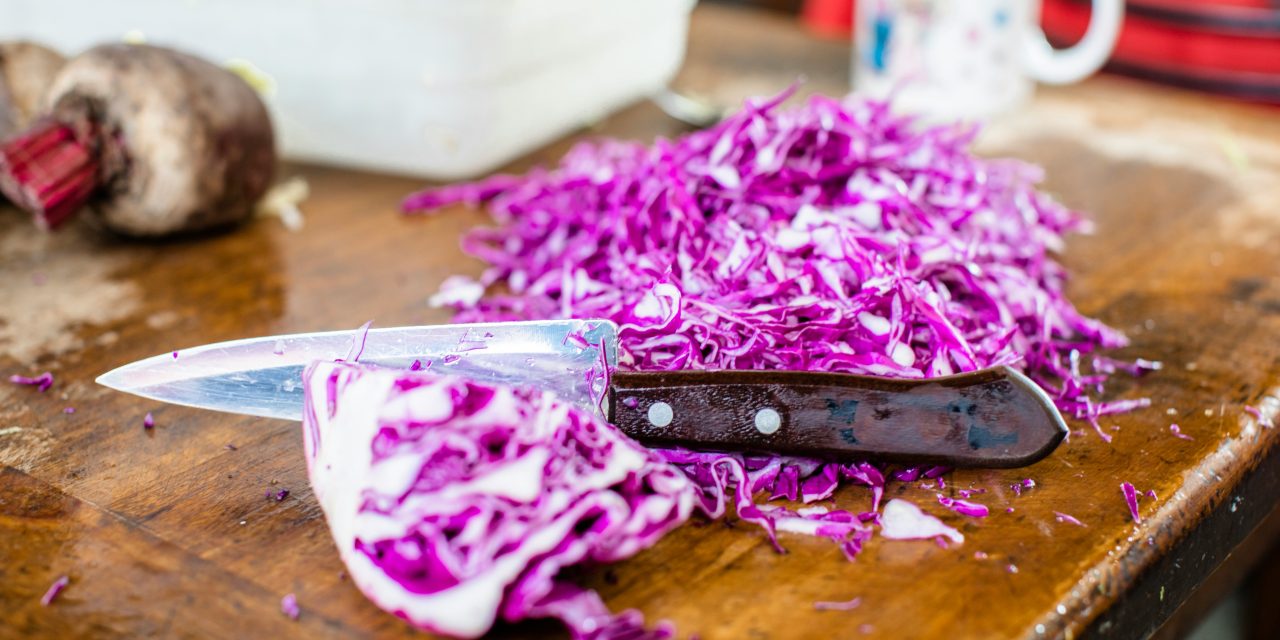
Once you have gathered your fresh ingredients, it’s time to prepare the cabbage and carrots for coleslaw. Begin by removing any outer leaves from the cabbage head and cutting it into quarters. Using a sharp knife or a mandoline slicer, shred the cabbage into thin strips. Aim for uniformity in size to ensure even distribution throughout the salad. The texture of the cabbage is crucial; it should remain crunchy even after being dressed.
Next, turn your attention to the carrots. Peel them using a vegetable peeler to remove the outer skin, which can be tough and fibrous. After peeling, grate the carrots using a box grater or food processor fitted with a grating attachment. The goal is to achieve fine shreds that will blend seamlessly with the cabbage. Once both vegetables are prepared, place them in a large mixing bowl and toss them together gently to combine.
Making the Creamy Dressing from Scratch

The dressing is what elevates coleslaw from a simple salad to a creamy delight. To create your dressing from scratch, start by combining mayonnaise with apple cider vinegar in a mixing bowl. The mayonnaise provides richness while the vinegar adds acidity, balancing the flavors beautifully. For added sweetness, incorporate granulated sugar; this will counteract the tanginess of the vinegar and enhance the overall taste profile.
Seasoning is essential for achieving depth in flavor. Add salt and freshly cracked black pepper to taste, adjusting according to your preference. For an extra layer of complexity, consider incorporating Dijon mustard or celery seed into the mixture. Whisk all ingredients together until smooth and well combined. Taste the dressing before adding it to your vegetables; this allows you to make any necessary adjustments before bringing everything together.
If you’re looking to elevate your summer barbecue with a delicious side dish, making creamy coleslaw from scratch is a fantastic option. This classic recipe not only adds a crunchy texture to your meal but also allows you to customize the flavors to your liking. For more tips on enhancing your culinary skills, you might find this article on how to remove plaque from your dog’s teeth safely quite interesting, as it emphasizes the importance of using fresh ingredients, much like in your coleslaw. You can check it out here.
Combining Vegetables with the Dressing
With both your vegetables prepared and dressing made, it’s time to combine these elements into a cohesive dish. Pour the creamy dressing over the shredded cabbage and carrots in your mixing bowl. Using a spatula or large spoon, gently fold the dressing into the vegetables until they are evenly coated. Be careful not to overmix; you want to maintain the integrity of the shredded vegetables while ensuring every piece is enveloped in that delicious dressing.
Once combined, take a moment to assess the consistency of your coleslaw. If it appears too dry, consider adding a splash more of mayonnaise or vinegar to achieve your desired creaminess. Conversely, if it seems overly wet, you may want to add additional shredded cabbage or carrots to balance it out. The goal is to create a harmonious blend where each bite offers a delightful crunch paired with creamy goodness.
If you’re looking to enhance your culinary skills, making creamy coleslaw from scratch is a delightful way to start. This classic side dish can elevate any meal with its crunchy texture and rich flavor. For those interested in maintaining a healthy kitchen environment while preparing delicious recipes, you might find it useful to read about effective pest control methods. Check out this informative article on how to keep pests out of your home without overusing pesticides by following this link. It’s a great resource to ensure your cooking space remains clean and safe while you whip up your homemade coleslaw.
Adjusting Seasonings for Perfect Flavor
Achieving perfect flavor in your creamy coleslaw requires careful attention to seasoning adjustments. After combining your vegetables with the dressing, take a moment to taste your creation. This step is crucial as it allows you to identify any areas that may need enhancement. If you find that your coleslaw lacks brightness, consider adding an extra splash of apple cider vinegar or a squeeze of fresh lemon juice for acidity.
For those who enjoy a hint of sweetness, additional sugar can be incorporated gradually until you reach your desired level of sweetness without overpowering the dish. If you prefer a spicier kick, adding cayenne pepper or hot sauce can elevate the flavor profile significantly. Remember that seasoning should be adjusted incrementally; small changes can have a significant impact on the overall taste.
Chilling the Coleslaw for Best Results
Once your creamy coleslaw is perfectly seasoned, it’s essential to allow it to chill before serving. Refrigerating coleslaw for at least one hour enables flavors to meld together beautifully while allowing the cabbage to soften slightly without losing its crunch. This chilling period also enhances the overall texture of the dish, making it more enjoyable when served cold.
To chill your coleslaw effectively, cover it tightly with plastic wrap or transfer it into an airtight container before placing it in the refrigerator. This prevents any unwanted odors from permeating your salad while keeping it fresh. If you plan on serving coleslaw at an outdoor gathering or picnic, consider placing it in a cooler with ice packs to maintain its temperature until ready to serve.
Tips for Serving and Presentation
Presentation plays an important role in enhancing the appeal of your creamy coleslaw when serving guests or family members. Consider using a large serving bowl that showcases the vibrant colors of your salad; clear glass bowls work particularly well for this purpose. To elevate presentation further, garnish your coleslaw with fresh herbs such as parsley or cilantro just before serving.
When serving coleslaw alongside other dishes, consider portioning it into individual servings using small cups or ramekins for an elegant touch. This not only makes it easy for guests to enjoy but also adds visual interest to your table setting. Additionally, pairing coleslaw with complementary dishes such as grilled meats or sandwiches creates an inviting spread that encourages guests to indulge.
Variations to Customize Your Coleslaw
While traditional creamy coleslaw is undeniably delicious on its own, there are numerous variations that allow for customization based on personal preferences or dietary restrictions. For those seeking a healthier alternative, consider substituting Greek yogurt for mayonnaise; this adds creaminess while reducing calories and fat content significantly.
Incorporating fruits such as apples or raisins can introduce natural sweetness and texture contrast that enhances flavor complexity. For those who enjoy heat, adding jalapeños or sriracha can provide an exciting twist on classic coleslaw recipes. Experimenting with different types of vinegar—such as balsamic or rice vinegar—can also yield unique flavor profiles worth exploring.
Storing Leftover Coleslaw Safely
If you find yourself with leftover creamy coleslaw after serving, proper storage is essential for maintaining freshness and preventing spoilage. Transfer any remaining salad into an airtight container before placing it in the refrigerator; this helps preserve its crispness while preventing contamination from other foods.
Leftover coleslaw can typically be stored safely in the refrigerator for up to three days; however, keep in mind that as time passes, the vegetables may begin to lose their crunch due to moisture absorption from the dressing. If you anticipate having leftovers frequently, consider storing dressing separately from vegetables until ready to serve; this will help maintain optimal texture.
Enjoy Your Homemade Creamy Coleslaw
In conclusion, homemade creamy coleslaw is not only a delicious addition to any meal but also an opportunity for creativity in the kitchen. By gathering fresh ingredients and preparing everything from scratch—including a flavorful dressing—you can create a dish that delights both visually and gastronomically. With various customization options available and tips for serving effectively, this versatile salad can easily become a favorite among family and friends.
Whether enjoyed at summer barbecues or as part of everyday meals, creamy coleslaw offers a refreshing crunch that complements countless dishes beautifully. So gather your ingredients today and embark on creating your own delightful version of this classic salad—your taste buds will thank you!
FAQs
What ingredients are needed to make creamy coleslaw from scratch?
To make creamy coleslaw from scratch, you will need green cabbage, carrots, mayonnaise, apple cider vinegar, sugar, salt, and pepper. Optional ingredients can include onions, celery seeds, or other vegetables for added flavor and texture.
How do you prepare the cabbage for coleslaw?
To prepare the cabbage, first remove any wilted outer leaves. Then, cut the cabbage into quarters, remove the core, and slice it thinly. You can also use a food processor with a shredding attachment for quicker preparation.
Can I make coleslaw ahead of time?
Yes, you can make coleslaw ahead of time. It is best to prepare the coleslaw a few hours in advance to allow the flavors to meld. However, if you want to maintain the crunchiness of the cabbage, it’s advisable to keep the dressing separate until just before serving.
What can I substitute for mayonnaise in creamy coleslaw?
If you want to substitute mayonnaise, you can use Greek yogurt, sour cream, or a vegan mayonnaise alternative. These substitutes will provide a creamy texture while altering the flavor slightly, so choose based on your dietary preferences.
How long can creamy coleslaw be stored in the refrigerator?
Creamy coleslaw can be stored in the refrigerator for up to 3 to 5 days. Make sure to keep it in an airtight container to maintain freshness. If the coleslaw becomes watery, you can drain excess liquid before serving.