Before embarking on the journey of polishing your vehicle, it is imperative to assemble all necessary supplies to ensure a smooth and efficient process. Essential items include a high-quality polishing compound, microfiber cloths, a dual-action polisher or a hand applicator, and a bucket of clean water. Additionally, having a clay bar kit on hand can be beneficial for removing embedded contaminants from the paint surface prior to polishing.
Furthermore, consider acquiring a paint thickness gauge to assess the integrity of your vehicle’s clear coat. This tool is particularly useful for those who may be unfamiliar with the condition of their car’s paintwork. Other supplies that may enhance your polishing experience include masking tape to protect trim and rubber seals, as well as a spray bottle filled with detailing spray for easy cleanup. By gathering these items beforehand, you can streamline the polishing process and achieve optimal results.
If you’re interested in learning how to polish a car by hand, you might also find it helpful to explore techniques for grooming pets, as both tasks require attention to detail and the right tools. For instance, understanding how to effectively groom a long-haired cat without causing discomfort can enhance your skills in handling delicate tasks. You can read more about this in the article on grooming techniques found here: how to groom a long-haired cat without pulling its fur.
Choose a Suitable Location for Polishing
Selecting an appropriate location for polishing your car is crucial to achieving the best possible outcome. Ideally, you should choose a shaded area or a garage with controlled lighting conditions. Direct sunlight can cause the polishing compound to dry too quickly, leading to uneven application and potential damage to the paint surface. A well-lit environment allows for better visibility of imperfections and ensures that you can monitor your progress effectively.
Moreover, ensure that the chosen location is free from dust and debris. Windy conditions can introduce particles that may scratch the paint during the polishing process. A clean, flat surface will not only facilitate ease of movement but also minimize the risk of contaminants interfering with your work. By taking the time to select an optimal location, you set the stage for a successful polishing endeavor.
Wash and Dry Your Car Thoroughly

Prior to applying any polishing compound, it is essential to wash and dry your vehicle meticulously. Begin by rinsing off loose dirt and grime with water, followed by a thorough wash using a pH-balanced car shampoo. Utilize a microfiber wash mitt to gently scrub the surface, ensuring that you do not introduce swirl marks or scratches. Pay special attention to areas where dirt tends to accumulate, such as wheel wells and undercarriages.
Once washed, rinse the vehicle again to remove any soap residue and then dry it using clean microfiber towels. It is crucial to dry the car completely to prevent water spots from forming, which can hinder the effectiveness of the polishing process. A thorough wash and drying routine not only prepares the surface for polishing but also enhances the overall appearance of your vehicle.
Inspect the Paintwork for Imperfections

After washing and drying your car, take the time to inspect the paintwork for imperfections. Look for scratches, swirl marks, oxidation, and other blemishes that may detract from the vehicle’s aesthetic appeal. Utilizing a bright LED light can help illuminate these imperfections, making them easier to identify.
Documenting these flaws will provide you with a clear understanding of what areas require more attention during the polishing process. It is also advisable to assess the depth of any scratches; if they penetrate beyond the clear coat into the base paint, additional care may be necessary. By conducting a thorough inspection, you can tailor your polishing approach to address specific issues effectively.
If you’re looking to achieve a showroom shine on your vehicle, polishing a car by hand can be a rewarding experience. To get the best results, it’s essential to understand the right techniques and products to use. For more tips on achieving a perfect finish, you might find this article on polishing techniques helpful, as it provides insights that can enhance your car care routine. With the right approach, you can make your car look as good as new while enjoying the satisfaction of doing it yourself.
Select the Right Polishing Compound
Choosing the appropriate polishing compound is vital for achieving desired results without damaging your vehicle’s paintwork. Polishing compounds vary in abrasiveness; some are designed for heavy correction while others are more suited for light polishing or finishing work. For deeper scratches or oxidation, a more abrasive compound may be necessary, whereas a finer polish can be used for enhancing gloss and clarity.
Consider factors such as the type of paint on your vehicle and its current condition when selecting a compound. It is also beneficial to read product reviews and consult with professionals or experienced enthusiasts for recommendations. By selecting the right polishing compound tailored to your specific needs, you can maximize effectiveness while minimizing potential risks.
If you’re looking to enhance the shine of your vehicle, polishing a car by hand can be a rewarding experience that brings out the best in your paintwork. To achieve a professional finish, it’s essential to understand the right techniques and products to use. For more tips on maintaining your car’s appearance, you might find this article on car care particularly helpful, as it covers various aspects of vehicle maintenance that can complement your polishing efforts.
Prepare Your Polishing Cloth or Pad
The preparation of your polishing cloth or pad is an essential step that should not be overlooked. If using a dual-action polisher, select an appropriate pad based on the type of compound you have chosen; typically, foam pads come in varying degrees of firmness and abrasiveness. For instance, a cutting pad is ideal for heavy correction work, while a finishing pad is better suited for final polishing.
Before applying any compound, ensure that your cloth or pad is clean and free from debris that could cause scratches during application. If using a microfiber cloth, inspect it for any signs of wear or damage; replacing worn cloths will help maintain optimal performance. Properly preparing your polishing tool will enhance its effectiveness and contribute to achieving a flawless finish.
Apply the Polishing Compound in Small Sections
When it comes time to apply the polishing compound, it is advisable to work in small sections rather than attempting to cover large areas at once. This approach allows for better control over the application process and ensures that each section receives adequate attention. Start with an area approximately two feet by two feet in size; this manageable section will enable you to focus on achieving optimal results without feeling rushed.
Apply a small amount of compound onto your cloth or pad and spread it evenly across the section before activating your polisher or beginning hand application. Using moderate pressure will help facilitate effective correction while avoiding excessive heat buildup that could damage the paint surface. By taking your time and working methodically through each section, you can achieve a uniform finish across your vehicle.
Use Proper Hand Polishing Techniques
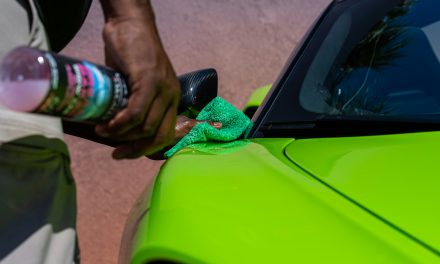
If opting for hand polishing instead of using a machine, employing proper techniques is crucial for achieving satisfactory results. Begin by applying a small amount of polishing compound onto your microfiber cloth and gently rub it into the paint using circular motions. This technique helps distribute the compound evenly while allowing it to penetrate into imperfections effectively.
It is important to maintain consistent pressure throughout the process; too much pressure can lead to uneven results or damage to the clear coat, while too little may not yield significant improvement. After working on each section for approximately 30 seconds to one minute, wipe away any excess compound with a clean microfiber towel before moving on to the next area. By adhering to these techniques, you can ensure that your hand polishing efforts yield impressive results.
Remove Residue and Buff to a Shine
Once you have completed polishing each section of your vehicle, it is time to remove any residue left behind by the compound and buff the surface to achieve a brilliant shine. Using a clean microfiber towel, gently wipe away any remaining product in straight lines rather than circular motions; this technique helps prevent swirl marks from forming during cleanup.
After removing residue, take another clean microfiber towel and buff the surface using light pressure in straight lines until you achieve a glossy finish. This step not only enhances the appearance of your vehicle but also ensures that any remaining oils from the polishing compound are eliminated. The result will be a smooth, reflective surface that showcases your hard work.
Protect the Polished Surface with Wax or Sealant
To preserve the newly polished surface and protect it from environmental contaminants, applying a layer of wax or sealant is essential. Wax provides a protective barrier against UV rays, dirt, and moisture while enhancing gloss and depth of color. Alternatively, sealants offer longer-lasting protection due to their synthetic formulation and can provide superior durability compared to traditional waxes.
When applying wax or sealant, use a clean applicator pad or microfiber cloth and work in small sections similar to how you applied the polishing compound. Allow sufficient time for the product to cure as per manufacturer instructions before buffing off any excess with a clean towel. This final step not only safeguards your investment but also ensures that your vehicle maintains its stunning appearance over time.
Maintain Your Car’s Shine with Regular Care
Maintaining your car’s shine requires ongoing care beyond just polishing and waxing. Regular washing using pH-balanced products will help remove dirt without stripping protective layers from the paint surface. Additionally, consider incorporating detailing sprays into your routine; these products can enhance gloss between washes while providing an extra layer of protection.
It is also advisable to perform periodic inspections of your vehicle’s paintwork for any new imperfections that may arise over time. Addressing these issues promptly will prevent them from becoming more significant problems down the line. By committing to regular maintenance practices, you can ensure that your car continues to shine brilliantly while preserving its value.
In summary, polishing your vehicle involves several critical steps: gathering supplies, selecting an appropriate location, thoroughly washing and inspecting paintwork, choosing suitable compounds and tools, applying techniques effectively, removing residue properly, protecting surfaces with wax or sealant, and maintaining shine through regular care. By following these guidelines diligently, you can achieve professional-quality results while enhancing both aesthetics and longevity of your vehicle’s exterior finish.
FAQ Section:
1. **How often should I polish my car?**
– It is generally recommended to polish your car every six months to maintain its shine and protect against environmental damage.
2. **Can I polish my car in direct sunlight?**
– No, direct sunlight can cause polishing compounds to dry too quickly and lead to uneven results or damage.
3. **What type of polish should I use for minor scratches?**
– A fine polish or finishing compound is ideal for addressing minor scratches without causing further damage.
4. **Is hand polishing as effective as machine polishing?**
– While hand polishing can yield satisfactory results, machine polishing typically provides more consistent outcomes due to greater control over pressure and speed.
5. **How do I know if my car’s paint needs polishing?**
– If you notice dullness, swirl marks, or minor scratches on your vehicle’s surface, it may be time for polishing.
6. **What should I do if I accidentally damage my clear coat while polishing?**
– If you suspect damage has occurred, consult with a professional detailer who can assess the situation and recommend appropriate corrective measures.
7. **Can I use household products for polishing my car?**
– It is not advisable; household products may contain harsh chemicals that could damage automotive paint finishes.
8. **How long does it take to polish a car?**
– The time required varies based on size and condition but typically ranges from 2-6 hours for thorough work.
9. **What are some signs that my car needs waxing after polishing?**
– If water no longer beads on the surface or if you notice fading in color or shine, it may be time to apply wax.
10. **Are there any specific brands recommended for polishing compounds?**
– Popular brands include Meguiar’s, 3M, Chemical Guys, and Griot’s Garage; however, always choose based on specific needs and preferences.
By adhering closely to these guidelines and recommendations throughout each stage of the process—from preparation through maintenance—you can ensure that your vehicle remains in pristine condition while showcasing its beauty effectively over time.
FAQs
What materials do I need to polish a car by hand?
To polish a car by hand, you will need a few essential materials: a high-quality car polish, microfiber cloths or applicator pads, a bucket of water, and possibly a clay bar for surface preparation. Additionally, you may want to have a wax or sealant for added protection after polishing.
How do I prepare my car for polishing?
Before polishing, wash your car thoroughly to remove dirt and grime. Dry it completely with a microfiber towel. If your car’s surface has contaminants like tree sap or industrial fallout, consider using a clay bar to smooth the surface. This preparation ensures that the polish adheres properly and provides the best results.
What is the correct technique for applying polish by hand?
To apply polish by hand, use a clean microfiber applicator pad. Apply a small amount of polish to the pad and work it into the paint using circular motions. Start with a small section of the car, applying light pressure. After a few passes, buff the area with a clean microfiber cloth to remove excess polish and reveal a shine.
How often should I polish my car?
It is generally recommended to polish your car every 3 to 6 months, depending on factors such as the climate, driving conditions, and the type of paint. Frequent polishing can help maintain the car’s appearance and protect the paint from oxidation and fading.
Can polishing remove scratches from my car’s paint?
Polishing can help reduce the appearance of light scratches and swirl marks by leveling the paint surface. However, deeper scratches may require more intensive methods, such as wet sanding or touch-up paint. Always assess the severity of the scratches before deciding on the best approach.