When embarking on the culinary journey of baking sweet potatoes, selecting the right variety is paramount. The two most common types are the orange-fleshed and the white-fleshed sweet potatoes. The orange-fleshed variety, often referred to as the Beauregard or Jewel, is renowned for its sweetness and creamy texture when cooked. In contrast, the white-fleshed varieties, such as the Japanese sweet potato, offer a nuttier flavor profile and a drier texture. For baking purposes, the orange-fleshed sweet potatoes are generally preferred due to their higher sugar content and moist consistency, which results in a delectable final product.
In addition to variety, size plays a crucial role in selection. Opt for medium-sized sweet potatoes that are firm to the touch, devoid of blemishes or soft spots. A uniform shape ensures even cooking, while larger specimens may require longer baking times. Furthermore, consider the skin’s color; vibrant, unblemished skin indicates freshness and quality. By choosing the right sweet potatoes, you set the foundation for a delicious baked dish that showcases their natural sweetness and nutritional benefits.
If you’re looking to enhance your culinary skills, you might find it helpful to explore related topics such as the nutritional benefits of various foods. For instance, while baking sweet potatoes in the oven can be a delicious and healthy choice, understanding the benefits of hydration for pets can also be enlightening. You can read more about this in the article on the top benefits of subcutaneous fluids for dogs, which highlights important health considerations for your furry friends. Check it out here: Top 7 Benefits of Subcutaneous Fluids for Dogs.
Preparing Sweet Potatoes: Washing and Pricking
Preparation is key to achieving perfectly baked sweet potatoes. Begin by thoroughly washing each potato under cold running water to remove any dirt or residual pesticides. A vegetable brush can be employed to scrub the skin gently, ensuring that all impurities are eliminated. This step is essential not only for hygiene but also because the skin contributes to the overall flavor and texture of the baked potato.
Once cleaned, pricking the sweet potatoes with a fork is a critical step that should not be overlooked. This technique involves creating small holes in the skin, allowing steam to escape during the baking process. Failure to do so may result in an explosion within your oven, as the built-up steam can cause the potato to burst. Aim for about six to eight pricks per potato, focusing on the thicker areas where steam is likely to accumulate. This simple yet effective preparation method ensures that your sweet potatoes bake evenly and safely.
Baking Sweet Potatoes Whole: The Classic Method

Baking sweet potatoes whole is a time-honored technique that preserves their natural flavors and nutrients. Preheat your oven to 400°F (204°C), a temperature that allows for optimal caramelization of sugars while ensuring thorough cooking. Place the prepared sweet potatoes directly on the oven rack or on a baking sheet lined with parchment paper for easy cleanup.
The baking time will vary depending on the size of the potatoes; typically, medium-sized sweet potatoes require approximately 45 to 60 minutes. To determine doneness, gently squeeze the potato; it should yield slightly under pressure. Alternatively, you can insert a fork or knife into the thickest part; it should glide in effortlessly when fully cooked. This classic method results in tender, flavorful sweet potatoes that can be enjoyed as a side dish or incorporated into various recipes.
Wrapping Sweet Potatoes in Foil for Moisture Retention

For those who prefer an ultra-moist texture, wrapping sweet potatoes in aluminum foil is an excellent option. This technique traps steam within the foil, creating a mini-oven effect that enhances moisture retention during baking. To execute this method, preheat your oven as previously mentioned and prepare each sweet potato by washing and pricking them.
Next, wrap each potato individually in aluminum foil, ensuring that they are completely sealed to prevent steam from escaping. Place the wrapped potatoes on a baking sheet or directly on the oven rack. The baking time remains similar to that of unwrapped potatoes; however, you may find that they cook slightly faster due to the steam retention. This method yields exceptionally tender sweet potatoes with a luscious texture, perfect for mashing or serving with toppings.
When it comes to baking sweet potatoes, one must consider whether to place them directly on the oven rack or utilize a baking sheet. Each method has its advantages and potential drawbacks. Placing sweet potatoes directly on the oven rack allows for optimal air circulation around each potato, promoting even cooking and caramelization of sugars on all sides.
Conversely, using a baking sheet can simplify cleanup and prevent any potential drips from creating a mess in your oven. If you choose this route, line your baking sheet with parchment paper or aluminum foil for easy removal of any caramelized sugars that may leak out during cooking. Ultimately, both methods yield delicious results; your choice may depend on personal preference or convenience.
If you’re looking to enhance your culinary skills, you might find it helpful to explore how to bake sweet potatoes in the oven, as this method brings out their natural sweetness and creates a deliciously tender texture. For those interested in nurturing other aspects of home life, you can also check out a related article on how to successfully repot a root-bound houseplant by following these easy steps. This way, you can enjoy both delightful meals and thriving plants in your home.
Baking Sweet Potato Slices for Crispy Edges
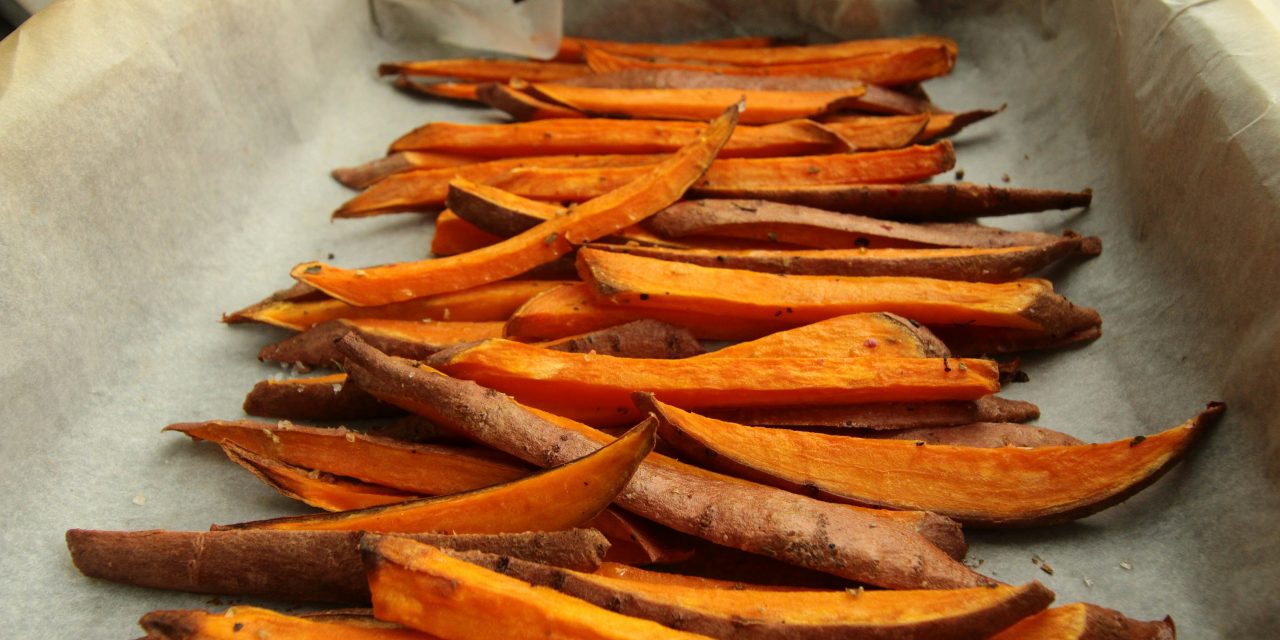
For those who enjoy crispy edges and a different texture profile, baking sweet potato slices is an excellent alternative to whole baking. Begin by preheating your oven to 425°F (218°C) for optimal crispiness. Slice your sweet potatoes into uniform rounds or wedges, approximately 1/4 inch thick; this ensures even cooking and browning.
Toss the slices in a bowl with olive oil and your choice of seasonings—salt, pepper, paprika, or garlic powder work wonderfully—to enhance flavor while promoting crispiness. Spread the seasoned slices in a single layer on a baking sheet lined with parchment paper, ensuring they do not overlap. Bake for 20-25 minutes, flipping halfway through to achieve even browning on both sides. The result is a delightful snack or side dish featuring crispy edges and tender interiors.
If you’re looking to enhance your culinary skills, you might find it helpful to explore a related article that discusses the best methods for baking sweet potatoes in the oven. This guide provides step-by-step instructions and tips to achieve perfectly tender and flavorful results. For more insights on cooking techniques, check out this informative piece on animal daycare options that can also inspire your meal planning.
Seasoning Sweet Potatoes Before Baking
Seasoning sweet potatoes before baking can elevate their flavor profile significantly. While these tubers are naturally sweet and delicious on their own, adding spices and herbs can create an exciting culinary experience. Common seasonings include cinnamon, nutmeg, rosemary, thyme, and cayenne pepper—each contributing unique flavors that complement the inherent sweetness of the potato.
To season effectively, toss your prepared sweet potatoes in olive oil or melted butter before adding spices. This not only helps the seasonings adhere but also enhances browning during baking. For those who prefer savory flavors, consider using garlic powder or onion powder alongside salt and pepper for a more robust taste profile. Experimenting with different combinations allows you to customize your baked sweet potatoes according to personal preferences.
How to Check for Doneness Perfectly
Determining when your sweet potatoes are perfectly baked is crucial for achieving optimal texture and flavor. The most reliable method involves using a fork or knife to pierce the thickest part of each potato; if it slides in easily without resistance, your sweet potato is done. Alternatively, you can gently squeeze the potato; it should yield slightly under pressure.
Another indicator of doneness is visual cues; perfectly baked sweet potatoes will exhibit slightly wrinkled skin and may have caramelized edges if roasted at higher temperatures. If you prefer a sweeter flavor profile, consider allowing them to bake slightly longer until they develop a golden-brown exterior. Monitoring these signs ensures that you achieve perfectly cooked sweet potatoes every time.
Speeding Up Baking Time with Smaller Cuts
If time is of the essence, cutting sweet potatoes into smaller pieces can significantly reduce baking time while still delivering delicious results. By slicing them into cubes or wedges approximately 1-inch thick, you increase their surface area, allowing heat to penetrate more quickly during cooking.
Preheat your oven to 425°F (218°C) and toss the cut pieces in olive oil along with your desired seasonings before spreading them evenly on a baking sheet lined with parchment paper. Smaller cuts typically require only 20-30 minutes of baking time; be sure to check for doneness by piercing with a fork or knife as previously described. This method not only saves time but also creates crispy edges that many find appealing.
Using a Convection Oven for Even Baking
Utilizing a convection oven can enhance your baking experience by promoting even heat distribution throughout the cooking process. Convection ovens employ fans that circulate hot air around food items, resulting in quicker cooking times and improved browning capabilities compared to traditional ovens.
When baking sweet potatoes in a convection oven, preheat it to 375°F (190°C) instead of 400°F (204°C) to account for increased efficiency. Arrange your prepared sweet potatoes on a baking sheet in a single layer without overcrowding them; this allows for optimal air circulation around each piece. Expect reduced cooking times—typically around 30-40 minutes for whole potatoes—while still achieving tender interiors and caramelized exteriors.
Tips for Storing and Reheating Baked Sweet Potatoes
Proper storage techniques can extend the shelf life of baked sweet potatoes while maintaining their flavor and texture. Once cooled completely after baking, wrap each potato individually in aluminum foil or place them in an airtight container before refrigerating them for up to five days.
When reheating baked sweet potatoes, consider using an oven or microwave depending on your preference for texture. For oven reheating, preheat it to 350°F (175°C) and place wrapped potatoes directly on the rack or in an oven-safe dish for approximately 15-20 minutes until heated through. Alternatively, if using a microwave, place the potato on a microwave-safe plate and heat on high for 2-3 minutes per potato until warmed evenly throughout.
In conclusion, mastering the art of baking sweet potatoes involves careful selection of varieties, meticulous preparation techniques, and thoughtful seasoning methods that enhance their natural flavors while ensuring optimal texture and doneness. Whether you choose to bake them whole or slice them into smaller pieces for quicker cooking times, these versatile tubers offer endless culinary possibilities that cater to diverse tastes and preferences.
By following these guidelines—from choosing quality ingredients to employing effective cooking methods—you can create delicious baked sweet potatoes that serve as nutritious side dishes or satisfying snacks enjoyed by all ages.
FAQs
What temperature should I set my oven to for baking sweet potatoes?
For baking sweet potatoes, it is recommended to preheat your oven to 400°F (204°C). This temperature allows the sweet potatoes to cook evenly and develop a tender texture.
How long does it take to bake sweet potatoes in the oven?
The baking time for sweet potatoes typically ranges from 45 to 60 minutes, depending on their size. Smaller sweet potatoes may take around 45 minutes, while larger ones can take up to an hour or more.
Should I wrap sweet potatoes in foil before baking?
Wrapping sweet potatoes in foil is optional. If you prefer a softer skin, you can wrap them in foil. However, if you want a crispier skin, it is best to bake them unwrapped.
How can I tell when sweet potatoes are done baking?
You can tell that sweet potatoes are done baking when they are tender and can be easily pierced with a fork or knife. Additionally, the skin may appear slightly wrinkled, indicating that they are fully cooked.
Can I bake sweet potatoes with toppings or seasonings?
Yes, you can bake sweet potatoes with various toppings or seasonings. Popular options include olive oil, salt, pepper, cinnamon, or even brown sugar. You can add these before baking or after they are cooked, depending on your preference.