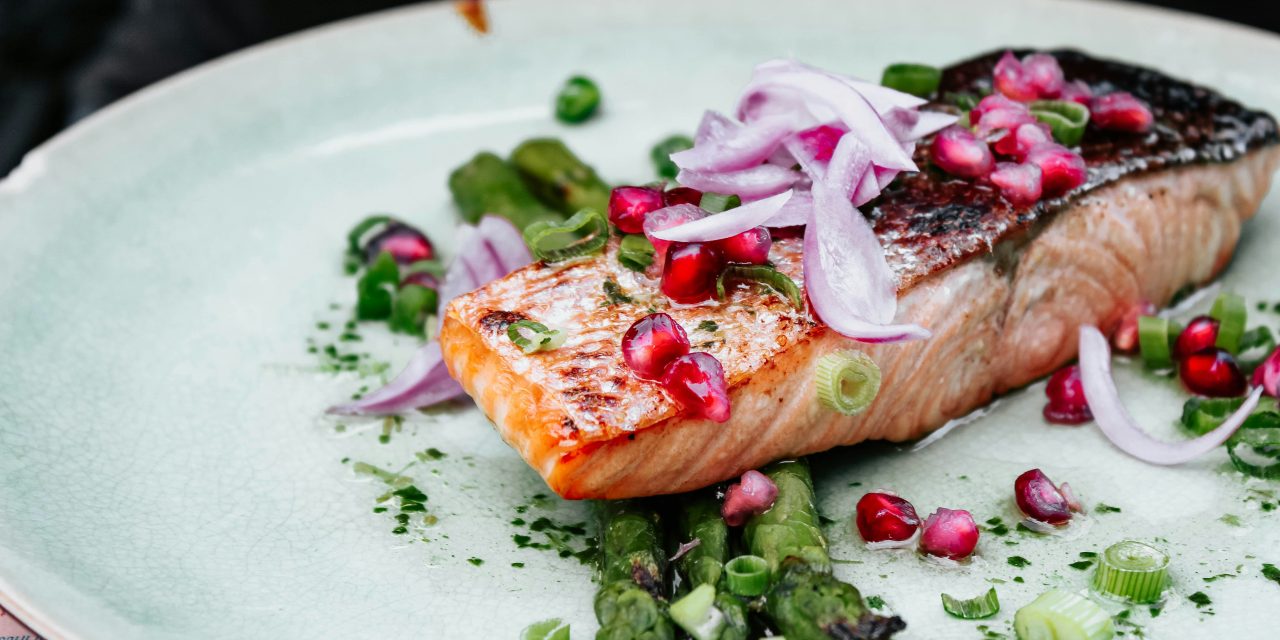
Salmon is a highly nutritious fish, rich in omega-3 fatty acids, high-quality protein, and essential vitamins and minerals. Properly cooking salmon is crucial not only for enhancing its flavor but also for ensuring food safety. Undercooked salmon can harbor harmful pathogens such as Salmonella and Listeria, which can lead to foodborne illnesses. Conversely, overcooked salmon can become dry and unpalatable, losing its delicate texture and flavor profile. Therefore, mastering the art of cooking salmon is essential for both culinary enjoyment and health considerations.
The significance of properly cooked salmon extends beyond mere taste; it also plays a vital role in preserving the nutritional integrity of the fish. Overcooking can diminish the levels of beneficial nutrients, while undercooking may not provide the desired culinary experience. Understanding how to achieve the perfect doneness is paramount for both home cooks and professional chefs alike. This article will delve into various methods and indicators that can help ensure your salmon is cooked to perfection.
When it comes to cooking salmon, knowing when it’s fully cooked is essential for both taste and safety. For a comprehensive guide on this topic, you can refer to the article that discusses various cooking methods and tips for achieving perfectly cooked salmon. Additionally, if you’re interested in learning how to manage pets during bath time, you might find this article on bathing a dog that hates water quite helpful.
Visual Cues: Checking the Color and Opacity
One of the first indicators of properly cooked salmon is its color and opacity. Raw salmon typically exhibits a vibrant pink hue, which transforms into a more opaque shade as it cooks. When assessing doneness, look for a transition from translucent to opaque; this change signifies that the proteins in the fish have coagulated and that it is nearing completion.
The ideal cooked salmon should retain a slight pinkness in the center, indicating that it is moist and tender. If the fish appears completely white or gray throughout, it may be overcooked. Additionally, the color can vary depending on the type of salmon; for instance, wild-caught salmon often has a deeper color compared to farmed varieties. Familiarizing yourself with these visual cues will enhance your ability to gauge doneness effectively.
Texture Test: How Firm Should Cooked Salmon Be?

Texture is another critical factor in determining whether salmon is cooked correctly. When properly cooked, salmon should feel firm yet slightly springy to the touch. The flesh should not be mushy or overly soft, which can indicate undercooking. Instead, it should yield gently when pressed with a finger or fork.
To assess texture accurately, gently press down on the thickest part of the fillet. If it springs back, it is likely cooked through. If it feels overly soft or collapses easily, it may require additional cooking time. Understanding the ideal texture will help you achieve that perfect balance between tenderness and firmness.
The Flake Test: Using a Fork to Check Doneness

The flake test is a reliable method for checking the doneness of salmon. Using a fork, gently pry apart the flesh at its thickest point. If the fish flakes easily into separate pieces, it is an indication that it has reached the desired level of doneness. The flesh should separate without resistance, revealing a moist interior.
Conversely, if the salmon does not flake easily and appears to be sticking together, it may need more time on the heat source. This method not only provides insight into doneness but also allows you to assess the overall texture of the fish. Mastering this technique will enhance your confidence in cooking salmon perfectly every time.
When preparing salmon, it’s essential to know when it’s fully cooked to ensure both safety and flavor. A useful resource for understanding the signs of doneness in salmon can be found in this article on cat care, which emphasizes the importance of proper preparation in any culinary endeavor. For more tips on achieving the perfect cook, you can check out this informative piece on essential tips for Sphynx cat care and grooming. By paying attention to the texture and color of the fish, you can enjoy a delicious and safe meal.
Using a Food Thermometer for Accurate Results
For those who prefer precision in their cooking, utilizing a food thermometer is an excellent approach to ensure that salmon is cooked safely and accurately. The USDA recommends an internal temperature of 145°F (63°C) for fish to eliminate harmful bacteria effectively. Inserting a thermometer into the thickest part of the fillet will provide an accurate reading.
When using a food thermometer, it’s essential to avoid touching bones or the cooking surface, as this can yield misleading results. Once the thermometer indicates that the salmon has reached 145°F, remove it from heat immediately to prevent overcooking. This method is particularly beneficial for those who may be uncertain about visual cues or texture tests.
When preparing salmon, it’s essential to know how to tell when it is fully cooked to ensure both safety and flavor. One helpful resource that complements this topic is an article on making creamy pasta sauce without heavy cream, which can serve as a delightful accompaniment to your perfectly cooked salmon. By mastering the cooking techniques for both dishes, you can elevate your culinary skills and impress your guests. For more details on creating that delicious sauce, check out this article.
Timing Guidelines Based on Salmon Thickness
Cooking time for salmon varies significantly based on its thickness. A general rule of thumb is to cook salmon for approximately 4-6 minutes per half-inch of thickness at medium heat. For instance, a 1-inch thick fillet will typically require around 8-12 minutes of cooking time. However, factors such as cooking method (grilling, baking, or pan-searing) and heat intensity can influence these guidelines.
To ensure even cooking, consider starting with thicker portions first and adjusting cooking times accordingly for thinner pieces. Monitoring your salmon closely during cooking will help you achieve optimal results without risking overcooking or undercooking.
The Juice Test: Observing the Moisture Release
Another effective method for assessing doneness is through the juice test. As salmon cooks, it releases moisture; observing this release can provide valuable insights into its readiness. When properly cooked, salmon should exude clear juices rather than milky or cloudy liquid.
To perform this test, gently press down on the fillet with a spatula or fork. If clear juices emerge from the flesh, it indicates that the fish is likely cooked through. Conversely, if you notice cloudy juices or excessive moisture pooling around the fillet, it may require additional cooking time.
Skin Check: When Should the Skin Crisp Up?
For those who enjoy crispy skin on their salmon, knowing when to achieve this texture is essential. The skin should become golden brown and crispy during cooking, providing a delightful contrast to the tender flesh beneath. To achieve this effect, start cooking skin-side down in a hot pan with oil or on a grill.
As the skin cooks, avoid moving the fillet too frequently; allowing it to sear undisturbed will promote crispiness. Once you notice that the skin has turned golden brown and crispy, you can flip the fillet to finish cooking on the other side while maintaining that desirable texture.
Avoiding Overcooking: Signs to Watch Out For
Overcooking salmon can lead to dryness and an unappetizing texture. To avoid this common pitfall, be vigilant for signs that indicate your fish may be overdone. One key indicator is excessive flakiness; while some flakiness is desirable, if the flesh crumbles apart too easily or appears dry and chalky, it has likely been overcooked.
Additionally, monitor changes in color; if your salmon turns completely opaque and loses its vibrant hue, it may be time to remove it from heat. Keeping an eye on these signs will help you maintain optimal moisture levels and flavor in your dish.
Resting Your Salmon Before Serving
Resting cooked salmon before serving is an often-overlooked step that can significantly enhance its flavor and texture. Allowing the fish to rest for about 5 minutes after cooking enables juices to redistribute throughout the fillet, resulting in a more succulent bite.
During this resting period, cover the salmon loosely with foil to retain warmth without trapping steam, which could lead to sogginess. This simple yet effective technique will elevate your dish and ensure that each bite is as flavorful as possible.
Tips for Perfectly Cooked Salmon Every Time
Achieving perfectly cooked salmon consistently requires attention to detail and practice. Here are some additional tips to enhance your culinary skills:
1. **Choose Quality Salmon**: Opt for fresh or high-quality frozen salmon from reputable sources.
2. **Marinate Wisely**: Use marinades sparingly; while they add flavor, excessive moisture can hinder proper cooking.
3. **Preheat Cooking Surface**: Ensure your grill or pan is adequately heated before adding salmon to promote even cooking.
4. **Use Oil**: Lightly oiling your cooking surface can prevent sticking and promote browning.
5. **Experiment with Cooking Methods**: Try various techniques such as poaching, grilling, or baking to discover your preferred method.
6. **Practice Patience**: Avoid rushing through cooking; allow sufficient time for each step to ensure optimal results.
In conclusion, mastering the art of cooking salmon involves understanding various indicators of doneness such as visual cues, texture tests, and temperature checks. By employing these techniques and paying attention to details like timing and resting periods, you can consistently achieve perfectly cooked salmon that delights both your palate and your guests.
In summary, properly cooked salmon not only enhances flavor but also ensures food safety and preserves nutritional value. By utilizing visual cues such as color changes and opacity, conducting texture tests with forks, employing food thermometers for accuracy, adhering to timing guidelines based on thickness, observing moisture release during cooking, checking skin crispiness, avoiding overcooking signs, allowing resting time before serving, and following expert tips—home cooks can elevate their culinary skills and enjoy deliciously prepared salmon every time they step into the kitchen.
FAQs
How can I tell if salmon is fully cooked?
Salmon is fully cooked when it reaches an internal temperature of 145°F (63°C). You can check this using a food thermometer inserted into the thickest part of the fish. Additionally, the flesh should appear opaque and easily flake with a fork.
What color should cooked salmon be?
Cooked salmon should have a light pink color throughout, with the flesh appearing opaque. If the salmon is still translucent or has a raw appearance in the center, it is not fully cooked.
How long does it take to cook salmon?
The cooking time for salmon varies depending on the thickness of the fillet and the cooking method. Generally, it takes about 4-6 minutes per half-inch of thickness when baking or grilling at medium heat. Always use a thermometer for the most accurate results.
Can I rely on visual cues to determine if salmon is cooked?
While visual cues can help, they should not be the sole method for determining doneness. Look for the salmon to change from translucent to opaque and to flake easily with a fork. However, using a food thermometer is the most reliable way to ensure it has reached the safe internal temperature.
What happens if I undercook salmon?
Undercooked salmon can pose health risks, as it may contain harmful bacteria or parasites. Consuming undercooked fish can lead to foodborne illnesses. It is essential to cook salmon to the recommended internal temperature to ensure it is safe to eat.